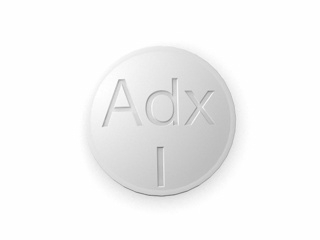


Anastrozole (Arimidex® and other brands) – Patient-Friendly Medicine Information
Anastrozole is a widely used medicine for treating and preventing certain types of hormone receptor–positive breast cancer in postmenopausal women. It belongs to a group of medicines called aromatase inhibitors. By reducing the amount of oestrogen the body produces, anastrozole can help slow or stop the growth of hormone-dependent breast cancer cells.
This page provides general, patient-friendly information about anastrozole, including how it works, when it’s taken, food and alcohol considerations, safety, practical tips, alternative options, and Australia-specific availability and guidance.
Basic product information
| Item | Details |
|---|---|
| Active ingredient | Anastrozole |
| Medicine class | Aromatase inhibitor (non-steroidal) |
| Common brand examples | Arimidex® (availability may vary); other generic brands may be available |
| Typical strength | Often 1 mg tablets (confirm your pack) |
| How it is taken | Usually as a once-daily oral tablet |
| Where it’s used | Hormone receptor–positive breast cancer in postmenopausal women, as directed by treatment plan |
How anastrozole works (mechanism of action)
In postmenopausal women, oestrogen is produced mainly in peripheral tissues (for example, fat and muscle) by a process called aromatization—where the enzyme aromatase converts androgens into oestrogens.
Anastrozole blocks aromatase, which leads to a decrease in oestrogen levels in the body. Lower oestrogen can reduce stimulation of oestrogen receptor–positive breast cancer cells.
Importantly, anastrozole works by lowering oestrogen production; it does not directly remove existing oestrogen already in the bloodstream.
Pharmacokinetics (how the body handles it)
Pharmacokinetics describes what happens to the medicine after you take it—how it is absorbed, metabolised, and eliminated. While individual responses vary, these are the key general points for anastrozole:
- Absorption: Anastrozole is absorbed after oral administration and reaches peak levels in the bloodstream typically within a short period after dosing.
- Distribution: It distributes through body tissues and binds to plasma proteins to some extent.
- Metabolism: The medicine is primarily metabolised by the liver (through processes such as CYP-mediated pathways).
- Excretion: Metabolites are eliminated mainly through the kidneys and faeces.
- Half-life: The effect lasts long enough for once-daily dosing in typical regimens.
If you have liver or kidney conditions, your clinician may consider monitoring and adjust the treatment plan accordingly. Always follow the dosing schedule provided for your situation.
Typical use (what it is used for)
Anastrozole is used for hormone receptor–positive breast cancer in appropriate patients, commonly those who are postmenopausal.
Depending on your diagnosis and stage, anastrozole may be used for:
- Adjuvant therapy (after surgery) to lower the risk of cancer recurrence.
- Extended adjuvant therapy (ongoing treatment after an initial course).
- Treatment of advanced (metastatic) disease when appropriate.
- Management of hormone receptor–positive tumours where aromatase inhibition is suitable.
Your treatment plan will be tailored to tumour characteristics and overall health, including prior therapies.
Indications (who may be prescribed anastrozole)
In Australia, anastrozole is indicated for certain types of breast cancer in postmenopausal women with oestrogen receptor–positive disease (or when receptor status suggests likely benefit).
Indications can vary slightly between product versions and guidelines, and your clinician will confirm suitability based on:
- Oestrogen receptor (ER) and/or progesterone receptor (PR) status
- Menopausal status
- Stage of disease (early vs advanced)
- Previous cancer treatments
- Overall medical history and risk factors
Dosing and timing
For most adults in standard treatment plans, anastrozole is taken as a 1 mg tablet once daily. Exact dosing and duration depend on your cancer type, treatment goals, and how you respond to therapy.
When to take it
- Try to take your dose at the same time each day to help you remember.
- Many people choose morning or evening—choose what fits your routine best.
- It can usually be taken with or without food. (See food interactions below.)
If you miss a dose
If you miss a dose, take it as soon as you remember on the same day. If it is close to the time for the next dose, skip the missed dose and continue your regular schedule. Do not take extra tablets to make up for a missed dose.
If you are unsure, check your medicine label or the Consumer Medicine Information (CMI) for your specific brand, or ask your pharmacist.
Food interactions
Food interactions are usually not a major concern with anastrozole for most patients. In many cases, anastrozole can be taken with or without food.
- General approach: take it in the way that suits your routine.
- Consistency helps: if you prefer taking it with breakfast or dinner, keep that pattern.
- Monitor how you feel: if nausea or stomach upset occurs, taking it after a meal may be more comfortable.
Always consult the Consumer Medicine Information for the exact product you receive, as formulations can differ.
Alcohol and medicine interactions
Alcohol can affect the body in ways that may worsen side effects such as fatigue, dizziness, nausea, sleep disturbance, or mood changes. While there are no specific universal “danger” interactions for every patient, it’s generally sensible to:
- Limit or avoid alcohol if you notice increased side effects after drinking.
- Avoid binge drinking, particularly if you have liver concerns or take other medicines.
- Check other medicines you use regularly, as interactions may be driven by those medicines rather than anastrozole alone.
Important: Many patients receiving breast cancer treatments may also take supportive medicines (for example for nausea, pain, blood counts, or bone protection). Review your full medication list with your pharmacist to identify interactions and to confirm safe timing.
Medicine interactions (key considerations)
Anastrozole is metabolised in the liver. Some medicines can influence drug metabolism and may affect anastrozole levels. Also, other treatments may increase the risk of side effects.
Common categories to discuss with your pharmacist
- Certain hormone treatments (other endocrine therapies) – typically not used together unless specifically advised.
- Liver enzyme–affecting medicines (some antidepressants, antifungals, certain antibiotics, seizure medications, and others).
- Bone health medicines (if prescribed)—these are often used together in breast cancer care, but your plan should be coordinated.
- Other medicines that affect cholesterol or cardiovascular risk—not a direct interaction but may influence overall health monitoring.
Provide your pharmacist with a complete list of:
- All prescription medicines
- Over-the-counter medicines
- Herbal products and supplements
- Any recent changes to your regimen
Safety profile and side effects
Like all medicines, anastrozole can cause side effects. Many people tolerate it well, but it’s important to know what to expect and when to seek help.
Common side effects
- Hot flushes
- Joint pain or muscle aches
- Stiffness (especially in the morning)
- Fatigue or low energy
- Headache
- Swelling of the legs or hands (in some patients)
- Skin rash or mild irritation
- Reduced bone mineral density over time (see below)
- Vaginal dryness or discomfort
- Changes in mood, sleep disturbance, or decreased libido
Bone health and fracture risk
Lower oestrogen levels can lead to bone thinning. Clinicians often assess bone health using tests such as DEXA scans and may recommend calcium and vitamin D and/or bone-protecting medicine if appropriate.
Seek medical advice promptly if you experience new back pain, loss of height, or sudden severe pain, as these can sometimes indicate a fracture.
Serious but less common warnings
- Allergic reactions (for example, swelling of the face/lips, difficulty breathing, widespread rash)
- Severe skin reactions (if fever, blistering, or significant skin peeling occurs)
- Liver problems (watch for yellowing of the eyes/skin, dark urine, persistent upper-right abdominal pain)
- Blood clot symptoms (unilateral leg swelling/pain, chest pain, shortness of breath)—urgent assessment is needed
If you think you’re having an emergency or serious reaction, contact emergency services immediately.
Practical use tips (making treatment easier)
Managing joint aches and stiffness
- Gentle daily movement and stretching can help maintain mobility.
- Warm showers or heat packs may relieve morning stiffness.
- Discuss supportive pain relief options with your pharmacist if symptoms interfere with daily life.
- Regular exercise (walking, low-impact strength training) may improve function.
Hot flushes and sleep support
- Keep your environment cool; dress in layers.
- Limit triggers such as spicy foods, alcohol, and hot drinks if they worsen symptoms.
- Good sleep routines can reduce fatigue and improve coping.
Vaginal dryness and comfort
- Use lubricants or moisturisers as recommended by your clinician.
- Don’t stop treatment without medical advice; discuss options early if symptoms occur.
Bone protection habits
- Ask whether you should take calcium and vitamin D supplements.
- Adopt weight-bearing exercise if suitable for you.
- Avoid smoking and limit excess alcohol—both can affect bone health.
Adherence tips
- Set a daily reminder on your phone.
- Keep the tablets in their original pack and store them as directed on the label (typically at controlled room temperature).
- Use a pill organiser if it helps you track daily dosing.
- If you’re travelling, pack enough for the trip plus a buffer for delays.
Monitoring during treatment
Many clinicians schedule periodic check-ins to evaluate:
- Side effects and quality of life (for example, joint symptoms, hot flushes, mood)
- Bone health (DEXA scan results and fracture risk)
- General wellbeing and any signs of liver issues
- Whether ongoing therapy remains suitable
If new symptoms appear—especially those that are severe, persistent, or concerning—contact your healthcare team promptly.
Alternative options (other medicines and approaches)
Depending on your cancer type, stage, prior treatments, and menopausal status, alternatives may include other endocrine therapies. Common alternatives include:
- Other aromatase inhibitors (for example, letrozole, exemestane—choices depend on response and tolerability).
- Selective oestrogen receptor modulators (for example, tamoxifen in appropriate contexts).
- Selective oestrogen receptor downregulators (occasionally considered in specific situations).
- Oestrogen deprivation strategies (including ovarian suppression in certain patients where relevant to menopausal status and treatment plan).
- Supportive care such as bone-protective therapy, symptom management for joint aches and hot flushes, and physiotherapy.
Switching or choosing a different therapy should always be discussed with your clinician. What’s best can vary considerably between patients.
Australia: market, legal, and funding context
In Australia, endocrine therapies for breast cancer are regulated under the national medicines framework. Medicines such as anastrozole are supplied through appropriate channels, with requirements for identification of the product, quality, and safe use.
Availability, brand selection (brand vs generic), and eligibility for subsidised pricing (where applicable) can depend on:
- Your healthcare plan and treatment context
- Supply availability from suppliers and distributors
- Whether the product is listed for government subsidy for your category of care
- Stock levels at pharmacies
On this website, we aim to help you understand what to expect for ordering and delivery, and we provide product information based on consumer resources.
Recent guidance and clinical practice considerations
Clinical practice around anastrozole and aromatase inhibitors evolves as new evidence and consensus guidance emerges. Recent discussions in breast cancer care commonly focus on:
- Optimising endocrine treatment duration (for example, total planned time on therapy may be standardised in many settings).
- Managing side effects early (especially musculoskeletal symptoms and bone health).
- Bone monitoring and use of bone-protective strategies when indicated.
- Individualising therapy based on recurrence risk, comorbidities, and treatment tolerance.
Your clinician may also consider how your menopausal status is defined and what endocrine options best suit your situation. If you have questions about your specific plan, your healthcare team is the best source of tailored advice.
Delivery and availability (Australia)
Availability can vary by pharmacy and current supplier stock. When ordering online, delivery timelines depend on your location and the dispatch cut-off times.
- Stock status: products may show as available immediately or may require a short supplier restock period.
- Delivery times: commonly within standard metropolitan or regional timeframes (confirm at checkout).
- Tracking: some orders provide tracking updates after dispatch.
- Packaging: medicines are supplied in secure packaging as required.
If an item is temporarily unavailable, contact support to discuss alternatives such as generic equivalents (when appropriate) or alternative delivery options.
Safety checklist before you start (and each time you reorder)
To use anastrozole safely, it helps to confirm:
- Your medicine strength and brand match your current plan.
- You know how many tablets you should take per day and for how long.
- You are aware of possible side effects, especially joint symptoms and bone health concerns.
- Your pharmacist has your full medication list, including supplements.
- You have any planned monitoring (for example, bone density tests) scheduled.
FAQ – Anastrozole
1) Is anastrozole a chemotherapy medicine?
No. Anastrozole is an endocrine (hormonal) therapy. It works by reducing oestrogen production rather than by directly destroying rapidly dividing cells.
2) How long is anastrozole usually taken?
Duration varies by treatment stage and goals. Some patients take it for several years as part of adjuvant or extended adjuvant therapy. Your clinician will define the timeline for your case.
3) Can I take anastrozole with food?
Usually, yes. Many patients take anastrozole with or without food. If you experience nausea, taking it with a meal may feel better.
4) What should I do if I miss a dose?
Take it when you remember on the same day, unless it’s near the time for your next dose. If it’s close, skip the missed dose and resume your schedule. Do not double up.
5) Will alcohol affect anastrozole?
Alcohol may increase side effects such as fatigue or dizziness. It’s best to limit alcohol and avoid heavy intake, especially if you notice symptoms. Always consider other medicines you’re taking alongside it.
6) Does anastrozole cause weight gain?
Some people experience changes in weight indirectly due to fatigue, activity changes, or appetite changes. If you notice unexpected weight changes, discuss them with your clinician.
7) How does anastrozole affect bones?
By lowering oestrogen levels, anastrozole can reduce bone mineral density over time, which may increase fracture risk. Bone monitoring and protective measures are often recommended.
8) What symptoms mean I should seek medical help?
Seek urgent advice for signs of allergic reaction (swelling, breathing difficulty), severe skin reactions, symptoms of blood clot (such as chest pain or unilateral leg swelling), or signs of liver problems (yellow eyes/skin, dark urine).
9) Are there alternatives if I get side effects?
Yes. Depending on your treatment plan, clinicians may recommend supportive treatments (for example for joint symptoms) or consider switching endocrine options if side effects are difficult to manage.
10) How should I store anastrozole?
Store your tablets as directed on the pack—typically at controlled room temperature away from moisture and heat. Keep medicines out of reach of children.
Important note
This information is intended to support general understanding of anastrozole and does not replace advice from your healthcare professional. If you have questions about your individual therapy, side effects, or interactions with other medicines, speak with your doctor or pharmacist.