Miconazole: Patient-Friendly Guide (Australia)
Miconazole is a well-known antifungal medicine used to treat fungal infections of the skin and, in some forms, the vagina and mouth. It works by stopping fungi from growing and spreading, allowing the body to heal the affected area.
This guide explains what miconazole is, how it works, how to use it safely and effectively, and what to expect. Information is written for use by people in Australia. Always follow the instructions provided with your specific product (cream, pessary, gel, spray, or other formulation), because dosing and timing differ by condition and site of use.
1) Basic Product Information
- Active ingredient: Miconazole
- Medicine class: Antifungal (imidazole)
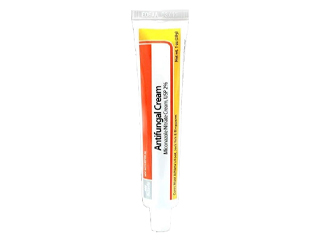
- Common forms in Australia: creams, powders, oral gel, vaginal products (e.g., pessaries/creams depending on brand), and other topical preparations
- Typical strengths: Vary by brand and formulation (check the pack for exact strength)
- Who it helps: People with fungal infections such as athlete’s foot, ringworm, athlete’s groin, thrush (depending on formulation), and vaginal yeast infections (with appropriate products)
Important: Miconazole is used for fungal infections. It does not treat bacterial infections unless a specific product combination is indicated (some products may include additional ingredients).
2) Mechanism of Action (How Miconazole Works)
Miconazole belongs to the imidazole group of antifungals. It primarily works by:
- Reducing ergosterol formation: Ergosterol is a key component of fungal cell membranes.
- Damaging the fungal cell membrane: Without enough ergosterol, the membrane becomes unstable.
- Stopping fungal growth: This prevents fungi from reproducing and spreading.
For many skin infections, visible improvement may begin within several days, but complete healing often requires continuing treatment for long enough to fully clear the fungus.
3) Pharmacokinetics (What the Body Does to Miconazole)
Pharmacokinetics describes how a medicine is absorbed, distributed, metabolised, and eliminated. Exact values vary widely by route and product type, but the general principles are:
- Topical use (skin): Only small amounts are typically absorbed through intact skin. Absorption increases if the skin is irritated, inflamed, blistered, or broken.
- Vaginal use: Absorption is generally limited, but enough medicine can enter local tissues to treat the infection.
- Oral/throat use (e.g., oral gel): The medicine acts locally in the mouth and throat. Systemic absorption is usually low.
- Metabolism and elimination: When absorbed, miconazole is metabolised in the body (mainly by the liver) and eliminated through normal body processes.
Clinical takeaway: Because systemic absorption is usually limited with most topical or local preparations, most people experience side effects limited to the area being treated. However, it is still important to use the correct product and avoid applying to large areas or under occlusive dressings unless instructed.
4) Typical Uses and Indications
Which infection miconazole treats depends on the formulation. Common indications include:
A) Skin infections (topical creams/powders/sprays)
- Athlete’s foot (tinea pedis): itching, scaling, and sometimes cracking between toes
- Ringworm (tinea corporis): ring-shaped rash or patches
- Jock itch (tinea cruris): rash in the groin area
- Candidiasis of skin (e.g., intertrigo in skin folds), depending on the product and severity
B) Vaginal yeast infection (local vaginal products)
- Vaginal candidiasis (often called “thrush” in non-medical terms)
- Symptoms may include itching, burning, redness, and a thick white discharge
C) Oral thrush (oral gel products)
- Oral candidiasis (“thrush” in the mouth)
- Symptoms may include white patches in the mouth, soreness, or altered taste
When to seek advice: If symptoms are severe, keep returning, or do not improve after the recommended course, speak with a pharmacist or doctor. Some rashes are not fungal (for example, eczema, psoriasis, or bacterial infections) and may require different treatment.
5) Timing and How Long to Use Miconazole
“Timing” can mean two things: when to start treatment and when to apply doses. Always use the regimen on your product label, but here are practical, general patterns:
- Start promptly: Begin treatment as soon as you suspect a fungal infection.
- Use regularly: Many skin preparations are applied once or twice daily, depending on the strength and product.
- Continue beyond improvement: Fungal infections can persist even after symptoms feel better. Finishing the full course helps reduce recurrence.
- Oral thrush: Oral gel is usually used several times daily and may require continued treatment for at least 1–2 weeks or as directed.
- Vaginal infections: Course length depends on the specific vaginal product (some are shorter, others longer). Don’t stop early just because symptoms improve.
Typical expectations: Mild skin symptoms may improve within 3–5 days. If there is no improvement within 1–2 weeks (for skin infections) or within several days (for oral thrush), seek medical advice.
6) Food Interactions
Food interactions are generally less relevant for topical miconazole products (applied to skin) and local vaginal preparations. For oral formulations, interactions may occur depending on absorption and formulation.
- Topical skin miconazole: Usually no specific food interactions.
- Vaginal miconazole: Usually no food interactions.
- Oral gel/tablets (if applicable): Follow the instructions on the pack. Some products specify timing relative to meals to maximise contact with the affected area.
Practical tip: If your product label advises taking/using it at a certain time in relation to food, follow that guidance. When in doubt, ask a pharmacist.
7) Alcohol and Medicine Interactions
Alcohol
For most topical and vaginal uses, alcohol is unlikely to directly interact with miconazole. However, avoid excessive alcohol if you’re using other medicines or if your infection is accompanied by illness (for example, oral thrush in someone unwell).
Important exception: Some oral antifungal medicines have stronger systemic effects and can interact with alcohol. This is formulation-dependent. If you are using an oral miconazole product, check the product information or ask a pharmacist.
Interactions with other medicines
Miconazole can interact with certain medicines, particularly because miconazole may affect liver enzymes (such as CYP pathways) when systemic absorption is higher.
- Warfarin and other anticoagulants: Miconazole may increase bleeding risk in some situations. Do not combine without professional advice if you’re on blood thinners.
- Certain medicines metabolised by the liver: Interaction risk depends on the medicine and dose form.
- Other antifungals or creams: Avoid applying multiple antifungal products simultaneously unless directed, as this can irritate skin and confuse treatment response.
Action step: If you are taking regular medicines (especially blood thinners, immunosuppressants, or multiple prescription medicines), ask a pharmacist to check suitability and interaction risk for your specific miconazole product.
8) Dosing (General Guidance)
Dose depends on:
- the body site (skin vs mouth vs vagina)
- the infection type (tinea vs candidiasis vs thrush)
- the formulation (cream, powder, oral gel, pessary, etc.)
- age and severity
- product strength
Please follow the exact instructions on your pack. Below are common dosing patterns seen in many OTC and pharmacy-supplied miconazole products (exact regimens vary):
A) Skin (tinea/candidal skin)
- Typical frequency: once or twice daily
- Amount: apply a thin layer to the affected area and surrounding skin (often 1–2 cm beyond the visible rash)
- Duration: continue for at least 2–4 weeks or as directed, even if symptoms improve
B) Vaginal yeast infection
- Typical frequency: varies by product
- Duration: often between 1 and 7 days depending on the preparation
- Finish the course: stopping early can increase recurrence
C) Oral thrush
- Typical frequency: several times daily
- Duration: continue for the recommended course and sometimes for additional days after symptoms improve (per instructions)
Children: Some miconazole products may not be suitable for very young children or may require special dosing instructions. Check the label and ask a pharmacist for guidance.
9) Safety Profile and Side Effects
Miconazole is generally well tolerated when used as directed. Like all medicines, it can cause side effects, most commonly at the application site.
Common (usually mild) side effects
- Skin irritation (burning, stinging, redness)
- Itching
- Dryness or mild rash at the site
Less common
- Contact dermatitis (an allergic-type skin reaction)
- Swelling at the application area
Seek urgent advice if you experience
- Severe allergic reaction (e.g., widespread rash, facial swelling, difficulty breathing)
- Severe pain, blistering, or rapidly worsening symptoms
Precautions
- Avoid eyes: Do not get miconazole cream/gel in the eyes.
- Do not use on deep wounds: Use only for intended fungal conditions and skin areas.
- Check suitability in pregnancy/breastfeeding: Many miconazole topical or vaginal products are considered when benefits outweigh risks, but you should check product-specific advice and consult a pharmacist/doctor if you’re pregnant, trying to conceive, or breastfeeding.
- Underlying conditions: If you have diabetes, immune suppression, or recurrent thrush, you may need longer treatment and should seek professional advice.
Driving and machinery: Miconazole topical/vaginal products usually do not affect alertness. If you experience dizziness or feel unwell for reasons unrelated to the medicine, avoid driving and seek advice.
10) Practical Use Tips (Getting the Best Results)
For skin infections
- Clean and dry first: Wash gently and dry thoroughly before applying.
- Apply correctly: Use a thin layer. Cover the rash and a small margin of surrounding skin.
- Wash hands after: Unless you are treating your hands, wash hands after applying.
- Keep the area dry: Fungal growth thrives in moisture—especially in skin folds and between toes.
- Change socks/underwear frequently: Wear breathable fabrics and avoid tight clothing.
- Don’t stop early: Continue for the full duration stated on the pack.
For athlete’s foot
- Consider treating both feet if one is already affected, especially if symptoms are starting on the other side.
- Rotate shoes and allow them to dry fully.
For vaginal yeast infection
- Follow pack instructions closely for insertion and timing.
- Menstrual products: Avoid tampons unless the product instructions allow it.
- Condoms and diaphragms: Some vaginal antifungal preparations may weaken or damage latex products. Check the pack guidance.
For oral thrush
- Use as directed and allow time for the medicine to coat the affected areas.
- Oral hygiene: Keep dentures and mouth appliances clean (if relevant).
- Rinse/clean devices: If you use a toothbrush, dentures, or other oral aids, follow cleaning instructions.
11) Alternative Options
Depending on your condition and the specific miconazole formulation you’re considering, alternative antifungals include:
- Clotrimazole: Another imidazole antifungal commonly used for skin and vaginal thrush/yeast.
- Terbinafine: Often used for athlete’s foot and some dermatophyte infections; may have different dosing schedules.
- Nystatin: Commonly used for oral thrush and certain candidal infections.
- Ketoconazole (where available): Some formulations are used for certain fungal conditions.
- General supportive measures: For skin fold infections, keeping the area dry and reducing moisture is key alongside antifungal treatment.
Which option is best? It depends on the fungal type, infection location, prior treatments, and product suitability for your age and health. A pharmacist can help you choose based on symptoms and product availability.
12) Miconazole in Australia: Market, Supply, and Legal/Regulatory Context
In Australia, antifungal medicines—including miconazole products—are supplied through pharmacies and may be available without prescription depending on formulation and strength. Availability can vary by:
- Product form: topical creams vs oral gels vs vaginal preparations
- Strength and pack size
- Intended use: specific indications may change access category
- Local product listings through regulatory processes
Pharmacy staff and product labels in Australia provide instructions on safe use, age suitability, and warnings. Packaging may include advice about side effects, when to seek medical attention, and contraindications.
Recent guidance (general themes): Across many antifungal products, Australian guidance consistently emphasises:
- using the correct product for the affected body site
- applying for the full course
- seeking professional advice if symptoms worsen or fail to improve
- checking interaction warnings for medicines with bleeding risk (especially anticoagulants) when systemic absorption is a concern
13) When to Get Advice (Don’t Just Keep Treating)
Contact a pharmacist or doctor if any of the following apply:
- No improvement after the recommended treatment period
- Symptoms worsen during treatment
- Severe swelling, pain, or fever
- Spreading redness or signs of bacterial infection
- Recurrent infections (e.g., thrush frequently returning)
- Diabetes or immune suppression
- Pregnancy or breastfeeding (to choose the safest option)
14) Delivery and Availability (Online Pharmacy in Australia)
Many miconazole products are stocked by Australian online pharmacies. Availability can vary by formulation (cream vs gel vs vaginal product) and pack size.
- Dispatch: Typically occurs on business days once your order is confirmed.
- Shipping times: Depend on your location and chosen delivery method.
- Packaging: Medicines are usually shipped in tamper-evident packaging.
- Storage: Store at controlled room temperature away from moisture and heat, unless the pack states otherwise.
Tip: If you’re unsure which miconazole formulation matches your symptoms, choose based on the body site (skin vs oral vs vaginal) and consult the product description or ask a pharmacist.
15) FAQ (Frequently Asked Questions)
How quickly should I see results?
Many people notice improvement in 3–5 days for common skin fungal infections. If you have no improvement after 1–2 weeks, speak with a pharmacist or doctor.
Can I use miconazole on broken skin or open wounds?
Follow the product label. In general, miconazole is intended for fungal infections on the skin and mucosal surfaces specified by the formulation. Avoid applying to deep open wounds unless a clinician advises it.
Is it safe to use miconazole during pregnancy or breastfeeding?
Safety depends on the formulation and stage of pregnancy/breastfeeding. Many topical or local antifungal products are considered when appropriate, but you should check the product label and ask a pharmacist for personalised guidance.
Can I use miconazole if I’m on blood thinners?
Because miconazole can potentially interact with medicines like warfarin (depending on absorption and form), it’s important to ask a pharmacist before using miconazole—especially if you have any bleeding risk or take anticoagulants.
Will miconazole stain clothes?
Some creams/ointments may leave residue. To reduce staining, allow the product to absorb before covering with clothing, and consider breathable fabric.
Can I drink alcohol while using miconazole?
With most topical or vaginal products, alcohol is usually not a direct issue. If you’re using an oral miconazole product, check the specific product information and ask a pharmacist if you’re unsure.
What if the rash comes back?
Recurrence can happen if treatment is stopped early, the fungus is not fully eradicated, or the infection source remains (moisture, shared towels, footwear). Use the full course and review hygiene measures. If it keeps returning, seek advice to confirm the diagnosis and consider longer or different antifungal treatment.
How should I apply miconazole cream for athlete’s foot?
Wash and dry your feet first. Apply a thin layer to the affected areas and surrounding skin. Pay special attention to the spaces between toes, and keep socks clean and dry. Continue for the full course even after symptoms improve.
Do I need to treat partners for vaginal yeast infections?
Often, partners do not require treatment, but guidance can vary based on symptoms and recurrence. If you have recurrent episodes, discuss with a pharmacist or doctor.
Can I use miconazole with other creams?
You should avoid combining multiple antifungal or steroid-containing products unless instructed, as this can increase irritation and make it harder to determine what’s working. If you’re considering using another product, ask a pharmacist.
16) Summary Table (Quick Reference)
| Topic | Key Points |
|---|---|
| What it treats | Fungal infections such as athlete’s foot, ringworm, jock itch, vaginal yeast infection (vaginal products), and oral thrush (oral gel products) |
| How it works | Stops fungi by interfering with membrane formation (ergosterol), disrupting fungal growth |
| Typical use timing | Start early; apply/use regularly; complete the full course even after improvement |
| Food interactions | Usually none for topical/vaginal products; oral formulations may have specific timing instructions |
| Alcohol | Usually not directly interacting with topical/vaginal use; check oral product guidance if applicable |
| Medicine interactions | Possible interactions with some medicines (notably anticoagulants like warfarin—formulation and absorption dependent) |
| Common side effects | Mild local irritation, burning, redness, itching |
| When to seek advice | No improvement after recommended course, worsening symptoms, severe pain/swelling, recurrent infections, or if you have diabetes/immunosuppression |
Bottom line: Miconazole is a trusted antifungal option available in different formulations for specific fungal infections. Using the correct product for your condition, applying it properly, and completing the full course are the key steps to getting the best outcome.