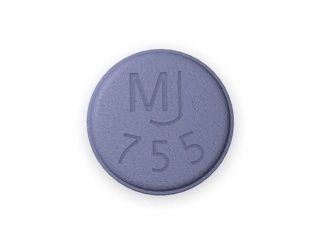


Estrace (Estradiol) — Patient-Friendly Guide (Australia)
Estrace is a brand of estradiol, a form of the naturally occurring female hormone oestrogen. Estrace is used to treat hormone-related symptoms and conditions, most commonly in post-menopausal women and in certain other situations where oestrogen is needed. This guide explains how Estrace works, how it’s used, what to expect, and important safety information—written for an online pharmacy audience in Australia.
Basic product information
- Active ingredient: Estradiol
- Brand: Estrace
- Drug class: Oestrogen (female sex hormone) / Hormone therapy
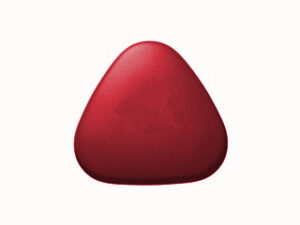
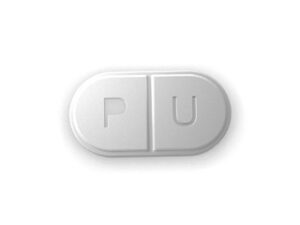
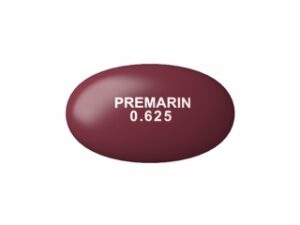
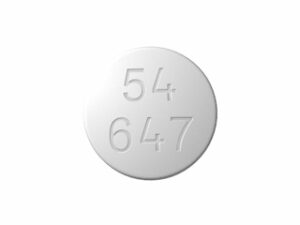
- Common forms: Depending on the product available, estradiol may be supplied as tablets or other presentations. Always check your specific pack.
- Who it’s for: People who require oestrogen therapy based on clinical evaluation.
Note: Product strength, formulation, and dosing schedules can vary. Always follow the instructions on your medicine label and any accompanying consumer medicine information for your specific product.
How Estrace works (mechanism of action)
Estradiol is the primary oestrogen produced in the body. Oestrogen plays key roles in:
- Relieving menopausal symptoms such as hot flushes and night sweats
- Supporting vaginal and urinary tissues (often affected by low oestrogen)
- Maintaining bone density by reducing bone breakdown
- Influencing the cardiovascular system and other hormone-sensitive tissues
In simplified terms, Estrace replaces or supplements oestrogen when natural oestrogen levels are reduced (most commonly during and after menopause). By restoring hormone signalling in target tissues, symptoms and tissue changes may improve.
Pharmacokinetics (how your body handles estradiol)
Pharmacokinetics describes what happens to a medicine after it’s taken. For estradiol, the main points are:
- Absorption: When taken by mouth, estradiol is absorbed from the gastrointestinal tract. Some medicines undergo metabolism during “first pass” processing in the liver.
- Distribution: Estradiol binds to proteins in the blood (including sex hormone–binding globulin) and is distributed to hormone-sensitive tissues.
- Metabolism: Estradiol is mainly metabolised in the liver by enzymatic pathways (notably involving cytochrome P450 enzymes).
- Excretion: Metabolites are cleared primarily through the kidneys and bile, leaving the body over time.
Because estradiol levels can vary between individuals and formulations, it’s common to adjust dose and schedule based on symptom control and safety considerations.
Typical use (what Estrace is used for)
Estrace is used as oestrogen hormone therapy for conditions where oestrogen deficiency is suspected or confirmed. Typical uses may include:
- Moderate to severe menopausal vasomotor symptoms (e.g., hot flushes, night sweats)
- Genitourinary syndrome of menopause (GSM) such as vaginal dryness, discomfort, pain with intercourse, and urinary symptoms
- Prevention of bone loss in selected patients where oestrogen therapy is appropriate
Combination therapy is common: If you have a uterus, many people need progestogen (often called progesterone or a related medicine) in addition to oestrogen to help protect the uterine lining. This depends on your medical history and the specific regimen your clinician recommends.
When to start and timing expectations
Starting Estrace: Estradiol therapy is typically started after careful assessment of benefits and risks. The timing may depend on whether you are perimenopausal, postmenopausal, or using oestrogen for another medical reason.
How soon it may work:
- Hot flushes/night sweats: Some improvement may occur within a few weeks, though full benefit can take longer.
- Vaginal dryness and discomfort: Many people notice improvement within weeks; continued use may improve tissue comfort further.
- Bone health: Bone effects develop slowly over months to years.
Regular use matters: Estrace is usually taken at consistent times. If dosing is missed, follow the instructions for your specific product/plan.
Food interactions
Many oral oestrogen products can be taken with or without food. However, food can influence the absorption rate of some medicines.
Practical guidance:
- Take Estrace at the same time each day to maintain steadier hormone levels.
- If your specific pack recommends taking with food, follow that advice.
- If you experience stomach upset, taking the tablet with food may help—unless your medicine information states otherwise.
What to avoid: There are no universally required dietary restrictions for estradiol. That said, maintaining a balanced diet is beneficial for overall cardiovascular and bone health, especially during hormone therapy.
Alcohol interactions
Moderate alcohol is not always a direct interaction with estradiol, but alcohol can affect:
- Liver function (important because estradiol is metabolised in the liver)
- Blood pressure and overall cardiovascular risk patterns
- Sleep and vasomotor symptoms (some people notice more hot flushes with alcohol)
Patient-friendly approach:
- If you drink alcohol, keep it within Australian guidelines for low-risk drinking.
- If you have liver disease or abnormal liver tests, discuss alcohol use with your healthcare professional.
Medicine interactions (important)
Estradiol can interact with other medicines, mainly through liver enzyme activity and effects on blood clot risk. Some interactions may require dose adjustment or extra monitoring.
Examples of medicine types that may interact with estradiol include:
- Enzyme inducers (can reduce estradiol levels), such as certain anti-epileptics and some tuberculosis medicines.
- Enzyme inhibitors (can increase estradiol levels), such as some antifungals and certain antibiotics.
- Herbal products—especially St John’s wort—which can reduce effectiveness.
- Some anticoagulants/antiplatelet medicines—oestrogen therapy may influence clotting risk and may change how carefully other medicines need monitoring.
- Certain HIV medications and other speciality medicines
Always tell your pharmacist or clinician:
- All medicines you take (including over-the-counter products)
- Supplements and herbal products (e.g., St John’s wort, high-dose vitamins)
- Any new medicines started or stopped
Indications (who Estrace may be used for)
In Australia, oestrogen therapy is used according to clinical guidelines and individual risk assessment. Estrace may be considered for:
- Menopausal hormone therapy to relieve symptoms
- Genitourinary syndrome of menopause (GSM) when oestrogen therapy is appropriate
- Bone protection in carefully selected patients where other options are unsuitable or where oestrogen is an appropriate benefit-risk choice
Important: The need for a progestogen depends on whether you have a uterus. If you do not have a uterus, progestogen may not be needed, depending on your regimen.
Dosing (typical approaches)
Dosing varies widely based on the reason for treatment, your age, symptom severity, medical history, and the specific estradiol formulation.
General principles (not a personal prescription):
- Start low, assess, and adjust: Many regimens aim to use the lowest effective dose for the shortest duration that achieves treatment goals.
- Symptom-led adjustments: Dose or schedule may be adjusted if symptoms improve insufficiently or if side effects occur.
- Uterine protection: If you have a uterus, a progestogen regimen is typically added to help reduce endometrial overgrowth risk.
- Regular review: Hormone therapy should be reviewed periodically to reassess benefits and risks.
How to take Estrace:
- Take at the same time each day (or as directed for your schedule).
- Use the dosing schedule from your product label/plan.
- If you miss a dose, follow the specific guidance provided with your medicine information or ask your pharmacist for advice tailored to your regimen.
Do not change your dose without advice: Sudden changes can affect symptom control and increase side-effect risk.
Safety profile (what to watch for)
Like all medicines, Estrace can cause side effects. Most are mild to moderate, but some symptoms may indicate serious problems. It’s important to know what’s normal and what requires urgent medical attention.
Common side effects
- Mild breast tenderness or swelling
- Headache
- Nausea or bloating
- Mood changes
- Vaginal spotting or changes in bleeding pattern (especially early in therapy)
- Fluid retention (some people notice swelling)
Serious risks (seek urgent help if)
Oestrogen therapy is associated with certain serious risks, which depend on individual factors such as age, dose, duration, and personal medical history.
Get urgent medical attention if you experience:
- Symptoms of blood clots (e.g., sudden shortness of breath, chest pain, coughing blood, painful swelling in one leg)
- Signs of stroke (e.g., sudden weakness/numbness on one side, trouble speaking, severe sudden headache)
- Severe abdominal pain or persistent vomiting
- Yellowing of the skin or eyes (jaundice) or severe worsening fatigue
- Unusual vaginal bleeding that is heavy, persistent, or unexpected
Who should be cautious (risk factors)
Discuss your suitability carefully if you have or have had:
- A history of blood clots or stroke
- Certain hormone-sensitive cancers
- Unexplained vaginal bleeding
- Significant liver disease
- High risk of cardiovascular disease
Your healthcare professional may recommend alternative options, a different formulation (e.g., local therapy for GSM), or additional monitoring.
Practical use tips
- Stick to a routine: Choose a time you can remember daily.
- Track symptoms: Note changes in hot flushes, sleep quality, mood, vaginal comfort, and any bleeding changes.
- Breast awareness: Report new breast lumps, persistent pain, or nipple discharge promptly.
- Watch for side effects: If you feel significantly unwell or develop concerning symptoms, contact a healthcare professional promptly.
- Review regularly: Periodic reassessment helps ensure you remain on the lowest effective dose.
- Consider lifestyle supports: Regular weight-bearing exercise, calcium/vitamin D as advised, smoking cessation, and managing blood pressure and cholesterol can complement therapy.
Alternative options
Depending on your symptoms and health risks, there may be alternatives to Estrace. Your clinician may consider:
- Local (vaginal) oestrogen therapies for GSM, which may reduce systemic exposure compared with oral therapy.
- Non-hormonal options for hot flushes/night sweats (e.g., certain prescription non-oestrogen therapies).
- Non-pharmacological strategies such as layered clothing, cooling techniques, sleep hygiene, and specific behavioural approaches.
- Bone-health treatments (e.g., other medications for osteoporosis) when hormone therapy is not suitable.
Which alternative is best? The choice depends on whether your main issue is hot flushes, vaginal symptoms, urinary symptoms, or bone protection—and on your risk profile.
Market and legal context for Australia
In Australia, medicines containing estradiol are regulated by the Therapeutic Goods Administration (TGA) and are supplied in line with Australian pharmacy and scheduling requirements. Oestrogen therapies may be classified according to intended use and formulation, and availability can differ by product strength and type.
Important consumer notes:
- Check that your product is listed and supplied through legitimate channels.
- Use medicines only as directed and ensure proper labelling.
- If you have questions about suitability, consult your pharmacist or healthcare professional.
Recent guidance (high-level): Australian hormone therapy decision-making generally emphasises:
- Using the lowest effective dose
- Regular review of need and risk
- Careful assessment of individual risk factors (e.g., clot risk, cardiovascular risk, cancer history)
- Considering local therapy for GSM where appropriate
Guidance can evolve, so it’s worth checking the most current information through reputable clinical sources and your healthcare professional.
Delivery and availability (Australia)
Availability of Estrace (estradiol) depends on the specific product presentation and current supply. Online pharmacies in Australia typically provide:
- Product listings showing brand, strength, and pack size
- Estimated dispatch and delivery times for your postcode/region
- Secure payment and order tracking (where available)
Delivery tips:
- Ensure the delivery address is correct, including apartment/unit number.
- Plan for someone to receive the parcel if required.
- Store medicines according to the label instructions once delivered.
If you need help confirming stock or delivery timelines, contact customer support.
Frequently Asked Questions (FAQ)
1) What is Estrace used for?
Estrace (estradiol) is used for hormone-related symptoms and conditions, most commonly menopausal symptoms such as hot flushes and night sweats, and for certain vaginal and urinary symptoms associated with low oestrogen. It may also be used for bone protection in selected patients, depending on clinical assessment.
2) How long does it take to feel better?
Some people notice improvement in hot flushes within weeks. Vaginal symptoms may take several weeks to improve. Bone-related benefits occur more gradually over months to years. The timing varies depending on the dose, formulation, and individual factors.
3) If I have a uterus, do I need another medicine with oestrogen?
Often, yes. Many people with a uterus require a progestogen in addition to oestrogen to help protect the uterine lining. Your regimen depends on your medical history and the specific plan being used.
4) Can I take Estrace with food?
Many patients can take oral estradiol with or without food. If your specific product instructions recommend a particular method (with food or at a certain time), follow those instructions.
5) Are there foods I must avoid?
There are generally no universal food restrictions for estradiol. However, maintaining overall cardiovascular and bone health through a balanced diet is beneficial. If you have a specific medical condition (e.g., liver disease), your clinician may give tailored dietary advice.
6) Does alcohol affect Estrace?
Moderate alcohol is not necessarily a direct interaction, but alcohol can affect liver health and may worsen some menopausal symptoms in some people. If you drink alcohol, keep it low risk and discuss your situation if you have liver problems or other risk factors.
7) What medicines commonly interact with estradiol?
Some medicines can change estradiol levels or influence safety risks, including certain enzyme-inducing or enzyme-inhibiting drugs, and herbal products like St John’s wort. Always tell your pharmacist about all medicines and supplements you use.
8) What side effects are expected?
Common side effects include breast tenderness, headache, nausea, bloating, mood changes, and spotting or changes in bleeding pattern (especially early). If side effects are severe or persist, contact your healthcare professional.
9) When should I seek urgent help?
Seek urgent medical attention for symptoms suggestive of a blood clot (e.g., chest pain, sudden shortness of breath, leg swelling with pain), stroke (sudden weakness, trouble speaking, severe sudden headache), yellowing of skin/eyes (jaundice), or heavy/unusual vaginal bleeding.
10) What if I miss a dose?
Missed-dose advice depends on the specific dosing schedule and product. Check the instructions provided with your medicine or ask your pharmacist for guidance based on how you were instructed to take it.
11) Are there alternatives if oral estradiol isn’t suitable?
Yes. Depending on your symptoms, healthcare professionals may recommend local (vaginal) oestrogen for GSM, non-hormonal options for hot flushes, or other treatments for bone health. The best option depends on your risk profile and goals.
Summary
Estrace (estradiol) is an oestrogen medicine used for hormone-related symptoms and conditions, particularly in menopause. It works by replacing or supplementing oestrogen in body tissues. When used appropriately, it can improve menopausal vasomotor symptoms and help address vaginal and urinary changes. As with all hormone therapies, safety depends on your individual risk factors, the dose, the formulation, and regular review of benefit versus risk.
If you have questions about suitability, interactions, or how to manage side effects, speak with a pharmacist or healthcare professional. Always follow the instructions provided with your specific medicine and pack.
| Topic | Key points |
|---|---|
| Active ingredient | Estradiol (oestrogen) |
| Main uses | Menopausal symptoms, GSM (vaginal/urinary symptoms), selected bone-health needs |
| How it works | Replaces oestrogen signalling to reduce symptoms and support hormone-sensitive tissues |
| Onset of benefit | Hot flushes: often weeks; vaginal symptoms: weeks; bone effects: months to years |
| Food | Often can be taken with or without food; follow your pack instructions |
| Alcohol | Moderation is advisable; alcohol may worsen symptoms in some people and affects liver health |
| Medicine interactions | Some drugs and herbal products can change estradiol levels; disclose all medicines and supplements |
| Safety watch-outs | Seek urgent help for clot/stroke-like symptoms, jaundice, or unusual heavy bleeding |
| Uterus considerations | If you have a uterus, progestogen is often needed alongside oestrogen to protect the lining |