
Grifulvin (Griseofulvin) – Patient Guide (Australia)
Grifulvin is a brand name for griseofulvin, an antifungal medicine used to treat certain fungal infections of the skin, hair, and nails. This guide explains how Grifulvin works, how it’s typically taken, what to expect during treatment, and important safety information. It is written for people in Australia and includes practical tips to help you use the medicine more effectively.
Basic product information
- Generic name: Griseofulvin
- Brand example: Grifulvin
- Medicine type: Antifungal (fungistatic activity)
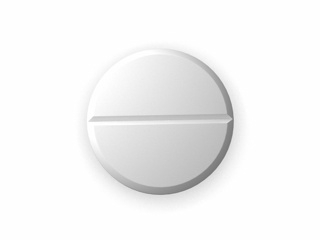
- Common forms: Tablets (strengths vary by product)
- Where it acts: Primarily targets actively growing fungal cells
How Grifulvin works (mechanism of action)
Griseofulvin works by interfering with the way fungi grow and divide. Specifically, it disrupts microtubule formation in fungal cells, which prevents the fungus from multiplying effectively.
Because it affects fungal growth rather than instantly killing existing fungal cells, treatment usually takes weeks to months, depending on where the infection is and how quickly new, healthy tissue grows.
Pharmacokinetics (how the body handles it)
Pharmacokinetics describes how a medicine is absorbed, distributed, metabolised, and eliminated. Understanding this helps explain why food can matter and why treatment needs consistency.
Absorption
Griseofulvin absorption can improve when it is taken with fat-containing food. Food increases drug uptake, which may improve effectiveness—particularly in longer courses used for nail infections.
Distribution
It distributes into tissues where fungi infect, including the skin, hair, and nails. The medicine is particularly relevant for infections because it supports the process of replacing infected keratin structures with new, uninfected tissue.
Metabolism
Griseofulvin is metabolised in the body (primarily via liver enzymes). Metabolism can be affected by other medicines that influence liver enzymes.
Elimination
The drug and its metabolites are eliminated mainly through the kidneys and bile. In many people, standard dosing is used unless there are significant liver or kidney problems.
Typical uses and indications
Grifulvin is used for specific fungal infections where griseofulvin has demonstrated benefit, especially infections involving keratin (skin, hair, nails). Exact suitability depends on the type of fungus, the site of infection, and local medical advice.
Common indications
- Dermatophyte infections (tinea/ringworm infections) affecting the skin, scalp, or body
- Hair shaft infections (e.g., some types of tinea capitis)
- Nail infections (onychomycosis) caused by susceptible dermatophytes, often when topical treatments are insufficient
For other fungal infections (such as some yeasts or non-dermatophyte moulds), alternative antifungals may be more appropriate depending on organism and clinical context.
Dosing: what patients typically need to know
Dosing depends on the infection site, severity, and your body weight, as well as the specific griseofulvin product strength. Your prescriber or treating clinician will determine the most appropriate dose for you.
General principles
- Consistency matters: take doses at regular times.
- Long courses are common for scalp and nail infections.
- Keratin growth drives improvement: nail and scalp/hair improvement often lags behind symptom improvement.
Examples of typical duration (may vary)
| Infection type | Typical treatment duration* | What you may notice |
|---|---|---|
| Skin (tinea corporis/cruris) | Often several weeks | Reduced redness/itching after starting, but full clearing depends on course completion |
| Scalp (tinea capitis) | Often many weeks | It can take time before hair/scalp looks normal; follow-up may be needed |
| Nails (onychomycosis) | Often months | Slow improvement as new nail grows; discoloured nail may persist initially |
*These are general guides only. Your clinician may adjust duration based on response and testing.
When to take Grifulvin (timing)
A common recommendation is to take Grifulvin with food (especially meals with some fat) to improve absorption. Try to:
- Take it at the same times each day.
- Use a consistent routine (e.g., with breakfast and/or evening meal depending on your schedule).
- Continue the full course even if symptoms improve early.
Food interactions and absorption tips
Food can influence how well griseofulvin is absorbed. Taking it with a meal may improve absorption compared with taking it on an empty stomach.
Practical food advice
- Take with a meal or shortly after eating.
- If your prescribed regimen is once daily, take it with your largest or most substantial meal.
- Maintain regular eating patterns during long courses to avoid fluctuating absorption.
Alcohol and medicine interactions
Griseofulvin can be metabolised by the liver, and some people experience side effects that may include dizziness or stomach upset. Alcohol may worsen these effects in some individuals and can increase liver stress.
Alcohol guidance
- Limit or avoid alcohol during treatment if possible.
- If you choose to drink, keep it moderate and monitor how you feel.
- Seek medical advice if you notice unusual fatigue, yellowing of the skin/eyes, dark urine, or severe abdominal pain.
Medicine interactions (important)
Griseofulvin may interact with other medicines, particularly those affecting liver enzymes. This can change griseofulvin levels or the levels of other medicines.
- Hormonal contraceptives: Some antifungal and enzyme-active drugs may reduce effectiveness. Discuss contraceptive reliability with a healthcare professional.
- Warfarin (blood thinning medicine): Interactions may occur and may require closer monitoring of blood tests (e.g., INR).
- Some anti-seizure medicines: Certain medicines can affect how quickly griseofulvin is cleared, potentially changing effectiveness.
- Liver-metabolised medicines: Because griseofulvin is processed in the liver, interactions are possible.
Always provide your pharmacist with a list of medicines you take, including: prescription medicines, over-the-counter medicines, vitamins, herbal products (e.g., St John’s wort), and any topical antifungals you use.
Safety profile: common and serious side effects
Like all medicines, Grifulvin can cause side effects. Many people experience none or only mild effects, but it’s important to know what to watch for—especially during longer treatments.
Common side effects
- Nausea, stomach upset
- Headache
- Dizziness or tiredness
- Skin reactions (mild rash)
- Sensitivity to sunlight in some people
Serious side effects (seek urgent medical advice)
- Signs of liver problems: yellow eyes/skin (jaundice), dark urine, severe fatigue, persistent vomiting, upper abdominal pain
- Severe allergic reaction: swelling of face/lips, breathing difficulty, widespread rash with blistering or peeling
- Blood problems (rare): unusual bruising, persistent sore throat, fever, or infections
- Severe skin reactions (rare): painful rash, blisters, or skin peeling
Who should be extra cautious
- People with liver disease
- People with a history of drug allergies
- People taking multiple medicines with potential interactions
- Pregnancy and breastfeeding: discuss suitability and risks with a healthcare professional
If you develop concerning symptoms, stop taking the medicine and seek medical advice promptly (unless your clinician instructs otherwise).
Practical use tips for better outcomes
- Finish the full course: improvement may be gradual, especially for nail or scalp infections.
- Don’t share towels and keep items like combs, hats, and bedding clean if treating scalp infections.
- Maintain skin hygiene: keep affected areas clean and dry unless your clinician advises otherwise.
- Use topical treatments as advised: for some infections, combining oral and topical therapy can reduce spread or improve clearing.
- Sun protection: consider sunscreen and protective clothing if you notice increased sensitivity.
- Take with food: helps absorption for many people.
- Track progress: take photos (weekly) and note symptoms—this can help with follow-up decisions.
What to expect during treatment
When you start Grifulvin, symptoms like itch and redness may improve before the infection is fully cleared. For nail and scalp infections, the visible changes can lag because the fungus is embedded in keratin structures and recovery depends on new growth.
- First 1–2 weeks: some symptom improvement is common for skin infections.
- By several weeks: scalp/hair shedding or scaling may gradually decrease.
- Several months (nails): new nail growth replaces infected nail over time.
If there is no improvement after an appropriate period, the diagnosis may need review, or the fungus may be resistant/non-susceptible. Follow up with your clinician.
Alternative options
The best alternative depends on the infection type, the causative fungus, site affected, and your medical history. Your clinician may choose different antifungals or treatment strategies.
Common alternatives for dermatophyte infections
- Terbinafine (often used for some dermatophyte infections; dosing schedules vary)
- Itraconazole (commonly used for nail infections in specific regimens)
- Fluconazole (selected situations depending on organism and site)
- Topical antifungals (e.g., creams, gels, shampoos for certain skin/scalp infections)
Reasons a clinician may choose alternatives include: faster response in some cases, better tolerance for individual patients, different drug interaction profiles, or specific fungal species and location.
Market and legal context in Australia
Medicines used to treat fungal infections may be accessed under different schemes depending on the product, strengths, and clinical circumstances. In Australia, antifungal medicines can be supplied through community pharmacies and public health services where applicable.
Some medicines are listed on Australian reimbursement/benefit programs under specific criteria. Availability and requirements may vary and can change over time. Your pharmacist can explain current access options, including alternatives if a product is temporarily unavailable.
For authenticity and safety, ensure you receive medicines from legitimate Australian supply channels. If you are prescribed or advised to use an oral antifungal, take it as directed and do not substitute brands without confirming equivalent dosing with your pharmacist.
Recent guidance and clinical considerations (general)
While treatment recommendations can evolve, common themes in antifungal care include:
- Confirming the diagnosis where possible (especially for nail or scalp infections)
- Assessing organism susceptibility if treatment fails
- Reviewing medicine interactions before starting therapy
- Monitoring for safety in longer courses (particularly liver-related symptoms and drug reactions)
- Improving adherence using practical routines (food timing, reminders, completing the full course)
Delivery and availability (online pharmacy guidance)
Availability may vary by brand and strength. When ordering online in Australia, you may find:
- In-stock delivery: many pharmacies dispatch within 1–2 business days (timelines vary by provider)
- Back-order situations: if a product is not immediately available, your pharmacy may be able to obtain it from suppliers or suggest an alternative
- Substitutions: substitutions should be equivalent in dose form and strength and meet clinical requirements
If you need the medicine for an ongoing course, check with the pharmacy about dispatch cut-off times and delivery estimates to avoid interruptions.
FAQ – Grifulvin (Griseofulvin)
1) How long does it take for Grifulvin to work?
Skin infections may start improving within days to a couple of weeks, but full clearance can take several weeks. Scalp and nail infections usually take longer because recovery depends on new hair/nail growth.
2) Should I stop taking Grifulvin once I feel better?
No. Complete the full course as advised by your clinician. Stopping early increases the chance of the infection returning.
3) What should I do if I miss a dose?
If you miss a dose, take it when you remember unless it’s close to the next dose. Do not double up. If you’re unsure, ask your pharmacist for guidance based on your dosing schedule.
4) Can I take Grifulvin on an empty stomach?
Food can improve absorption for many people. For best results, take it with a meal (especially one with some fat) unless your clinician or pharmacist advises otherwise.
5) Are there foods I should avoid?
There are no universal dietary “avoidances,” but consistent meal timing is helpful. If you have nausea, taking the dose with food may reduce stomach upset.
6) Is it safe to drink alcohol while taking Grifulvin?
It’s generally best to limit alcohol during treatment. If you notice side effects such as fatigue, dizziness, or stomach upset—or if you have any liver-related symptoms—seek medical advice promptly.
7) Will Grifulvin interact with my other medicines?
Possibly. Interactions may occur with medicines processed by the liver and with some medicines that affect blood clotting, hormones, seizures, or other antifungals. Tell your pharmacist about all medicines and supplements you use.
8) Can I use topical antifungal products at the same time?
Often yes, depending on the infection. Topicals may be recommended alongside oral treatment for improved clearance and to reduce spread. Ask your pharmacist or clinician for a combined plan.
9) What if my infection doesn’t improve?
Failure to improve may mean the diagnosis is incorrect, the fungus is resistant, or treatment is not being absorbed effectively. Arrange follow-up with your clinician; they may recommend tests or adjust therapy.
10) Are there any signs that I should seek urgent help?
Yes. Seek urgent medical advice for symptoms such as jaundice (yellow eyes/skin), dark urine, severe abdominal pain, widespread blistering rash, trouble breathing, swelling of the face/lips, or severe weakness.
Summary
Grifulvin (griseofulvin) is an oral antifungal medicine used for specific fungal infections of the skin, scalp, hair, and nails. It works by interfering with fungal cell growth, and because it targets actively growing fungi, treatment often takes weeks to months. Absorption can improve when taken with food, and adherence to regular dosing is important. As with all medicines, be aware of potential side effects and interactions—especially with other medicines and in people with liver conditions.
If you have questions about your specific infection, dosing schedule, or interactions with your current medicines, your pharmacist can help you make sure Grifulvin is being used safely and effectively.