
Acyclovir Cream 5% (Acyclovir) — Patient Information (Australia)
Acyclovir cream 5% is a topical antiviral medicine used to help treat certain viral skin infections caused by the herpes family of viruses. It is commonly used for cold sores (herpes labialis) and may also be used for other localised herpes outbreaks as advised by a healthcare professional.
This guide explains how acyclovir cream works, how to use it properly, what to expect, and important safety information for people in Australia.
Basic product information
- Medicine name: Acyclovir cream
- Strength: 5%
- Active ingredient: Acyclovir
- Form: Cream for external use on the skin
- Therapeutic class: Antiviral (nucleoside analogue)
- Common uses in Australia: Cold sores (herpes labialis), and other herpes-related skin lesions when suitable
Note: Brand names can vary. Always check the pack label for specific instructions and ingredients.
What is a cold sore and how does acyclovir help?
Cold sores are caused by herpes simplex virus (HSV), usually HSV-1. After the virus reactivates (often triggered by stress, sunlight, illness, or fatigue), it can cause painful blisters around the lips and mouth area. Acyclovir cream helps reduce viral activity in the skin, which may help the sore heal faster and reduce severity when started early.
How acyclovir works (mechanism of action)
Acyclovir is a nucleoside analogue. The antiviral effect occurs primarily inside infected cells:
- Selective activation: HSV-infected cells convert acyclovir into its active form (acyclovir triphosphate) through viral enzymes.
- Blocks viral DNA replication: The active form interferes with viral DNA synthesis.
- Helps stop virus spread locally: By slowing replication, it can reduce the number and duration of active lesions.
Key point: For topical medicines, effectiveness is often greatest when you begin treatment at the earliest sign of a cold sore (tingling, itching, burning, or the first blister).
Pharmacokinetics (absorption, distribution, metabolism, excretion)
Because acyclovir cream is applied to the skin, only a small amount is usually absorbed into the bloodstream under typical use. The majority of the medicine acts locally in the skin.
Typical absorption
- Topical delivery: Absorption through intact skin is limited.
- Absorption may increase: When applied to areas with broken skin or active lesions, absorption may be slightly higher.
Metabolism and elimination
- Excretion: Acyclovir that enters the bloodstream is primarily eliminated by the kidneys via urine.
- Systemic exposure: Levels are generally low compared with oral antiviral medicines.
If you have kidney problems, it is still important to follow correct directions and consult a healthcare professional if you have concerns, especially if using the cream repeatedly or over large areas.
Indications (what it’s used for)
Acyclovir cream 5% is used for herpes virus infections affecting the skin, most commonly:
- Cold sores (herpes labialis) — at or around the lips
- Other localised herpes lesions when the product is appropriate for that site and severity, as advised
Do not use acyclovir cream for:
- Eye infections (unless specifically directed with an appropriate eye formulation)
- Inside the mouth (unless your clinician directs otherwise)
- Genital herpes (topical treatments may be used in some circumstances, but suitability and product choice depend on the site and severity—seek advice)
Typical timing and how soon should you start?
Timing is crucial for topical antivirals.
- Start early: Begin treatment as soon as you notice tingling, itching, burning, or the first sign of a cold sore.
- Avoid waiting: Starting later (after extensive blistering or scabbing) may reduce benefit.
- Continue as directed: Keep using for the full recommended number of days even if you feel better.
If your cold sore does not improve or is worsening after several days of correct use, seek medical advice.
Dosing and directions for use (adult and child guidance)
Follow the instructions on the pack or those given by a healthcare professional. Doses can differ by age group and the location of the lesions.
General adult dosing (typical approach)
- Apply: A thin layer of cream to the affected area.
- Frequency: Often multiple times per day (commonly 5 times daily, depending on local product instructions).
- Duration: Usually for 4 days for cold sores; some product directions may allow up to 5 days depending on response.
Children
Children may be eligible to use acyclovir cream depending on age and indication. Always check the product label for age guidance or consult a pharmacist/doctor for advice.
Practical application steps
- Wash your hands before and after applying.
- Clean the area gently with water and pat dry (avoid rubbing).
- Apply the cream thinly to cover the lesion and a small margin around it.
- Use a finger glove or clean cotton bud if you want to avoid contamination.
- Do not wrap tightly or cover with occlusive dressings unless advised.
Avoid contact with eyes and inside the nose/mouth.
Food interactions
Food interactions are not expected to be clinically relevant for topical acyclovir cream, because systemic absorption is low. You can generally take normal meals and drinks as usual.
Alcohol interactions
There are typically no direct interactions between alcohol and acyclovir cream because the medicine is applied to the skin and systemic levels are low.
- However, alcohol can sometimes worsen dehydration or trigger cold sores in some people due to individual sensitivity.
- Alcohol may also increase irritation around the mouth area—avoid applying cream immediately after drinking if the skin is irritated.
Medicine interactions (topical considerations)
Because acyclovir cream has limited absorption, drug interactions are uncommon. Still, tell your pharmacist or doctor about all medicines you use, especially:
- Other topical products applied to the same area (e.g., antiseptics, steroids, cosmetics)
- Medicines that may affect immunity
- Medications for kidney disease (if relevant)
Practical tip: Avoid applying multiple creams at the same time to the same spot. If you use other products, separate application times when possible and follow package instructions.
Safety profile and side effects
Most people tolerate acyclovir cream well. As with any medicine, side effects can occur. If you experience severe reactions, stop use and seek urgent medical advice.
Common local side effects
- Mild burning, stinging, or tingling where applied
- Dryness or mild skin irritation
- Redness
Less common or serious reactions (seek advice)
- Allergic reactions such as swelling of the face/lips, widespread rash, or difficulty breathing
- Severe irritation, blistering, or worsening pain at the application site
Who should take extra care?
- People with a history of allergies to any ingredient in the cream
- Those with kidney disease (seek advice if using repeatedly or over large areas)
- Pregnant or breastfeeding individuals should consult a healthcare professional for personalised advice
If you’re pregnant, trying to conceive, or breastfeeding, the risk/benefit balance should be discussed, even though topical use usually results in low systemic exposure.
Practical use tips for best results
- Use at first symptoms: Tingling and early redness are your cue.
- Keep it thin and even: Thick applications don’t necessarily improve results.
- Don’t pick or peel scabs: This can delay healing and increase infection risk.
- Avoid spreading the virus: Don’t touch the sore. Wash hands frequently.
- Separate personal items: Avoid sharing lip balm, utensils, towels, or razors.
- Consider sun protection: For recurring cold sores, lip balms with sun protection can help prevent triggers.
When to stop and seek medical attention:
- If the sore becomes very painful, spreads rapidly, or you develop fever
- If symptoms do not improve after the recommended treatment period
- If you have frequent outbreaks or outbreaks elsewhere on the body
- If you have weakened immunity (e.g., certain medical conditions or treatments)
Alternative options (if you cannot use acyclovir cream)
Depending on your symptoms and medical history, alternatives may include:
- Other antiviral treatments: Some patients may be advised different topical antivirals or oral antivirals for more severe or frequent outbreaks.
- Supportive care: Pain relief (such as paracetamol/ibuprofen if suitable), gentle cleansing, and protective barrier products may ease discomfort and help healing.
- Preventive strategies: For recurrent outbreaks, clinicians may discuss preventive approaches, lifestyle changes, and specific preventive medicines in some cases.
Important: For cold sores, early antiviral treatment is typically more effective. If outbreaks are frequent (e.g., many times per year), speaking to a pharmacist or doctor may help you find the best long-term approach.
Delivery and availability in Australia
In Australia, acyclovir cream 5% is widely available through pharmacies and some online pharmacy services. Availability may vary by brand and supplier.
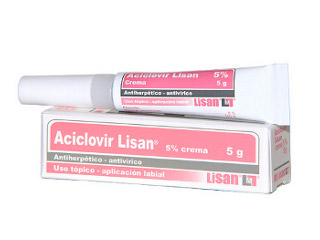
- Packaging: Supplied as a cream in a tube or similar container.
- Delivery: Online orders are typically delivered by standard or express post depending on the retailer’s options.
- Cold chain: Usually not required for this product under standard storage conditions.
Storage: Store as directed on the pack (commonly at room temperature, away from heat and direct sunlight). Keep out of reach of children.
Market and legal context for Australia (general overview)
Australia regulates medicines through the Australian Register of Therapeutic Goods (ARTG) and the Therapeutic Goods Administration (TGA). Products available to consumers may fall under different supply categories (for example, pharmacy-only or general sale) depending on their formulation, strength, and intended use.
Online pharmacies must comply with Australian advertising and supply rules, including providing accurate product information and meeting consumer safety requirements.
Always check the product label and the retailer’s listing for category, age guidance, and specific directions.
Recent guidance and public health considerations
While product labels and clinical guidance evolve, the overall approach for cold sore management is consistent:
- Early treatment matters: Start antiviral topical treatment at the first sign of an outbreak.
- Infection control: Reduce transmission by avoiding kissing and sharing items during outbreaks.
- Assess severity and frequency: Frequent recurrences may require a different strategy than single-episode topical treatment.
If you have recurrent outbreaks, significant pain, eye involvement, or complications, seek timely professional advice.
FAQ — Acyclovir cream 5% (Australia)
1) When should I apply acyclovir cream?
Apply it as soon as you notice the earliest warning signs of a cold sore—such as tingling, itching, burning, or redness. Early use provides the best chance of reducing healing time and severity.
2) How many times a day do I use it?
Follow the pack instructions. Many acyclovir cream regimens for cold sores are used multiple times daily (often around five times per day) for a short course. Always check the specific directions on the product you receive.
3) Can I use makeup or lip products on top of it?
It’s best to avoid applying cosmetics directly over the lesion. If you use lip products, apply them carefully and only after the cream has been absorbed (and ensure you don’t trap moisture or irritate the sore). If in doubt, ask a pharmacist.
4) Will acyclovir cream stop the cold sore virus from spreading?
It can reduce viral replication locally, but it does not eliminate contagiousness immediately. During an outbreak, you should still take precautions—avoid kissing and sharing utensils/lip balm until healed.
5) Can I use it if my skin is already broken or blistered?
Topical acyclovir is designed to be used on affected lesions. Mild burning or stinging can occur. Follow the directions and stop if irritation becomes severe or you suspect an allergy.
6) How long should I use it?
Typically for a short course as directed on the pack (often about 4 days for cold sores). If there’s no improvement or symptoms worsen, seek medical advice.
7) Can I use it for genital herpes?
The most commonly discussed use is cold sores. Treatment for genital herpes depends on the specific diagnosis and severity. Ask a pharmacist or clinician for appropriate options.
8) Is it safe for children?
Children may use acyclovir cream depending on the product’s age guidance and the indication. Check the label or speak to a pharmacist for advice.
9) What if I swallow the cream by accident?
Accidental small amounts on the lips are unlikely to cause major harm, but avoid swallowing larger quantities. If a significant amount is swallowed or a child ingests the cream, contact Poisons Information (Australia) on 13 11 26 or seek medical advice.
10) Does food affect acyclovir cream?
No. Food interactions are not expected to be relevant for topical acyclovir cream.
11) Can I drink alcohol while using it?
Direct interactions are not expected. However, alcohol may trigger outbreaks in some people or irritate the area. Use discretion and ensure good hydration.
12) What should I do if I miss a dose?
Apply it when you remember unless it’s close to the next scheduled dose. Don’t apply extra cream to make up for a missed application.
Quick reference table: How to use acyclovir cream 5%
| Topic | What to do |
|---|---|
| Best time to start | At the first tingling/itching/burning or earliest sign of a cold sore |
| How much | Thin layer covering the lesion and a small surrounding area |
| How often | Follow the pack instructions (commonly multiple times per day for a short course) |
| How long | Typically several days as directed; seek advice if not improving |
| Hygiene | Wash hands before/after; avoid sharing towels or lip products |
| Avoid | Contact with eyes and inside mouth/nose unless specifically directed |
Summary
Acyclovir cream 5% is an antiviral cream used for herpes-related skin outbreaks, most often cold sores. It works by targeting viral replication in infected cells and is most effective when started early. When used correctly—thinly, regularly, and for the full course—it may help cold sores heal faster and feel less severe.
If you’re unsure whether acyclovir cream is suitable for your symptoms, have frequent recurrences, or experience complications, speak with a pharmacist or healthcare professional for guidance.