
Rebetol (Ribavirin) — Patient-Friendly Medicine Information (Australia)
Rebetol is a brand of ribavirin, an antiviral medicine used in the treatment of certain viral infections, most notably chronic hepatitis C (and in some historical regimens, combination treatments involving interferon). This page explains what ribavirin does, how it works in the body, how it is typically used, what to expect when taking it, and important safety considerations.
Always follow the guidance of your treating clinician and the product information provided with your medicine. If you have any questions about suitability, side effects, or dosing, seek medical advice.
Basic Product Information
| Item | Details |
|---|---|
| Brand name | Rebetol |
| Generic name | Ribavirin |
| Medicine type | Antiviral (nucleoside analogue) |
| Common clinical use | Part of combination therapy for chronic hepatitis C in selected regimens |
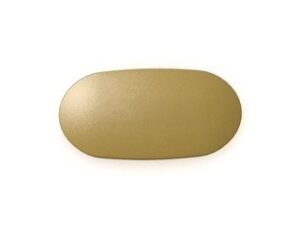
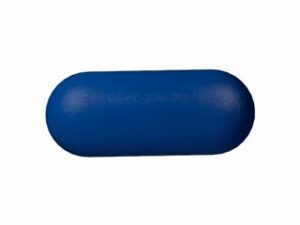
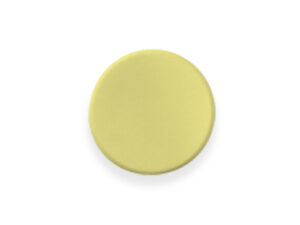
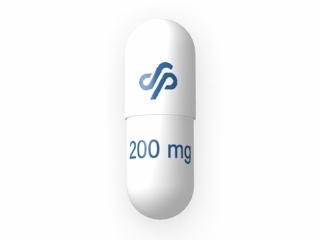
| Formulations | Typically oral capsules or oral tablets (availability may vary) |
| How it is supplied | Supplied through pharmacy channels in accordance with Australian requirements |
How Rebetol (Ribavirin) Works (Mechanism of Action)
Ribavirin is an antiviral medicine that interferes with viral replication. While the exact process is complex, it is believed to act through several mechanisms, including:
- Inhibiting viral RNA/DNA synthesis: Ribavirin is taken up into cells and can interfere with viral nucleoside pathways, reducing the ability of the virus to multiply.
- Altering viral replication fidelity: It may cause the virus to make errors during replication, which can reduce viral fitness.
- Immune modulation: In combination regimens, ribavirin may enhance antiviral effects of other medicines by influencing immune responses.
Ribavirin is most effective when used as part of an appropriate treatment regimen for the specific virus and patient profile. It is rarely used alone.
Pharmacokinetics (How the Body Handles Ribavirin)
Pharmacokinetics describes how a medicine is absorbed, distributed, metabolised, and eliminated. Understanding these factors can help explain dosing schedules and why certain safety precautions are important.
Absorption
Ribavirin is absorbed after oral dosing. Food can affect the rate and extent of absorption, which is why taking it with meals is commonly recommended (see Food Interactions section below).
Distribution
Ribavirin distributes widely into tissues, including red blood cells. It can take time for levels in the body to stabilise.
Metabolism
Ribavirin is metabolised through pathways involving phosphorylation and other biochemical transformations. In general, it is cleared through a combination of metabolic processes and excretion.
Elimination and “long tail”
Ribavirin has a long elimination half-life and can remain in the body for an extended period after stopping. This helps explain why contraception and careful pregnancy planning remain important even after treatment ends.
Typical Use and Indications in Practice
Ribavirin has been used as part of combination treatment for chronic hepatitis C. Specific regimens and eligibility depend on your hepatitis C genotype, liver disease stage, prior treatment history, and other clinical factors.
In Australia and internationally, treatment options for hepatitis C have evolved over time. Current practice may use direct-acting antivirals (DAAs) with or without ribavirin depending on the clinical scenario. Your treating clinician will determine whether ribavirin is needed and for how long.
Key Indications
- Chronic hepatitis C (in selected combination regimens, depending on genotype and other factors)
- Certain historical regimens combined ribavirin with other antivirals or interferon-based therapy; the exact approach varies by patient and era of treatment
When to Take Rebetol (Timing and How to Use It)
Timing can influence absorption and reduce side effects. A common approach is to take ribavirin with food and to space doses evenly through the day.
General timing guidance
- Take ribavirin at the times prescribed for your regimen.
- If it is prescribed twice daily, aim for an approximately 12-hour interval between doses.
- Take capsules/tablets with meals or shortly after starting a meal (see Food Interactions).
- Try not to miss doses. If you do, follow the advice provided with your medicine and/or your clinician.
If you miss a dose
Missing doses can reduce treatment effectiveness. If you miss a dose:
- Take it when you remember if it is close to the next dose time, but do not double.
- When in doubt, seek advice from your pharmacist.
Food Interactions (What You Can Eat and How It Affects Ribavirin)
Food can change how ribavirin is absorbed from the gut. For that reason, ribavirin is generally recommended to be taken with food.
Practical tips
- Take with a meal (breakfast and/or dinner depending on your schedule).
- Be consistent: try to take it the same way each day.
- If you have nausea, smaller meals may help; ask your pharmacist for strategies.
There are no “foods to avoid” that apply to all patients, but your clinician may advise dietary measures if you have liver disease, anaemia, or other conditions.
Alcohol and Medicine Interactions
Alcohol
Alcohol can worsen liver health. If you are being treated for hepatitis C or have liver disease, it is strongly recommended to avoid alcohol or use it only under clinician guidance.
- Alcohol may increase stress on the liver and make side effects harder to manage.
- Combining alcohol with other medicines can also increase the chance of side effects.
Medicine interactions (general principles)
Ribavirin may interact with certain medicines. Interactions can affect drug levels, increase toxicity, or reduce effectiveness.
Tell your pharmacist or clinician about all medicines you take, including:
- Prescription medicines
- Over-the-counter medicines
- Herbal products and supplements
- Antacids and acid-reducing medicines
- Any previous hepatitis C medicines you have used
Notable categories to discuss
- Medicines that affect blood formation or anaemia: ribavirin can cause anaemia; other drugs that also lower blood counts may add risk.
- Antiviral regimens: the overall regimen (including other hepatitis C medicines) matters, and dose adjustments may be needed.
- Immunosuppressants or chemotherapy: may require specialist review.
- Renal impairment medicines: because ribavirin clearance depends on kidney function.
Your healthcare team can check interaction risk based on your full medication list and kidney function.
Dosing (General Approach)
Ribavirin dosing depends on the specific treatment regimen and patient factors such as: weight, kidney function, haemoglobin levels, and tolerability. Your clinician will set the dose for you.
Common dosing considerations
- Weight-based dosing: in many hepatitis C regimens, dose is calculated based on body weight.
- Kidney function matters: if kidney function is reduced, ribavirin levels can build up. Dose changes may be required.
- Haemoglobin monitoring: anaemia risk may require dose reduction or treatment interruption.
Adherence and dose changes
Do not change your dose without medical advice. If side effects occur, your clinician may:
- Reduce dose
- Temporarily pause treatment
- Adjust the regimen to improve safety and tolerability
Routine blood tests are a key part of safe use, especially for anaemia and liver-related monitoring.
Safety Profile (What to Watch For)
Ribavirin can cause side effects. Some are mild, while others require prompt medical attention. The most important safety concerns include anaemia and pregnancy risks.
Common side effects
- Fatigue or tiredness
- Headache
- Nausea, reduced appetite
- Insomnia or changes in sleep
- Shortness of breath (may be related to anaemia)
- Rash or skin reactions (varies by regimen)
Serious risks — seek medical advice promptly
- Anaemia (low red blood cells): symptoms may include unusual tiredness, dizziness, palpitations, pale skin, or shortness of breath. Blood tests are used to monitor this.
- Pregnancy and foetal harm: ribavirin can be harmful to an unborn baby. Effective contraception is essential during treatment and for a period after stopping (see Pregnancy, Contraception and Fertility below).
- Severe allergic reactions: swelling of face/lips, difficulty breathing, widespread rash—seek emergency care.
- Worsening depression or mood changes: if you notice severe mood changes, anxiety, or thoughts of self-harm, get urgent help.
Pregnancy, Contraception and Fertility
Ribavirin is associated with a high risk of causing serious birth defects if taken during pregnancy. It is essential that individuals who can become pregnant and their partners use reliable contraception.
- Do not start ribavirin if pregnancy is present.
- Effective contraception is typically required during treatment and for a period after treatment ends, because ribavirin remains in the body for a long time.
- Discuss contraception timing and testing with your clinician.
If you are planning pregnancy, ask your clinician well in advance before starting or restarting treatment.
Practical Use Tips (How to Get the Best Results Safely)
- Use a medication plan: take your doses at consistent times and consider a pill organiser.
- Keep up with blood tests: monitoring helps catch anaemia and other issues early.
- Hydrate and eat regularly: small frequent meals can help if appetite is reduced.
- Report symptoms early: don’t wait if you develop shortness of breath, significant dizziness, or severe fatigue.
- Avoid alcohol: helps support liver health during treatment.
- Don’t stop suddenly without guidance: interruptions may reduce effectiveness; your clinician can advise on adjustments.
Alternative Options
For hepatitis C, modern treatment often involves direct-acting antivirals (DAAs), which may be used without ribavirin depending on the patient’s circumstances. Alternative options may include combinations of DAAs selected based on genotype, resistance patterns, liver function, and previous treatment history.
In some cases, clinicians may choose a regimen that excludes ribavirin to reduce the risk of anaemia and other side effects. The “best” option depends on your specific condition and medical history.
What to discuss with your clinician
- Your hepatitis C genotype and stage of liver disease
- Previous treatment outcomes
- Kidney function and risk of anaemia
- Drug–drug interaction checks for your current medicines
Rebetol in the Australian Market: Legal and Clinical Context
In Australia, medicines must be supplied in line with regulatory requirements and patient safety standards. Ribavirin-containing products are used under appropriate clinical supervision as part of hepatitis C management. Availability may vary by formulation and supplier.
Treatment pathways for hepatitis C are guided by Australian clinical practice and health authority recommendations, which have progressively incorporated newer antiviral therapies and updated protocols.
Recent guidance (high-level)
- Australian guidance for hepatitis C has generally shifted toward shorter, interferon-free and direct-acting antiviral regimens.
- Ribavirin may still be considered in selected clinical scenarios where clinicians judge it beneficial. This decision depends on virological factors and patient-specific tolerability.
- Monitoring and safety precautions, especially regarding anaemia and pregnancy risks, remain essential.
Your prescriber will use current recommendations and available evidence to decide whether ribavirin is appropriate for you.
Delivery, Availability and Ordering (Online Pharmacy Information)
Availability of Rebetol (ribavirin) may depend on supply chain conditions and the specific formulation. If an item is temporarily unavailable, our pharmacy team may be able to advise on:
- Expected restock dates
- Comparable alternatives (where clinically appropriate)
- Ordering options that minimise delays
Delivery expectations
- Delivery timeframes vary by location and courier service.
- Orders are typically dispatched after verification processes required by Australian regulations are completed.
- Cold-chain is generally not required for ribavirin tablets/capsules, but always store the medicine as directed on the label.
If you need urgent guidance about whether you should continue treatment while waiting for supply, contact your pharmacist promptly.
Storage and Handling
- Store at the temperature indicated on the product label (often below 25°C, but confirm for your specific pack).
- Keep in the original container to protect from moisture and light.
- Keep out of reach of children.
- Do not use after the expiry date on the packaging.
Frequently Asked Questions (FAQ)
1) What is Rebetol used for?
Rebetol contains ribavirin. It has been used as part of combination therapy for chronic hepatitis C in selected regimens. Whether it is appropriate for you depends on your clinical profile and the overall treatment plan.
2) How long does ribavirin stay in the body?
Ribavirin has a long elimination phase, so it can remain in the body for an extended period after treatment stops. This is one reason contraception and pregnancy precautions are important well beyond the final dose.
3) Should I take it with food?
Yes—ribavirin is commonly recommended to be taken with food to support consistent absorption and tolerability. Follow your clinician’s instructions for your specific regimen.
4) What are the most common side effects?
Common side effects can include fatigue, headache, nausea, and sleep changes. Some effects may relate to anaemia, so monitoring is important.
5) Why do I need regular blood tests?
Ribavirin can affect blood counts, especially by causing or worsening anaemia. Blood tests help your healthcare team adjust treatment safely and identify problems early.
6) Can I drink alcohol while taking Rebetol?
It’s strongly recommended to avoid alcohol if you have liver disease or are being treated for hepatitis C, because alcohol can worsen liver health and may complicate side effects. Ask your clinician for personalised advice.
7) Are there medicines I must avoid?
Many medicines can interact indirectly (for example, those affecting blood counts or kidney function). It’s essential to provide your pharmacist with a full list of medicines, supplements and herbal products.
8) What should I do if I feel very unwell?
If you experience severe shortness of breath, chest pain, fainting, a sudden rash, facial swelling, or symptoms of severe mood changes, seek urgent medical help. For less severe concerns, contact your pharmacist or clinician promptly.
9) Can I stop taking ribavirin if I start feeling better?
Do not stop early unless your clinician instructs you to. Stopping can reduce treatment effectiveness. If side effects occur, your clinician may adjust dose or manage symptoms rather than stopping completely.
10) Are there alternatives to ribavirin?
Yes. For hepatitis C, there may be treatment options that use newer direct-acting antivirals, often without ribavirin depending on the situation. Your clinician can advise on the best alternatives for your condition.
Important Reminder
This information is intended to help you understand Rebetol (ribavirin) and its general use. It does not replace medical advice. Because hepatitis C and individual health circumstances vary, always follow the plan tailored to you by your healthcare professional.