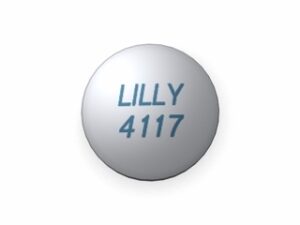
Effexor XR (Venlafaxine) — Patient Guide (Australia)
Effexor XR is a brand of venlafaxine in an extended-release (XR) form. It is used to treat several mental health conditions, most commonly depression and generalised anxiety. This guide explains how Effexor XR works, how it is taken, what to expect, safety considerations, and practical tips to help you use your medicine more confidently.
Note: Medicines affect people differently. Always follow the instructions provided with your medicine and consult a healthcare professional if you have questions about your specific situation.
Quick Product Information
- Medicine name: Effexor XR (extended-release)
- Active ingredient: Venlafaxine
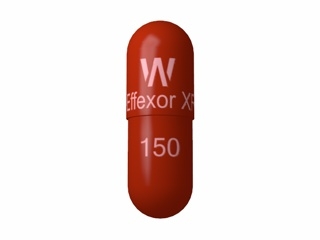
- Form: Capsules or tablets (XR/extended-release formulation)
- Typical dosing schedule: Usually once daily (timing varies by prescriber)
- Therapeutic use: Depression; anxiety disorders; other authorised indications depending on Australian approvals
- Key characteristic: Extended-release formulation helps maintain more even drug levels throughout the day
How Effexor XR Works (Mechanism of Action)
Venlafaxine belongs to a class of medicines known as serotonin–norepinephrine reuptake inhibitors (SNRIs).
In the brain and nervous system, certain chemicals (neurotransmitters) help regulate mood, anxiety, sleep, and stress responses. Two important neurotransmitters are:
- Serotonin (5-HT)
- Norepinephrine (noradrenaline, NE)
Effexor XR increases levels of serotonin and norepinephrine by blocking their reuptake (reabsorption) into nerve cells. Over time, this can improve symptoms of:
- Low mood and loss of interest (depression)
- Excessive worry and anxiety (generalised anxiety symptoms)
- Other related emotional and physical anxiety features
While many people notice some changes early, full benefits often take several weeks, because the brain requires time to adapt to changed neurotransmitter signalling.
Pharmacokinetics (How the Body Handles It)
Pharmacokinetics describes how the medicine is absorbed, distributed, metabolised, and eliminated.
Absorption and extended release
- Effexor XR is designed to release venlafaxine gradually.
- This typically supports once-daily dosing and smoother drug levels.
Metabolism
- Venlafaxine is metabolised primarily in the liver.
- A major active metabolite is O-desmethylvenlafaxine (often referred to as ODV).
Onset and steady state
- Symptom improvement may begin in the first one to two weeks for some people.
- Steady-state levels (when the body reaches a more stable average concentration) typically occur after several days to about a couple of weeks, depending on dosing and individual factors.
- Full clinical response usually requires more time (often 4–6 weeks or longer).
Elimination
- The medicine and its metabolites are cleared mainly via the kidneys (urine).
- People with significant kidney or liver impairment may require dose adjustments.
Typical Use and Indications
In Australia, venlafaxine XR is used for authorised conditions, commonly including:
- Depressive disorders (major depressive episodes)
- Generalised anxiety disorder (GAD) and other anxiety-related conditions depending on local prescribing guidance
Some people also experience relief of physical anxiety symptoms (such as restlessness, tension, and disturbed sleep) when treatment is effective.
Important: Indications depend on product authorisation and clinical assessment. Your healthcare professional can confirm what it is appropriate for you.
When to Take Effexor XR (Timing and Routine)
Effexor XR is generally taken once daily.
- Consistency matters: Take it at about the same time each day.
- Time of day: Some people prefer morning dosing (especially if it causes mild stimulation), while others prefer evening dosing (if it suits their routine). Choose the time that works best with how you feel.
- With or without food: It can usually be taken with food if it helps reduce stomach upset, but it’s not mandatory.
If you miss a dose:
- Take it when you remember if it is close to your next dose.
- If it is almost time for the next dose, skip the missed dose.
- Do not double up to make up for a missed capsule.
If you miss multiple doses or are unsure what to do, contact a healthcare professional or pharmacist.
Dosing Overview (General Principles)
Dosing is individualised based on your diagnosis, response, tolerability, age, and other medicines. Below is a general overview of how dosing is commonly approached.
Starting dose and titration
- Clinicians often start at a lower dose to reduce side effects.
- The dose may be increased gradually at intervals (for example every 1–2 weeks), depending on response and tolerability.
Maintenance
- After improvement, a stable effective dose is typically continued.
- When deciding whether to continue long term, clinicians consider symptom recurrence risk, previous episodes, and personal circumstances.
Stopping or reducing
Do not stop suddenly. Venlafaxine can cause discontinuation symptoms if stopped too quickly. When treatment needs to end, healthcare professionals typically advise gradual reduction.
| Stage | What typically happens | What you might notice |
|---|---|---|
| Starting | Lower dose, then gradual adjustment | Possible early side effects (often settle) |
| Early response | Dose may be maintained | Some symptom improvement may begin |
| Full response | Time + correct dose | Greater improvement in mood/anxiety |
| Maintenance | Continue effective dose | Stabilisation and relapse prevention |
Food Interactions
Effexor XR can generally be taken with or without food. For some people, taking it with food helps reduce nausea or stomach discomfort.
Because the medicine is extended-release, do not crush or chew XR formulations. Swallow capsules/tablets whole as directed.
Practical tip: If you experience nausea, taking your dose with a meal or at bedtime may help (discuss options with your pharmacist).
Alcohol and Medicine Interactions
Alcohol
It is generally recommended to avoid or minimise alcohol while taking venlafaxine. Alcohol can worsen:
- Depression and anxiety symptoms
- Drowsiness, dizziness, and impaired coordination
- Sleep quality
Alcohol can also make side effects harder to interpret, and it may increase the risk of risky behaviour when you are not feeling well.
Key medicine interactions
Some medicines can interact with venlafaxine and change its safety or effectiveness. Always tell your healthcare professional about all medicines you take, including:
- Prescription medicines
- Over-the-counter (OTC) products
- Herbal supplements (especially St John’s wort)
- Recreational substances
Common interaction themes include:
- Other serotonergic medicines: Combining with certain antidepressants and migraine or other drugs that increase serotonin may raise the risk of serotonin syndrome.
- Monoamine oxidase inhibitors (MAOIs): Venlafaxine should not be used with MAOIs or in close timing around them due to serious interaction risk.
- Medicines affecting bleeding: Venlafaxine can increase bleeding risk when combined with antiplatelets or anticoagulants in some patients.
- Drugs affecting blood pressure/heart rate: Venlafaxine may increase blood pressure in some people; combining with other medications that affect cardiovascular function may require monitoring.
- Cytochrome P450 interactions: Venlafaxine is metabolised by liver enzymes. Some medicines can alter levels, potentially changing side effects or effectiveness.
If you are starting venlafaxine, it’s especially important to discuss any of the following with your pharmacist or doctor:
- Other antidepressants
- Triptans for migraine
- Linezolid or other antibiotics that may affect neurotransmitters
- Tramadol or other strong pain medicines
- Stimulants or certain cough/cold products
Seek urgent medical help immediately if you develop symptoms that could suggest serotonin syndrome (e.g., agitation, confusion, fever, sweating, diarrhoea, muscle stiffness, tremor) or if you experience severe allergic symptoms.
Safety Profile: What to Expect
Effexor XR is generally well-tolerated by many people, but like all medicines, it may cause side effects. Some are more common at the start and often reduce as your body adjusts.
Common side effects
- Nausea or stomach discomfort
- Headache
- Dizziness
- Dry mouth
- Sleep changes (insomnia or sleepiness)
- Increased sweating
- Appetite changes
- Tremor or restlessness
- Sexual side effects (e.g., reduced libido, delayed orgasm)
Blood pressure and heart rate
Venlafaxine may increase blood pressure in some individuals, particularly at higher doses. Monitoring may be recommended, especially if you already have hypertension or cardiovascular risk factors.
Important less-common but serious risks
- Discontinuation symptoms: dizziness, “brain zaps,” irritability, nausea, sleep disturbance, anxiety, and flu-like symptoms can occur if stopped too quickly.
- Suicidal thoughts in early treatment: In some people, especially younger adults, mood can worsen early in treatment. Close monitoring is important.
- Serotonin syndrome: risk increases with other serotonergic medicines.
- Abnormal bleeding: particularly if combined with NSAIDs, aspirin, anticoagulants, or antiplatelet drugs.
- Hyponatraemia (low sodium): more likely in elderly patients or those taking diuretics.
- Seizures: rare, but risk may be higher in predisposed individuals.
When to seek urgent help
Contact emergency services or urgent medical care if you experience:
- Signs of an allergic reaction (swelling of face/lips, trouble breathing, rash)
- Severe agitation, confusion, fever, or muscle stiffness
- Fainting, severe chest pain, or severe dizziness
- Uncontrolled bleeding
Practical Use Tips (Making Treatment Work for You)
1) Give it time
Many people need several weeks for meaningful improvement. Continue taking your medicine as directed even if you don’t feel immediate benefits. If you’re not noticing any change after a reasonable period, consult your clinician for reassessment.
2) Track side effects and mood changes
- Write down side effects (what, when, severity).
- Note sleep quality, appetite, and anxiety levels.
- Bring this information to appointments to support dose adjustments.
3) Avoid sudden changes
- Do not stop or change dose on your own.
- If you miss doses, follow the missed-dose guidance and seek advice if it becomes frequent.
4) Manage nausea and sleep issues
- Take with food if nausea occurs.
- If insomnia occurs, ask whether adjusting the dosing time or addressing sleep hygiene may help.
5) Stay hydrated and monitor blood pressure
If you have cardiovascular risk factors, a pharmacist or doctor may recommend checking blood pressure periodically.
Alternatives to Effexor XR (Venlafaxine)
If Effexor XR isn’t suitable due to side effects, interactions, or personal preference, there are alternative options. Your clinician may consider:
- Other SNRIs: such as desvenlafaxine or duloxetine (depending on the condition and availability).
- SSRIs: including sertraline, escitalopram, fluoxetine (often used for depression and anxiety).
- Other antidepressants: such as mirtazapine or tricyclic antidepressants in select cases.
- Non-medication options: psychological therapies (for example, cognitive behavioural therapy), lifestyle strategies, sleep and stress management, and in some cases specialised interventions.
Switching between antidepressants usually requires careful planning to minimise discontinuation symptoms and interaction risks. This should be guided by a healthcare professional.
Australia: Market and Legal/Regulatory Context
Effexor XR (venlafaxine) is an established antidepressant in Australia. In the Australian healthcare system, medicines are regulated and dispensed according to national and state rules and the scheduling determined by the Therapeutic Goods Administration (TGA) and the relevant schedules.
In general terms:
- Antidepressants such as venlafaxine XR are typically supplied through pharmacy dispensing systems under appropriate healthcare oversight.
- Healthcare professionals assess suitability based on your medical history, current medications, and individual risk factors.
- Pharmacists can provide information on side effects, safe use, and potential interactions.
Recent guidance and monitoring themes commonly emphasised across clinical practice include early monitoring for mood changes, careful review of medication interactions, and attention to blood pressure in people where venlafaxine dose may affect cardiovascular parameters.
Guidance can evolve. If you want the latest product information, speak with your pharmacist or review the official consumer medicine information (CMI) document provided with your medicine.
Delivery and Availability (Online Pharmacy Information)
Availability may vary based on stock levels and the particular strength required (e.g., 37.5 mg, 75 mg, etc.). Online pharmacies in Australia typically deliver medicines to residential addresses with packaging that protects integrity and privacy.
- Delivery times: depend on your location and courier services.
- Packaging: usually discreet and designed to protect the medication.
- Cold-chain: Effexor XR does not generally require refrigeration.
- Tracking: many services provide a tracking number once dispatched.
If you require urgent supply, contact customer support to confirm dispatch timeframes.
FAQ — Effexor XR (Venlafaxine)
How long does Effexor XR take to work?
Some people notice changes in anxiety or mood within 1–2 weeks, but meaningful improvement often takes 4–6 weeks or longer. Treatment effectiveness depends on dose, diagnosis, and individual factors.
Is Effexor XR the same as regular venlafaxine?
No. Effexor XR is an extended-release formulation. It releases medicine gradually and is usually taken once daily. Regular formulations may require different dosing schedules.
Can I stop Effexor XR once I feel better?
Do not stop suddenly. Even if symptoms improve, your clinician may recommend a continued maintenance period. When stopping is appropriate, dose reduction should be gradual to reduce discontinuation symptoms.
What are “brain zaps”?
“Brain zaps” is a common term for brief, shock-like sensations sometimes reported during antidepressant discontinuation or missed doses, particularly if stopping too abruptly.
Will Effexor XR cause weight gain?
Weight change varies. Some people experience appetite changes early on; others may maintain weight or have modest changes over time. If weight changes occur, discuss them with your clinician.
Does Effexor XR cause drowsiness?
Some people feel tired or sleepy, while others feel more alert or restless. If you experience drowsiness or dizziness, avoid driving or operating machinery until you know how you respond.
Can I take Effexor XR with food?
Yes. Taking it with food can help reduce nausea for some people. You should still follow the extended-release instructions and swallow capsules/tablets whole.
Can I drink alcohol while taking Effexor XR?
It’s usually best to minimise or avoid alcohol. Alcohol can worsen depression/anxiety and may increase dizziness, drowsiness, and sleep problems.
What should I do if I miss a dose?
Take it when you remember if it’s near your next scheduled time. If it’s almost time for the next dose, skip the missed one. Do not double up.
Are there alternatives if I can’t tolerate the side effects?
Yes. There are other antidepressants and anxiety treatments. Your clinician may adjust the dose, switch to another SNRI or SSRI, or consider non-medication therapies alongside medication.
What interactions are the most important to watch for?
Tell your healthcare professional about all medicines and supplements. Special attention is needed for medicines that increase serotonin, MAOIs, some pain medicines (e.g., tramadol), migraine medicines (e.g., triptans), and blood-thinning medicines.
Final Reminder
Effexor XR (venlafaxine) can be an effective treatment for depression and anxiety disorders for many people. Success often depends on the correct dose, consistent daily use, and giving the medicine enough time to work—while also monitoring side effects and overall wellbeing.
If you’re unsure about any aspect of taking Effexor XR, speak with a pharmacist or healthcare professional. They can help you manage side effects, check interactions, and guide safe use tailored to your needs.