Priligy (Dapoxetine) — Patient Guide (Australia)
Priligy contains dapoxetine, a medicine used to treat premature ejaculation. This guide explains how Priligy works, when it’s taken, how it interacts with food, alcohol and other medicines, and what to expect regarding safety and effectiveness. It’s written for patients in a patient-friendly format and reflects commonly used information for the Australian market.
Basic Product Information
- Medicine name: Priligy
- Active ingredient: Dapoxetine
- Medicinal use: Treatment of premature ejaculation (PE)
- How it’s taken: Oral tablets, usually taken 1–3 hours before sex
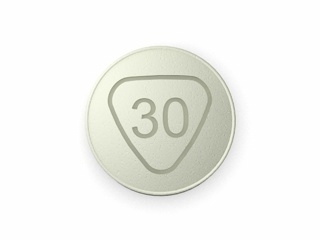
- Common strengths: Often available as 30 mg and 60 mg tablets (strength depends on your product and treatment plan)
- Type: Serotonin reuptake inhibitor (SSRI) used “as needed” before sexual activity in appropriate patients
What Is Premature Ejaculation?
Premature ejaculation is typically defined as ejaculation that occurs earlier than desired and may include difficulty controlling ejaculation. It can cause distress and relationship strain. Priligy is designed to help increase control and delay ejaculation in men who meet the appropriate clinical criteria.
How Priligy Works (Mechanism of Action)
Dapoxetine is an SSRI (selective serotonin reuptake inhibitor). By increasing serotonin activity in specific neural pathways, it helps improve ejaculatory control.
In simple terms, it may:
- Improve sexual control (help delay ejaculation)
- Increase the time to ejaculation for more confidence during intimacy
- Work mainly through effects on serotonin signalling involved in sexual reflexes
Pharmacokinetics: How the Body Handles Dapoxetine
Pharmacokinetics describes what happens to dapoxetine after taking it by mouth.
- Absorption: Dapoxetine is absorbed after oral administration. Peak levels generally occur within a few hours.
- Onset: Clinical use is based on taking it before sex to allow the medicine to reach effective levels.
- Distribution: It distributes into body tissues and can cross into the central nervous system (brain).
- Metabolism: Dapoxetine is metabolised mainly in the liver (hepatic metabolism), with involvement of enzyme pathways such as CYP450.
- Elimination: Metabolites are cleared via the kidneys and other pathways.
- Half-life: The elimination half-life supports “as needed” dosing prior to sexual activity.
Why this matters: Because dapoxetine levels rise and fall over hours, timing is important for effectiveness and for reducing side effects.
Typical Use and Timing
When to take it
Priligy is usually taken 1–3 hours before sexual activity. For many patients, taking it within this window helps achieve peak effect at the planned time of intercourse.
How often
- Use according to your clinician’s instructions and the directions provided with your product.
- Do not exceed the recommended dosing frequency.
- Because it is used for “on-demand” use, dosing patterns should be consistent with your treatment plan.
Practical timing tips
- Plan ahead: take it when you can realistically estimate the time of intercourse.
- Consider your usual meal timing (see food section below).
- If you experience dizziness or nausea, you may benefit from taking it earlier in the day or ensuring you’re well hydrated (but avoid alcohol—see safety section).
Food Interactions (Can You Take It With Meals?)
Dapoxetine absorption can be affected by food. Many patients find it easiest to follow a consistent approach.
- General guidance: Priligy may be taken with or without food, but taking it consistently in relation to meals can help you judge how it affects onset and tolerance.
- If you take it with a heavy or high-fat meal: the onset may be delayed for some people.
Patient-friendly approach: If you notice slower onset after meals, try taking it on an emptier stomach or at least avoid a very large meal close to dosing.
Alcohol and Medicine Interactions
Alcohol
Alcohol can increase the risk of side effects such as dizziness, fainting, drowsiness, and impaired judgement. For Priligy, alcohol is generally discouraged.
- Avoid drinking alcohol around the time you take Priligy.
- If you choose to drink, keep it minimal and ensure you are not driving or performing risky activities.
Common medicine interactions
Dapoxetine can interact with medicines that affect serotonin, blood pressure, liver enzymes, and heart rhythm.
Important interaction categories include:
- Other serotonergic medicines (e.g., some antidepressants, migraine medicines such as triptans, certain pain medicines like tramadol): may increase the risk of serotonin syndrome.
- Monoamine oxidase inhibitors (MAOIs): generally contraindicated due to serious interaction risk.
- Strong liver enzyme inhibitors: can raise dapoxetine levels and increase side effects.
- Medicines affecting heart rhythm (QT prolongation): may increase risk of rhythm-related side effects.
- Blood pressure medications or medicines that lower blood pressure: may increase risk of dizziness or fainting in some patients.
Herbal and supplement interactions
- St John’s wort (Hypericum perforatum) may affect serotonin and metabolism.
- Other supplements that affect serotonin should be discussed with a healthcare professional.
Always review your medication list with a pharmacist or clinician—especially if you take antidepressants, migraine medicines, pain medicines, or cardiovascular drugs.
Indications: Who Is Priligy For?
Priligy is indicated for the treatment of premature ejaculation in adult men who meet appropriate clinical criteria. It is intended to help increase control over ejaculation and delay ejaculation during sexual activity.
Not for everyone: Effectiveness and safety depend on your overall health, medication list, and risk factors for side effects such as dizziness or fainting.
Dosing Information (How Much to Take)
Dosing should follow the product instructions and the treatment plan provided by a healthcare professional. A typical approach is:
- Starting dose: 30 mg may be used initially to assess tolerability.
- If needed: some patients may be increased to 60 mg based on response and side effects.
- Timing: take 1–3 hours before sex as directed.
Do not:
- Take more often than recommended.
- Double a dose if you missed one.
Missed dose
If you planned to take it and your timing changes (for example, no longer having sex soon), follow the directions on your product label. In general, Priligy is meant for use before sexual activity; if that window passes, do not take extra “just in case.”
Safety Profile: Common Side Effects and Serious Risks
Like all medicines, Priligy may cause side effects. Many are mild to moderate and improve with continued use or dose adjustment. However, some adverse effects require urgent attention.
Common side effects
- Nausea
- Dizziness
- Diarrhoea
- Headache
- Fatigue
- Insomnia or unusual sleepiness
Less common but important effects
- Fainting or feeling like you might faint (syncope)
- Low blood pressure symptoms such as light-headedness, especially on standing
- Changes in mood (any significant worsening in mood should be discussed promptly)
Serious safety concerns (seek urgent help)
Stop using the medicine and seek urgent medical attention if you experience:
- Symptoms of serotonin syndrome such as agitation, confusion, fever, sweating, shaking/tremor, fast heart rate, and diarrhoea with severe discomfort.
- Severe allergic reactions such as swelling of the face/lips, difficulty breathing, or widespread rash.
- Fainting or serious dizziness that does not settle.
Who should be extra cautious: If you have liver problems, a history of fainting, cardiovascular conditions, or take multiple interacting medicines, your risk may be higher.
Practical Use Tips for Better Results
- Start in a low-stress setting: try your first dose when you can be at home and comfortably assess tolerance.
- Consistency helps: keep timing and relation to meals similar across attempts.
- Stay hydrated: being well-hydrated can reduce dizziness for some people.
- Go slow with alcohol: avoid alcohol around dosing to reduce risk.
- Track outcomes: note timing of dose, meal timing, and effect. This helps you and your clinician fine-tune your regimen.
- Understand that response may improve over time: some benefit may be gradual as your body adjusts to dosing.
Sexual health matters: stress, anxiety, relationship factors, and overall health can also influence ejaculation control. Addressing these alongside treatment often improves outcomes.
Alternative Options
Depending on your individual situation, other options for premature ejaculation may include:
- Behavioural strategies (e.g., stop-start techniques, pelvic floor exercises)
- Topical therapies (local anaesthetic creams or sprays) to reduce sensitivity
- Other oral medicines used in some settings for PE (choice depends on availability, medical history, and safety)
- Sexual counselling or therapy for anxiety-related or relationship-related components
If you’re considering alternatives, ask a healthcare professional what best matches your health status and preferences.
Market and Legal Context (Australia)
In Australia, medicines such as Priligy (dapoxetine) are supplied through the regulated healthcare system and must align with Australian medicine laws and prescribing/dispensing requirements. Availability through online pharmacies should comply with Australian regulatory standards and only provide medicines that are lawfully supplied.
Recent guidance: Patients are generally advised to follow current product information and professional advice, particularly concerning safety screening, interaction checks, and limiting dosing frequency.
Always verify: your product packaging and labelling should match the medicine you ordered, including strength (e.g., 30 mg or 60 mg) and dosing instructions.
Delivery and Availability (Online Pharmacy)
Availability can vary based on stock and demand. When ordering online in Australia, you can typically expect:
- Secure ordering with identity and medicine-safety checks as required by law
- Packaging designed for pharmacy supply with clear labelling
- Tracked delivery (often available depending on the pharmacy service level)
- Typical dispatch times may vary; delivery estimates are usually shown at checkout
If you have time-sensitive needs (e.g., planning for intimacy soon), allow enough time for dispatch and delivery rather than placing an order at the last minute.
Recent/Important Guidance to Remember
- Interaction screening is essential: dapoxetine interacts with serotonergic and liver-metabolism related medicines.
- Alcohol should be avoided: it can increase the likelihood of dizziness and fainting.
- Consider your medical history: liver problems, fainting history, and cardiovascular issues require extra caution.
- Follow the timing window: taking it too early or too late can reduce effectiveness and may increase side effects.
FAQ
1) How quickly does Priligy work?
Priligy is designed to be taken 1–3 hours before sex. Many patients notice effect within that time window. Exact timing varies between individuals and can be influenced by meal timing.
2) Can I take Priligy with food?
Priligy may be taken with or without food, but food can affect absorption. For best consistency, many patients choose the same approach each time (e.g., always with a light meal or always on an emptier stomach).
3) What if I drink alcohol after taking it?
Alcohol increases the risk of side effects like dizziness and fainting. It’s safest to avoid alcohol around dosing.
4) What are the most common side effects?
The most commonly reported side effects include nausea, dizziness, diarrhoea, headache, and fatigue.
5) Can Priligy be used every day?
Priligy is typically used as needed before sexual activity with dosing frequency limited by safety guidance. Always follow the dosing instructions supplied with your medicine and your clinician’s advice.
6) Who should not take Priligy or should ask extra questions first?
Extra caution is needed if you have liver problems, a history of fainting, significant heart rhythm issues, or you take medicines that interact with serotonin, blood pressure, or liver metabolism. Discuss your full medication list before starting.
7) Can I take antidepressants or migraine medicines with Priligy?
Some antidepressants and migraine medicines can interact with dapoxetine due to serotonin effects. Do not combine without professional review.
8) What should I do if I feel dizzy or faint?
If you feel faint, lie down and seek help. Do not drive or stand suddenly. Contact a healthcare professional promptly—especially if symptoms are severe or recurrent.
9) Is Priligy the only option for premature ejaculation?
No. Alternatives may include behavioural techniques, pelvic floor exercises, topical treatments, sexual therapy, or other prescription options depending on your needs and suitability.
10) How long will it take to see results?
Some people notice changes after the first attempts, while others need several trials with correct timing and dosing. If you aren’t noticing benefit, discuss with a healthcare professional about dose adjustment or alternative strategies.
Quick Reference Table
| Topic | What to know |
|---|---|
| Medicine | Priligy (Dapoxetine) |
| Used for | Premature ejaculation in appropriate adult patients |
| How it works | SSRI effect on serotonin pathways involved in ejaculatory control |
| Timing | Usually take 1–3 hours before sexual activity |
| Food | May be taken with or without food; heavy meals can affect onset for some |
| Alcohol | Avoid around dosing to reduce dizziness/fainting risk |
| Key interactions | Serotonergic medicines, MAOIs, strong liver enzyme inhibitors, QT-related medicines, some BP-lowering medicines |
| Common side effects | Nausea, dizziness, diarrhoea, headache, fatigue |
| Seek urgent help | Serotonin syndrome symptoms, severe allergic reaction, serious fainting/dizziness |
Important: This information is provided to help you understand Priligy and prepare for safe use. For the safest and most effective treatment, always follow the dosing directions on your medicine packaging and consult a qualified healthcare professional if you have questions—especially if you are taking other medicines or have any medical conditions.