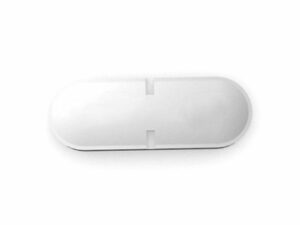


Albendazole (Oral Anthelmintic Medicine) — Comprehensive Guide for Australia
Albendazole is an oral medicine used to treat certain parasitic worm infections. It belongs to the class of medicines known as anthelmintics and is widely used for conditions caused by intestinal worms and, in some cases, tissue-dwelling parasites. This guide explains how it works, how to take it safely and effectively, and what to expect—written for Australian customers.
| Category | Information |
|---|---|
| Generic name | Albendazole |
| How it works | Disrupts parasite metabolism and prevents normal glucose use |
| Common forms | Tablets and some compounded/suspension forms depending on product |
| Typical use | Intestinal worms; selected tissue infections under specific medical care |
| How long it takes | Symptoms may improve within days; stool testing (if used) confirms cure |
| Food interaction | Taking with food can improve absorption for many people |
| Key cautions | Pregnancy (especially early pregnancy) and liver health require caution |
Basic product information
Albendazole is a medicine used to treat infections caused by certain helminths (parasitic worms). It works by damaging the worm’s ability to use energy, leading to paralysis and death of the parasite.
In Australia, albendazole is commonly used for intestinal worm infections such as threadworm (pinworm) and hookworm, and it may be used for other parasite infections depending on diagnosis, local protocols, and the specific parasite involved.
Common side effects may include headache, nausea, abdominal discomfort, dizziness, and temporary changes in liver enzymes or blood counts (more relevant with longer courses).
How albendazole works (mechanism of action)
Albendazole is a benzimidazole anthelmintic. It targets the parasite’s cellular machinery by interfering with microtubule formation—structures needed for vital processes like cell division and transport inside the worm.
- Blocks glucose uptake and metabolism in the parasite, effectively “starving” the worm of energy.
- Disrupts microtubules, impairing cellular structure and function.
- Leads to paralysis and death of the worm.
Because albendazole acts on fundamental worm biology, it can be effective for certain parasites even when symptoms are mild or intermittent.
Pharmacokinetics (how the body processes it)
Understanding pharmacokinetics helps explain why food may affect absorption and why timing can matter.
- Absorption: Albendazole is absorbed from the gastrointestinal tract. Absorption tends to be higher when taken with food (particularly fatty meals) because bile and digestive processes can improve uptake.
- Metabolism: After absorption, albendazole is metabolised primarily in the liver to an active metabolite called albendazole sulfoxide.
- Distribution: The active metabolite can distribute through the body and reach tissues where some parasites may reside (relevant for certain infections).
- Excretion: Metabolites are eliminated mainly through the urine and bile. The exact balance can vary between individuals.
Clinical implications: Improved absorption with food may increase effectiveness, and liver metabolism means people with liver impairment need extra caution—especially with repeated or prolonged treatment.
Typical uses and indications (what it treats)
Albendazole is used to treat infections caused by susceptible parasites. The exact use depends on the parasite species, location of infection (intestinal vs tissue), severity, and individual circumstances.
Common indications include:
- Threadworm (pinworm, Enterobius vermicularis)
- Roundworm (Ascaris lumbricoides)
- Hookworm infections (e.g., Ancylostoma duodenale, Necator americanus)
- Whipworm (Trichuris trichiura)
- Tapeworm infections (some species, depending on diagnosis and regimen)
- Other parasitic infections may be considered by clinicians when specific species and treatment plans are appropriate
Important: Albendazole is not effective against all parasites. The right medicine and dose depend on accurate diagnosis. If symptoms suggest a parasite infection, it can be helpful to seek appropriate advice and, when relevant, follow stool or other testing pathways used in your area.
How and when to take albendazole (timing and practical approach)
Your dosing instructions depend on the specific infection and the product strength. Always follow the dosing schedule given with your particular albendazole product.
In general:
- Take by mouth with water.
- Many people take it with food to improve absorption.
- Use the correct duration—some infections require a single dose, while others require repeated dosing over days or longer.
For pinworm (threadworm): common timing approach
Pinworm often spreads easily within households and can reinfect after treatment. Many schedules include a repeat dose to target worms after newly hatched eggs mature.
- It’s common to use a second dose about 2 weeks later as part of a standard strategy.
- In household outbreaks, treating close contacts may be recommended to reduce reinfection (follow local guidance and your product instructions).
For other intestinal worms: typical timing
- Some worm types respond to a single dose.
- Others require multiple doses over several days.
Practical tip: If your schedule involves more than one dose, set reminders so you don’t miss the follow-up day.
Food interactions and absorption
Food can influence how well albendazole is absorbed.
- Taking with a meal may improve absorption for many people.
- If your product instructions allow, consider taking it with a normal meal (for example, breakfast or dinner).
- If you experience stomach upset, taking with food may also help with tolerability.
Fasting: Avoid taking it on an empty stomach unless your specific product guidance says it’s acceptable. If you’re unsure, follow the instructions provided with your medication or speak with a healthcare professional.
Alcohol and medicine interactions
Albendazole is broken down mainly in the liver. Because of this, it’s sensible to consider liver health and potential side effects when drinking alcohol.
Alcohol
Moderation is advised. While occasional alcohol may not be an absolute contraindication for every person, alcohol can worsen nausea or stomach upset and may add stress to the liver, especially if you take repeated or longer courses.
- Avoid heavy drinking during treatment.
- If you have any liver disease, discuss alcohol use with a healthcare professional before taking albendazole.
Other medicines
Some medicines can affect the metabolism of albendazole, potentially changing how much active drug is available in your body.
Examples of medicines that may interact (not exhaustive):
- Cimetidine (may affect metabolism)
- Some medicines that induce liver enzymes may reduce effectiveness (specific examples depend on your regimen)
- Other medicines affecting liver function may increase the risk of liver-related side effects
What to do: If you are taking other medicines (including prescription medicines, pharmacist-only medicines, and supplements), it’s important to check for interactions. Provide your medication list to a healthcare professional or pharmacist when possible.
Dosing information (general guidance)
Doses vary depending on the specific parasite and product strength. The schedules below are common general patterns used for intestinal helminths. Always confirm your dose with the instructions supplied for your particular product or the regimen you’ve been advised to follow.
Common adult and child dosing patterns (approximate examples)
Albendazole is often dosed by age and weight for children. For adults, weight-based dosing may also be used in some regimens.
- Threadworm (pinworm): often a single dose, with a repeat dose after about 2 weeks to prevent reinfection.
- Ascaris / hookworm / whipworm: may be treated with a single dose or repeated dosing over several days depending on the parasite and severity.
- Tapeworm (certain species): regimens can differ and may require additional specific steps—this is why accurate diagnosis matters.
Do not adjust the schedule without guidance. Under-dosing may reduce effectiveness, and longer-than-needed treatment can increase the chance of side effects.
Safety profile and side effects
Most people tolerate albendazole well, particularly with short courses for intestinal worm infections. However, like all medicines, it can cause side effects in some individuals.
Common side effects
- Headache
- Nausea
- Abdominal pain or discomfort
- Dizziness
- Diarrhoea or mild GI upset
Less common but important risks
These are more likely with prolonged courses (e.g., certain tissue infections) or in people with underlying conditions.
- Liver enzyme changes (hepatotoxicity) — more relevant during longer therapy
- Blood count changes (rare) — requires monitoring in some regimens
- Allergic reactions (rare) such as rash, swelling, or breathing difficulty
When to seek urgent help
- Swelling of the face/lips, hives, or trouble breathing
- Severe or persistent abdominal pain
- Signs of significant liver problems such as yellowing of the skin/eyes (jaundice), dark urine, or severe fatigue
Safety considerations: pregnancy, breastfeeding, and liver health
Safety depends on timing and individual circumstances.
Pregnancy
Albendazole is generally avoided in pregnancy, especially in the first trimester, unless prescribed and deemed necessary by a healthcare professional for a specific situation.
- If you are pregnant or trying to conceive, seek medical advice before use.
- If pregnancy is possible, consider taking advice on timing and alternatives.
Breastfeeding
For breastfeeding, advice can vary based on the clinical context and treatment duration. Discuss with a healthcare professional to weigh benefits and risks.
Liver disease
Because albendazole is metabolised in the liver, people with liver impairment may need extra caution, and some longer regimens may require monitoring of liver function tests.
Tip: If you have known liver problems, ask a pharmacist or doctor whether your planned regimen is appropriate and whether monitoring is needed.
Practical use tips for better results
Parasitic infections can be hard to clear if reinfection occurs—particularly for threadworm.
- Follow the full schedule (if a repeat dose is required, don’t skip it).
- Improve hygiene: wash hands regularly, especially before eating and after using the toilet.
- Clean household items: change underwear regularly and wash bedding/clothing that may be contaminated.
- Consider treating close contacts during outbreaks (follow local guidance and your product instructions).
- Track symptoms: note changes in itching or discomfort. If symptoms persist, it may be due to reinfection or an incorrect diagnosis.
When to re-check: If symptoms don’t improve after completing the recommended course—or if there are signs of more severe infection—seek advice to confirm the diagnosis and choose the correct next steps.
Alternative options
Depending on the parasite and location of infection, other antiparasitic medicines may be used. Common alternatives include:
- Mebendazole — another benzimidazole anthelmintic used for several intestinal worms.
- Pyrantel pamoate — often used for pinworm and some other intestinal parasites.
- Praziquantel — used for certain tapeworm and fluke infections (requires specific diagnosis).
- Metronidazole — used for certain protozoal infections (not a worm treatment, but sometimes considered when symptoms overlap).
Why alternatives matter: The best medicine depends on which parasite is involved, your age/weight, pregnancy status, and whether infection is intestinal or tissue-based.
If you’re unsure which option is appropriate, discussing symptoms and exposure risk with a healthcare professional can help guide selection.
Australia market and legal context (general overview)
In Australia, access and classification of medicines can vary. Albendazole-containing products may be available through different supply channels depending on formulation, strength, and regulatory status at the time of sale.
Key points for customers:
- Product availability may vary between pharmacies and online pharmacy listings.
- Medicines are supplied with packaging information that includes directions for use and safety information.
- Always check the exact product label for strength and dosing instructions relevant to that specific medicine.
Guidance and quality: Australian regulatory frameworks focus on medication safety, quality standards, and appropriate supply. Reputable suppliers provide clear product information, batch/expiry details, and standard consumer protections for Australian customers.
Recent guidance and public health considerations (Australia)
Across many countries, including Australia, public health guidance continues to emphasise:
- Correct diagnosis of parasite species where possible
- Household management during outbreaks (especially for threadworm)
- Hygiene measures to limit spread and reinfection
- Monitoring and follow-up for prolonged or complicated infections
Because worm infections can recur, especially in shared living environments, following a repeat-dose schedule and hygiene steps is often just as important as taking the medicine itself.
Delivery and availability in Australia
Online pharmacies aim to make medicine access convenient and discreet. Delivery times depend on stock availability and carrier services across Australian states and territories.
What you can generally expect:
- Availability: Stock can change—especially for specific strengths or formulations.
- Packaging: Medications should arrive sealed with clear label details (including expiry date and batch number).
- Tracking: Many deliveries include tracking updates.
- Cold-chain: Albendazole is usually not temperature-sensitive in the same way as some biologics, but always follow storage directions on the label.
Storage: Store at room temperature as directed on the product label, and keep out of reach of children.
FAQ — Frequently asked questions
1) Is albendazole effective for all worm infections?
No. Albendazole is effective against many helminth (worm) infections, but not every parasite is susceptible. Correct identification of the parasite helps determine the most effective treatment.
2) How quickly will I feel better after taking albendazole?
Some people notice symptom improvement within a few days. However, if reinfection occurs (common with pinworm), symptoms may return quickly unless repeat dosing and hygiene measures are followed.
3) Should I take albendazole with food?
For many people, taking albendazole with food can improve absorption and may reduce stomach upset. Check the directions on your specific product, and take it as instructed.
4) Can I drink alcohol while using albendazole?
It’s best to keep alcohol to a minimum during treatment, especially if your course is longer or you have liver concerns. If you’re unsure, ask a pharmacist for personalised advice based on your situation.
5) What side effects are most common?
Common side effects include headache, nausea, abdominal discomfort, dizziness, and mild gastrointestinal symptoms. These are usually temporary.
6) Who should be extra cautious with albendazole?
Extra caution is advised for people with liver disease, those pregnant or possibly pregnant, and individuals taking multiple medicines that may interact. If you have any of these factors, seek advice before taking albendazole.
7) Can children take albendazole?
Children can sometimes be treated with albendazole, but dosing must be appropriate for weight/age and the specific infection. Use only the recommended dose for children based on product instructions.
8) Why do pinworm symptoms often return?
Pinworm spreads easily through contact and contaminated surfaces. Eggs can survive in the environment, and reinfection can occur even after successful treatment—hence repeat dosing schedules and hygiene measures are frequently recommended.
9) Do I need to treat everyone in the household?
During pinworm outbreaks, household treatment may be recommended to reduce reinfection risk. Follow the product instructions and local advice, and consider asking a pharmacist for guidance specific to your situation.
10) What if symptoms don’t improve after treatment?
If symptoms persist after completing the recommended dose schedule, reinfection, incorrect diagnosis, or a different parasite may be involved. Seek advice to confirm the cause and determine the next best step.
Summary
Albendazole is an oral anthelmintic medicine used to treat a range of worm infections. It works by disrupting parasite energy use and cell structure, leading to parasite death. For many intestinal worm infections, success depends not only on taking the correct dose but also on timing (including repeat dosing when recommended) and hygiene measures to reduce reinfection.
If you have questions about dosing, interactions, or suitability for your personal health situation, consult a qualified healthcare professional or pharmacist before use.