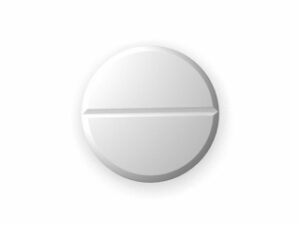
Coreg (Carvedilol) — Patient-Friendly Guide
Coreg is a brand of carvedilol, a medicine used to treat certain heart conditions and help lower the workload on the heart. It belongs to a group of medicines called beta-blockers and also has additional effects on blood vessels.
This guide is written to help you understand how Coreg works, how it’s typically used, what to expect, and what to consider for safe use—tailored for customers in Australia.
Quick facts
- Active ingredient: Carvedilol
- Common brand: Coreg
- Medicine type: Beta-blocker (with blood-vessel–relaxing effects)
- Main uses: Heart failure and certain types of high blood pressure (and after heart-related conditions)
- Typical side effects: Tiredness, dizziness, low blood pressure, slow heart rate
- Important safety note: Do not stop suddenly—this may worsen symptoms
What is Coreg?
Coreg (carvedilol) is used to manage cardiovascular conditions by:
- reducing the heart rate and the force of the heartbeat
- relaxing blood vessels so blood can flow more easily
In clinical practice, carvedilol is widely used for long-term control, particularly in people with chronic heart failure and hypertension. It may also be used for certain post-heart-attack or heart-damage situations as determined by your healthcare professional.
How Coreg works (mechanism of action)
Carvedilol works through two main actions:
-
Beta-blockade: It blocks beta receptors (especially beta-1 in the heart), which can:
- slow the heart rate
- reduce the force of contraction
- decrease the oxygen demand of the heart
-
Alpha-1 blockade: It also relaxes blood vessels by blocking alpha-1 receptors, helping to:
- lower blood pressure
- improve blood flow
The combined effect can improve symptoms and reduce strain on the heart, helping conditions like heart failure over time.
Pharmacokinetics (how the body handles Coreg)
Pharmacokinetics describes absorption, distribution, metabolism, and elimination.
Absorption
- Carvedilol is taken by mouth.
- Food can affect absorption, and many people are advised to take carvedilol with food to improve tolerability and reduce variability.
Distribution
- Carvedilol distributes into body tissues.
- It is highly protein-bound (meaning it binds strongly to blood proteins).
Metabolism
- It is metabolised primarily in the liver.
- Genetic and liver factors can influence how quickly your body processes it.
Elimination
- Metabolites are eliminated mainly via the liver and kidneys (often described as hepatic metabolism followed by excretion of metabolites).
- The medicine’s effects are longer lasting than some other short-acting medicines, which is why dosing is commonly taken multiple times per day depending on formulation.
Kidney function: Because carvedilol is mainly metabolised by the liver, dose adjustments for kidney impairment may be less dramatic than with some other drugs—but individual assessment is important.
Typical uses (indications)
Your healthcare professional may use Coreg to treat:
-
Chronic heart failure (often in combination with other heart failure medicines).
- It may help reduce hospitalisations and improve symptoms for people with stable heart failure.
-
Hypertension (high blood pressure).
- It can help lower blood pressure and reduce cardiovascular risk.
-
After certain heart conditions where beta-blockade is beneficial (as clinically appropriate).
- Specific eligibility depends on your history and overall treatment plan.
Always follow the plan set out for your particular diagnosis and medical background.
Dosing overview (how Coreg is usually taken)
Dosing with carvedilol is typically gradual. This helps reduce the chance of side effects like dizziness from low blood pressure or an overly slow heart rate, especially at the start.
Important: The exact dose depends on the condition being treated, your blood pressure, heart rate, tolerance, and other medicines you take.
Typical titration approach
- Start low: Lower initial dose to assess tolerance.
- Increase slowly: Dose is often increased every 1–2 weeks (sometimes longer) if tolerated.
- Adjust for safety: If you experience dizziness, faintness, very slow pulse, or worsening fluid retention in heart failure, dose changes may be required.
Common dosing frequency
Coreg is usually taken twice daily for many patients with immediate-release carvedilol. Your product strength and local prescribing instructions will guide exact timing.
Always check your label for how often to take your specific Coreg formulation and strength.
Timing: when to take Coreg
Many people find carvedilol is more comfortable when taken with food. This can support more predictable absorption and may reduce nausea or dizziness.
- Take it at the same times each day to maintain steady effects.
- If you miss a dose, take it when you remember unless it’s close to the next dose—then skip and continue as usual.
- Do not double up to make up for missed doses unless advised by your healthcare professional.
Food interactions and eating with Coreg
Food is relevant for carvedilol. In general:
- Taking Coreg with meals may improve tolerability.
- Food may influence how much medicine is absorbed and when peak levels occur.
Practical tip: If you’re starting Coreg, try taking your first few doses with meals (unless your clinician advises otherwise) and monitor how you feel—especially when rising from a sitting/lying position.
Alcohol and medicine interactions
Alcohol can affect blood pressure and may increase side effects such as dizziness or light-headedness—effects that can be amplified by beta-blockers.
- Avoid heavy drinking or binges, particularly when starting Coreg.
- If you choose to drink alcohol, do so cautiously and consider keeping intake low.
- Be extra careful if you experience dizziness or faintness.
General alcohol considerations
- Alcohol may worsen low blood pressure.
- It may also affect your ability to recognise or respond to symptoms like fainting.
If you have liver disease, heart failure with fluid balance issues, or you take other medicines that influence blood pressure, discuss alcohol with your healthcare professional.
Interactions with other medicines
Carvedilol can interact with several medicines. Some interactions may increase the risk of low blood pressure, slow heart rate, or changes in how other medicines work.
Medicines that may increase heart rate slowing or blood pressure effects
- Other blood pressure medicines (including some diuretics and vasodilators)
- Other beta-blockers or drugs that slow the heart
- Some calcium-channel blockers (particularly those that slow the heart rate)
- Antiarrhythmic medicines that affect heart rhythm
Medicines that may affect carvedilol levels
- Certain antidepressants and other medicines that influence liver enzymes
- Some antifungals and antibiotics
- Medicines that strongly affect liver metabolism
Medicines that may affect blood sugar awareness
- Beta-blockers can mask some warning signs of low blood sugar (such as fast heartbeat).
- If you have diabetes, you may need closer monitoring—especially when doses change.
Non-prescription products and “natural” remedies
- Always check with a pharmacist before starting any new over-the-counter medicine.
- Some cold/flu products contain ingredients that can raise blood pressure or affect heart rate.
- Herbal products can also interact; seek advice if unsure.
Key safety reminder: Keep a list of all your medicines and share it with your healthcare professional or pharmacist, including supplements and occasional medicines.
Safety profile: what to watch for
Most people tolerate Coreg well when started at low doses and increased gradually. However, like all medicines, it can cause side effects—especially early in treatment or after dose changes.
Common side effects
- Dizziness (including when standing)
- Tiredness or low energy
- Slow heart rate
- Low blood pressure
- Headache
- Nausea or stomach discomfort
Less common but important risks
- Worsening heart failure symptoms at the start of therapy or after dose changes (for example, increased shortness of breath or swelling)
- Fainting or near-fainting (particularly if blood pressure becomes too low)
- Breathing difficulties in people sensitive to beta-blockers (for example, some people with asthma may be affected)
- Cold hands and feet
Seek urgent help if
- You faint or feel severely unwell
- You have chest pain that is new or worsening
- Breathing becomes difficult, wheezing increases, or you can’t catch your breath
- You experience signs of very slow heartbeat (severe weakness, confusion, collapse)
Do not stop suddenly
Beta-blockers should generally not be stopped abruptly. Stopping suddenly may lead to worsening chest pain, increased blood pressure, or other heart-related problems. If discontinuation is needed, it’s usually done by tapering the dose under medical guidance.
Practical use tips (to get the best results)
- Start at the right time: Take Coreg at consistent times each day to support stable symptom control.
- Monitor your pulse and blood pressure: Especially during the first weeks or after dose changes. If your heart rate becomes very slow or you feel faint, contact your healthcare professional.
- Rise slowly: Dizziness can occur when standing. Move gradually from lying to sitting, then standing.
- Track symptoms: Note changes in shortness of breath, swelling, dizziness, or exercise tolerance.
- Keep other conditions in mind: If you have asthma/COPD, diabetes, or circulation problems, discuss safety and monitoring early.
- Use a medication organiser: Helps avoid missed doses, particularly with twice-daily regimens.
Alternative options (if Coreg isn’t suitable)
Carvedilol is one beta-blocker option. Depending on your condition, your healthcare professional may consider other treatments, which could include:
- Other beta-blockers: such as metoprolol or bisoprolol (commonly used in heart failure depending on patient characteristics)
- Different classes of heart medicines: including ACE inhibitors, ARBs, ARNI, mineralocorticoid receptor antagonists, and certain diuretics (as appropriate for heart failure)
- Other blood pressure medicines: such as ACE inhibitors, ARBs, calcium-channel blockers, or thiazide-type diuretics
Your best option depends on factors like your diagnosis, heart rate, blood pressure, other medical conditions (e.g., asthma or diabetes), and how you respond to treatment.
Market and legal context in Australia
In Australia, carvedilol-containing products are widely used and supplied through recognised pharmaceutical supply chains. In general, medicines like Coreg are regulated under the Australian regulatory framework, with prescribing and dispensing processes managed to support safe use.
Important: Availability can vary by product strength, brand, and supply. If you’re planning travel or need ongoing treatment, consider discussing repeat supply options with your pharmacy.
Recent guidance and monitoring (what to expect)
Clinical guidance for beta-blocker therapy in cardiovascular disease typically emphasises:
- Starting low and titrating slowly to improve tolerability
- Regular monitoring of blood pressure, heart rate, and symptom status
- Reviewing interactions (particularly with other heart-rate–affecting or blood pressure–lowering medicines)
- Ensuring stable heart failure treatment before and during dose changes
Product-specific directions on the Consumer Medicine Information (CMI) should also be reviewed. Your treating clinician may adjust your plan based on your individual risk factors and response.
Delivery and availability (online pharmacy considerations)
Online pharmacies in Australia typically provide carvedilol products subject to regulatory and supply requirements. Availability may depend on the current stock level and the specific strength/pack size.
- Packaging: Medicines are usually supplied in sealed cartons with labels for identification.
- Storage: Store according to the instructions on the pack (commonly at room temperature, away from excess heat and moisture).
- Delivery timeframes: Vary by state/territory, dispatch schedule, and courier service.
- Cold chain: Coreg does not typically require cold-chain delivery; however, confirm storage requirements from the pack.
If you need help planning delivery so you don’t run out, contact customer support or discuss a repeat cycle schedule with your pharmacy.
Dosing table (example guidance)
Below is a general example of how carvedilol therapy may be structured. Your prescribed dose may differ. Always rely on the dose on your medication label and the advice you received.
| Condition | Common approach | Frequency (typical) | What to monitor |
|---|---|---|---|
| Chronic heart failure | Start low; gradually titrate based on tolerance | Often twice daily (immediate-release formulations) | Breathing symptoms, swelling, blood pressure, heart rate, dizziness |
| Hypertension | Start and adjust to achieve blood pressure targets | Often twice daily for carvedilol immediate-release | Blood pressure (especially standing), pulse, headache or fatigue |
FAQ — Coreg (Carvedilol)
1) How long does it take for Coreg to work?
Some effects, such as heart rate and blood pressure reduction, may be noticed early. For longer-term benefits—especially in chronic heart failure—improvement is often gradual over weeks to months. Your clinician may titrate the dose as you respond.
2) What should I do if I feel dizzy after taking Coreg?
Dizziness is common early in treatment. Sit or lie down until you feel better. Avoid sudden standing. If dizziness is severe, frequent, or associated with fainting, contact your healthcare professional. Your dose may need adjustment.
3) Can I take Coreg with food?
Many people are advised to take carvedilol with meals. This can improve tolerability for many patients. Follow your specific instructions and the directions on your product packaging.
4) Can I drink alcohol while taking Coreg?
Alcohol may increase the risk of dizziness and low blood pressure. If you drink, keep it moderate and see how you respond—especially when starting or after dose increases. Seek advice if you’re unsure.
5) Is Coreg safe for people with asthma or breathing problems?
Beta-blockers can affect breathing in some sensitive individuals. If you have asthma, wheezing, or significant breathing disease, discuss risk and monitoring with your healthcare professional before starting or adjusting Coreg.
6) Will Coreg affect diabetes symptoms?
Carvedilol may mask some warning signs of low blood sugar—particularly a fast heartbeat. People with diabetes should monitor blood glucose closely, especially when doses change.
7) Can I stop Coreg suddenly if I feel better?
No. Stopping beta-blockers abruptly can worsen heart conditions. If discontinuation is needed, the dose should be reduced gradually under medical guidance.
8) What medicines should I avoid combining with Coreg?
Be cautious with other medicines that can lower blood pressure or slow heart rate, as well as some medicines that affect liver metabolism. Always tell your pharmacist or clinician about everything you take, including over-the-counter and herbal products.
9) What if I miss a dose?
If you remember soon after missing it, take it when convenient. If it’s close to your next dose, skip the missed dose and continue your regular schedule. Do not double doses unless advised.
10) How should Coreg be stored at home?
Store tablets according to the instructions on the package (typically at room temperature, away from heat, light, and moisture). Keep out of reach of children.
Important reminder
This information is designed to support understanding and safe use. Individual treatment plans vary based on diagnosis, medical history, and other medications. If you have questions about Coreg, interactions, side effects, or how to take it correctly, speak to your healthcare professional or pharmacist.