

Micardis (Telmisartan) – Patient Information Guide (Australia)
Micardis is a medicine containing telmisartan, used to help manage certain cardiovascular conditions and reduce related risks. This guide explains how telmisartan works, how it is typically taken, what to watch for, and how it fits into routine care in Australia.
Important: This information is designed to help you understand Micardis better. Always follow the instructions given by your healthcare professional and read the consumer medicine information provided with your product.
Key product information
| Feature | Details |
|---|---|
| Medicine name | Micardis |
| Active ingredient | Telmisartan |
| Medicine type | Angiotensin II receptor blocker (ARB) |
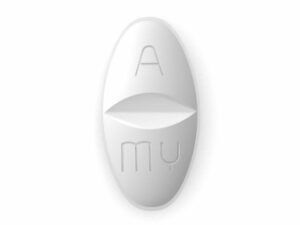
| Common strengths | Typically 20 mg, 40 mg, or 80 mg tablets (strengths may vary by product/market) |
| How it’s usually taken | Oral tablets, usually once daily |
| Main uses | High blood pressure (hypertension) and cardiovascular risk reduction in certain patients |
| Who should take it | Adults for approved indications (age limits may apply for specific uses) |
What Micardis is used for (indications)
Micardis (telmisartan) is used for:
- Hypertension (high blood pressure): To lower blood pressure and reduce the risk of cardiovascular events.
- Cardiovascular risk reduction: To reduce cardiovascular morbidity and mortality in patients who are at high risk and cannot tolerate certain other therapies, or who meet criteria for risk reduction as advised by their clinician.
Your personal “why” for taking Micardis may vary—only a clinician can confirm the appropriate indication for you.
How it works: mechanism of action
Micardis belongs to the angiotensin II receptor blocker (ARB) class.
In the body, angiotensin II is a natural substance that helps narrow blood vessels and increases blood pressure. It also contributes to fluid retention and stress on the heart.
Telmisartan blocks angiotensin II by attaching to the AT1 receptor. This helps:
- Relax blood vessels, lowering blood pressure
- Reduce strain on the heart and cardiovascular system
- Support safer blood flow for organs such as the heart and kidneys
Compared with other blood pressure medicines, ARBs generally do not cause the persistent dry cough associated with ACE inhibitors.
Pharmacokinetics (how the body handles telmisartan)
Pharmacokinetics describes absorption, distribution, metabolism, and elimination. While exact values can differ between individuals, the following are typical features:
- Absorption: Telmisartan is absorbed after oral dosing, with peak blood levels often occurring several hours after taking a dose.
- Bioavailability: Telmisartan’s absorption is generally adequate for once-daily use.
- Distribution: It binds strongly to plasma proteins, which helps maintain its effect for longer periods.
- Metabolism: Telmisartan is largely metabolised in the liver (primarily via glucuronidation).
- Elimination: It is excreted mainly via the bile into the gastrointestinal tract, with a smaller portion eliminated through the kidneys.
- Half-life: Telmisartan has a relatively long duration of action, supporting once-daily dosing.
Why this matters: Because effects last for about a day, taking Micardis at the same time each day helps maintain steady blood pressure control.
Typical timing: when to take Micardis
Most people take Micardis once daily. Many patients find it easiest to take it at the same time each day.
- Morning or evening? Either is usually acceptable—choose a time that helps you remember.
- If you forget a dose: Take it when you remember unless it’s close to the next dose. Do not take a double dose to make up for a missed tablet.
- Steady use: Blood pressure benefits may take days to weeks to fully appear, depending on dose and your health status.
Food interactions
Food can influence how much telmisartan your body absorbs.
- With meals: Taking Micardis with food may slightly change the absorption of telmisartan.
- Practical approach: It’s best to take Micardis consistently either with or without food, whichever you find easiest and suits your routine.
Key point: In most cases, taking Micardis with a typical meal does not prevent it from working. If your clinician advises a specific approach, follow that advice.
Alcohol and medicine interactions
Alcohol can lower blood pressure and may increase the risk of dizziness, especially when starting treatment or increasing the dose.
- Alcohol may intensify light-headedness: Consider limiting alcohol, particularly at the beginning of treatment.
- Be cautious with dehydration: Vomiting, diarrhoea, heavy sweating, or poor fluid intake can increase the risk of low blood pressure and kidney-related side effects.
Medicines that may interact with telmisartan are discussed below. Alcohol itself does not have a direct “chemical” interaction with telmisartan like some medicines do, but it can affect how you feel due to blood pressure effects.
Medicine interactions (important)
Some medicines can affect kidney function, potassium levels, or blood pressure. Tell your healthcare professional about all medicines you use, including supplements and over-the-counter products.
Common interaction categories
- Potassium supplements or salt substitutes: Telmisartan can increase potassium. Using potassium supplements (or “low-sodium” salts that contain potassium) may raise potassium too high.
- Diuretics (“water tablets”), especially potassium-sparing types: These may increase potassium and/or affect kidney function.
- Non-steroidal anti-inflammatory drugs (NSAIDs): Examples include ibuprofen and naproxen. Regular or high-dose NSAID use with ARBs can reduce kidney function and affect blood pressure control.
- Other blood pressure medicines: Combination therapy may be appropriate, but it can increase risk of low blood pressure.
- Lithium: ARBs may increase lithium levels. This combination typically requires careful monitoring or avoidance.
- Medicines that affect renin-angiotensin-aldosterone system (RAAS): Combining telmisartan with another medicine in this same system (e.g., another ARB or an ACE inhibitor) may increase risks such as kidney impairment and high potassium in some patients.
Advice: If you start or stop any medicine, including pain relief products, check whether it could interact with Micardis.
Dosing: how much Micardis to take
Dosing depends on your condition, blood pressure response, and other health factors such as kidney and liver function.
Typical adult dosing is often:
- Hypertension: Often started at a lower dose and adjusted based on blood pressure response. A usual dose range may include 20 mg, 40 mg, or 80 mg once daily depending on the individual.
- Cardiovascular risk reduction: Often uses a higher daily dose regimen as determined by clinical criteria (frequently 80 mg once daily in many practice settings).
How your clinician may tailor your dose:
- Kidney function and potassium levels
- Blood pressure reading trends
- Whether you use diuretics or other medicines
- Age and risk of low blood pressure
Do not change your dose without guidance. If you experience symptoms such as dizziness, fainting, or unusual tiredness, contact your healthcare professional.
Safety profile: what to know before and during treatment
Micardis is generally well tolerated. Like all medicines, it can cause side effects in some people. Many effects relate to blood pressure lowering, kidney function changes, or potassium levels.
Common or notable side effects
- Dizziness or light-headedness (especially after starting or increasing dose)
- Tiredness
- Headache
- Low blood pressure symptoms (sometimes described as faintness)
- Changes in kidney function (usually identified by blood tests)
- Increased potassium (hyperkalaemia), detectable on blood tests
When to seek urgent medical help
Seek urgent care or contact emergency services if you develop:
- Swelling of the face, lips, tongue, or throat or difficulty breathing
- Severe dizziness or fainting
- Signs of very high potassium (often includes muscle weakness, abnormal heart rhythm sensations)
- Severe allergic reaction (rash with breathing difficulty, widespread hives)
Who needs extra caution
- People with kidney disease
- People at risk of high potassium
- People with dehydration (e.g., due to diarrhoea or vomiting)
- People with liver impairment (dose and monitoring may differ)
- Older adults who may be more sensitive to blood pressure changes
Practical use tips (making Micardis easier to manage)
- Keep a consistent schedule: Once daily at the same time can improve adherence.
- Check blood pressure regularly: Home readings help you and your clinician track progress.
- Understand blood tests: Your clinician may monitor kidney function and electrolytes (particularly potassium), especially after dose changes.
- Stay hydrated appropriately: On hot days or during illness, dehydration can increase risks like low blood pressure or kidney strain.
- Be careful with pain relief: Frequent NSAID use (e.g., ibuprofen/naproxen) may be less suitable when taking telmisartan—discuss alternatives.
- Tell all healthcare providers: Let dentists, surgeons, and other prescribers know you are taking Micardis.
- Don’t skip monitoring if you feel unwell: If you develop vomiting/diarrhoea, poor oral intake, or symptoms of low blood pressure, contact your clinician for advice.
Alternative options (discuss with your clinician)
If Micardis isn’t suitable or doesn’t achieve goals, there are other treatments for hypertension or cardiovascular risk reduction. Alternatives depend on your medical history and risk factors.
Other classes used for blood pressure and cardiovascular risk
- ACE inhibitors: Such as lisinopril or enalapril (can be limited by cough in some people).
- Calcium channel blockers: Such as amlodipine.
- Thiazide or thiazide-like diuretics: Such as hydrochlorothiazide or indapamide.
- Other ARBs: Such as losartan, valsartan, or irbesartan.
- Beta-blockers: Sometimes used particularly when other heart conditions are present.
Note: The “best” alternative is individual. Switching may require a titration plan and blood test monitoring.
Market & legal context in Australia
In Australia, medicines like Micardis (telmisartan) are regulated under the Therapeutic Goods Administration (TGA) and are dispensed according to Australian medicine scheduling and local prescribing/dispensing rules.
Patients generally obtain telmisartan tablets through authorised supply channels. Availability may vary by strength and brand listing, but telmisartan is a well-established ARB in Australian practice.
Recent guidance and practice trends: Australian cardiovascular care commonly emphasises:
- Individualised target blood pressure goals
- Monitoring kidney function and potassium after starting RAAS medicines (including ARBs)
- Careful avoidance of dual RAAS blockade in many routine situations due to higher risk of kidney impairment and hyperkalaemia
- Medication review for people taking multiple drugs that can raise potassium or affect renal function
Your clinician may follow up with blood tests shortly after changes, especially if you have risk factors such as kidney impairment, diabetes, heart failure, or are also taking diuretics.
Delivery and availability (online pharmacy)
Micardis may be supplied in different strengths depending on stock and product availability. If you order online, you may be able to select the required strength and quantity.
- Stock availability: May vary by strength (e.g., 20 mg, 40 mg, 80 mg).
- Delivery timeframes: Delivery can depend on your location and courier network across Australia.
- Packaging: Medicines are typically shipped in sealed packaging to protect product quality.
- Order accuracy: Ensure the strength matches what your clinician advised.
If you have questions about the exact strength in stock, or about delivery options to your postcode, contact the pharmacy’s customer support.
FAQ: common questions about Micardis (telmisartan)
1) How quickly will Micardis start working?
Some blood pressure lowering may occur within the first days. For the full effect and stable control, it can take several weeks, depending on dose and your health status.
2) Is Micardis suitable for long-term use?
Telmisartan is commonly used long-term for hypertension or cardiovascular risk reduction. Many patients remain on it for extended periods with periodic review and blood tests as advised.
3) Can I take Micardis with food?
Yes. Food may slightly affect absorption, but Micardis can generally be taken with or without food. Consistency is helpful—choose what fits your routine.
4) What should I do if I feel dizzy after taking my dose?
Dizziness can happen, especially when starting treatment or increasing the dose. Sit or lie down if you feel faint, avoid sudden position changes, and contact your healthcare professional if symptoms persist. Blood pressure readings and medication review may be needed.
5) Does Micardis affect potassium levels?
It can. Telmisartan may increase potassium. This is why clinicians often monitor blood tests for electrolytes, particularly in people with kidney disease or those taking potassium-increasing medicines.
6) Are NSAIDs like ibuprofen safe while taking Micardis?
NSAIDs may affect kidney function and can interfere with blood pressure control when used with ARBs. Occasional use may still be acceptable for some people, but frequent or high-dose NSAID use should be discussed with your clinician.
7) Can I drink alcohol while taking Micardis?
Moderation is recommended. Alcohol can lower blood pressure and may increase dizziness or light-headedness, especially at the start of treatment or after dose changes.
8) What happens if I miss a dose?
Take it when you remember unless it is almost time for your next dose. Do not double up. If you miss multiple doses, contact your pharmacist or clinician for advice.
9) Is it safe to take Micardis if I’m pregnant or trying to conceive?
RAAS medicines such as telmisartan may not be suitable during pregnancy. If you are planning pregnancy, become pregnant, or are trying to conceive, seek medical advice promptly to discuss alternatives.
10) What are signs that I should contact my clinician urgently?
Seek urgent help if you experience swelling of the face/lips/tongue, breathing difficulty, severe dizziness or fainting, or symptoms suggestive of dangerous potassium imbalance.
Summary
Micardis (telmisartan) is an ARB used in Australia for hypertension and selected patients for cardiovascular risk reduction. It works by blocking the action of angiotensin II at AT1 receptors, helping to relax blood vessels and reduce cardiovascular strain. It is typically taken once daily, with food usually making little practical difference—though consistent timing and routine are recommended. As with other RAAS medicines, important safety considerations include blood pressure changes, and monitoring for kidney function and potassium levels, especially if you’re taking other interacting medicines.
If you have questions about whether Micardis is appropriate for you, or about how to manage missed doses, drug interactions, or monitoring, speak with your healthcare professional or pharmacist.