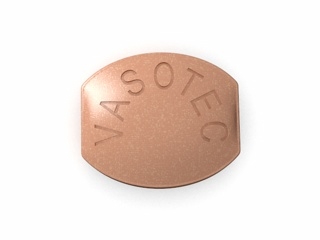


Vasotec (Enalapril) — Patient Guide (Australia)
Vasotec contains enalapril, a medicine commonly used to treat certain cardiovascular conditions. This guide explains how it works, how it’s usually taken, what to expect, and key safety information. If you have questions about your specific situation, speak with your doctor or pharmacist.
Basic product information
| Information | Details |
|---|---|
| Active ingredient | Enalapril |
| Medicine class | ACE inhibitor (angiotensin-converting enzyme inhibitor) |
| Common forms | Tablets (strengths vary by brand and availability) |
| Typical schedule | Usually 1–2 times daily, depending on the condition and dose |
| How it’s taken | By mouth |
How Vasotec works (mechanism of action)
Enalapril belongs to the ACE inhibitor group. It works by:
- Reducing the formation of angiotensin II, a substance that tightens blood vessels and increases blood pressure.
- Improving blood flow by helping blood vessels relax.
- Lowering the strain on the heart, which can be helpful in heart failure and after certain heart problems.
- Increasing levels of bradykinin, which contributes to blood vessel relaxation (and may contribute to the common side effect of a dry cough in some people).
Typical uses in adults
Vasotec is used for several cardiovascular conditions. Your prescriber may choose enalapril for one or more of the following reasons:
- High blood pressure (hypertension) — to reduce blood pressure and lower cardiovascular risk.
- Heart failure — particularly symptomatic heart failure, to improve symptoms and outcomes.
- Asymptomatic left ventricular dysfunction — to help reduce the risk of progressing to symptomatic heart failure (in selected patients).
Important: The exact reasons for starting enalapril depend on your diagnosis, test results, and overall health.
Indications (when it may be considered)
In clinical practice, enalapril may be considered for:
- Hypertension (raised blood pressure), including when longer-term control is needed.
- Chronic heart failure, including reduced ejection fraction, as part of standard heart failure care.
- Left ventricular dysfunction without overt symptoms, in selected individuals.
Dosing and timing
Dosage must be individualised. Factors include blood pressure, kidney function, potassium level, age, and whether you take other medicines that affect blood pressure or kidney function.
Typical timing
- Once or twice daily depending on your dose and response.
- Try to take it at the same times each day to maintain steady control.
How to take it
- Swallow the tablet with water.
- You can take enalapril with or without food (food does not significantly change the effect).
- If you miss a dose, take it when you remember unless it’s close to your next dose. Do not double to make up for missed doses.
What to expect after starting
- Blood pressure may start improving within days, but full benefits may take several weeks.
- If you’re taking it for heart failure, benefits may take weeks to stabilise symptoms and function.
Monitoring note: Regular blood tests are commonly needed to check kidney function and potassium levels, especially after dose changes.
Pharmacokinetics (how the body handles it)
Pharmacokinetics describes how a medicine is absorbed, distributed, metabolised, and eliminated.
- Absorption: Enalapril is absorbed after oral administration.
- Activation: Enalapril is converted in the body to its active form, enalaprilat, which inhibits ACE.
- Onset and duration: ACE inhibition begins within a period after taking a dose and generally lasts long enough to support typical once- or twice-daily dosing (depending on the condition and patient factors).
- Elimination: The medicine and its active metabolites are cleared mainly via the kidneys. Kidney function therefore strongly influences dosing needs.
- Protein binding and distribution: Like many cardiovascular medicines, enalaprilatin distributes through body tissues and exerts its effect by ACE inhibition.
Practical implication: If you have kidney impairment, doses may need adjustment and blood tests are particularly important.
Food interactions
Enalapril can usually be taken with or without food. This means you don’t typically need to adjust your meals specifically around dosing.
However, your overall hydration and intake of salt can influence blood pressure control.
- If you follow a salt-restricted diet or have dietary changes, monitor blood pressure and discuss with your pharmacist or doctor.
- Avoid starting major supplements or high-dose electrolyte products without advice, especially potassium supplements or salt substitutes.
Alcohol interactions
Alcohol may increase the blood-pressure-lowering effect of enalapril, which can lead to dizziness or fainting—particularly when you first start treatment or after a dose increase.
- If you drink alcohol, consider limiting intake.
- Be cautious with driving or operating machinery if you feel lightheaded.
- If you notice recurring dizziness, discuss dose timing or dose adjustment with your healthcare team.
Medicine interactions (important)
Enalapril interacts with several medicine types. Some combinations may be unsafe or require close monitoring.
Medicines that can raise potassium (hyperkalaemia risk)
- Potassium supplements
- Potassium-sparing diuretics (e.g., spironolactone, eplerenone, amiloride, triamterene)
- Salt substitutes containing potassium
- Other medicines that affect potassium
Blood pressure-lowering and heart-rate affecting medicines
- Other antihypertensives (e.g., diuretics, calcium channel blockers)
- Nitrates (may further lower blood pressure)
- Some medicines for angina or heart rate control
NSAIDs (pain and inflammation medicines)
- Non-steroidal anti-inflammatory drugs (NSAIDs), such as ibuprofen or diclofenac, may reduce kidney function when combined with ACE inhibitors, especially in people with dehydration or kidney disease.
- If you need pain relief frequently, ask your pharmacist about safer options.
Diuretics and dehydration
- If you take diuretics (water tablets), you may have a higher chance of blood-pressure drops or kidney changes—particularly when starting enalapril.
- Stay well hydrated unless you’ve been told to limit fluids due to heart failure.
Lithium
- Enalapril may increase levels of lithium, which can be dangerous. This combination typically requires specialist monitoring.
Diabetes medicines
- ACE inhibitors can influence blood sugar control. Your doctor may monitor and adjust diabetes medicines if needed.
Always inform your pharmacist or doctor about all medicines you use, including over-the-counter products, vitamins, and herbal supplements.
Safety profile and side effects
Like all medicines, Vasotec can cause side effects. Many are mild, but some require urgent attention.
Common side effects
- Dry, persistent cough (a known effect of ACE inhibitors)
- Dizziness, especially when starting or after a dose increase
- Headache
- Fatigue
- Nausea or stomach discomfort
Less common but important effects
- Low blood pressure (hypotension), particularly if you’re dehydrated, elderly, or on diuretics
- High potassium (hyperkalaemia), sometimes without obvious symptoms
- Kidney function changes (usually identified via blood tests)
Serious side effects — seek urgent help
Go to emergency care or seek urgent medical advice if you develop:
- Signs of angioedema (swelling of face, lips, tongue, throat; trouble breathing or swallowing)
- Fainting or severe dizziness
- Severe allergic reactions
- Very low urine output or sudden worsening of kidney-related symptoms
- Chest pain or shortness of breath that is new or worsening (especially in context of heart disease)
Who should be extra cautious?
- People with kidney impairment
- People with high potassium or at risk of hyperkalaemia
- Those with low blood pressure or dehydration
- Older adults, who may be more sensitive to blood pressure changes
Practical use tips
- Keep appointments for blood tests: Kidney function and potassium checks are often required, particularly after starting and after dose changes.
- Stand up slowly: If you feel lightheaded, rise gradually from sitting or lying positions.
- Don’t use potassium supplements unless advised: This is one of the most important safety points with ACE inhibitors.
- Be consistent with timing: It helps maintain steady blood pressure control.
- Know your cough pattern: If you develop a persistent dry cough, contact your pharmacist or doctor; it may be related to enalapril.
- Maintain hydration (unless fluid-restricted): Dehydration increases the risk of low blood pressure and kidney-related problems.
Alternatives to Vasotec (enalapril)
Some people may be offered another medicine if enalapril is not tolerated or isn’t suitable.
Other ACE inhibitors
- Examples may include lisinopril, perindopril, ramipril, depending on availability and suitability.
ARBs (angiotensin receptor blockers)
- If an ACE inhibitor cough occurs or other issues arise, a doctor may consider an ARB such as losartan or valsartan.
Other blood pressure and heart failure options
- Diuretics, beta-blockers, calcium channel blockers, and newer heart failure therapies may be used depending on your diagnosis.
Note: The best alternative depends on your condition, kidney function, potassium levels, and other medications.
Market and legal context in Australia
In Australia, medicines like enalapril are supplied under the rules of the Australian Register of Therapeutic Goods (ARTG) and are dispensed according to national pharmacy and prescription-related regulations.
Medicines may be available only through appropriate pharmacy channels and may require clinical assessment for safe use, especially for ongoing therapy in heart failure or complex medical situations.
For the most accurate information on eligibility and availability for a specific item and brand strength, check the product listing on your chosen Australian pharmacy website and the packaging details provided by the supplier.
Recent guidance and monitoring (general)
Ongoing clinical guidance for ACE inhibitors such as enalapril commonly emphasises:
- Regular monitoring of kidney function and potassium, particularly after starting or increasing doses.
- Reviewing medicines that increase potassium (including supplements and certain diuretics).
- Assessing blood pressure response and symptoms of low blood pressure.
- Recognising angioedema risk and ensuring patients know the warning signs.
If you’re managing chronic disease, it’s a good idea to have periodic reviews with your healthcare team.
Delivery and availability (Australia)
Availability can vary by strength, brand, and stock levels. When purchasing online, you should expect:
- Generic substitution: Some products may be supplied as an equivalent brand or generic depending on Australian pharmacy supply practices and stock.
- Clear product details: The online product page should list the active ingredient (enalapril), strength, and pack size.
- Delivery timeframes: Delivery estimates typically depend on your location and the pharmacy’s dispatch schedule.
- Cold chain: Enalapril tablets generally do not require cold storage.
Tip: Ensure the strength on the label matches what you’ve been taking to avoid dosing errors.
FAQ
1) Is Vasotec the same as enalapril?
Yes. Vasotec is a brand name that contains the active ingredient enalapril.
2) How quickly will enalapril start working?
Blood pressure improvements can begin within days. For conditions like heart failure, benefits may take weeks to fully develop. Your doctor may adjust the dose over time based on your response and blood tests.
3) Can I take Vasotec with food?
Generally, yes. Enalapril can usually be taken with or without food.
4) Why do I need blood tests while taking enalapril?
ACE inhibitors can affect kidney function and potassium levels. Blood tests help confirm it’s safe to continue and whether the dose needs adjustment.
5) What should I do if I miss a dose?
Take it as soon as you remember, unless it’s close to your next dose. Don’t double up. If you miss multiple doses, contact your pharmacist for advice.
6) Does enalapril cause a cough?
A dry, persistent cough is a well-known side effect of ACE inhibitors. If it becomes bothersome, speak with your pharmacist or doctor—an alternative medicine may be considered.
7) Is it safe to drink alcohol with enalapril?
Alcohol may increase dizziness or low blood pressure. If you drink, keep it moderate and be cautious when standing, especially when you first start enalapril or after dose changes.
8) Can I take ibuprofen or other pain relief with Vasotec?
Occasional use may be okay for some people, but combining ACE inhibitors with NSAIDs can increase risk of kidney strain. If you need pain relief often, ask your pharmacist for the safest option and lowest effective dose.
9) Who should not take enalapril?
People who have previously had angioedema related to ACE inhibitors, or who have certain medical conditions, may need different treatment. This should be discussed with your doctor. If you’re unsure, consult a healthcare professional.
10) When should I seek urgent help?
Seek urgent medical care if you develop swelling of the face/lips/tongue, trouble breathing or swallowing, fainting, or severe symptoms that worry you.
Key takeaways
- Vasotec (enalapril) is an ACE inhibitor used for hypertension and certain heart conditions.
- It works by relaxing blood vessels and reducing strain on the heart.
- Take it consistently and expect dose adjustments based on response and blood tests.
- Watch for signs of low blood pressure, high potassium, and especially angioedema.
- Discuss interactions—particularly potassium supplements and NSAIDs.