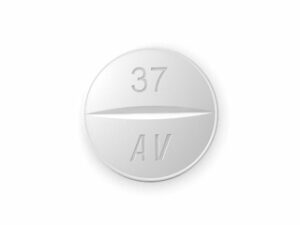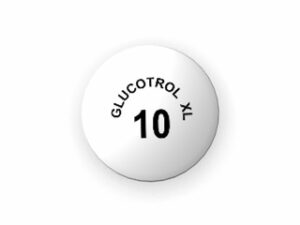


Actoplus Met (Metformin Hydrochloride) — Patient Guide (Australia)
Actoplus Met contains metformin hydrochloride, a medicine commonly used to help manage type 2 diabetes. This guide explains how metformin works, how it is typically taken, key precautions, common side effects, and practical tips for safe use in everyday life in Australia.
Always follow the advice of your healthcare professional and read the Consumer Medicine Information (CMI) provided with your medicine. Information below is general and may not replace individual recommendations.
Basic product information
- Medicine name: Actoplus Met
- Active ingredient: Metformin hydrochloride
- Therapeutic class: Biguanide antidiabetic medicine
- Used for: Type 2 diabetes management
- Common formulations: Tablets (strengths may vary by product)
Actoplus Met is usually taken as part of a broader diabetes plan that includes healthy eating, regular physical activity, and monitoring of blood glucose as advised.
How Actoplus Met works (mechanism of action)
Metformin primarily works by improving how your body uses glucose. It helps:
- Reduce glucose production in the liver: It helps limit the amount of glucose released into the bloodstream.
- Improve insulin sensitivity: Your body’s cells respond better to insulin, allowing glucose to move from the blood into cells for energy.
- Enhance glucose utilisation: Metformin supports normal metabolic pathways that reduce blood glucose.
In contrast to some diabetes medicines, metformin is less likely to cause low blood sugar (hypoglycaemia) when used alone, because it doesn’t directly stimulate the pancreas to release insulin.
Pharmacokinetics (how the body handles metformin)
“Pharmacokinetics” describes how a medicine is absorbed, distributed, metabolised, and eliminated. Key points for metformin include:
- Absorption: Metformin is absorbed from the gastrointestinal tract. Taking it with food can improve tolerability, especially in the early stages.
- Distribution: It distributes into body tissues, with the highest concentrations typically associated with relevant metabolic sites.
- Metabolism: Metformin is not extensively metabolised in the liver.
- Elimination: Most of the medicine is excreted unchanged in the urine.
- Kidney importance: Because metformin is cleared by the kidneys, kidney function is critical when considering dose and ongoing safety.
If you have reduced kidney function, your doctor may adjust your dose or consider alternative treatment.
Typical use in diabetes
Actoplus Met (metformin) is commonly used to:
- Lower blood glucose in adults with type 2 diabetes
- Support long-term diabetes control alongside lifestyle changes
- Be used alone or in combination with other diabetes medicines, depending on your blood glucose levels
It is often part of a stepwise approach, beginning with lifestyle measures and then adding medicine when needed. Your regimen may be adjusted over time based on HbA1c results, fasting glucose readings, and overall health.
When to take Actoplus Met (timing and routine)
Many people find metformin easier to tolerate when taken with meals. Your dosing schedule may vary depending on tablet strength and your prescribed plan.
- Take with food: This can help reduce stomach upset, including nausea or diarrhoea.
- Split dosing if advised: Some people take doses morning and evening to improve tolerability.
- Consistency matters: Try to take it at the same times each day.
- Missed dose: If you miss a dose, take it when you remember unless it is close to your next dose. Do not double up.
If your healthcare provider has given specific instructions, follow those instructions rather than general guidance.
Food interactions and what to watch for
Metformin has food-related considerations mainly related to tolerability. It does not have a major “food reaction” like some other medicines, but taking it with meals can reduce gastrointestinal side effects.
- Helpful: Take with or just after meals.
- Watch with heavy alcohol intake: Alcohol can increase the risk of a rare but serious condition called lactic acidosis (see safety section below).
- Diabetes meal planning: Metformin works best as part of an overall eating plan that controls glucose.
There are no widely recognised specific foods that must be completely avoided solely because of metformin, but individual diet and calorie balance still matter for diabetes control.
Alcohol interactions (important safety note)
Alcohol may increase risk for lactic acidosis, especially if you drink heavily, binge drink, are dehydrated, or have significant kidney or liver problems. Metformin should be used with caution around alcohol.
- Avoid binge drinking and keep alcohol intake moderate.
- Consider avoiding alcohol when unwell, especially with vomiting, diarrhoea, or poor food intake.
- Be extra cautious if fasting (e.g., prolonged fasting for cultural/religious reasons or illness).
If you’re unsure about what level of alcohol is safe for you, ask your pharmacist or doctor.
Medicine interactions (common ones to discuss)
Many medicines can affect blood glucose control and/or kidney function, which can change metformin safety. Some interactions may require closer monitoring or dose adjustment.
Tell your healthcare professional about all medicines and supplements you take, including:
- Other diabetes medicines (to manage overall hypoglycaemia risk)
- Diuretics (“water tablets”) and blood pressure medicines that affect kidney function
- Non-steroidal anti-inflammatory drugs (NSAIDs) used regularly (e.g., for pain/inflammation)
- Medicines that affect kidneys (including some antibiotics or contrast agents used for imaging)
- Alcohol-containing products (including some cough syrups)
- Certain medications for heart failure or circulation
- Glucocorticoids (e.g., prednisone) which may raise blood glucose
- Beta-2 agonists (e.g., salbutamol) used for asthma can affect glucose
A particularly important situation is iodinated contrast imaging (for scans). Kidney function may need assessment and metformin may need temporary adjustment before/after the procedure, depending on your risk profile.
Indications (who Actoplus Met is for)
Actoplus Met (metformin) is used for the treatment of type 2 diabetes. It may be used:
- As initial therapy alongside lifestyle changes in appropriate patients
- As monotherapy when suitable
- In combination with other glucose-lowering medicines when blood glucose is not adequately controlled
Your doctor will consider factors such as HbA1c, kidney function, body weight goals, and other health conditions.
Dosing guidance (general information)
Dosing varies by individual needs, kidney function, and the tablet strength available. The following is general educational guidance. Do not use this as a substitute for personalised dosing instructions.
Typical starting approach
- Start low: Many people begin with a lower dose to reduce stomach side effects.
- Gradual increase: Dose may be increased gradually based on blood glucose and tolerability.
- Take with food: This improves tolerability.
Kidney function considerations
Because metformin is removed by the kidneys, doctors usually evaluate kidney function before starting and during treatment. If kidney function is reduced, dosing may be lowered and monitoring may be more frequent.
Missed dose
- If you miss a dose, take it as soon as you remember unless it is nearly time for the next dose.
- Do not take two doses together to make up for the missed one.
Safety profile and important precautions
Common side effects
The most frequent side effects relate to the digestive system, especially when starting or increasing dose.
- Nausea
- Diarrhoea
- Vomiting
- Abdominal discomfort or bloating
- Loss of appetite
- Metallic taste (sometimes reported)
These often improve over time. Taking the tablet with food and using gradual dose changes can help.
Vitamin B12 and anaemia risk
Long-term metformin use has been associated with lower vitamin B12 levels in some people. Low B12 can contribute to anaemia and nerve-related symptoms.
- Your clinician may monitor B12 levels or blood tests over time, especially if you have symptoms.
- Discuss supplementation if recommended by your healthcare professional.
Serious but rare risk: lactic acidosis
A rare condition called lactic acidosis can occur, particularly when metformin accumulates due to significantly reduced kidney function or other high-risk situations (e.g., severe illness, dehydration, or oxygen deprivation).
Seek urgent medical help immediately if you experience symptoms such as:
- Severe or persistent vomiting
- Deep or rapid breathing
- Severe weakness, extreme tiredness
- Muscle pain
- Abdominal pain with feeling unwell
- Feeling unusually drowsy or confused
If you become acutely unwell (e.g., infection with poor intake), you should contact your healthcare professional for advice.
Who should take extra care
- People with kidney impairment
- Those with significant liver disease or heavy alcohol use
- People at risk of dehydration (vomiting, diarrhoea, reduced fluid intake)
- Patients undergoing certain imaging procedures using iodinated contrast
- People who are very elderly or frail (because kidney function may be lower)
Your clinician will weigh benefits and risks and may recommend monitoring or temporary changes during high-risk events.
Practical use tips for everyday life
- Build a routine: Link taking your dose to meals (e.g., breakfast and dinner).
- Start gradually: If you’re new to metformin, give your body time to adjust—follow your prescribed titration plan.
- Manage stomach upset: If side effects occur, taking with food and discussing dose adjustments with your pharmacist/doctor may help.
- Stay hydrated: Especially during hot weather, illness, or increased physical activity.
- Monitor glucose as advised: Record readings and bring them to review appointments.
- Attend regular reviews: HbA1c, kidney function, and other checks guide ongoing treatment.
- Know what “sick day” means: If you are vomiting, have diarrhoea, or cannot eat/drink normally, contact your healthcare professional for guidance on whether to temporarily pause certain medicines, including metformin.
Alternative options (if Actoplus Met isn’t suitable)
Treatment depends on your blood glucose goals, medical history, kidney function, and possible side effects. Depending on your situation, clinicians may consider:
- Other glucose-lowering medicines (classes differ in how they work and their side effect profiles)
- Insulin therapy in certain situations
- Diabetes education and lifestyle interventions (nutrition planning, weight management, activity)
- Formulation changes (e.g., extended-release products if available and suitable) to improve tolerability
If you experience ongoing side effects or have contraindications, discuss options with your healthcare professional rather than stopping metformin abruptly.
Australia market and legal context (high-level)
In Australia, diabetes medicines are regulated through the Therapeutic Goods Administration (TGA). Pharmaceutical products including metformin are supplied through pharmacies and are subject to quality, safety, and supply regulations.
Availability can vary by strength, brand, and formulation. Your pharmacist can advise on the specific product you’re buying and whether equivalent alternatives (such as different strengths or formulations of metformin) are appropriate for you.
For the most current product information, always refer to the relevant Consumer Medicine Information (CMI) and your clinician’s instructions.
Recent guidance (general themes)
While guidance can evolve, common themes in diabetes care in Australia include:
- Individualised treatment targets based on HbA1c and patient risk factors
- Ongoing kidney monitoring when using medicines cleared by the kidneys
- Attention to “sick day” management to reduce risks during acute illness
- Monitoring for vitamin B12 in people on long-term metformin
Delivery and availability (online pharmacy considerations in Australia)
Online pharmacies typically supply diabetes medicines to eligible customers across Australia subject to regulatory requirements. Availability depends on stock levels and the specific tablet strength/formulation.
- Stock status: Products may be listed as in-stock or subject to availability.
- Delivery times: Delivery speed varies by location and courier service.
- Packaging: Medicines are usually supplied in original packaging where possible.
- Order checks: Your pharmacy may contact you to confirm details before dispatch.
If you need the medicine urgently or have a specific strength requirement, contacting the pharmacy support team can help confirm the fastest option.
FAQ: Common questions about Actoplus Met (metformin)
1) What is Actoplus Met used for?
Actoplus Met is used to manage type 2 diabetes by lowering blood glucose and improving insulin sensitivity, alongside diet and exercise.
2) When should I take my dose?
Many people take metformin with meals to improve tolerability. Use the timing and schedule prescribed for you.
3) Will metformin cause low blood sugar?
Metformin alone is less likely to cause hypoglycaemia. However, when combined with other glucose-lowering medicines, the overall risk may increase depending on the combination.
4) Why do I feel nausea or diarrhoea after starting?
Digestive side effects are common when starting or increasing dose. They often settle as your body adjusts. Taking it with food and following a gradual dose plan can help.
5) Should I take Actoplus Met if I miss a meal?
If you miss a meal, follow your clinician’s advice. In general, taking with food can reduce stomach upset. If you’re frequently missing meals, discuss a practical routine with your pharmacist or doctor.
6) Can I drink alcohol while on metformin?
Alcohol should be used with caution because heavy alcohol intake can increase the risk of lactic acidosis. Avoid binge drinking and consider avoiding alcohol when you are unwell or dehydrated.
7) What should I do if I become sick or can’t eat/drink?
Acute illness (vomiting, diarrhoea, fever, dehydration) may increase risks. Contact your healthcare professional for guidance on whether metformin should be temporarily paused and how to monitor your blood glucose during the illness.
8) How long does it take to work?
Metformin begins lowering blood glucose relatively quickly, but the overall effect on HbA1c is assessed over about 2–3 months. Your doctor may adjust dosing based on regular glucose and HbA1c results.
9) Do I need blood tests while taking metformin?
Yes, your clinician may monitor kidney function and other parameters over time. If you take metformin long term, monitoring vitamin B12 may also be recommended.
10) Are there alternatives if metformin doesn’t suit me?
Yes. Depending on your health profile, your clinician may recommend other diabetes medicines, lifestyle approaches, or formulation changes to improve tolerability.
Summary
Actoplus Met (metformin hydrochloride) is a widely used medicine for type 2 diabetes. It helps lower blood glucose by reducing glucose production in the liver and improving insulin sensitivity. Most side effects are digestive and often improve when taken with meals. Kidney function and overall health are key to safe use. If you have concerns—especially about severe illness, dehydration, alcohol intake, or symptoms that suggest serious complications—seek medical advice promptly.
For the safest and most effective results, take your medicine exactly as directed, maintain your diabetes lifestyle plan, and attend recommended reviews.