
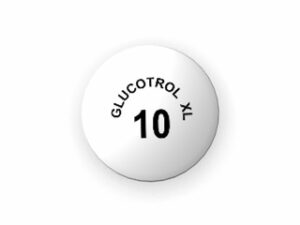
Glipizide (AUST) – Patient-Friendly Guide
Glipizide is an oral medicine used to help manage type 2 diabetes. It works by improving how your body releases insulin after meals. This page explains how glipizide works, how it’s usually taken, common side effects, important safety points, and what to consider with food, alcohol, and other medicines. It also includes general information relevant to Australia, including typical availability and guidance trends.
Note: Medicine names, strengths, and brands may vary. Always follow the instructions provided with your product and consult a healthcare professional for advice tailored to you.
Quick Facts
- Medicine: Glipizide
- Type: Sulfonylurea (oral blood glucose–lowering medicine)
- Used for: Type 2 diabetes to improve blood sugar control
- Common benefit: Helps lower blood glucose, especially after meals
- Key risk to know: Hypoglycaemia (low blood sugar)
- Typical timing: Often taken 15–30 minutes before meals
Basic Product Information
| Category | Details |
|---|---|
| Generic name | Glipizide |
| Therapeutic class | Sulfonylurea |
| How it’s taken | By mouth (tablets) |
| Typical dosing schedule | Usually once or twice daily depending on the formulation and prescribed plan |
| Common goal | Lower blood glucose and improve HbA1c over time |
How Glipizide Works (Mechanism of Action)
Glipizide belongs to the sulfonylurea class. In people with type 2 diabetes, the body may not produce enough insulin or may not use insulin effectively.
Glipizide works mainly by:
- Stimulating insulin release from the pancreas (beta cells), particularly when blood glucose is higher.
- Increasing insulin availability during times when you are eating, which helps reduce the rise in blood sugar after meals.
Important: Because glipizide increases insulin release, it can sometimes cause low blood sugar—especially if meals are skipped, intake is reduced, or dosing is not matched to your eating pattern.
Pharmacokinetics (Absorption, Metabolism, and Elimination)
“Pharmacokinetics” describes how your body handles a medicine—how it’s absorbed, processed, and removed.
Absorption
- Glipizide is absorbed through the gastrointestinal tract after oral dosing.
- For best effect, it’s commonly taken before meals, aligning its action with meal-related glucose increases.
Distribution
- It distributes into body tissues and acts primarily at pancreatic beta cells.
Metabolism
- Glipizide is metabolised mainly in the liver to less active metabolites.
Elimination
- Metabolites are eliminated through the kidneys (urine) and possibly other pathways depending on patient factors.
- Because it is metabolised in the liver, liver function can influence overall exposure and risk.
Clinical implication: Dosing may need adjustment in people with liver or kidney impairment, and extra care may be required to reduce hypoglycaemia risk.
Typical Use in Type 2 Diabetes
Glipizide is used to improve glycaemic control in type 2 diabetes when lifestyle changes (diet, physical activity, weight management) and other measures are not sufficient.
It may be used:
- Alone, or
- With other diabetes medicines (your clinician will decide what combination is safest and most effective for you).
Some people start with lifestyle changes only; others may start medication earlier based on HbA1c, symptoms, and overall health. Glipizide helps lower blood glucose, but long-term diabetes care also includes regular monitoring, eye/foot checks, and cardiovascular risk management.
When to Take Glipizide (Timing & Missed Dose)
Timing is important because glipizide is designed to work alongside meals.
- Typical timing: Often taken 15–30 minutes before a meal.
- With meals: Follow your exact dosing instructions. If you tend to eat at irregular times, discuss options with your healthcare professional.
If you miss a dose
- Take the dose when you remember if it is close to the next meal and your clinician/pharmacist has advised this.
- If it’s nearly time for your next dose, skip the missed dose and continue with your normal schedule.
- Do not double the dose to make up for a missed tablet.
Practical tip: If you skip meals, you may need guidance on whether to skip glipizide for that dose. Because glipizide can cause hypoglycaemia, do not improvise—ask your healthcare professional for clear meal-missed-dose instructions.
Food Interactions & Meal Considerations
Food timing is a major factor with glipizide:
- Do not skip meals after taking glipizide, as this increases the risk of low blood sugar.
- Try to maintain a consistent pattern of eating.
- If your appetite changes due to illness or other reasons, speak with your diabetes team promptly.
There are no “forbidden foods” in most cases, but the amount and timing of carbohydrate intake can affect blood sugar levels and may influence how likely you are to experience hypoglycaemia.
Advice for sick days
- If you are unwell and eating less, your risk of hypoglycaemia may increase.
- Keep monitoring blood glucose more frequently and seek medical advice for medication adjustments if you’re not able to eat normally.
Alcohol Interactions
Alcohol can affect blood sugar in several ways—by changing how the liver releases glucose and by reducing awareness of hypoglycaemia symptoms.
General guidance:
- Limit alcohol and avoid drinking on an empty stomach.
- Be cautious with binge drinking, as it can increase hypoglycaemia risk.
- Always monitor glucose more often if you choose to drink.
If you plan to drink alcohol, ask your pharmacist or prescriber about a personal safety plan based on your dose and how you usually respond.
Interactions With Other Medicines (Alcohol & Drug Combinations)
Glipizide may interact with medicines that affect blood sugar control, insulin sensitivity, or liver metabolism.
Medication interactions to discuss with your healthcare professional include:
- Other diabetes medicines (especially insulin or other agents that lower glucose)
- Some antibiotics (certain agents can affect glucose levels)
- Some antifungals
- Blood pressure medicines (in some cases, they may mask hypoglycaemia symptoms such as palpitations)
- Beta-blockers (may mask early warning signs of hypoglycaemia)
- Non-steroidal anti-inflammatory drugs (NSAIDs) and aspirin (depending on dose/agent; may influence glucose control in some people)
- Medicines that affect liver enzymes (some drugs can increase or decrease glipizide levels)
Herbal supplements: Some supplements can influence glucose or interact with diabetes medicines. Tell your pharmacist about anything you take, including “natural” products.
Safety rule: Before starting any new medicine, including short courses, confirm interaction risks with a pharmacist.
Indications (What Glipizide Is Used For)
Glipizide is indicated for the management of type 2 diabetes mellitus to improve glycaemic control, typically in conjunction with:
- Dietary management
- Physical activity
- Weight management (when appropriate)
- Other risk-reducing strategies, such as stopping smoking and managing blood pressure and cholesterol
It may not be suitable for everyone, and its continued use depends on effectiveness, safety, and individual health factors over time.
Dosing (General Information)
Dosing must be individualised. The information below is general and should not replace the instructions for your specific product.
Starting dose
- Clinicians usually start with a conservative dose to reduce hypoglycaemia risk.
- Dose selection may depend on age, kidney function, liver function, and baseline blood glucose.
Adjustment
- Dose increases (if needed) are typically made gradually based on blood glucose readings and HbA1c trends.
- Adjustment may occur every few days to weeks depending on monitoring and clinical response.
Maximum dose (varies by product/formulation)
- Your product information will contain maximum recommended daily dose. Follow that limit unless your prescriber provides specific guidance.
Special populations (extra caution)
- Elderly: Higher risk of hypoglycaemia; dosing may be lower and monitoring more frequent.
- Kidney impairment: May require more careful dosing and monitoring.
- Liver impairment: Metabolism occurs in the liver; dose and safety need careful evaluation.
- People who eat irregularly: Risk of hypoglycaemia increases if meals are skipped or delayed.
Safety Profile
Like all medicines, glipizide has potential side effects. Many are mild, but some require urgent action.
Common or possible side effects
- Hypoglycaemia (low blood sugar)
- Dizziness or shakiness
- Headache
- Nausea
- Weight gain (more common with sulfonylureas in some patients)
Serious side effects – get urgent help
Seek urgent medical attention if you experience severe hypoglycaemia or symptoms such as:
- Confusion, fainting, inability to swallow
- Seizure
- Loss of consciousness
Hypoglycaemia: recognition and response
Symptoms can include:
- Sweating, trembling
- Hunger, nausea
- Fast heartbeat or palpitations
- Blurred vision
- Irritability, difficulty concentrating
What to do:
- If you suspect low blood sugar, check your blood glucose if possible.
- Consume fast-acting carbohydrate (for example, glucose tablets or sugary drink), then re-check glucose if you can.
- Follow your diabetes action plan for when to seek further help.
Prevention: Do not skip meals. Ensure you take doses at the recommended times and monitor glucose, especially when starting or adjusting therapy.
Practical Use Tips for Safer, More Effective Treatment
- Keep a consistent meal routine: Taking glipizide without eating can increase hypoglycaemia risk.
- Monitor blood sugar: Especially after starting or when doses change. Your clinician may recommend specific testing schedules.
- Know your “early warning” symptoms: If you feel shaky, sweaty, or confused, treat hypoglycaemia promptly.
- Review other medicines: Tell your pharmacist about all current prescriptions, over-the-counter products, and supplements.
- Carry quick sugar: Consider keeping glucose tablets or a small sugary snack accessible.
- Be cautious with exercise: Physical activity can lower glucose. You may need to adjust food intake according to your diabetes plan.
- Plan for travel: Keep tablets in original packaging, store safely, and maintain dosing with meals at your destination.
Driving and operating machinery: If you experience hypoglycaemia symptoms, do not drive or operate machinery until you are safe and symptoms are resolved. Consider asking your doctor about driving safety in your particular situation.
Alternative Options (Depending on Your Needs)
Diabetes treatment is individual. If glipizide isn’t suitable (for example, due to repeated hypoglycaemia or insufficient effect), clinicians may consider other classes of medicines such as:
- Metformin (often first-line when appropriate)
- GLP-1 receptor agonists (injections; some oral options exist depending on product availability)
- DPP-4 inhibitors
- SGLT2 inhibitors
- Other sulfonylureas (in some cases)
- Insulin for advanced or poorly controlled diabetes
Your clinician will weigh benefits, risks, kidney function, cardiovascular considerations, cost, and convenience. For many patients, modern treatment strategies increasingly focus on lowering the risk of weight gain and hypoglycaemia while improving long-term outcomes.
Glipizide in the Australian Market: Availability & Legal Context
In Australia, diabetes medicines are supplied through community pharmacies and are regulated by the Therapeutic Goods Administration (TGA). Availability depends on product registrations, supply chains, and prescriber requirements under Australian health regulations.
What this means for you:
- Supply may vary by brand and tablet strength.
- Some formulations or strengths may have limited stock at times, especially during national supply disruptions.
- Australia-wide medication safety monitoring helps identify and manage product issues.
For the most accurate availability information, check product pages or contact the pharmacy service directly. Many online pharmacies also offer estimated delivery times and stock status updates.
Recent Guidance & Treatment Trends (General Overview)
Diabetes management guidance in Australia is influenced by evidence from clinical trials and updates from major diabetes organisations and professional bodies. While individual care plans vary, common themes in recent guidance include:
- Individualised treatment based on HbA1c, comorbidities (such as heart and kidney disease), hypoglycaemia risk, and patient preferences.
- Metformin is commonly used as a foundation if appropriate.
- GLP-1 receptor agonists and SGLT2 inhibitors may be favoured in people with certain cardiovascular or kidney considerations (depending on suitability and availability).
- Hypoglycaemia risk awareness, particularly with medicines that stimulate insulin release (including sulfonylureas).
Practical takeaway: Glipizide can remain a useful option for many people, but treatment plans may shift over time as your health status and available options change.
Delivery & Availability (Online Pharmacy Information)
Availability of glipizide products can vary depending on tablet strength, brand, and current inventory. Many online pharmacies in Australia can offer:
- In-stock status displayed on product pages (when provided)
- Estimated delivery times based on shipping region and courier service
- Secure packaging to protect tablets during transport
Delivery considerations:
- Check the delivery postcode and estimated dispatch time.
- Keep an eye on tracking updates if available.
- If you need the medicine urgently, contact support to confirm stock and shipping timelines.
Storage: Keep tablets in a cool, dry place, in the original container, and out of reach of children. Avoid exposing tablets to excessive heat or moisture.
Frequently Asked Questions (FAQ)
1. What is glipizide used for?
Glipizide is used to treat type 2 diabetes by helping your body release insulin, which lowers blood glucose—particularly around meal times.
2. How quickly does glipizide start working?
Glipizide begins acting relatively quickly after you take it, which is why it’s often scheduled before meals. The overall improvement in long-term control is assessed over weeks to months using HbA1c and glucose monitoring.
3. Can I take glipizide with food?
It’s commonly taken 15–30 minutes before meals so it can help with meal-related glucose rise. Follow your product instructions and clinician advice. Do not skip meals after taking it.
4. What should I do if I feel symptoms of low blood sugar?
Check your glucose if you can. Treat with fast-acting carbohydrate (such as glucose tablets or sugary drink). Re-check if possible and follow your diabetes action plan. For severe symptoms (confusion, fainting, seizures), seek urgent medical help.
5. Does alcohol increase the risk of side effects?
Yes. Alcohol can increase the risk of hypoglycaemia and may make it harder to notice symptoms. If you drink, do so cautiously—avoid drinking on an empty stomach and monitor your blood glucose more frequently.
6. What medicines commonly interact with glipizide?
Many medicines can affect blood sugar or glipizide metabolism. In particular, other diabetes medicines, some antibiotics/antifungals, beta-blockers, and medicines that affect liver enzymes may be relevant. Always check with a pharmacist before starting anything new.
7. Is glipizide safe for everyone?
Not necessarily. Safety depends on factors such as age, kidney and liver function, eating pattern, and your risk of hypoglycaemia. Your healthcare professional can determine whether glipizide is appropriate for you.
8. What if I have kidney or liver problems?
Extra caution may be needed. Because glipizide is metabolised in the liver and its metabolites are cleared by the kidneys, dosing and monitoring may need adjustment. Discuss your latest kidney/liver function results with your clinician.
9. Are there alternatives if glipizide causes low blood sugar?
Yes. Alternatives may include other diabetes medicines with different mechanisms and lower hypoglycaemia risk (depending on your health profile). Your prescriber can review options tailored to you.
10. How should I store glipizide?
Store tablets in a cool, dry place in their original packaging. Keep out of sight and reach of children. Avoid exposure to moisture and heat.
Summary
Glipizide is a sulfonylurea medicine used to manage type 2 diabetes by stimulating insulin release from the pancreas. It’s typically taken before meals and can be effective for improving blood glucose control. The key safety concern is hypoglycaemia, which is more likely if meals are skipped, doses don’t match your routine, or interacting medicines are used.
For the safest and most effective use of glipizide, follow your dosing schedule carefully, monitor your glucose as recommended, maintain regular meals, and consult a healthcare professional or pharmacist about interactions—especially when starting new medicines or planning alcohol intake.