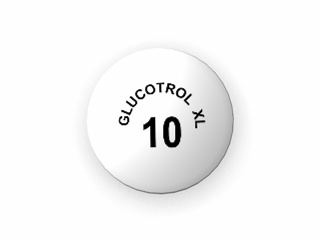

Glucotrol (Glipizide) – Patient Guide (Australia)
Glucotrol contains glipizide, a medicine used to help control blood glucose levels in people with type 2 diabetes. This page explains how glipizide works, how it’s commonly used, important safety information, and practical tips for safer everyday use in Australia.
| Category | Details |
|---|---|
| Active ingredient | Glipizide |
| Medicine type | Sulfonylurea (oral diabetes medicine) |
| Common purpose | Helps lower blood sugar in type 2 diabetes |
| How it works | Stimulates insulin release from the pancreas |
| Typical timing | Taken usually with meals to reduce low blood sugar risk |
| Key risk | Hypoglycaemia (low blood sugar) |
Basic product information
Brand name: Glucotrol
Generic name: Glipizide
Available forms: Glipizide may be supplied in different strengths and sometimes different release types depending on local availability. Your pharmacist or the product packaging will specify the exact formulation.
Who it is for: Adults with type 2 diabetes when blood glucose is not adequately controlled with lifestyle measures alone.
Important note: Diabetes management is individual. Doses and timing may differ based on your blood sugar patterns, age, kidney/liver function, and other medicines you use.
How Glucotrol works (mechanism of action)
Glipizide belongs to the sulfonylurea class. It lowers blood glucose mainly by:
- Increasing insulin release from the pancreas (beta cells), but only when blood glucose is elevated enough to stimulate insulin secretion.
- Improving glycaemic control by reducing fasting and post-meal glucose levels.
Because it increases insulin secretion, glipizide can sometimes cause blood sugar to fall too far, particularly if meals are missed, intake is reduced, or combined with other glucose-lowering medicines.
Pharmacokinetics (how the body processes glipizide)
Pharmacokinetics describes what happens after you take a medicine—how it is absorbed, metabolised, and eliminated.
- Absorption: Glipizide is generally absorbed from the gastrointestinal tract after oral dosing.
- Onset: Blood-glucose lowering typically begins within the hours after a dose, which is why timing with meals is important.
- Metabolism: Glipizide is metabolised extensively in the liver.
- Elimination: Metabolites are excreted mainly via the kidneys.
- Duration: The effect lasts long enough to require careful scheduling with food and/or other diabetes medicines.
In people with reduced liver or kidney function, glucose-lowering medicines may behave differently. Clinicians may choose conservative starting doses and monitor glucose more frequently.
Typical use in type 2 diabetes
Glucotrol is commonly used as part of a broader diabetes plan that includes:
- Dietary management
- Physical activity
- Weight management (if appropriate)
- Regular blood glucose monitoring as recommended
Depending on individual needs, glipizide may be used:
- Alone when diet and exercise are insufficient
- With other glucose-lowering medicines if targets are not reached
Indications (when Glucotrol is used)
Glipizide is indicated for the management of type 2 diabetes mellitus to improve glycaemic control. It is not used to treat type 1 diabetes and is generally not considered for diabetic ketoacidosis.
How to take Glucotrol – timing and meal interactions
Typical timing
Many people are advised to take glipizide with meals. The reason is practical and safety-focused: meals help reduce the chance of hypoglycaemia during the period when glipizide is stimulating insulin release.
- With breakfast (if once daily)
- With the first main meal (as directed by your prescriber/pharmacist)
- Divided doses may be recommended if your total daily dose is split (follow your medication instructions)
Food interactions
Glipizide’s blood sugar effect is closely linked to meal timing.
- Do not skip meals after taking a dose.
- If you eat less than usual, your blood glucose may drop more than expected.
- If you regularly have variable appetite, consider discussing a dose adjustment and a monitoring plan with your healthcare professional.
General dietary approach: Aim for consistent carbohydrate intake as advised by your diabetes educator or dietitian. Avoid “catching up” with large carbohydrate portions after a low reading unless advised by your care team.
Alcohol and medicine interactions
Alcohol can affect blood glucose in multiple ways, which may increase the risk of hypoglycaemia when taken with glucose-lowering medicines.
- Hypoglycaemia risk: Alcohol may lower blood sugar, particularly when taken with meals less than usual or during fasting.
- Timing matters: Delayed low blood sugar can occur, so extra caution is needed, especially if drinking causes you to eat differently than usual.
- Liver stress: Since glipizide is metabolised in the liver, heavy alcohol intake may affect drug handling indirectly.
Practical advice: If you choose to drink alcohol, do so cautiously and with food, and monitor your glucose more frequently—especially around the time of drinking and the following hours.
Other medicine interactions (important)
Some medicines can raise or lower blood glucose or affect liver metabolism, influencing glipizide’s effect. Always tell your pharmacist and healthcare team about all medicines and supplements you take.
Medicines that may increase the risk of low blood sugar
- Other diabetes medicines (especially insulin or other insulin secretagogues)
- Some antibiotics and anti-inflammatory medicines that may alter glucose control in certain people
- Some pain medicines and salicylates (aspirin-type medicines), which can affect glucose regulation
Medicines that may reduce glipizide’s glucose-lowering effect
- Corticosteroids (e.g., prednisone) can raise blood glucose
- Some diuretics and medicines used for other conditions can change glucose levels
- Some hormone therapies (depending on type)
General guidance
- Check each new medicine with your pharmacist before starting.
- Do not change glipizide dose without professional guidance.
- If you start a medicine that affects blood sugar, ask whether you should monitor more frequently.
Dosing (general information)
Dosing is individual. Your clinician will choose a starting dose and adjust it based on your blood glucose readings and safety profile.
Typical dosing approach
- Start low, go slow: Lower starting doses are often used in older adults or people at higher risk of hypoglycaemia.
- Titration: The dose may be increased gradually every so often depending on glucose results.
- Maximum dose: There is generally an upper limit based on product guidance; your doctor will not exceed the safe recommended maximum.
If you forget a dose
- Take your missed dose only if it is close to the time you would normally take it and you can eat appropriately.
- If it’s nearly time for the next dose, skip the missed dose and resume your usual schedule.
- Do not double up to make up for a missed dose.
If you take too much
An overdose or accidental extra dose can lead to hypoglycaemia. Symptoms can include sweating, shaking, dizziness, hunger, confusion, or loss of consciousness. Seek urgent help if you suspect overdose, particularly if you cannot manage it with fast-acting sugar.
Safety profile and common side effects
Like all medicines, glipizide may cause side effects. Not everyone gets them. Knowing the risks helps you respond early.
Most important risk: hypoglycaemia
Hypoglycaemia can happen with sulfonylureas because they increase insulin release. Risk is higher when you:
- Skip meals or eat less than usual
- Start higher doses
- Use other glucose-lowering medicines (especially insulin)
- Have kidney impairment or are older
- Exercise unexpectedly or more than usual
- Drink alcohol
Symptoms of low blood sugar may include:
- Shaking or trembling
- Sweating
- Hunger
- Fast heartbeat
- Dizziness or light-headedness
- Blurred vision
- Confusion or difficulty concentrating
- Headache
What to do: If you feel symptoms, check your blood glucose if possible. If low, treat with fast-acting carbohydrate (such as glucose tablets, glucose gel, or sugar/juice). Recheck as advised and consider longer-acting carbohydrates once stable. If severe symptoms occur, seek urgent medical assistance.
Other possible side effects
- Weight gain (seen with many insulin-stimulating diabetes medicines)
- Gastrointestinal upset (nausea, stomach discomfort)
- Headache
- Skin reactions (uncommon)
Serious but less common risks
- Severe hypoglycaemia (medical emergency)
- Liver problems (uncommon; report yellowing of eyes/skin or dark urine promptly)
- Allergic reactions (seek urgent help if swelling, rash with breathing difficulty, or anaphylaxis occurs)
Practical use tips (for everyday safety)
- Match dose to meals: Take glipizide at the time you plan to eat, and don’t skip meals.
- Monitor regularly: Use your recommended glucose monitoring schedule. If your readings suddenly change, check timing, food intake, and medication adherence.
- Be consistent: Regular meal patterns and consistent carbohydrate intake help avoid swings.
- Plan for activity: If you exercise more than usual, your glucose may drop—carry fast-acting carbohydrate.
- Carry quick sugar: Keep glucose tablets or sugar sachets available.
- Know the signs: Learn your low-blood-sugar symptoms, especially if you have “hypoglycaemia unawareness.”
- Stay hydrated: Dehydration can worsen diabetes control and complicate symptoms.
- Review medications: When you start antibiotics, steroids, or new chronic medicines, ask about effects on diabetes.
Special situations: when extra caution is needed
- Older adults: Often at higher risk of hypoglycaemia; dose adjustments may be needed.
- Kidney impairment: Increased risk of low blood sugar; clinicians may use lower doses and monitor closely.
- Liver impairment: Since metabolism occurs in the liver, monitor carefully and follow clinical advice.
- Illness (“sick day” rules): Fever, infection, reduced eating, vomiting, or dehydration can alter glucose levels. Seek guidance from your healthcare team about continuing or adjusting medication during illness.
- Pregnancy and breastfeeding: Glucose targets and medicines may change. Discuss safe options with your maternity care team.
Alternative options for type 2 diabetes
If glipizide is not suitable due to side effects, inadequate control, or risk factors, there are alternative medication classes. The best choice depends on your glucose pattern, weight considerations, kidney function, cardiovascular history, and preferences.
Common alternatives (examples)
- Metformin (often first-line): helps reduce glucose production by the liver
- DPP-4 inhibitors: generally lower glucose with a lower hypoglycaemia risk
- GLP-1 receptor agonists (injectable) and oral GLP-1 options: can improve glucose and may support weight loss
- SGLT2 inhibitors: help reduce glucose reabsorption in the kidneys
- Insulin: effective when needed for control; requires careful hypoglycaemia management
- Other sulfonylureas (different agents within the same class): sometimes considered for specific circumstances
Note: Only switch diabetes medicines under clinical guidance, as dose conversion and safety monitoring are required.
Market and legal context for Australia
In Australia, medicines for diabetes are supplied within a regulated framework that includes pharmaceutical standards, consumer safety requirements, and prescribing/dispensing rules. Availability, brand presentation, and supply models can vary between pharmacies and suppliers.
Regulatory expectations: Diabetes medicines should be used according to guidance from Australian healthcare professionals and relevant product information. Your pharmacist can provide information on correct use, interactions, and monitoring.
Recent guidance (general trends): Over recent years, Australian diabetes care has increasingly emphasised personalised therapy—balancing glucose control with risks such as hypoglycaemia and focusing on individual patient factors (for example, cardiovascular or kidney considerations). Many clinicians favour medicines with lower hypoglycaemia risk in selected patients, particularly where appropriate. Your care team will determine whether a sulfonylurea like glipizide remains a good option for your situation.
Delivery and availability (online pharmacy information)
Availability of Glucotrol and glipizide-containing products can vary by supplier, strength, and formulation. When ordering online in Australia:
- Confirm the exact strength and formulation shown in the listing.
- Choose delivery options that provide appropriate handling and timeframes.
- Some medicines may be subject to supply constraints; if a requested brand or strength is unavailable, the pharmacy may advise alternatives that match your needs.
- Your pharmacy will typically provide packaging and written product information with your order where required.
Storage: Follow the instructions on the pack. Generally, keep medicines at room temperature and away from moisture and direct sunlight. Keep out of reach of children.
FAQ – Frequently asked questions
1) What is Glucotrol used for?
Glucotrol (glipizide) is used to improve blood glucose control in adults with type 2 diabetes as part of a diabetes management plan.
2) How quickly does glipizide work?
Glucose-lowering can begin within hours after a dose. The effect depends on timing with meals and your individual response. Regular monitoring helps confirm how well it’s working for you.
3) Why should I take it with meals?
Because glipizide increases insulin release, taking it with meals helps reduce the chance of hypoglycaemia. Skipping meals increases risk.
4) What should I do if I feel symptoms of low blood sugar?
Check your blood glucose if possible. Treat low blood sugar with fast-acting carbohydrate (e.g., glucose tablets or juice), then recheck as advised. If severe symptoms occur, seek urgent medical help.
5) Can I drink alcohol while taking Glucotrol?
Alcohol may increase the risk of low blood sugar. If you drink, do it cautiously and with food, and monitor your glucose more closely.
6) Are there medicines I should avoid with glipizide?
Some medicines can affect blood glucose or the liver’s processing of medications. Always discuss your full medicine list with your pharmacist, especially antibiotics, corticosteroids, and other diabetes medicines.
7) What happens if I miss a dose?
If you miss a dose, take it only if it’s close to your usual schedule and you can eat appropriately. Otherwise skip it and resume your normal timing. Do not double doses.
8) Is Glucotrol safe for everyone with diabetes?
Not necessarily. The risk of hypoglycaemia is higher in some people (such as older adults, those with kidney impairment, or those with irregular eating patterns). Your clinician will assess suitability for you.
9) What are safer alternatives if I’m getting hypos?
Depending on your circumstances, clinicians may recommend different classes such as metformin, DPP-4 inhibitors, GLP-1 receptor agonists, SGLT2 inhibitors, or other approaches with lower hypoglycaemia risk. Discuss options promptly if hypoglycaemia occurs.
10) Where can I find the official product information?
The packaging and the accompanying consumer medicine information (CMI), provided with your dispensed medicine, contain detailed instructions and safety information.
When to seek urgent help
Seek urgent medical assistance if you experience:
- Severe hypoglycaemia (confusion, unable to swallow, seizure, fainting)
- Signs of a serious allergic reaction (swelling of face/lips, difficulty breathing)
- Symptoms suggesting liver problems (yellowing of skin/eyes, dark urine)
- Persistent vomiting or inability to eat during illness
Remember: Diabetes care is a partnership. Regular glucose checks, consistent meal timing, and ongoing reviews with your healthcare team are key to safe and effective use of glipizide.