Actos (Pioglitazone) – Patient Information (Australia)
Actos contains pioglitazone, a medicine used to help control type 2 diabetes. This guide explains how Actos works, how it is typically taken, common safety considerations, and what to expect in day-to-day use. It is written for patients and carers, and it is not a substitute for advice from your health professional.
Quick Facts
- Active ingredient: Pioglitazone
- Medicine type: Thiazolidinedione (TZD)
- Used for: Type 2 diabetes (often with diet and exercise; sometimes with other glucose-lowering medicines)
- How it works: Improves insulin sensitivity in muscle and fat
- Typical dosing: Usually once daily
- Important considerations: Fluid retention/heart failure risk, weight gain, monitoring of liver function, eye checks if you have diabetes
Basic Product Information
| Category | Details |
|---|---|
| Brand name | Actos |
| Generic name | Pioglitazone |
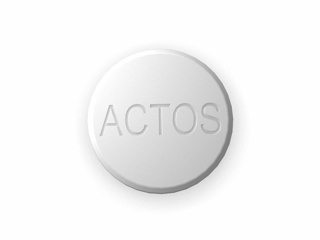
| Form | Tablets (strengths may vary by market and availability) |
| How it’s taken | Usually once daily by mouth |
| Common role in therapy | Monotherapy or add-on to other glucose-lowering treatments |
| Medicinal effects | Lowering blood glucose by improving insulin sensitivity |
How Actos Works (Mechanism of Action)
Actos (pioglitazone) belongs to the thiazolidinedione (TZD) class. It primarily works by improving the body’s response to insulin rather than directly increasing insulin release.
In people with type 2 diabetes, insulin resistance develops—meaning the body doesn’t use insulin effectively. Pioglitazone activates a specific receptor pathway (commonly described as PPAR-γ), which helps:
- Increase insulin sensitivity in fat and muscle
- Improve utilisation of glucose by tissues
- Reduce blood glucose levels over time
Key point: Because Actos works mainly by changing how your body responds to insulin, its glucose-lowering effect can build gradually.
Pharmacokinetics (What the Body Does to the Medicine)
Pharmacokinetics describes how the body absorbs, distributes, metabolises, and eliminates pioglitazone.
- Absorption: Pioglitazone is absorbed after oral administration. Mean onset of effects on glucose may take days to weeks, with fuller benefits often seen after several weeks.
- Protein binding: Pioglitazone is substantially bound to plasma proteins.
- Metabolism: It is metabolised mainly in the liver. Active metabolites may contribute to overall activity.
- Half-life: Pioglitazone and its metabolites persist for a relatively long time, supporting once-daily dosing.
- Excretion: Metabolites are eliminated mainly via bile/faecal routes.
Practical implication: Missing a dose occasionally is usually less likely to cause immediate dramatic changes in blood glucose compared with some other medicines, but consistent daily dosing is important for best results.
What Actos Is Used For (Indications)
Actos is used in type 2 diabetes as part of management to improve blood sugar control.
It may be prescribed:
- As monotherapy when suitable or when other medicines are not appropriate
- In combination therapy with other glucose-lowering agents (for example, metformin or other treatments) when single therapy is not enough
Your clinician will tailor treatment based on your blood glucose pattern, other conditions (especially heart-related conditions), and your overall risk factors.
Typical Use and Treatment Timing
When and how long it takes to work
- Some improvement in blood glucose may be noticed within the first couple of weeks.
- Peak effect may take longer—often several weeks.
- Clinicians typically reassess HbA1c and overall response after a period of consistent use.
How to take Actos
Actos is usually taken with or without food. Choose a time that is easy to remember.
- Take the tablet at the same time each day.
- Swallow the tablet whole with water.
- If you miss a dose, take it when you remember unless it is close to your next dose. Do not take double doses.
Dosing (Adults)
Dosing should be individualised by your prescriber. The information below is general and not a personal dosing instruction.
Starting dose (common approach)
- Many adults start at a lower dose to reduce the chance of side effects, especially fluid retention and weight changes.
Adjustments
- The dose may be increased gradually depending on your blood glucose results and tolerance.
- Blood glucose measurements and HbA1c guide dose changes.
Special populations
- Older adults: Dose selection should be cautious; monitoring for fluid retention and heart-related symptoms is important.
- Liver impairment: Actos should generally be avoided or used with caution depending on liver function. Liver tests may be required before and during therapy.
- Kidney impairment: Your clinician will decide the safest approach. Dose may be adjusted based on individual circumstances.
Never change your dose without guidance from a health professional.
Food Interactions
Pioglitazone can generally be taken with or without food. Food does not typically require timing adjustments.
Tip: If your stomach feels unsettled, taking your dose with a meal may improve comfort. Keep your routine consistent.
Alcohol and Medicine Interactions
Alcohol with Actos
Alcohol can affect blood glucose control and may increase risk of side effects. In general, it’s best to:
- Keep alcohol intake modest
- Monitor blood glucose more frequently if you drink
- Avoid binge drinking
If you have liver disease, fatty liver, or elevated liver enzymes, alcohol can be especially risky—discuss your alcohol use with your clinician.
Medicine interactions (important examples)
Pioglitazone is metabolised by liver enzymes. Several medicines can affect its levels. It’s important to tell your pharmacist or clinician about all medicines and supplements you use, including:
- Other diabetes medicines: The overall glucose-lowering effect may increase, potentially increasing risk of low blood sugar (particularly if combined with medicines that can cause hypoglycaemia).
- Enzyme inducers: Some medicines can reduce pioglitazone levels, possibly lowering effectiveness.
- Enzyme inhibitors: Other medicines may increase pioglitazone levels, possibly increasing side effects.
- Heart medicines/diuretics: Because of fluid retention risk, clinicians often monitor carefully if you take medicines affecting circulation or fluid balance.
Safety note: Do not start, stop, or combine medicines without checking for interactions.
Safety Profile and Side Effects
Like all medicines, Actos can cause side effects. Many people tolerate pioglitazone well, but certain risks require attention.
Common side effects
- Weight gain
- Swelling (oedema) in ankles/legs
- Increased appetite
- Upper respiratory symptoms (in some people)
Serious risks (seek urgent advice)
Contact a healthcare professional promptly (or seek emergency care depending on severity) if you experience:
- Symptoms of heart failure: shortness of breath, rapid weight gain, swelling in legs/feet, unusual fatigue, or waking up breathless at night.
- Signs of fluid overload: sudden increase in swelling or breathlessness.
- Allergic reactions: rash, itching, swelling of face/lips, severe dizziness, trouble breathing.
Liver monitoring
Pioglitazone may affect liver function in some cases. Your prescriber may request blood tests before starting and possibly during treatment.
Bladder and other concerns
There have been long-standing discussions in medical literature regarding a potential association between pioglitazone and bladder-related effects. Whether and how strongly that risk applies can vary by study and patient factors. Your clinician will weigh potential benefits against risks in your personal situation.
Bone fracture risk
Some studies have reported an increased risk of fractures (particularly in certain populations). Clinicians may consider bone health, fall risk, and vitamin D/calcium status where relevant.
Vision changes
Diabetes itself can affect vision. Some people may also experience fluid shifts that could worsen eye symptoms. Seek medical advice if you notice sudden changes in vision.
Practical Use Tips
- Set a daily routine: Take Actos at the same time each day.
- Monitor your body weight: If you notice rapid weight gain (for example, over a few days), contact your clinician—this can be a sign of fluid retention.
- Be alert to swelling and breathlessness: These can be early indicators of fluid imbalance.
- Keep up with diabetes monitoring: Follow your plan for blood glucose checks and HbA1c testing.
- Stay active and eat sensibly: Exercise and nutrition remain essential for diabetes management.
- Don’t forget other medications: If you’re on combination therapy, continue as directed unless advised otherwise.
Alternative Options for Type 2 Diabetes (Overview)
There are multiple treatment options for type 2 diabetes. Your best choice depends on your HbA1c, kidney function, heart and vascular history, weight goals, and risk of side effects.
Common alternatives to discuss with your clinician
- Metformin (often first-line)
- Sulfonylureas (can lower glucose but may increase hypoglycaemia risk)
- DPP-4 inhibitors
- SGLT2 inhibitors (often considered when kidney/heart risk is relevant)
- GLP-1 receptor agonists and other injectables (some options support weight loss)
- Insulin where needed
Why alternatives matter: If you have heart failure risk, significant oedema, or other contraindications, Actos may not be the preferred option. Your clinician can help choose a regimen balancing glucose control with safety.
Australia: Market and Legal Context
In Australia, diabetes medicines are supplied through the usual pharmacy system and are governed by national medicines regulation.
- Regulatory oversight: Medicines are assessed by the Therapeutic Goods Administration (TGA).
- Quality and safety standards: Products supplied in Australia must comply with Australian regulatory requirements.
- Clinical governance: Diabetes management typically follows guidance from organisations such as the National Health and Medical Research Council (NHMRC) and the Australian Diabetes Society, as well as current clinical practice recommendations.
Note: Availability, tablet strengths, and reimbursement arrangements can vary by state, pharmacy, and individual eligibility (for example, PBS status where applicable).
Recent Guidance and Clinical Monitoring (Practical Summary)
Clinical guidance for type 2 diabetes continues to evolve, with increasing attention to heart and kidney outcomes and to individualised therapy selection.
In general, clinicians may:
- Assess baseline and ongoing suitability for TZDs, especially in relation to heart failure risk and oedema
- Monitor for weight gain and fluid retention
- Consider liver function testing
- Review concurrent medications for interaction risk
Always follow your healthcare professional’s monitoring plan, which is tailored to your medical history.
Delivery and Availability (Online Pharmacy)
Actos availability can vary depending on stock levels and tablet strength. Online pharmacies in Australia typically offer:
- Ordering: Place your order through the website with the required product details.
- Dispatch: Orders are usually dispatched after confirmation and processing.
- Packaging: Medicines are shipped in protective packaging to maintain integrity.
- Tracking: Many services provide tracking updates.
Storage: Store tablets at room temperature in a dry place, protected from moisture and heat, and keep out of reach of children.
If a specific strength is temporarily unavailable, the pharmacy may contact you to discuss options such as alternative strengths or ordering from suppliers, depending on local supply processes.
Warnings and When to Seek Advice
Before using Actos, tell your clinician if you have:
- A history of heart failure or significant swelling
- Liver disease or previously abnormal liver tests
- Bladder problems or blood in urine (discuss your personal risk factors)
- A history of fractures or osteoporosis risk
- Eye problems related to diabetes
Stop and get medical help if you develop
- Breathlessness, swelling that worsens quickly, or signs of heart failure
- Unexplained severe fatigue, nausea/vomiting with signs of liver trouble (your clinician may advise urgent review)
- Allergic symptoms such as facial swelling, wheezing, or severe rash
FAQ – Actos (Pioglitazone)
1) What is Actos used for?
Actos (pioglitazone) is used to improve blood sugar control in type 2 diabetes. It works by improving insulin sensitivity in body tissues.
2) How quickly will I see results?
Some effects may appear within the first couple of weeks, but the full glucose-lowering benefit can take several weeks. Your HbA1c is usually rechecked after a suitable interval to assess overall response.
3) Should I take Actos with food?
Actos can generally be taken with or without food. Choose the option that best helps you remember and tolerate the dose.
4) Can I drink alcohol while taking Actos?
Moderate alcohol intake is generally the safest approach. Alcohol can influence blood glucose and may increase risk of side effects. If you have liver issues, extra caution is needed—discuss your alcohol use with your clinician.
5) What are the most common side effects?
The most commonly reported issues include weight gain and swelling (oedema). If you notice rapid weight changes or increasing swelling, seek medical advice.
6) Is Actos safe for people with heart problems?
Actos can cause fluid retention. People with or at risk of heart failure require careful evaluation and monitoring. Your prescriber will decide if it’s appropriate for you.
7) Will Actos cause low blood sugar?
Actos on its own typically has a low risk of causing hypoglycaemia. However, when combined with other medicines that can cause low blood sugar (such as insulin or certain agents), the risk may increase.
8) What should I do if I miss a dose?
Take it as soon as you remember unless it is close to your next dose. Do not take a double dose to make up for a missed one. If you’re unsure, ask your pharmacist.
9) Does Actos interact with other diabetes medicines?
Yes, combined treatment can increase glucose-lowering effects. Your clinician may adjust other doses to reduce the risk of low blood sugar and side effects.
10) How is Actos different from metformin or newer diabetes tablets?
Metformin reduces glucose production mainly in the liver, while pioglitazone improves insulin sensitivity. Newer options may target insulin secretion, glucose reabsorption in the kidney, or appetite/insulin pathways. Selection depends on your medical history, including heart and kidney factors.
Summary
Actos (pioglitazone) is a type 2 diabetes medicine that helps control blood glucose by improving insulin sensitivity. It is typically taken once daily and can take several weeks to reach its best effect. Patients should be aware of safety considerations—especially fluid retention and heart failure risk, weight gain, and the need for appropriate monitoring such as liver tests when advised. Maintaining lifestyle changes and following your healthcare professional’s monitoring plan are essential for safe and effective treatment.