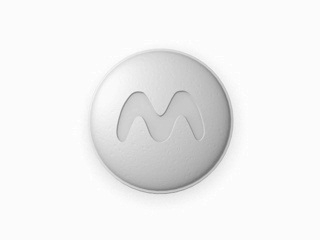
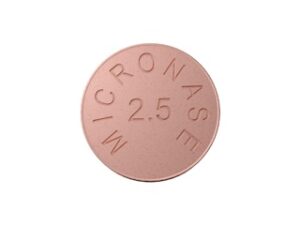
Metformin (Metformin Hydrochloride) — Patient Guide (Australia)
Metformin (metformin hydrochloride) is a widely used medicine for improving blood sugar control and supporting long-term management of metabolic conditions. It belongs to the class of medicines known as biguanides. In Australia, metformin is commonly used for people with type 2 diabetes, and it is also used in some settings where clinicians aim to improve insulin sensitivity.
This guide explains how metformin works, typical uses, how to take it safely, what to expect, and how to reduce common side effects. It is written to be patient-friendly and practical for everyday life.
Basic product information
| Item | Details |
|---|---|
| Generic name | Metformin (metformin hydrochloride) |
| Medicine group | Biguanide antidiabetic medicine |
| Common strengths | Available in different strengths depending on brand and formulation |
| Common formulations | Immediate-release and extended-release (ER) versions may be available |
| Typical use | Improving blood glucose control in type 2 diabetes; sometimes used in other clinical scenarios |
| Key safety focus | Gastrointestinal side effects; rare risk of lactic acidosis—higher concern in severe illness or dehydration |
Brand names vary. Your pharmacist can help confirm the specific product you are buying (for example, whether it is immediate-release or extended-release).
How metformin works (mechanism of action)
Metformin helps lower blood glucose primarily by improving the way your body handles glucose. It works through several mechanisms, including:
- Reducing glucose production in the liver (metformin decreases hepatic gluconeogenesis).
- Improving insulin sensitivity in muscle and other tissues, allowing glucose to move into cells more effectively.
- Increasing glucose uptake in peripheral tissues.
- Lowering absorption of glucose from the intestines (in some circumstances).
Unlike some other diabetes medicines, metformin usually does not directly stimulate the pancreas to release insulin, which means it has a lower risk of causing hypoglycaemia (low blood sugar) when used alone. However, the risk can change if it is combined with other glucose-lowering medicines.
Pharmacokinetics (how the body handles metformin)
“Pharmacokinetics” describes what the body does to a medicine—how it is absorbed, distributed, metabolised, and eliminated. Key points for metformin include:
- Absorption: Metformin is absorbed from the gastrointestinal tract. Food can affect how fast it reaches peak levels, but not necessarily how much is absorbed overall.
- Distribution: Metformin distributes into body tissues and is not extensively metabolised by the liver.
- Metabolism: Metformin is generally not significantly metabolised.
- Elimination: Most metformin is eliminated through the kidneys (renal excretion). This is why kidney function matters for safe use.
-
Immediate-release vs extended-release:
- Immediate-release versions typically reach peak levels sooner.
- Extended-release (ER) formulations release metformin more slowly, often reducing gastrointestinal side effects.
Because elimination depends largely on kidney function, people with reduced renal function may need adjusted dosing or special monitoring.
Typical uses and indications
Metformin is mainly used to manage type 2 diabetes. Depending on your clinical situation, your clinician may also consider metformin for other insulin-resistance related conditions.
Indications commonly include:
-
Type 2 diabetes mellitus:
- To improve blood glucose control
- Often as first-line therapy when appropriate
- May be used alone or in combination with other glucose-lowering medicines
- Insulin resistance–related scenarios (where clinically appropriate), under specialist or guideline-based care
Your prescribed or recommended regimen should reflect your health history, blood sugar results, and how well you tolerate the medicine.
When to take metformin (timing and routine)
The best timing depends on whether you are using immediate-release or extended-release metformin, and how your dosing schedule was set up.
General patient-friendly timing tips
- Take it with meals if advised (this can reduce stomach upset).
- Split doses if prescribed more than once daily (commonly with breakfast and evening meal).
-
For extended-release (ER) products:
- Often taken once daily with the evening meal, depending on the product instructions.
- Swallow whole—do not crush or chew ER tablets unless the product instructions specifically allow it.
- Consistency helps: Try to take doses at similar times each day to support steady blood levels.
If you miss a dose, follow the instructions provided with your medicine or speak with your pharmacist for guidance tailored to your dosing schedule.
Food interactions (what to eat and drink)
Food plays an important role in how metformin is tolerated:
- Taking metformin with or after food may reduce common gastrointestinal side effects such as nausea, diarrhoea, or abdominal discomfort.
- ER formulations may be particularly helpful for people who experience stomach upset on immediate-release metformin.
There are no “forbidden foods,” but it’s important to maintain a healthy diet as part of diabetes management. Pairing medicine with lifestyle changes—such as appropriate carbohydrate intake, physical activity, and weight management—can improve outcomes.
Alcohol and medicine interactions
Alcohol can affect glucose levels and may increase the risk of adverse effects in certain situations. With metformin, extra caution is recommended—particularly during illness or dehydration.
Practical alcohol guidance
- Avoid binge drinking. Heavy alcohol intake can increase the likelihood of dehydration and metabolic complications.
- Be cautious when sick (e.g., vomiting, diarrhoea, or fever), as the risk profile changes.
- Check with your pharmacist or clinician if you plan to drink alcohol regularly or in large amounts.
Interactions with other medicines
Metformin interactions can depend on kidney function, the presence of other medicines, and the specific situation. Common areas where interactions may occur include:
- Medicines that affect kidney function (e.g., certain blood pressure medicines, diuretics, or NSAIDs) may influence metformin levels indirectly.
-
Some medicines used for diabetes or blood sugar:
- Combining with insulin or insulin secretagogues can increase hypoglycaemia risk.
- Combination therapy may require dose adjustments and glucose monitoring.
- Contrast dye (iodinated contrast) used for imaging: Some guidelines recommend temporary precautions for metformin around contrast procedures, especially in people with kidney impairment. Your clinician or radiology team can advise on timing.
Always tell your pharmacist or clinician about all medicines and supplements you take. This includes over-the-counter products.
Safety profile: benefits and important precautions
Common side effects
- Gastrointestinal upset: nausea, diarrhoea, abdominal discomfort, bloating, or reduced appetite
- Metallic taste (sometimes reported)
- Usually improves over time, especially when starting with a lower dose and taking with food
If you experience severe or persistent symptoms, contact your healthcare provider. ER formulations may help some patients who struggle with stomach side effects.
Less common but serious risks
-
Lactic acidosis (rare):
Lactic acidosis is uncommon but serious. Risk may increase in situations such as severe kidney impairment, significant dehydration, serious infection, or conditions where oxygen delivery is reduced. Seek urgent medical attention if you develop concerning symptoms such as:
- Deep or rapid breathing
- Severe weakness, unusual sleepiness, or persistent vomiting
- Severe abdominal pain
- Muscle pain
Who needs extra caution
- People with reduced kidney function
- Older adults (kidney function may decline with age)
- People at risk of dehydration (e.g., frequent vomiting/diarrhoea, heavy sweating)
- People with severe infection or significant illness
- Those undergoing imaging with contrast (precautions may be recommended)
Dosing: how metformin regimens are commonly set up
Dosing is individual and depends on factors such as kidney function, current blood glucose levels, and which formulation you use. Your pharmacist can help ensure you understand the exact schedule written for you.
Common starting approach
- Many patients start with a low dose to improve tolerance.
- The dose may then be increased gradually (often every 1–2 weeks or as advised) depending on blood sugar goals and side effects.
ER vs immediate-release dosing patterns
- Immediate-release: may be taken one to multiple times daily, often split with meals.
- Extended-release (ER): often taken once daily with the evening meal (follow your product’s instructions and your clinician’s plan).
Do not change your dose without guidance. If you have concerns about side effects or blood sugar results, ask your healthcare team.
If you want, share the exact product strength and frequency on your label, and you can ask your pharmacist how it should be taken.
Practical use tips for better tolerance and results
- Start low and go slow: gradual titration is often key to reducing stomach side effects.
- Take with meals: especially at the start or when increasing dose.
- Consider ER if GI symptoms occur: talk to your clinician or pharmacist if immediate-release causes persistent diarrhoea or nausea.
- Stay hydrated: especially during hot weather or when unwell.
- Monitor blood glucose if you have been asked to (and keep track of readings for your clinic reviews).
- Know sick-day rules: if you are vomiting, have severe diarrhoea, or cannot keep fluids down, contact your clinician for advice. In some situations, temporary holding of metformin may be recommended.
- Vitamin B12 monitoring: long-term metformin use may lower vitamin B12 levels in some people. Your clinician may check B12 and recommend supplementation if needed.
Alternative options to metformin
Metformin is frequently chosen due to its effectiveness, long history of use, and generally favourable safety profile. Depending on your goals and health situation, there are other treatments available for type 2 diabetes and insulin resistance.
Possible alternatives (examples)
- Other oral glucose-lowering medicines (your clinician may consider suitability based on kidney function and other conditions)
- Injectable medicines used to improve blood sugar control (selected based on cardiovascular and weight considerations where relevant)
- Insulin in appropriate cases
- Lifestyle interventions: diet, weight management, and physical activity remain core components of diabetes care.
The “best” alternative depends on your individual health profile, blood sugar patterns, and side effect preferences. Discuss options with a healthcare professional.
Australia: market, legal and regulatory context
In Australia, medicines are regulated under the Australian regulatory framework administered by the Therapeutic Goods Administration (TGA). Availability and classification depend on the product and formulation.
For online purchasing, you may be required to meet Australian pharmacy and eligibility requirements, such as providing relevant documentation where applicable and following product-specific supply rules.
Product availability, brand options, and formulation types (such as immediate-release or extended-release) can vary by supplier. Always check the exact item details on the product page before ordering.
Recent guidance and evolving best practice (what to know)
Clinical recommendations for diabetes management can evolve. In recent years, key themes in guidance relevant to metformin use include:
- Personalised selection based on kidney function, cardiovascular risk, weight goals, and tolerability.
- Renal safety emphasis: kidney function assessment and dose adjustments remain important because metformin is cleared by the kidneys.
- GI-tolerability strategies: gradual dose titration and use of extended-release formulations for better stomach tolerability.
- Vitamin B12 awareness for long-term users.
- Periprocedural precautions around contrast imaging and serious illness (commonly referred to as “sick-day rules”).
Your healthcare team may update your plan based on the most current standards of care and your test results.
Delivery and availability (Australia)
Metformin availability may vary depending on brand, strength, and whether the product is immediate-release or extended-release. Online pharmacies in Australia may offer:
- Standard delivery to metro and regional areas (timeframes depend on location and courier)
- Tracking updates after dispatch
- Secure packaging to protect tablets from damage
Delivery timing is influenced by stock levels and processing time. Before ordering, check:
- Estimated dispatch time
- Delivery timeframe to your postcode
- Return or replacement policies (if applicable)
- Any requirements for identity verification or eligibility checks
If you need urgent supply for continuity of care, contact customer support to ask about expedited options where available.
FAQ: common questions about metformin
1) Is metformin safe for most people?
Metformin is widely used and generally well tolerated. Safety depends on factors such as kidney function, overall health, and how you respond to treatment. People with reduced kidney function or severe illness may require extra caution.
2) Why do I feel sick after starting metformin?
Gastrointestinal symptoms like nausea, diarrhoea, or abdominal discomfort are common—especially early in treatment or after dose increases. Taking metformin with food and using gradual dose escalation can help. Extended-release formulations may also reduce symptoms.
3) What should I do if I miss a dose?
Follow the directions provided with your medicine or speak with your pharmacist. In general, if you remember soon, you may take the dose—unless it’s close to the next dose. Avoid taking double doses to “catch up.”
4) Can I take metformin on an empty stomach?
You may be able to, but many people experience more side effects without food. Taking metformin with meals is commonly recommended to improve tolerance. Follow your product label and advice from your healthcare professional.
5) Does metformin cause weight gain?
Metformin is generally considered weight-neutral or may support modest weight effects. Individual results vary, and lifestyle changes still play a major role.
6) Will metformin lower my blood sugar too much?
When used alone, metformin usually has a low risk of hypoglycaemia. The risk can be higher when combined with insulin or medicines that directly stimulate insulin release. If you experience symptoms of low blood sugar (such as sweating, shaking, dizziness, or confusion), check your glucose and seek medical advice.
7) Should I stop metformin if I’m sick?
If you have vomiting, severe diarrhoea, fever, or you’re unable to keep fluids down, contact your clinician for advice. In some circumstances, temporary suspension may be recommended to reduce risk during dehydration or severe illness.
8) Does metformin interact with kidney function?
Yes. Metformin is eliminated by the kidneys, so kidney impairment can increase metformin levels. That’s why clinicians may assess renal function and adjust dosing accordingly.
9) Can I drink alcohol while taking metformin?
Moderate alcohol may be acceptable for some people, but caution is important—particularly to avoid binge drinking and to stay hydrated. If you have liver disease, kidney impairment, or you’re unwell, ask your pharmacist or clinician for personalised guidance.
10) How long does it take to work?
Metformin begins working after doses build up in your body, and you may notice blood glucose improvements within days to weeks. Your clinician typically reviews response using blood sugar monitoring and routine diabetes check-ups.
When to seek urgent medical help
Seek urgent medical attention if you develop concerning symptoms such as:
- Severe shortness of breath, deep rapid breathing
- Severe weakness, persistent vomiting, or severe abdominal pain
- Signs of dehydration (for example, inability to drink, fainting, very reduced urination) during significant illness
If you’re unsure whether symptoms could be related to your medicine, contact a healthcare professional promptly.
Summary
Metformin (metformin hydrochloride) is a cornerstone medicine for managing type 2 diabetes by reducing liver glucose production and improving insulin sensitivity. It is usually taken with meals to improve tolerance, with dosing often increased gradually to minimise gastrointestinal effects. Kidney function, hydration, and sick-day precautions are important to use metformin safely. For many patients in Australia, metformin provides effective long-term blood sugar control with a generally favourable safety profile.