
Molnunat (Molnupiravir) — Patient Information (Australia)
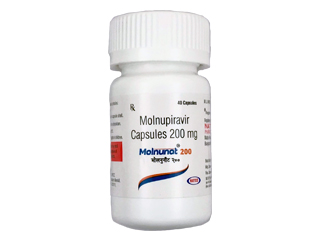
Molnunat is a brand of molnupiravir, an antiviral medicine used to treat certain adults with COVID-19. This page explains how Molnunat works, how it is taken, key safety information, and what to expect. Always follow the directions provided by your healthcare professional and the product packaging for your specific situation.
Important: Antiviral medicines work best when started early. If Molnunat is appropriate for you, it should generally be started as soon as possible after diagnosis and within the recommended time window.
Basic product information
| Feature | Details |
|---|---|
| Medicine name | Molnunat (molnupiravir) |
| Medicinal ingredient | Molnupiravir |
| What it is used for | Treatment of mild-to-moderate COVID-19 in adults at higher risk of developing severe disease (where criteria apply) |
| How it is taken | Oral (by mouth), usually for a short course |
| Typical course length | Commonly 5 days (per standard regimens) |
How Molnunat works (mechanism of action)
Molnupiravir is an antiviral medicine designed to interfere with the replication of the virus that causes COVID-19 (SARS-CoV-2).
In the body, molnupiravir is converted into an active form that becomes incorporated into the virus’s genetic material. This causes errors during viral replication, leading to a reduction in the production of infectious virus particles. In practical terms, the goal is to lower viral load and reduce the chance of progression to more severe illness, especially when started early.
Pharmacokinetics (how the body handles it)
Pharmacokinetics describes how a medicine is absorbed, distributed, metabolised, and eliminated.
- Absorption: After oral administration, molnupiravir is absorbed and rapidly converted to its active metabolites.
- Metabolism: The drug is metabolised extensively. The antiviral effect is mainly associated with the active forms formed inside the body.
- Elimination: The metabolites are cleared largely through normal body processes (including renal and hepatic pathways, depending on the metabolite).
- Onset: Clinical benefit depends strongly on early initiation, typically soon after diagnosis.
Note: Individual blood levels and clearance can vary based on age, liver/kidney function, and concurrent medicines. If you have kidney or liver problems, ask your healthcare team how that may affect treatment choice.
What Molnunat is typically used for (indications)
Molnunat is used to treat COVID-19 in adults with mild-to-moderate illness who are at increased risk of progressing to severe disease (for example, due to age and/or underlying health conditions). Availability and eligibility depend on current Australian guidance and clinical criteria.
Molnunat is generally considered for people when:
- They have confirmed SARS‑CoV‑2 infection (such as by RAT or PCR), and
- They are within the early treatment window after symptom onset, and
- They meet risk criteria for progression to severe COVID‑19.
Not for everyone: Molnupiravir is not the same as vaccines or other prevention strategies. It is not used to prevent COVID-19 infection; it is used for treatment in selected cases.
Dosing and timing
Molnunat is usually taken as a 5-day oral course. Exact dosing instructions depend on the specific product strength and local regimen.
General timing principles (important):
- Start treatment as soon as possible after diagnosis.
- Begin within the recommended time window from symptom onset (commonly within 5 days, depending on guidance and clinical eligibility).
- Take doses at consistent times each day to maintain the medicine’s antiviral effect.
How to take it:
- Swallow tablets/capsules whole if that is how your product is supplied.
- If you miss a dose, take it when you remember unless it is close to the next scheduled dose. Do not double up. (If in doubt, ask a pharmacist for advice.)
Course completion: Complete the full course even if you start to feel better. Stopping early can reduce effectiveness.
Food interactions and what to eat
Food effects can differ between medicines. For molnupiravir, food is generally not expected to significantly reduce effectiveness. Still, practical guidance can improve tolerability.
- You may take Molnunat with or without food (unless your product label says otherwise).
- If the medicine upsets your stomach, consider taking it with a light meal.
- Stay hydrated, especially if you have fever, reduced appetite, or vomiting/diarrhoea.
Tip: If you have nausea, small frequent meals (such as toast, crackers, soup, yoghurt) are often easier than large meals.
Alcohol and medicine interactions
Alcohol
There is no single universal rule for alcohol with molnupiravir, but alcohol can:
- worsen dehydration,
- increase nausea or dizziness, and
- affect recovery from infection.
Recommendation: To reduce side effects and support recovery, it’s generally best to avoid alcohol while you are taking Molnunat and during the acute phase of illness.
Other medicines (interactions)
Molnupiravir has been studied for drug–drug interactions, and clinically significant interactions are not always expected. However, interactions can occur with any medicine.
Before starting Molnunat, tell a healthcare professional about:
- All prescription medicines
- Over-the-counter medicines (including cold/flu products)
- Herbal products and supplements
- Recent or planned vaccination schedules
Particular attention: If you take medicines that affect immune function, blood clotting, seizure control, or are on complex regimens, you should get individual advice on compatibility.
Practical approach: Keep a list of your medicines with strengths and dosing schedules to share with a pharmacist—this is one of the fastest ways to identify interaction issues.
Safety profile and possible side effects
Most people tolerate molnupiravir reasonably well. However, like all medicines, it can cause side effects. The likelihood and type of side effects can vary between individuals.
Common side effects
- Nausea
- Diarrhoea
- Dizziness
- Headache
- Fatigue
Less common but important reactions
- Allergic reactions (e.g., rash, itching, swelling, or breathing difficulty)
- Severe gastrointestinal symptoms (persistent vomiting, inability to keep fluids down)
When to seek urgent help
Seek urgent medical attention or contact emergency services if you experience:
- Difficulty breathing
- Swelling of the face/lips/tongue
- Severe or widespread rash
- Signs of dehydration (very low urine output, severe dizziness, confusion)
Who should be extra cautious
Extra caution may be needed if you:
- Have significant liver or kidney impairment
- Have ongoing medication use that could complicate tolerability
- Have had prior medication reactions
- Are pregnant, trying to conceive, or breastfeeding (see below)
Special populations: pregnancy, breastfeeding, and contraception
Pregnancy: Because of concerns from preclinical studies regarding fetal development, molnupiravir requires careful consideration in pregnancy. If you are pregnant or could become pregnant, discuss risks and benefits urgently with a healthcare professional. Alternative treatments may be preferred depending on availability and clinical criteria.
Contraception and avoiding pregnancy: Guidance typically recommends using reliable contraception during treatment and for a period after finishing the course. Follow specific advice given for your situation.
Breastfeeding: Talk to a healthcare professional about breastfeeding while taking molnupiravir. Decisions should weigh the need for effective treatment against potential risks to the infant.
Fertility plans: If you are planning conception, seek timely advice to coordinate treatment choice and timing.
Practical use tips (to get the best results)
- Start early: Treatment works best when begun soon after diagnosis and within the recommended symptom window.
- Follow the schedule: Use reminders (phone alarm, medication organiser) to avoid missed doses.
- Hydrate: Fluids can help manage fever, headaches, and gastrointestinal side effects.
- Monitor symptoms: If you worsen (breathing difficulty, chest pain, confusion, persistent high fever), seek medical care promptly.
- Use supportive care: Paracetamol (acetaminophen) for fever/pain and rest can complement antiviral treatment where appropriate.
- Complete the full 5 days: Even if you feel better, continue until the course is finished unless advised otherwise.
Alternative treatment options
For COVID‑19 in higher-risk adults, several antiviral strategies may be considered depending on clinical eligibility, timing, and availability in Australia. Alternatives can include:
- Different oral antivirals (where appropriate and available)
- Other treatment pathways used in hospital or specialist settings for more severe disease
- Supportive care and monitoring, especially for lower-risk individuals
Which option is best? The “best” choice depends on factors such as symptom duration, kidney/liver function, drug–drug interactions, and pregnancy/breastfeeding status. A healthcare professional can guide this decision.
Prevention remains essential: Even when antivirals are used, vaccination and infection control measures (masking where recommended, ventilation, staying home when sick) help reduce overall risk.
Market and legal context for Australia
In Australia, access to antiviral medicines is subject to national health guidance and regulatory frameworks. Availability can change based on:
- Current Therapeutic Goods Administration (TGA) status and product approval
- Australian clinical practice guidelines and evolving evidence
- Supply arrangements with healthcare providers
- Eligibility criteria used by health services
Pharmacy availability: Online pharmacies typically operate under Australian legal and regulatory requirements. The right to supply and the process for assessment may vary depending on the product classification and local requirements.
Always use legitimate sources: Avoid purchasing from unverified websites. Only use reputable pharmacies operating lawfully in Australia.
Recent guidance and updates (general overview)
COVID‑19 treatment recommendations have continued to evolve in response to new variants, clinical data, and changing public health risk profiles. In general, current guidance emphasises:
- Early treatment: Start antivirals promptly after diagnosis.
- Targeting higher-risk groups: Prioritise people most likely to develop severe illness.
- Considering contraindications and interactions: Tailor therapy to pregnancy status, comorbidities, and concomitant medicines.
- Monitoring for deterioration: Escalate care if symptoms worsen.
Because guidance can change: If you have COVID-19, check current advice from trusted Australian sources (such as the Department of Health and Aged Care, and state/territory health departments) and consult a healthcare professional for the most up-to-date recommendations.
Delivery and availability (online pharmacy)
Availability of Molnunat in online pharmacies can vary by region, stock levels, and eligibility workflows. Delivery options typically depend on location, prescription/assessment processes where applicable, and courier service coverage.
- Check stock: Use the product page to confirm availability.
- Delivery times: Estimated dispatch and delivery times are usually shown at checkout or on your order confirmation.
- Packaging: Medicines should be packaged to protect them during transit.
- Contact: If delivery is delayed, contact the pharmacy support team for updates.
Storage after arrival: Store the medicine as directed on the packaging (commonly at controlled room temperature, away from heat and moisture). Keep out of reach of children.
Frequently asked questions (FAQ)
1) Is Molnunat a vaccine?
No. Molnunat is an antiviral medicine used to treat COVID‑19 in selected adults. Vaccines help prevent infection and severe outcomes.
2) How soon should I start Molnunat if I’m eligible?
Molnunat is most effective when started as soon as possible after diagnosis and within the recommended time window after symptom onset. Don’t delay if you’re advised to start.
3) What if my symptoms improve after a day or two?
Continue the course for the full recommended duration. Antiviral effectiveness depends on completing the regimen.
4) Can I take Molnunat with food?
Food is generally not expected to significantly affect efficacy. If it upsets your stomach, taking it with a light meal may help.
5) Can I drink alcohol while taking Molnunat?
It’s best to avoid alcohol while you’re sick and on antiviral treatment, as it may worsen dehydration and side effects. If you choose to drink, discuss with your pharmacist or healthcare professional.
6) What side effects are most common?
Common side effects may include nausea, diarrhoea, dizziness, headache, and fatigue. If you experience severe symptoms or signs of allergy, seek urgent medical help.
7) Who should not take Molnunat?
Eligibility depends on individual factors such as severity of illness, timing since symptom onset, comorbidities, and pregnancy status. A healthcare professional can confirm whether it is appropriate for you.
8) Are there drug interactions?
Some interactions can occur with any medicine. Tell your pharmacist or healthcare professional about all medicines and supplements you take so they can check compatibility.
9) What should I do if I miss a dose?
Take it as soon as you remember if it’s not close to the next dose. Do not take double doses. Ask a pharmacist if you’re unsure.
10) How do I know if I’m getting worse?
Seek medical advice promptly if you develop trouble breathing, chest pain, confusion, persistent high fever, bluish lips/face, or severe weakness. If urgent symptoms occur, contact emergency services.
Summary
Molnunat (molnupiravir) is an oral antiviral medicine used to treat selected adults with mild-to-moderate COVID‑19 who are at higher risk of progressing to severe disease. It works by interfering with viral replication, with the greatest benefit when treatment starts early. For best outcomes, follow the recommended dosing schedule, manage side effects with supportive care, avoid alcohol, and seek urgent help if symptoms worsen.
Need personalised guidance? If you’re considering Molnunat, speak with a pharmacist or healthcare professional to confirm eligibility, dosing timing, and any interaction or safety concerns relevant to you.