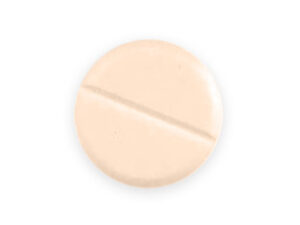

Tofisopam (Tofisopam Tablets) — Patient-Friendly Information for Australia
Tofisopam is a medicine used to help relieve anxiety and related tension. This page explains how it works, how it’s typically taken, important safety considerations, and practical tips to support safe use. It also includes information relevant to people in Australia, including availability and general legal context.
Note: Always follow the advice provided by your healthcare professional and the instructions on the product packaging. Individual needs vary.
Key Product Information
| Category | Details |
|---|---|
| Medicine name | Tofisopam |
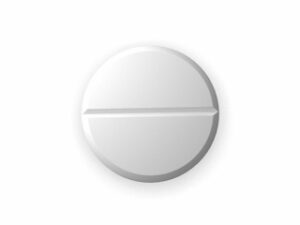
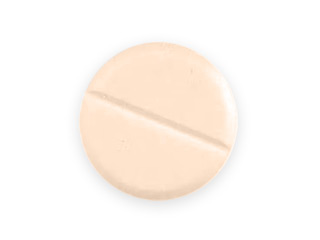
| Common form | Tablets (strengths vary by brand/product) |
| Medicine type | Anxiolytic (anti-anxiety medicine) from the benzodiazepine-like (non-benzodiazepine) group of drugs |
| Typical goals | Reduce anxiety symptoms, psychological tension and nervousness |
| Onset | Often begins within hours (full effect may take several days) |
| Duration | Depends on dose, individual response, and metabolism |
How Tofisopam Works (Mechanism of Action)
Tofisopam helps reduce anxiety by influencing brain signalling involved in calming and stress response. It acts on the GABA (gamma-aminobutyric acid) system, particularly by modulating receptors that reduce neuronal “overactivity.”
In practical terms, this can help:
- Decrease feelings of tension and worry
- Reduce anxiety-related restlessness
- Support relaxation without necessarily causing strong sedation in all people
Because anxiety can involve both mental and physical symptoms, consistent use as directed can be important for best results.
Pharmacokinetics (Absorption, Distribution, Metabolism, Excretion)
Understanding what the body does with a medicine can help you use it safely and predict effects.
- Absorption: After taking a tablet, tofisopam is absorbed from the gastrointestinal tract. Food may influence how quickly it reaches peak levels.
- Distribution: It distributes throughout body tissues, including the brain, where it exerts its effect.
- Metabolism: To produce clearance from the body, tofisopam is metabolised primarily in the liver.
- Elimination: Metabolites and small amounts of the drug are removed mainly through the kidneys and/or bile pathways.
Why this matters: Liver or kidney impairment may affect how quickly tofisopam is processed, potentially increasing side effects. People with liver conditions should use caution and discuss dosing with a clinician.
What Tofisopam Is Typically Used For (Indications)
Tofisopam is generally used for anxiety-related conditions. Typical indications include:
- Anxiety states and anxiety symptoms (including tension and nervousness)
- Short-term symptomatic relief of anxiety symptoms in appropriate situations
- Conditions where anxiety contributes to discomfort, such as some stress-related presentations
Whether tofisopam is suitable for you depends on the nature of your symptoms and your medical history. Anxiety disorders can sometimes require longer-term strategies that include therapy and/or other medicines.
When It Starts Working and Timing of Doses
Many people notice some improvement within the first day of use. However, a consistent response may develop over several days depending on the dose and the individual.
Typical timing guidance (general):
- Once-daily or divided dosing: Your prescribed schedule may be once daily or split across the day to match symptom timing and tolerability.
- Evening doses: If you feel drowsy or slowed, avoid taking it too close to activities that require full alertness.
- Missed dose: If you miss a dose, take it when you remember unless it’s close to the next dose—then skip and resume your schedule. Don’t double up.
Practical tip: Try to take tofisopam at consistent times. Keeping a medication routine can reduce fluctuations in symptom control.
Dosing (General Information)
Dose varies by product strength and individual factors (age, symptom severity, liver function, and other medications). Always follow the dosing instructions on your medicine label or from your healthcare professional.
General dosing principles:
- Start low, adjust if needed: Clinicians may begin with a lower dose to assess tolerance.
- Use the lowest effective dose: This can help reduce side effects while treating symptoms.
- Do not stop suddenly: If you’ve been taking tofisopam regularly, tapering may be recommended to avoid withdrawal-type symptoms.
If you’re unsure about the dose you’ve been given, check your label or ask a pharmacist for help.
Food Interactions (Taking With or Without Meals)
Food can affect how quickly tofisopam is absorbed. While no single rule fits everyone, consider the following:
- Take consistently: If your prescriber recommended a schedule, keep it the same each day.
- If nausea occurs: Taking with food may reduce stomach upset for some people.
- If absorption matters to you: Taking it at similar times relative to meals can improve predictability of effects.
Food safety note: Some people feel more sedated when taken with heavy meals. Listen to your body, especially when you first start.
Alcohol and Medicine Interactions
Alcohol: Avoid or minimise alcohol while taking tofisopam. Alcohol can increase sedation, worsen dizziness, and impair reaction time. This can increase risk for falls and accidents.
Interactions with other medicines: To be safe, tell your pharmacist or healthcare professional about all medicines you take, including:
- Other sedatives or anxiety medicines (e.g., benzodiazepines, barbiturates)
- Opioid pain medicines (can increase respiratory and sedation risk)
- Sleep medicines
- Antihistamines that cause drowsiness (some allergy/sleep products)
- Some antidepressants and antipsychotics (may increase drowsiness depending on the specific agent)
- Medicines affecting liver enzymes (may alter tofisopam levels)
Herbal and “natural” products: Be cautious with supplements that cause sedation or affect liver metabolism. Examples include products with valerian or kava, and some St John’s wort preparations.
Driving and machinery: Even if you don’t feel “sleepy,” tofisopam can affect alertness. Do not drive or operate machinery until you know how it affects you.
Safety Profile and Side Effects
Like all medicines, tofisopam can cause side effects. Most are mild and may improve as your body adjusts, but some may require medical attention.
Common side effects
- Drowsiness or tiredness
- Dizziness
- Headache
- Nausea or stomach discomfort
- Feeling “slowed down” or less coordinated
Less common but important side effects
- Confusion (especially in older adults)
- Unsteadiness or falls
- Paradoxical reactions (rare): increased agitation or restlessness
- Allergic reactions (rare): rash, swelling, breathing difficulty
When to seek urgent help
Get emergency assistance immediately if you experience:
- Difficulty breathing
- Severe drowsiness, fainting, or inability to stay awake
- Signs of serious allergy (swelling of face/lips, wheezing, severe rash)
Dependence, tolerance, and withdrawal
Medicines that affect the brain’s calming systems can potentially lead to dependence when used regularly over time. Stopping abruptly after prolonged use may cause withdrawal-type symptoms.
Withdrawal symptoms may include:
- Increased anxiety or agitation
- Tremor
- Sleep disturbance
- Headache or feeling unwell
Practical advice: If you want to stop, do so with a plan from a healthcare professional.
Practical Use Tips for Safer, More Comfortable Treatment
- Start when you can rest: If you’re beginning treatment, consider taking your first doses on a day/evening when you don’t need to be out late.
- Monitor effects: Note changes in anxiety, drowsiness, dizziness, and sleep. This helps your pharmacist or clinician fine-tune dosing.
- Rise slowly: If you feel light-headed, stand up slowly to reduce the risk of falls.
- Keep alcohol away: Avoid alcohol, especially during the first days of treatment or when adjusting dose.
- Check driving/work safety: If your job requires precision, heavy machinery, or driving, be extra cautious until your response is known.
- Use alongside lifestyle supports: Anxiety can respond well to sleep routines, stress management, gentle exercise, and counselling or cognitive behavioural therapy (CBT).
Alternative Options (Depending on Your Needs)
Anxiety treatment is individual. Alternatives may include non-medicine approaches and other medicine options. Your clinician may consider:
Non-medicine options
- Psychological therapies: e.g., CBT, mindfulness-based strategies, counselling
- Sleep and stress routines: consistent bedtime, reduced caffeine late in the day
- Relaxation techniques: breathing exercises, progressive muscle relaxation
Medicine alternatives
- SSRIs / SNRIs (often used for anxiety disorders for longer-term control)
- Other anxiolytics depending on your diagnosis and risk factors
Important: Do not switch medicines without professional advice, as dose conversions and withdrawal risks may apply.
Tofisopam in the Australian Market: Legal and Access Context
Australia has specific medicine supply and regulation requirements. Availability and classification can vary by brand, strength, and whether a medicine is subject to particular scheduling rules.
When purchasing medicines online, reputable Australian pharmacies follow regulations for:
- Product identification and authenticity checks
- Safe packaging and storage guidance
- Appropriate counselling and information for consumers
- Clear directions on use
Recent guidance: Australia’s medication safety expectations continue to emphasise harm minimisation, cautious prescribing/dispensing where relevant, and improved consumer awareness about interactions (especially alcohol and other sedating medicines).
If you need advice on eligibility or product availability, a pharmacist is the best contact point.
Delivery and Availability (What to Expect When Ordering in Australia)
Online pharmacies typically offer delivery across Australia subject to medicine handling requirements and local regulations. Availability can depend on stock levels and the specific product strength.
Common delivery expectations:
- Packaging: Medicines should arrive in original packaging with clear labelling.
- Cold-chain: Generally not required for tablets unless specifically stated on the product information.
- Shipping times: Vary by location; allow extra time for processing and pharmacy checks.
- Out of stock: If a product is temporarily unavailable, you may be offered an alternative strength/product or an estimated restock time.
Storage at home: Store at room temperature, protect from moisture, and keep out of reach of children. Check the packaging for specific storage instructions.
Recent Safety Considerations and Guidance (General Awareness)
Healthcare guidance for anxiolytic medicines commonly reinforces:
- Alcohol avoidance due to additive sedation effects
- Caution in older adults (increased risk of confusion and falls)
- Review of all medicines to identify interaction risks
- Clear tapering plans when discontinuing after regular use
- Monitoring during dose changes to minimise side effects
If you have questions about interactions with your specific medicine list, ask your pharmacist before continuing.
FAQ — Tofisopam for Customers in Australia
1) What is tofisopam used for?
Tofisopam is used to help relieve anxiety symptoms, including tension and nervousness, in appropriate situations. It may be used for short-term symptom control as advised by a healthcare professional.
2) How quickly does tofisopam work?
Some people notice effects within hours, while others may need several days for the full benefit. Your individual response depends on dose, timing, and your overall health.
3) Can I take tofisopam with food?
Food may influence how quickly it’s absorbed. Many people take it consistently with or without meals. If you experience nausea, taking it with food may help—confirm with your pharmacist if you have concerns.
4) Is it safe to drink alcohol while taking tofisopam?
No. Alcohol can increase sedation, dizziness, and impaired coordination. It can also increase accident risk. It’s safest to avoid alcohol during treatment.
5) Can I drive or use machinery?
Be careful. Tofisopam can cause drowsiness or dizziness. Do not drive or operate machinery until you know how it affects you.
6) What side effects should I watch for?
Common effects include drowsiness, dizziness, and headache. Seek urgent help if you develop breathing problems, severe confusion, fainting, or signs of a serious allergic reaction.
7) Can I stop tofisopam suddenly?
If you’ve been taking it regularly, stopping suddenly may lead to withdrawal-type symptoms. If you want to stop, discuss a gradual reduction plan with a healthcare professional.
8) Are there interactions with other medicines?
Yes. Extra caution is needed with other sedatives, sleep medicines, opioid pain medicines, and some antihistamines. Some liver-metabolised medicines can also change levels of tofisopam. Tell your pharmacist about everything you take.
9) Who should use tofisopam with extra caution?
Older adults, people with liver impairment, and those with a history of substance misuse or significant comorbid conditions may require closer supervision. Always check with a pharmacist for personalised guidance.
10) How do I store tofisopam at home?
Store tablets at room temperature away from moisture. Keep them in their original packaging and out of reach of children. Follow storage instructions on the label.
Summary
Tofisopam is an anxiolytic medicine used to help reduce anxiety symptoms such as tension and nervousness. It works by influencing brain calming pathways, and its effects can vary between individuals. For safe and effective use, follow dosing instructions carefully, avoid alcohol, and be mindful of interactions with other sedating medicines. If you have questions about your specific situation—especially regarding side effects, timing, or stopping—speak with a pharmacist.
Disclaimer: This information is provided for general education and is not a substitute for professional medical advice. Always read the product label and consult a healthcare professional for personalised recommendations.