Sotalol (Sotalol Hydrochloride) — Patient-Friendly Guide
Sotalol is a well-known antiarrhythmic medicine used to help control certain abnormal heart rhythms. This guide explains what sotalol is, how it works, how it behaves in the body, how it is typically taken, and what to watch for to use it safely and effectively in Australia.
1) Basic product information
| Category | Details |
|---|---|
| Medicinal name | Sotalol (commonly as sotalol hydrochloride) |
| Medicine type | Antiarrhythmic; blocks beta-receptors and affects cardiac electrical activity |
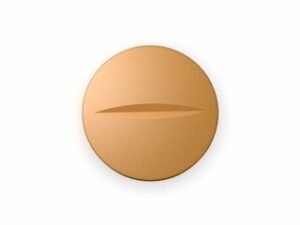
| Common forms | Tablets (strengths may vary by product) |
| How it is used | To reduce abnormal heart rhythms in selected people |
| Availability | Supplies vary by brand and pharmacy; may be ordered through legitimate channels |
Note: Brand names and strengths can differ. Always check the specific product label and follow the directions provided with your medicine.
2) How sotalol works (mechanism of action)
Sotalol has dual action on the heart:
- Beta-blocking effect (Class II): It reduces the heart rate and the speed of electrical signals through part of the heart known as the AV node.
- Antiarrhythmic effect (Class III): It prolongs the electrical recovery time of heart cells, which helps stabilise rhythm and reduce certain arrhythmias.
The overall result is a reduction in abnormal rhythms such as atrial and ventricular arrhythmias, in people where treatment is appropriate.
3) Pharmacokinetics (how the body handles sotalol)
Understanding pharmacokinetics can help explain timing, the need for consistent dosing, and why some people require closer monitoring.
Absorption
- Sotalol is absorbed after swallowing tablets.
- Peak levels in the blood typically occur within a few hours after a dose (exact timing can vary).
Distribution
- Sotalol distributes into body tissues and reaches the heart to influence electrical activity.
Metabolism
- Sotalol is not extensively broken down by the liver compared with many other medicines. This matters because kidney function is often more important for dosing.
Elimination
- Sotalol is primarily removed from the body through the kidneys.
- If kidney function is reduced, sotalol can build up, increasing the risk of side effects (including rhythm changes).
Half-life
Sotalol has a relatively long duration of action compared with many short-acting medicines, which is why it is commonly prescribed once or twice daily depending on the regimen.
4) Typical use and what it is prescribed for
Sotalol is used to manage specific abnormal heart rhythms. Your clinician will decide whether sotalol is suitable based on your diagnosis, your heart’s electrical measurements (often including ECG parameters), your overall health, and your kidney function.
Common indications (examples)
- Atrial arrhythmias (e.g., atrial flutter or atrial fibrillation in selected patients)
- Ventricular arrhythmias (in selected cases, depending on clinical severity and risk profile)
- Recurrent symptomatic arrhythmias where benefits outweigh risks
Sotalol may not be appropriate for everyone—especially those with certain ECG patterns, slow heart rates, or significant kidney impairment.
5) Timing: when and how to take sotalol
Consistent timing helps maintain stable drug levels and supports predictable rhythm control. Always follow the dosing schedule on your product label.
General timing guidance
- Take sotalol at the same times each day.
- If your regimen is twice daily, try to space doses evenly (e.g., morning and evening).
- If you miss a dose, refer to your product label for guidance. In general, don’t double up to make up for a missed dose.
Starting or re-starting treatment
Some people require more careful monitoring when beginning sotalol or when changing dose, due to the medicine’s effect on heart electrical timing. Your healthcare team may use ECG checks and monitor electrolytes during initiation and dose changes.
6) Food interactions (with meals)
Food usually does not strongly change the overall safety profile of sotalol for most people, but it can influence how quickly it’s absorbed. For that reason, consistency matters.
- If your label or clinician advises taking sotalol with food, follow that advice.
- If no specific instruction is given, taking it consistently with or without food can help you build a routine.
- Very large meals may occasionally affect absorption timing—though the clinical relevance varies between individuals.
If you notice that your symptoms change noticeably depending on meal timing, speak with your clinician or pharmacist.
7) Alcohol and medicine interactions
Alcohol can affect your heart rhythm, blood pressure, and awareness of symptoms such as dizziness or light-headedness. When combined with sotalol (which can slow heart rate and lower blood pressure), alcohol may increase the likelihood of side effects.
Alcohol
- It’s generally advisable to limit alcohol and monitor how you feel.
- Avoid binge drinking; it can worsen dehydration and trigger palpitations in some people.
- If you have been advised to avoid alcohol or limit intake, follow that advice.
Other medicines that may interact with sotalol
Sotalol can interact with other medicines—particularly those that also affect heart rhythm or electrolytes. Interaction risk depends on what you take and your individual health.
Examples of medicine categories to discuss with your pharmacist:
- Other antiarrhythmics (may increase rhythm-related risks)
- Medicines that prolong the QT interval (some antibiotics, antifungals, and other cardiac or non-cardiac drugs)
- Other heart-rate–lowering medicines (some beta-blockers, certain calcium channel blockers)
- Medicines affecting potassium or magnesium (e.g., some diuretics—“water tablets”)
- Some antidepressants and antipsychotics (increased QT risk with certain agents)
- Stimulants and some cold/flu preparations (check labels for ingredients that may raise heart rate)
Always provide your pharmacist with a full list of medicines, including non-prescription products and supplements. Even “natural” or herbal products can affect rhythm, heart rate, or electrolyte balance in unexpected ways.
8) Safety profile: important warnings and who needs extra care
Like all medicines, sotalol can cause side effects. The most important safety concern is that it can sometimes affect the heart’s electrical timing, which may lead to potentially serious rhythm complications.
Key potential risks
- QT prolongation: Sotalol can lengthen the QT interval on an ECG. In some cases this may increase risk of a serious rhythm called torsades de pointes.
- Slow heart rate (bradycardia): Because sotalol slows electrical signals, it can cause heart rate to drop.
- Low blood pressure (hypotension): Some people feel dizzy, weak, or faint, especially when standing.
- Electrolyte imbalance: Low potassium or magnesium can increase the risk of rhythm issues.
People who may need special caution
- Those with reduced kidney function
- People with known ECG abnormalities
- Those taking interacting medicines (particularly QT-prolonging medicines)
- People with significant bradycardia or certain heart conduction problems
Common side effects (may include)
- Tiredness or weakness
- Dizziness or light-headedness
- Headache
- Nausea
- Reduced exercise tolerance
Seek urgent medical help if
- Fainting or near-fainting
- Severe dizziness, chest pain, or shortness of breath
- New or sustained palpitations with feeling unwell
- Symptoms of an allergic reaction (swelling of face/lips, difficulty breathing)
If you feel significantly unwell after taking a dose, don’t wait—contact urgent medical services or go to the nearest emergency department.
9) Indications vs. suitability: when sotalol may be considered
Sotalol is generally used when there is a clear clinical need to control arrhythmias and when the expected benefit outweighs potential risks. Suitability depends on:
- Your specific arrhythmia type
- ECG findings (including QT interval and heart rate)
- Kidney function
- Electrolyte levels (especially potassium and magnesium)
- Other medicines you take
- Your overall cardiovascular history
For many patients, clinicians may compare sotalol to other treatment options, including alternative antiarrhythmics and non-medicine therapies, based on risk factors and personal preferences.
10) Dosing: typical approach and why individualisation matters
Dosing of sotalol can vary widely between people and is influenced by diagnosis, ECG response, and kidney function. A clinician will determine the starting dose and may adjust it based on safety and effectiveness.
Typical dosing patterns (general overview)
- Sotalol may be taken once or twice daily depending on the regimen.
- Dose changes may occur after monitoring and assessment of ECG results.
- In kidney impairment, lower doses and/or less frequent dosing are usually required.
During dose adjustment
- ECG monitoring may be used to check QT interval and heart rate.
- Blood tests may check kidney function and electrolytes.
- Any symptoms such as dizziness, fainting, or worsening palpitations should be reported promptly.
Important: Never alter your dose without guidance from your healthcare professional. If you’re unsure, ask your pharmacist to help you interpret your label and schedule.
11) Practical use tips for safe, effective sotalol therapy
- Keep a consistent routine: take doses at the same times each day.
- Know your warning symptoms: dizziness, fainting, new severe palpitations, or chest pain deserve prompt attention.
- Track blood pressure and pulse if advised: especially if you feel light-headed.
- Stay hydrated: dehydration can affect blood pressure and electrolytes.
- Electrolytes matter: if you’re at risk of low potassium or magnesium, your clinician may recommend monitoring or dietary changes.
- Avoid new interacting products: check labels before starting cold/flu products, pain medicines, or supplements.
- Don’t stop suddenly (unless instructed): abrupt changes can affect rhythm control in some patients.
If you have trouble remembering doses, consider using a pill organiser, phone reminders, or linking doses to daily routines (e.g., breakfast and dinner).
12) Alternatives to sotalol
The “best” option depends on the type of arrhythmia, symptom severity, and individual risk. If sotalol isn’t suitable or isn’t well tolerated, clinicians may consider other strategies, such as:
Medication alternatives (examples)
- Other class III antiarrhythmics (choice depends on ECG profile and patient factors)
- Other rate or rhythm control medicines used for specific arrhythmias
- Beta-blockers in selected scenarios (depending on diagnosis and goals)
Non-medicine options
- Cardioversion for certain arrhythmias
- Catheter ablation for selected conditions
- Lifestyle and trigger management (e.g., reducing excessive caffeine or alcohol, managing sleep apnoea where relevant)
Your clinician can discuss the pros and cons of each option based on your history, ECG findings, and preferences.
13) Sotalol in Australia: market and legal context
In Australia, the availability and prescribing process for medicines are governed by national and state/territory regulations, along with guidance from the Australian medicines regulator. Medicines are categorised by scheduling and requirements for dispensing based on safety considerations.
- Sotalol is typically supplied through regulated pharmaceutical channels.
- Pharmacies may require specific details to ensure safe supply, including medication history and identification of suitable candidates.
- Ongoing monitoring may be recommended to reduce risks related to heart rhythm effects and kidney function.
Guidance can evolve over time as new safety information and clinical best practices become available.
14) Recent guidance and monitoring (what patients should expect)
Clinical best practice commonly emphasises careful monitoring with sotalol, especially:
- ECG monitoring to assess heart rate and QT interval (particularly during initiation and dose changes)
- Kidney function checks because sotalol is eliminated primarily through the kidneys
- Electrolyte monitoring in people at risk of low potassium or magnesium
- Medication review to reduce the chance of interacting drugs that increase rhythm risk
If your clinician has recommended ECG or blood tests, attending them helps ensure that sotalol remains safe for you.
15) Delivery and availability (online pharmacy expectations in Australia)
Availability of specific brands and strengths can vary. If you order sotalol online, reputable pharmacies typically:
- Confirm product details (strength, form, and quantity)
- Dispense from licensed supply chains
- Provide tracking and estimated delivery timeframes
- Ensure secure packaging to protect tablets during transit
Delivery times can depend on your location (metro vs regional), stock availability, and dispatch schedules. If sotalol isn’t immediately available, some pharmacies may offer alternatives with the same active ingredient or different strengths—subject to clinical suitability and label directions.
For the latest availability and delivery estimates, check the product listing on the online pharmacy or contact customer support.
16) FAQ — Frequently asked questions
Is sotalol used to treat “high blood pressure”?
Sotalol is mainly used for controlling abnormal heart rhythms. It may lower heart rate and sometimes blood pressure, but it is not a standard treatment for hypertension unless there is a rhythm-related reason.
How long does sotalol take to start working?
Because it affects the heart’s electrical activity, some effects can be noticed after doses begin; however, the time to reach stable rhythm control and the need for ECG monitoring can vary. Your clinician will advise what to expect.
Can I take sotalol with food?
Often sotalol can be taken with or without food. If your label or clinician has provided specific instructions, follow those. The main goal is to take it consistently in the way that suits your regimen.
What should I do if I miss a dose?
Refer to the directions on the product label. In many cases, you should take it when you remember unless it is close to the next scheduled dose. Avoid doubling doses to “catch up” unless instructed by a healthcare professional.
What symptoms mean I should seek urgent help?
Seek urgent medical care if you faint, experience severe dizziness, chest pain, significant breathlessness, or sustained/worsening palpitations, especially with feeling unwell.
Does sotalol interact with cold and flu medications?
Some cold/flu products contain ingredients that may increase heart rate or affect rhythm risk. Always check with a pharmacist before using new OTC products, especially those containing decongestants or multiple-ingredient “cold and flu” formulas.
Why is kidney function important for sotalol?
Sotalol is primarily cleared by the kidneys. Reduced kidney function can cause sotalol to accumulate, increasing the risk of side effects such as excessive slowing of the heart or rhythm complications.
Can I drink alcohol while taking sotalol?
Alcohol may increase the risk of dizziness, low blood pressure symptoms, and can potentially worsen palpitations in some people. It’s generally advised to limit alcohol and discuss personalised guidance with your pharmacist or clinician.
Are there supplements I should avoid?
Some supplements may affect heart rhythm, blood pressure, or electrolytes. It’s safest to disclose all supplements to your pharmacist so they can check for potential interactions.
What are alternative options if sotalol isn’t suitable?
Alternatives may include other antiarrhythmic medicines or procedures like catheter ablation, depending on your specific arrhythmia. Your healthcare professional can help weigh benefits and risks.