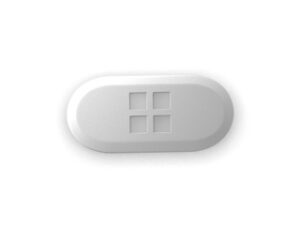
Phenergan (Promethazine) — Patient Information (Australia)
Phenergan is a brand of promethazine, a medicine used to help treat certain allergies and to relieve symptoms such as nausea, vomiting, and travel sickness. It belongs to a group of medicines known as antihistamines with additional effects on the brain and nervous system.
This page provides general, patient-friendly information about how Phenergan works, how it’s typically used, common precautions, and practical tips for safe use in Australia. Always check your product packaging or the pharmacy label for your exact formulation and directions, as doses can vary between tablet, syrup, and injection forms.
Basic product information
| Feature | Details |
|---|---|
| Generic name | Promethazine |
| Brand | Phenergan |
| Medicine type | First-generation antihistamine (H1) with sedating and anti-nausea properties |
| Common uses (varies by product) | Allergic symptoms, nausea/vomiting, motion sickness (travel sickness) |
| Common side effects | Drowsiness, dizziness, dry mouth, constipation, blurred vision |
| Key safety notes | Can cause significant drowsiness; avoid alcohol and be cautious with other sedating medicines |
How Phenergan works (mechanism of action)
Promethazine works mainly by blocking histamine H1 receptors. Histamine is a natural chemical involved in allergic reactions and in pathways that contribute to nausea and vomiting.
By reducing histamine effects, Phenergan can:
- Relieve allergy symptoms such as itching, sneezing, and runny nose.
- Reduce nausea and vomiting by affecting brain pathways involved in the vomiting reflex.
- Provide anti-motion sickness effects by calming the balance-related signals that trigger nausea during travel.
Promethazine can also have sedative effects. This can be helpful for short-term control of symptoms, but it also explains why it may cause sleepiness and impair driving or operating machinery.
Pharmacokinetics (how the body handles the medicine)
Understanding how promethazine is absorbed and processed can help you use it more confidently.
Absorption
Promethazine is absorbed after oral dosing and can also be administered via other routes depending on the product (for example, injection forms may be given in healthcare settings). Onset of action depends on the formulation and the person’s metabolism.
Distribution
It distributes throughout the body and can enter the brain, contributing to its anti-nausea and sedating effects.
Metabolism
Promethazine is largely metabolised in the liver.
Elimination
Metabolites are primarily eliminated through the kidneys (urine). The duration of effect may vary based on age, liver function, and whether other medicines are being taken.
Tip: If you’re unsure about how quickly your specific Phenergan product may work (tablet vs syrup, and dose strength), refer to the package instructions or ask your pharmacist.
Typical use and indications (what it’s used for)
Phenergan may be used for a range of symptoms. Specific approved uses depend on local product registration, the formulation, and age group. Common indications include:
- Allergic symptoms (e.g., itching, allergic rhinitis symptoms such as sneezing and runny nose).
- Nausea and vomiting, including when short-term relief is needed.
- Motion sickness (travel sickness), to help prevent or reduce nausea during travel.
- Adjunctive relief of symptoms where antihistamine effects and sedation are beneficial, under clinician guidance.
Important: Use for children and certain age groups requires extra caution and may have specific restrictions. Always follow the instructions on the medicine label or those provided by a healthcare professional.
When it starts working (timing)
The timing of effect varies with formulation and dose. In general:
- For nausea/motion sickness: many people take it before travel or when symptoms begin, so it can be active when the trigger occurs.
- For allergic symptoms: symptom relief may start within some hours, with sedating effects sometimes noticeable earlier.
If you have been advised to take it at a particular time (for example, “30 minutes before travel”), follow that timing. If you’re using a new product strength or formulation, don’t assume the same timing as previous medicines—check the label.
Dosing (general guidance)
Dosing depends on the strength, formulation (tablet, syrup, or other), age, and the reason for use. For safety, it’s essential to use the exact directions provided with your product.
General principles:
- Use the lowest effective dose for the shortest time needed to control symptoms.
- Do not exceed the maximum daily dose shown on the label.
- Be extra cautious in older adults or anyone with liver problems, as sedating effects may be stronger.
Missed dose: If you miss a dose, take it when you remember unless it’s close to the next dose—then skip the missed dose. Do not double up.
Seek urgent help if you accidentally take more than recommended, especially if severe drowsiness, unusual agitation, breathing problems, or fainting occurs.
Food interactions
Phenergan can be taken with or without food. However:
- Food may affect absorption slightly depending on the person and formulation, but it’s usually not a major interaction.
- If you experience stomach upset, taking it with a small snack may improve comfort.
- Because it may cause drowsiness, avoid taking it at times when you need to be fully alert, regardless of meals.
Practical tip: If you’re using it for nausea, many people find it easier to take it after a small amount of food, provided that your symptoms allow swallowing comfortably.
Alcohol and medicine interactions
Alcohol: Avoid alcohol while taking Phenergan. Combining alcohol with promethazine can significantly increase sedation, dizziness, and impairment. In some cases, it can contribute to dangerously slowed breathing, particularly with higher doses or in people who are sensitive to sedating medicines.
Other medicines that can increase drowsiness include:
- Opioid pain medicines (e.g., oxycodone, morphine, codeine)
- Sleeping tablets or sedatives (e.g., benzodiazepines)
- Some antidepressants
- Other antihistamines or allergy medicines
- Antipsychotics
- Muscle relaxants
Medicines with anticholinergic effects (which can cause dry mouth, constipation, and blurred vision) may add to these effects when taken with Phenergan. Examples can include some over-the-counter cold remedies and certain antidepressants.
Important interaction note: Promethazine can cause confusion or excessive sedation in some people, particularly older adults, and when combined with other sedating medications.
Always tell your pharmacist about all medicines you use, including:
- Prescription medicines
- Over-the-counter products (including sleep aids and cold/flu remedies)
- Herbal products and supplements
Safety profile and who should be cautious
Like all medicines, Phenergan can cause side effects. Many are predictable and dose-related.
Common side effects
- Drowsiness or sleepiness
- Dizziness or reduced alertness
- Dry mouth
- Constipation
- Blurred vision
- Nausea (in some people) or stomach discomfort
Less common but serious effects
Stop using and seek urgent medical advice if you experience:
- Severe allergic reaction (swelling of the face/lips, difficulty breathing, rash)
- Severe confusion, fainting, or extreme drowsiness
- Breathing difficulties
- Uncontrolled movements or severe agitation
- Very fast heartbeat or severe dizziness
Special caution groups
- Children: Extra restrictions may apply. Always follow age-specific directions on the pack and pharmacy advice.
- Older adults: Higher risk of confusion, falls, and excessive sedation.
- Liver impairment: Reduced metabolism may increase drowsiness or side effects.
- People with glaucoma, urinary retention, or severe constipation: anticholinergic-type effects may worsen symptoms.
- People with respiratory conditions (such as severe asthma or sleep apnoea): sedating medicines can be risky.
Driving and machinery
Because Phenergan can cause drowsiness and slowed reaction time, avoid driving or operating machinery until you know how it affects you. If you feel sleepy, dizzy, or have blurred vision, do not drive.
Practical use tips (how to take it safely)
- Start with the label directions: Use the dose and timing specified on your pack.
- Plan ahead for travel: If used for motion sickness, take it at the recommended time before departure. If you take it too late, it may be less effective.
- Hydrate and move carefully: If dizziness occurs, stand up slowly. Consider light hydration (unless you have been restricted).
- Avoid stacking sedatives: Do not combine with alcohol, sleep medications, or other sedating antihistamines unless a healthcare professional advises it.
- Check cold/flu products: Many contain antihistamines—double-dosing increases the chance of excess sedation.
- Keep track of your response: If side effects outweigh benefit, discuss alternatives with your pharmacist.
Alternative options
Your best alternative depends on the reason you’re using Phenergan (allergies vs nausea vs travel sickness) and your personal medical history.
For allergy symptoms
- Non-drowsy or less sedating antihistamines (often preferred for daytime use), such as cetirizine, loratadine, or fexofenadine (availability and age indications vary).
- Intranasal corticosteroids for ongoing allergic rhinitis symptoms (useful for prevention, not instant relief).
- Saline nasal rinses to reduce irritants and congestion.
For nausea/vomiting
- Antiemetic options may differ depending on the cause of nausea.
- Oral rehydration is important if vomiting is part of a viral illness.
For motion sickness
- Non-sedating approaches (when appropriate) such as strategies to reduce triggers—look at the horizon, sit near the front of cars, and reduce reading in motion.
- Some people use alternative anti-motion sickness medicines; suitability varies by age and health conditions.
Note: Alternatives may still cause drowsiness or other side effects. Always compare labels and ask your pharmacist if you’re unsure.
Australia: market and legal context (how Phenergan is used here)
In Australia, medicines are regulated by the Therapeutic Goods Administration (TGA). Product availability, formulation, and age restrictions are controlled to support safe use.
Phenergan contains promethazine and is generally supplied in multiple formulations. Access and supply arrangements (for example, whether it is listed, restricted, or requires clinician direction) can depend on the particular product, strength, and local regulatory decisions.
Recent safety-focused attention: Promethazine-containing products have historically been discussed in relation to sedation risk and use in children. Always follow the directions on your specific pack and consult a pharmacist if the medicine is being considered for a child or if you are managing multiple medications.
Disclaimer: Product status and restrictions can change. The label on the medicine you receive is the final authority for how it should be used.
Recent guidance and safety considerations
While guidance can evolve, key themes commonly emphasised for medicines like promethazine include:
- Minimising sedation risks by avoiding alcohol and other sedating medicines.
- Careful use in children and strict adherence to age-specific instructions.
- Monitoring for excessive drowsiness, confusion, or breathing difficulties, especially in vulnerable groups.
- Avoiding duplicate antihistamine dosing (for example, combining allergy medicine with “cold and flu” products that contain antihistamines).
If you’re using Phenergan for the first time, consider taking the first dose at a time when you can rest and observe how you respond.
Delivery and availability
Phenergan (promethazine) is widely available through pharmacies and may be supplied via online ordering depending on local availability and supply arrangements.
Delivery: Delivery timelines depend on your location and the pharmacy’s dispatch schedules. When ordering online, review:
- Estimated dispatch time
- Delivery cut-off times
- Packaging and product labelling
- Conditions for refrigerated delivery (usually not required for antihistamine tablets/syrup, but always check the product requirements)
Stock availability: If stock is limited, you may be offered an alternative brand or formulation by the pharmacy if appropriate. Confirm the strength and dosing instructions before use.
Frequently asked questions (FAQ)
1) Is Phenergan the same as promethazine?
Yes. Phenergan is a brand name. The active ingredient is promethazine.
2) Will Phenergan make me sleepy?
It often causes drowsiness. Many people feel sleepy or slower to react. Avoid driving, alcohol, and other sedating medicines until you know your personal response.
3) How long before travel should I take it for motion sickness?
Follow the advice on your product label or pharmacist directions for your specific formulation. In general, anti-motion sickness medicines are typically taken ahead of the journey rather than after symptoms start.
4) Can I take Phenergan with food?
It can usually be taken with or without food. If it upsets your stomach, taking it with a small snack may help.
5) Can I drink alcohol while using Phenergan?
No. Avoid alcohol. Alcohol can increase sedation and impairment and may increase the risk of serious side effects.
6) What if I’m taking other allergy or cold medicines?
Many cold and flu products contain antihistamines. Combining them can cause too much sedation. Check the active ingredients and ask your pharmacist if you’re unsure.
7) Who should not use Phenergan or should be cautious?
Extra caution is needed in children, older adults, people with liver problems, and those with conditions affected by antihistamine side effects (such as urinary retention or glaucoma). Always follow the label instructions and seek advice when uncertain.
8) What should I do if I miss a dose?
Take it when you remember unless it’s close to the next scheduled dose. Don’t double the dose.
9) When should I seek urgent help?
Seek urgent medical assistance if you have signs of a severe allergic reaction, severe confusion, fainting, or breathing problems.
10) Are there alternatives if it doesn’t suit me?
Yes. Alternatives depend on whether you’re treating allergies, nausea, or motion sickness. Your pharmacist can suggest options with different side effect profiles.
Summary
Phenergan (promethazine) is an antihistamine medicine commonly used to relieve symptoms related to allergies and to help manage nausea, vomiting, and motion sickness. It works by blocking histamine receptors and can also act on brain pathways that control nausea and sedation.
Because it can cause significant drowsiness, the most important safety steps are to avoid alcohol, be cautious with other sedating medicines, and follow the exact dose and timing on your product label.