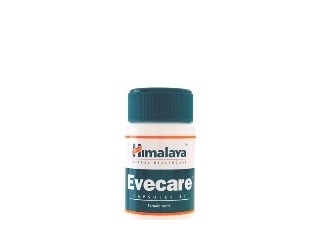


Evecare (Oral Therapy) — Patient-Friendly Guide (Australia)
Evecare is an oral medicine used to help treat specific conditions depending on the active ingredient and formulation supplied in Australia. Because brand names can vary by strength and country, it’s important to check the label on your Evecare pack for the active ingredient, strength, and dose form (e.g., tablets/capsules/liquid). This guide explains how Evecare generally works, how it’s used safely, and what to expect.
Note: Always follow the instructions provided with your Evecare product and any advice from your healthcare professional. If you are unsure which Evecare product you have, consult your pharmacist.
Quick Overview
- Medicine name: Evecare
- Type: Oral medicine (tablet/capsule form may vary)
- Active ingredient: Depends on the exact Evecare product/strength
- Common uses: Varies by active ingredient and indication
- How it’s taken: Usually once daily or as directed by your prescriber/pharmacist
- Key safety focus: Possible side effects, medicine interactions, and correct timing
Basic Product Information
Evecare is designed for oral use and is typically supplied as a fixed dose strength. The package will include:
- Active ingredient(s)
- Strength (e.g., mg per tablet/capsule)
- Pack size
- Storage instructions
- Batch number and expiry date
If you are comparing products or switching between brands, check that the active ingredient and dose are the same. Different formulations can have different dosing instructions and interaction risks.
How Evecare Works (Mechanism of Action)
The mechanism of action depends on the active ingredient in your Evecare product. In general, medicines in this category work by:
- Targeting specific biological pathways involved in the condition being treated.
- Reducing harmful processes (for example, overactivity of a system in the body, inflammation, or growth signals—depending on the drug class).
- Improving symptoms and/or outcomes over time as the medicine accumulates or exerts its effect.
To understand the exact mechanism for your product, refer to the Consumer Medicine Information (CMI) provided with your Evecare pack or ask a pharmacist.
Pharmacokinetics (How the Body Handles the Medicine)
Pharmacokinetics describes what happens after you take Evecare: absorption, distribution, metabolism, and excretion. These processes vary by active ingredient, but typical patterns include:
- Absorption: The medicine is absorbed from the gastrointestinal tract into the bloodstream. Food may increase or decrease absorption for some drugs.
- Distribution: The medicine circulates through the body and may bind to proteins or distribute into tissues relevant to its effect.
- Metabolism: Many oral medicines are metabolised in the liver (often via liver enzymes). Genetic and health factors (e.g., liver impairment) can affect levels.
- Elimination: Drug metabolites and/or the parent compound are eliminated mainly via kidneys and/or bile.
Why this matters: Understanding pharmacokinetics helps explain why timing, food, kidney/liver health, and interaction medicines can change effectiveness and safety.
Typical Uses and Indications
Evecare may be used for different indications depending on the active ingredient in your product. Common examples (not exhaustive) may include:
- Management of symptoms related to a specific disease condition
- Control of a chronic condition to reduce flares and improve daily functioning
- Prevention of recurrence in certain cases, depending on the drug
Check your pack: The most accurate “indication” list is on the CMI and on your prescription/directions documents. If you’re not sure what your Evecare is for, speak with your pharmacist.
How to Take Evecare (Dosing and Timing)
Dosing depends on:
- Your diagnosis/indication
- Your age and general health
- Kidney or liver function (where relevant)
- Whether you take other medicines (interactions)
- How well you tolerate the dose
Typical dosing principles
- Follow your schedule consistently: Try to take Evecare at the same time each day.
- Do not change your dose without professional advice.
- Missed dose: If you miss a dose, take it as soon as you remember if it’s close to the next scheduled dose. Otherwise, skip and continue as normal. Avoid doubling doses unless instructed.
Timing with meals
Timing rules can vary greatly by active ingredient. Some medicines are better taken:
- With food to reduce stomach upset or improve absorption
- On an empty stomach for consistent absorption
- Apart from certain foods (e.g., dairy, grapefruit, high-fat meals—depending on the drug)
Look for directions on your Evecare pack and CMI. If you have questions, ask your pharmacist for advice tailored to your exact product.
Food Interactions and What to Avoid
Food may affect how much medicine you absorb. Common food-related interaction patterns include:
- High-fat meals: May increase absorption for some medicines or delay absorption for others.
- Dairy/calcium: May interfere with absorption of certain drug classes (varies by active ingredient).
- Grapefruit and some citrus juices: Can interact with certain liver enzymes (varies by active ingredient).
- Alcohol-based dietary products: May affect side effects like dizziness or stomach irritation.
Practical tips:
- Take Evecare exactly as stated on the label regarding with or without food.
- If you have to change your eating schedule, keep the timing relative to your dose consistent.
- If you use supplements (e.g., iron, calcium, magnesium), check whether they should be spaced apart.
Alcohol and Medicine Interactions
Alcohol can increase the risk of certain side effects such as:
- Drowsiness, dizziness, or reduced coordination
- Stomach irritation
- Changes in liver metabolism for medicines processed by the liver
General guidance:
- Limit or avoid alcohol unless your healthcare professional has confirmed it’s safe with your specific Evecare product.
- If you notice increased dizziness, nausea, or unusual tiredness after drinking, avoid alcohol and seek advice.
- Be extra cautious if you have liver disease, take multiple sedating medicines, or drive/operate machinery.
Always check interactions: The combination of Evecare with alcohol and other medicines can create unpredictable effects. Your pharmacist can review your full list of medicines and supplements.
Safety Profile: Common and Serious Side Effects
All medicines can cause side effects. Most people tolerate Evecare well, but reactions can vary by dose and individual health factors.
Common side effects
Depending on the active ingredient, common side effects may include:
- Nausea or stomach discomfort
- Headache
- Dizziness or tiredness
- Diarrhoea or constipation
- Mild changes in appetite
Less common but important side effects
- Rash or itching (possible allergy)
- Sleep changes (insomnia or somnolence)
- Changes in blood tests (where applicable)
Seek urgent medical help if
- Signs of an allergic reaction: swelling of face/lips, wheezing, difficulty breathing, severe rash
- Severe or persistent vomiting or dehydration
- Unusual bleeding or bruising (if relevant to your condition and drug class)
- Yellowing of skin/eyes (jaundice) or severe abdominal pain (possible liver issue)
If you’re concerned about symptoms after starting Evecare, contact your pharmacist or healthcare provider promptly.
Interactions With Other Medicines
Interactions depend on your Evecare’s active ingredient. Common interaction categories include:
- Medicines that affect liver enzymes (can raise or lower Evecare levels)
- Medicines that affect stomach acidity (can change absorption)
- Blood-thinning medicines (may affect bleeding risk in certain circumstances)
- Sedatives and sleeping tablets (may increase drowsiness)
- Herbal supplements (e.g., St John’s wort can interact with some medicines)
What to do:
- Tell your pharmacist about all medicines you use: prescription, over-the-counter, vitamins, herbal products.
- Don’t start or stop medicines suddenly without advice.
- Check whether you need monitoring (such as blood tests) for your specific drug.
Practical Tips for Safe Use
- Use a consistent routine: Choose a time that you can remember and stick to it.
- Store correctly: Follow pack instructions (temperature, light, moisture).
- Keep track: If you’re managing a long-term condition, consider a pill organiser and reminders.
- Monitor effects: Note whether symptoms improve and whether side effects occur.
- Report concerns early: If side effects are bothersome, ask your pharmacist about strategies or dosage adjustments (when appropriate).
- Don’t double up: Taking extra doses can increase side effects.
When to review your plan with your healthcare team
- You’re not seeing expected benefits after an appropriate trial period.
- You experience persistent side effects.
- Your health changes (new kidney/liver problems, new chronic conditions).
- Another medicine is added (e.g., antibiotics, anti-inflammatories, antifungals).
Alternative Options
Alternative treatments depend entirely on the indication and your individual medical history. Options may include:
- Other medicines with the same active ingredient (different brand strengths)
- Alternative drugs within the same class (if tolerated better)
- Non-medicinal approaches where relevant (e.g., lifestyle changes, physiotherapy, supportive care)
- Different drug classes if the condition doesn’t respond or side effects occur
Your pharmacist can help you discuss suitable alternatives available in Australia, including generic options and over-the-counter products where appropriate.
Market and Legal Context in Australia (What You Should Know)
In Australia, medicines are regulated by the TGA (Therapeutic Goods Administration). Each medicine product is classified according to its scheduling and supply requirements. Availability and the required pathway for obtaining Evecare depend on the active ingredient and strength.
On an online pharmacy website, reputable suppliers typically provide:
- Product listing that clearly states the active ingredient, strength, dosage form
- Relevant safety information aligned with the TGA-approved documentation
- Clear instructions on use, storage, and side effects
- Customer support for medicine interaction questions
Recent guidance and monitoring: Australia’s medicines information and regulatory requirements may be updated over time. For the most current safety advice, check the TGA database, the latest CMI, and any “safety alert” notices relevant to the active ingredient in your Evecare product.
Delivery and Availability
Availability can vary by active ingredient, strength, and stock levels. On an online pharmacy, delivery usually depends on:
- Your location within Australia
- Whether the product is in stock locally or requires dispatch from a fulfilment centre
- Standard vs express postage options
Before ordering:
- Confirm the strength and dose form match your needs.
- Check the expiry date shown at dispatch (if displayed at checkout).
- Review delivery timeframes and any age/ID verification requirements if applicable.
After purchase, you should receive dispatch updates and a tracking number (if offered).
Dosing Information at a Glance
Because dosing varies by product, the table below outlines how dosing is usually approached rather than providing a one-size-fits-all prescription dose.
| Factor | What it means for Evecare use | What to do |
|---|---|---|
| Indication | The reason you’re taking Evecare influences dose and duration. | Confirm the intended condition on your product paperwork. |
| Strength/dose form | Different strengths may require different schedules. | Check the label for mg per tablet/capsule. |
| Timing | Some medicines must be taken with or without food. | Follow pack directions exactly. |
| Kidney/liver health | Some medicines may accumulate if organs don’t clear them well. | Tell your healthcare provider if you have kidney/liver disease. |
| Drug interactions | Some medicines can increase side effects or reduce effectiveness. | Share your full medicine list with a pharmacist. |
FAQ — Evecare (Australia)
1) What is Evecare used for?
Evecare is used to treat specific conditions depending on the active ingredient in your exact product. Check the CMI or product label for the exact indication.
2) How long does it take to work?
Some medicines provide symptom relief quickly, while others take days to weeks to reach full effect. The expected timeframe depends on the condition and active ingredient.
3) Should I take Evecare with food?
It depends on your exact Evecare formulation. Some should be taken with food, while others should be taken on an empty stomach. Always follow the directions on your pack.
4) What if I miss a dose?
Take the missed dose when you remember if it’s close to the next dose. Otherwise, skip it and continue your regular schedule. Do not double up unless instructed by a healthcare professional.
5) Can I drink alcohol while taking Evecare?
Alcohol may increase side effects such as dizziness and stomach irritation, and can affect liver metabolism for some medicines. It’s best to limit or avoid alcohol and seek advice from your pharmacist if you’re unsure.
6) Are there common drug interactions?
Interactions vary by active ingredient, but commonly include liver-enzyme modulators, sedatives, anticoagulants (blood thinners), and certain herbal supplements. Provide your full medicine list to a pharmacist for personalised checking.
7) What side effects are most common?
Common side effects vary by product but may include nausea, headache, dizziness, or gastrointestinal changes. If you experience severe symptoms or signs of allergy, seek urgent medical help.
8) Who should use extra caution?
Extra caution may be needed for people with kidney or liver impairment, a history of allergies, older adults, pregnant or breastfeeding individuals, and anyone taking multiple medicines.
9) Can I stop Evecare if I feel better?
Do not stop suddenly unless advised. Some conditions may return if the medicine is stopped prematurely. Speak with your healthcare provider if you want to stop or change treatment.
10) Is Evecare available for delivery across Australia?
Many online pharmacies deliver Australia-wide. Availability and delivery times depend on stock and your location. Check the shipping options and delivery estimates on the product page.
Important Reminder
This page is general information to help you understand Evecare and how to use it more safely. For precise instructions tailored to your product and medical situation, read the Consumer Medicine Information (CMI) included with your purchase and ask a pharmacist if anything is unclear.