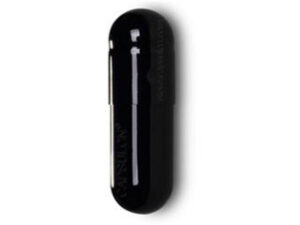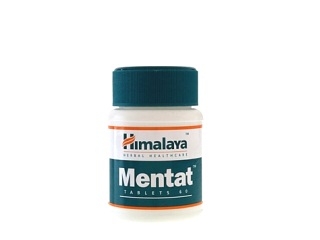
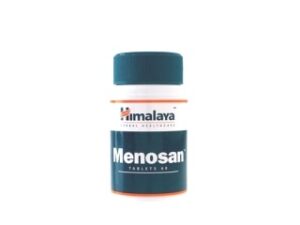

Mentat Capsules (Panax Ginseng + Bacopa monnieri + Gingko biloba blend)
Mentat is an over-the-counter herbal brain-health supplement commonly marketed to support memory, concentration and mental performance. It contains a carefully selected mix of plant-based ingredients traditionally used in herbal medicine for cognitive support. This page explains how Mentat works, how it may fit into your day-to-day routine, important safety considerations, and practical guidance for use in Australia.
Note: Product formulations can vary between brands, batches and markets. Always check the actual ingredient list and directions on your specific pack before starting.
Quick product information
| Category | Herbal dietary supplement |
|---|---|
| Common purpose | Supports memory, focus and cognitive performance |
| Typical active plant ingredients | Often includes Panax ginseng, Bacopa monnieri and Gingko biloba (varies by formulation) |
| How it’s taken | Capsules, usually once daily or as directed on pack |
| Time to notice effects | May take days to weeks; herbal cognitive effects are often gradual |
| Regulatory status in Australia | Generally sold as an over-the-counter complementary medicine / supplement depending on registration and label claims |
What is Mentat used for?
Mentat is typically used to support aspects of cognition such as:
- Memory support for everyday learning and recall
- Concentration when studying, working or focusing on tasks
- Mental performance during periods of increased cognitive demand
- Overall brain health as part of a healthy lifestyle
People often choose Mentat for times when they want additional cognitive support rather than immediate “stimulant-like” effects.
How Mentat may work (mechanism of action)
Mentat’s effects are attributed to the combined properties of its herbal ingredients. While supplements can’t be expected to work exactly like prescription medicines, many of the ingredients have evidence for supporting cognitive processes via multiple pathways.
1) Panax ginseng (often included)
- Supports neurotransmission and energy availability: ginseng is commonly discussed for effects on fatigue perception and mental stamina.
- Antioxidant activity: may help protect cells from oxidative stress.
2) Bacopa monnieri (often included)
- Memory-related pathways: bacopa has been traditionally used for memory and learning.
- Antioxidant and anti-inflammatory actions: may contribute to cognitive support over time.
- Gradual effect profile: many users report benefits after consistent use for several weeks.
3) Ginkgo biloba (often included)
- Microcirculation support: ginkgo is often linked to blood flow-related mechanisms and oxygen/nutrient delivery.
- Antioxidant activity: contributes to neuroprotective effects in research settings.
- Neurotransmitter and receptor modulation: discussed as part of ginkgo’s cognitive support profile.
Important: The mechanism of action described above is based on ingredient-level research and traditional use. Your personal experience may vary.
Pharmacokinetics (how the body handles the ingredients)
Because Mentat is a multi-ingredient herbal supplement, pharmacokinetics depend on the specific ingredients and their form. Exact absorption and metabolism can vary by person, dose, and whether the formulation includes standardised extracts.
In general terms:
- Absorption: Many ginseng and ginkgo constituents are absorbed in the gastrointestinal tract, though bioavailability may vary. Bacopa constituents may also show variable absorption, sometimes improving with consistent dosing and certain meal patterns.
- Distribution: Active compounds can distribute into tissues, including those relevant to the nervous system.
- Metabolism: Herbal constituents are typically metabolised in the liver and other tissues.
- Elimination: Metabolites are eliminated via urine and/or bile.
- Time course: Cognitive benefits are often delayed because some ingredients may affect learning and memory processes gradually.
If you have a complex medical history, liver conditions, or take multiple medicines, it’s best to seek advice from a pharmacist or doctor before long-term use.
Typical use and timing
Mentat is usually taken as part of a daily routine. For many people, the goal is to support focus during typical waking hours (work, study, or daily tasks).
Common timing suggestions
- Morning or early afternoon: Many users prefer taking Mentat earlier in the day to align with their focus needs.
- With regular daily meals: Some people find it easier on the stomach when taken with food.
- Consistent dosing: Because herbal cognitive effects can be gradual, taking it every day (or as directed) is often more effective than sporadic use.
How soon might you notice a difference? Some people notice changes in alertness or concentration within days, but memory and learning support is more commonly reported after several weeks of consistent use.
If you miss a dose: Take it when you remember unless it’s close to your next dose. Do not take extra capsules to make up for a missed dose.
Indications and who it may be suitable for
In Australia, complementary medicines like Mentat are generally marketed for wellness and cognitive support. Mentat is typically used by adults who want help with:
- Everyday memory and learning support
- Maintaining concentration during busy schedules
- Supporting mental performance as part of a healthy lifestyle
Consider professional advice first if:
- You are pregnant or breastfeeding
- You are under 18 years of age
- You have a history of seizures, bleeding disorders, or peptic ulcer/upper gastrointestinal bleeding
- You are preparing for surgery or a dental procedure
- You have chronic medical conditions (especially liver disease or heart rhythm conditions)
Dosing (general guidance)
Always follow the dosing instructions on your specific Mentat pack. Different formulations may have different strength and directions.
Typical usage patterns often look like:
- Adults: commonly 1–2 capsules daily or as directed on pack
- Adjustments: some people start at the lower end to assess tolerance
Do not exceed the recommended dose. Taking more does not necessarily provide faster or stronger results and may increase side effects.
Duration of use: Many users trial Mentat for 6–12 weeks. If you don’t notice any benefit or you experience unwanted effects, stop and discuss options with a pharmacist.
Food interactions
Food can influence absorption and stomach comfort. While specific interactions depend on the exact ingredients in your Mentat product, general practical guidance includes:
- Taking with food may improve tolerability: If you get nausea or stomach discomfort, try taking Mentat with a meal.
- Avoid taking on an empty stomach if sensitive: Some herbal capsules may feel harsher without food.
- Be mindful with high caffeine intake: Mentat is not a stimulant in the same way as caffeine, but combining with lots of coffee/energy drinks may increase jitters or sleep disruption in some people.
Ginkgo-related considerations: Ginkgo can have blood-thinning potential in some circumstances, which is more relevant for interactions with medicines and supplements than for food alone.
Alcohol interactions
There isn’t a universal “absolute” rule that Mentat cannot be taken with alcohol, but combining herbal cognitive supplements and alcohol can increase risk of:
- Stomach irritation (nausea, reflux, or discomfort)
- Reduced sleep quality (which can worsen concentration regardless of supplement use)
- Greater dizziness or headache in sensitive individuals
If you drink alcohol, consider taking Mentat with food on days you drink, and limit alcohol to keep your overall cognitive goals achievable.
Seek advice if you have liver disease, heavy alcohol use, or if alcohol is part of your regular routine.
Interactions with medicines and supplements
Mentat may interact with other medicines due to the ingredients it contains, especially ginkgo (blood-thinning effects in some people) and other herbal constituents that can influence metabolism or alertness.
Speak to a pharmacist before combining with the following:
- Anticoagulants / antiplatelet drugs (e.g., warfarin, apixaban, rivaroxaban, clopidogrel, aspirin): may increase bleeding risk.
- Non-steroidal anti-inflammatory drugs (NSAIDs) (e.g., ibuprofen, naproxen): could theoretically increase bleeding tendency.
- Diabetes medicines: some herbal ingredients may affect blood sugar regulation.
- Blood pressure medicines: some ingredients may have mild blood pressure effects in susceptible individuals.
- Antiseizure medicines: discuss with a clinician if you have seizure history.
- Medications affecting liver enzymes: herbal compounds may influence metabolism.
- Other supplements with potential blood-thinning effects (e.g., high-dose fish oil, garlic tablets, turmeric/curcumin in high doses, vitamin E): may increase bleeding risk.
What to do if you’re unsure: Bring your full list of medications and supplements to your pharmacist. This is especially important if you take “as required” medicines frequently.
Safety profile and side effects
Mentat is generally well tolerated when used as directed. However, as with all supplements, side effects can occur.
Common or mild side effects
- Headache
- Nausea or mild stomach upset
- Dizziness or light-headedness
- Sleep changes (usually if taken too late in the day)
- Restlessness in sensitive individuals
Less common but important warnings
- Bleeding tendency: If you bruise easily, have nosebleeds, or notice unusual bleeding (such as blood in urine/stool), stop and seek advice promptly.
- Allergic reactions: stop use if you experience rash, swelling, or breathing difficulties.
- Seizure risk (in susceptible individuals): if you have a history of seizures, consult before use.
Who should avoid or use caution
- People on blood-thinning medication or with bleeding disorders
- People undergoing surgery or dental procedures in the near future
- Pregnant or breastfeeding (safety not established for many herbal extracts)
- Children and adolescents (unless specifically formulated and advised)
When to seek medical help: If you experience severe dizziness, persistent vomiting, severe headache, signs of allergic reaction, or any unusual bleeding, seek urgent advice.
Practical use tips for best results
- Take it consistently: herbal cognitive support typically benefits from regular use rather than occasional dosing.
- Choose a stable time: morning or early afternoon often works best for focus and reduces the chance of sleep disruption.
- Pair with healthy basics: hydration, adequate sleep, regular movement and balanced meals can strongly influence cognition.
- Track changes: consider a simple 2–3 week journal for focus, memory, stress and sleep to gauge whether it’s helping you personally.
- Start low if you’re sensitive: if your pack allows flexible dosing, consider a conservative start to assess tolerance.
- Avoid doubling up: don’t take multiple “nootropic” products at the same time without checking ingredient overlap and interactions.
Alternative options
If Mentat doesn’t suit you or you’d like to compare options, consider these alternatives—depending on your goals and health situation:
Other herbal cognitive supplements
- Ginkgo-focused products (single-ingredient or different combinations)
- Bacopa-based supplements aimed specifically at memory support
- Ginseng supplements for mental stamina and fatigue support
Evidence-based lifestyle and health supports
- Sleep optimisation: consistent sleep schedule and quality sleep improves attention and memory more reliably than many supplements.
- Exercise: regular aerobic and strength training supports brain health.
- Cognitive training: reading, learning a skill, and spaced repetition can strengthen memory pathways.
- Nutrition: adequate protein, omega-3 intake, and micronutrients (as appropriate) support overall brain function.
Important: If you’re considering switching to a different supplement, check overlapping ingredients to avoid accidental overuse (especially ginkgo-related effects).
Australia: market and legal context (what it means for you)
In Australia, complementary medicines and nutritional supplements must meet regulatory requirements regarding quality, labelling and marketing claims. Depending on the product, Mentat may be categorised as a listed or registered complementary medicine or sold as a supplement under complementary/therapeutic goods frameworks.
When shopping:
- Check the label carefully for ingredient amounts, directions for use and warnings.
- Look for identification information such as manufacturer details and batch/expiry where applicable.
- Be cautious of exaggerated claims—legitimate products generally provide safe, realistic benefits and limit disease claims.
Recent guidance: Regulatory bodies in Australia frequently update guidance around advertising, therapeutic claims and consumer safety. As a result, product labels and allowed wording may change over time. Always rely on the instructions and warnings on your specific Mentat pack.
Delivery and availability in Australia
Mentat may be available through pharmacies and online health retailers across Australia, subject to stock and shipping coverage. When ordering online, you can typically expect:
- Secure checkout and tracking options (where offered)
- Standard and express shipping depending on location
- Careful packaging to protect capsules from moisture and damage
Availability may vary: complementary products can be temporarily out of stock during high demand or due to supply chain variations. If a product is unavailable, consider signing up for back-in-stock alerts (if offered by the retailer).
Frequently asked questions (FAQ)
Is Mentat suitable for everyone?
Mentat is generally for adults and may not be suitable for people who are pregnant or breastfeeding, taking blood-thinning medicines, or have bleeding disorders, seizure history, or upcoming surgery. Check the label and speak with a pharmacist if you’re unsure.
How long does it take to work?
Herbal cognitive support is often gradual. Some people notice improvements in focus within days, but memory/learning benefits are more commonly seen after 2–6 weeks of consistent use. If there’s no benefit after a reasonable trial, consider reviewing your approach with a pharmacist.
Can I take Mentat with food?
Yes. Taking with food can improve stomach comfort for many people. If your pack directions don’t specify “with or without food,” you can choose the option that suits your tolerability and schedule.
Should I take it in the morning or at night?
Many users take Mentat in the morning or early afternoon to support daytime concentration and reduce the chance of sleep disruption. Avoid taking it late in the evening if you notice sleep changes.
Can I drink alcohol while taking Mentat?
Moderate alcohol may not be directly contraindicated for everyone, but alcohol can worsen sleep quality and may increase dizziness or stomach upset. For best cognitive outcomes, consider limiting alcohol and taking Mentat with food on drinking days.
What medicines should I be careful about?
Be cautious if you take anticoagulants/antiplatelets, NSAIDs regularly, diabetes medications, blood pressure medicines, seizure medications, or other supplements that may affect bleeding. Always check with a pharmacist if you’re on multiple therapies.
What side effects should I watch for?
Common mild effects include headache, nausea, or dizziness. Stop use and seek advice if you experience unusual bleeding, severe allergic reactions, or persistent or severe symptoms.
Can I take Mentat together with other “nootropic” supplements?
You can, but it’s important to check ingredient overlap and interaction risks (especially ginkgo-containing products). Too many similar ingredients at once can increase the chance of side effects without providing added benefit.
How should I store Mentat?
Store capsules as directed on the pack—generally in a cool, dry place away from direct sunlight and out of reach of children. Keep the lid closed and avoid moisture exposure.
Do supplements replace a healthy lifestyle?
No. Supplements can complement—but not replace—sleep, nutrition, exercise, stress management and medical care for underlying conditions.
Important disclaimer: This information is general and designed to help you make an informed decision. Always read the label on your specific product and consult a healthcare professional or pharmacist if you have questions—especially if you have medical conditions or take other medicines.