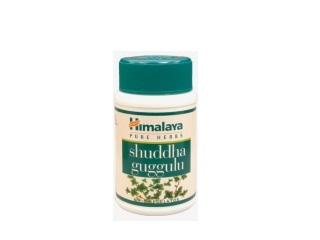

Shuddha Guggulu (Shuddha Guggul) – Ayurvedic Support for Joint Health and Metabolic Wellness
Shuddha guggulu is a traditional Ayurvedic herbal resin derived from the Commiphora mukul tree. In Ayurveda, guggulu is used to support healthy inflammation balance, joint comfort, and metabolic function. “Shuddha” typically refers to a purified form of guggulu that is processed to reduce irritant fractions and improve consistency.
This page provides patient-friendly, Australia-focused information about Shuddha guggulu, including how it may work, how it’s commonly used, practical tips, safety considerations, and what to expect regarding availability and legal context.
Basic Product Information
- Product name: Shuddha guggulu (Shuddha guggul)
- Type: Ayurvedic herbal medicine (processed resin extract/compound depending on the brand)
- Traditional source: Commiphora mukul
- Common forms: Tablets, capsules, powders, or standardized extracts (brand-dependent)
- Typical focus areas (traditional use): Joint comfort, healthy inflammatory response, metabolic balance
Note: The exact composition can vary between manufacturers (e.g., additional herbs, binders, or standardized extracts). Always check the label for the product you purchase.
How Shuddha Guggulu May Work (Mechanism of Action)
In modern terms, the precise mechanism of action is complex and may differ by preparation. However, guggulu resin contains bioactive compounds (including guggulsterones) that may influence several pathways:
- Inflammation modulation: May help support a balanced inflammatory response, which can contribute to perceived comfort in joints and tissues.
- Lipid and metabolic support: Traditionally used for metabolic “clearing” and supports healthy cholesterol/lipid balance. Some research suggests interactions with pathways involved in lipid regulation.
- Oxidative balance: Plant resins may support antioxidant mechanisms, which can help reduce cellular stress linked to chronic inflammation.
- Interaction with hormonal pathways: Some constituents have been studied for potential activity related to thyroid/hormone signaling, which is why thyroid health is an important safety topic (see Safety Profile).
Important: Mechanisms described above reflect current understanding and traditional use; individual responses vary.
Pharmacokinetics (Absorption, Metabolism, and Elimination)
Pharmacokinetics refers to what the body does to a medicine—absorption, distribution, metabolism, and elimination. For Shuddha guggulu specifically, detailed human pharmacokinetic data can be limited and may vary by brand and formulation (tablet/capsule vs extract vs powder).
- Absorption: Bioactive resin constituents are generally absorbed after oral dosing; absorption may be improved when taken consistently with or without food depending on the formulation.
- Distribution: Plant resin constituents may distribute into tissues and interact with metabolic pathways.
- Metabolism: Like many herbal medicines, constituents may be metabolised in the liver via phase I/II pathways.
- Elimination: Metabolites are then cleared primarily via bile and/or renal pathways (exact proportions can differ).
Practical takeaway: Because formulations differ, follow your product’s label instructions. Consistent timing helps evaluate response safely.
Typical Use in Traditional and Contemporary Context
In Ayurveda, guggulu is commonly used for:
- Joint and mobility comfort: Often chosen by people with stiffness or discomfort associated with seasonal changes or age-related wear.
- Healthy inflammatory balance: Used to support normal inflammatory response.
- Metabolic support: Traditionally used to support healthy lipid and metabolic function.
- General wellness routines: Some people use Shuddha guggulu as part of a wider Ayurvedic routine.
What it may feel like: Some users notice changes in comfort over days to weeks. For metabolic/lipid-related goals, changes (if they occur) typically require weeks of consistent use and should be monitored with appropriate health checks.
Indications (Who Might Consider Shuddha Guggulu)
Shuddha guggulu may be considered as supportive care for people seeking help with the following non-emergency goals:
- Stiffness or mild joint discomfort (supportive, not curative)
- Periodical flare-like discomfort associated with activity or weather changes
- Support for healthy lipid/metabolic balance as part of a broader lifestyle approach
- People using Ayurvedic wellness approaches who want to add a traditionally used herb
When to seek medical advice: If you have severe pain, swelling, fever, unexplained weight loss, chest symptoms, shortness of breath, or new neurological symptoms, seek urgent medical care.
Dosing: Typical Schedules (Label-Dependent)
Dosing depends on the product’s strength and whether it is standardized. Many traditional regimens use divided doses; however, modern labeling should be followed.
Common real-world approaches:
- Adults: Often taken in divided doses (for example, morning and evening), depending on the product’s directions.
- Start low: Many people begin with the lower end of the label range to assess tolerance.
- Adjust gradually: If well tolerated, increase to the full label dose as needed.
Example timing (illustrative only): If your label suggests two daily doses, take one in the morning and one in the evening. Always confirm the exact dose on the package.
Children, pregnancy, and breastfeeding: Use should be discussed with a qualified healthcare professional due to limited safety data and potential variability by product.
Timing: When to Take Shuddha Guggulu
The best timing can depend on your specific formulation and your digestion tolerance. As a general guide:
- With food: Some users find guggulu easier on the stomach when taken with meals.
- Consistency matters: Take it at the same times each day to allow a steady routine.
- Monitor reactions: If you notice stomach discomfort or reflux, consider taking with food (or as directed on the label).
For most people: Morning and evening dosing is common when the product is intended as twice daily.
Food Interactions
Because Shuddha guggulu is resin-based, the presence of food and fats may influence absorption. Food interactions are also related to tolerability.
- Fatty meals: Some people may absorb herbal compounds differently with higher-fat meals. If your label provides instructions, follow them.
- Gastric comfort: Taking with food may reduce nausea or stomach upset in sensitive individuals.
- General approach: Avoid making frequent changes to timing and meal type during the first few weeks while you evaluate tolerance.
If you take other supplements: Leave a reasonable gap (e.g., 1–2 hours) when possible if you experience stomach upset or if you’re unsure about absorption competition.
Alcohol and Medicine Interactions
Alcohol: There isn’t a single “universal” alcohol interaction for all guggulu products, but both alcohol and herbal products can increase stress on the liver. If you choose to drink alcohol, consider:
- Keeping alcohol intake moderate
- Avoiding heavy drinking while using herbal medicines
- Stopping and seeking advice if you develop jaundice (yellow eyes/skin), dark urine, severe fatigue, or persistent nausea
Medicine interactions: Interactions may be possible, particularly if you take medicines that affect liver enzymes, thyroid function, blood thinning, or lipid-related therapy.
Discuss with your doctor or pharmacist before use if you take:
- Thyroid medications (e.g., levothyroxine) or have thyroid disease
- Lipid-lowering medicines (e.g., statins, fibrates, ezetimibe)
- Blood thinners/anticoagulants (e.g., warfarin) or antiplatelet agents
- Diabetes medicines or blood glucose-lowering therapies
- Immunosuppressants or medicines that significantly affect immune function
- Other herbal products (to avoid doubling up on similar ingredients)
Why this matters: Even “natural” products can alter metabolism pathways and increase the risk of side effects when combined.
Safety Profile: What to Watch For
Shuddha guggulu is widely used in traditional practice, but it may not be suitable for everyone. Safety depends on the person, the product quality, dosage, and concurrent medications.
Common side effects
- Digestive discomfort: nausea, acidity, stomach upset
- Skin reactions: rash or itching can occur in sensitive individuals
- Headache or mild dizziness (less common)
Serious warning signs (seek medical advice urgently)
- Allergic reaction symptoms (swelling of face/lips, breathing difficulty)
- Signs of liver problems (yellowing of eyes/skin, severe fatigue, dark urine)
- Worsening thyroid symptoms (unexplained palpitations, marked tremor, heat intolerance, severe fatigue or mood change)
- Unexplained bruising or bleeding (especially if on blood-thinning medicines)
Who should be extra cautious
- Pregnancy or breastfeeding: consult a qualified healthcare professional first
- Thyroid conditions or thyroid medication use
- Liver disease or elevated liver enzymes
- History of allergic reactions to resin-based herbal products
- People taking multiple medicines with potential interaction risk
Allergy note: Guggulu resin may cause reactions in some individuals. Stop use and seek advice if you develop rash, swelling, or breathing difficulties.
Practical Use Tips (How to Get the Best Experience)
- Choose a reputable brand: Look for batch testing, clear ingredient lists, and consistent labeling.
- Start gradually: Begin with a lower dose (within label guidance) for a few days to assess tolerance.
- Keep routine stable: Maintain similar meal timing and daily schedule while evaluating results.
- Track outcomes: Use a simple log for joint comfort (e.g., morning stiffness duration, walking comfort) or metabolic goals (e.g., lab monitoring as advised by your clinician).
- Review medicines: Recheck your medication list for possible interactions, especially thyroid or lipid medicines.
- Do not double up: Avoid taking multiple guggulu products together unless advised.
When to reassess: If you don’t notice any benefit after a reasonable trial (often 4–8 weeks, depending on goal), review with a healthcare professional and consider alternative approaches.
Alternative Options
If Shuddha guggulu isn’t suitable, alternatives may include other Ayurvedic formulations or evidence-informed supportive options. Your choice should reflect your goal (joint comfort vs metabolic support) and your medical history.
Common alternative supportive options
- Curcumin/curcumin extracts (for inflammatory balance)
- Ginger extracts (for digestion and supportive inflammation pathways)
- Omega-3 fatty acids (for cardiovascular and inflammatory support)
- Turmeric blends with improved absorption forms (where appropriate)
- Glucosamine and/or chondroitin (some people use for joint support)
- Collagen peptides (for joint/soft-tissue comfort in some individuals)
Important: Alternatives can also interact with medicines (including blood thinners), so check ingredients and consult if you’re on long-term therapy.
Australia: Market and Legal Context (Patient-Friendly Overview)
In Australia, herbal medicines and supplements are regulated under the Australian regulatory framework. Products may be supplied as:
- Listed medicines (that meet specific requirements and make limited claims), or
- Registered medicines (with higher regulatory scrutiny and evidence standards), or
- Non-therapeutic supplements where claims are typically restricted.
What this means for you: On-pack directions and permitted claims vary by product category. This page focuses on general information and supportive use guidance. Always rely on the product label and packaging for the exact instructions and permitted indications.
Recent guidance: Australian supply practices continue to emphasize product quality, accurate labeling, and consumer safety. Manufacturers are expected to maintain good manufacturing practices and make evidence and test results available where required.
If you have any uncertainty about a specific product’s regulatory status or claims, consult a pharmacist.
Delivery and Availability in Australia
Many online pharmacies and supplement retailers in Australia supply guggulu products. Availability can vary based on manufacturing batches, shipping schedules, and regulatory requirements.
- Dispatch times: Commonly 1–3 business days (varies by provider).
- Delivery speeds: Standard and express options may be available depending on location.
- Packaging: Products are typically shipped in secure, temperature-appropriate packaging when required.
- Tracking: Many orders include tracking notifications.
Tip: If you’re using Shuddha guggulu as part of an ongoing routine, consider ordering before you run out to avoid interruptions—consistency supports better evaluation of tolerance and effect.
FAQ – Shuddha Guggulu
1) How long does it take to work?
Many people trial Shuddha guggulu for 4–8 weeks to assess benefits, especially for joint comfort. Metabolic goals typically require longer and should be evaluated with appropriate health checks (such as lipid monitoring) rather than symptoms alone.
2) Can I take it with other supplements?
Often, yes, but interactions are possible. It’s best to avoid starting multiple new products at once. If you’re taking thyroid medication, blood thinners, cholesterol medicines, or diabetes medicines, speak with a pharmacist before combining.
3) Should I take it on an empty stomach?
Some people tolerate guggulu better with food. Unless your product label specifies otherwise, taking it with a meal may reduce stomach discomfort. Follow the label and adjust based on tolerance.
4) Does Shuddha guggulu affect the thyroid?
Because some guggulu constituents have been studied for hormonal pathway interactions, caution is advised for people with thyroid conditions or those taking thyroid medication. Discuss with a healthcare professional if you have any thyroid history.
5) Is it safe for long-term use?
Long-term use should be assessed individually. If you plan ongoing use, consider periodic check-ins with a healthcare professional—especially if you have liver concerns, thyroid issues, or you take regular medications.
6) What should I do if I miss a dose?
Take it when you remember unless it’s close to the next dose. Do not double up. Resume your usual schedule.
7) Can I drink alcohol while using it?
Moderation is recommended. Avoid heavy alcohol intake and watch for signs of liver stress (jaundice, dark urine, persistent nausea). If you have liver disease or drink regularly, consult a pharmacist.
8) What side effects should make me stop?
Stop and seek medical advice if you experience allergic symptoms (swelling, breathing difficulty), rash that worsens, or signs suggestive of liver problems (yellowing of eyes/skin, dark urine). Also stop if symptoms you associate with thyroid changes become significant.
9) Are there any food restrictions?
No specific universal restriction applies to everyone. The main practical points are tolerability and consistency. If food affects your digestion, take it with meals as directed on the label.
10) What if I’m taking prescription medicines?
Herbal products may interact with some prescription medicines. Provide your full medicine list to a pharmacist before starting Shuddha guggulu, particularly if you take thyroid, lipid, blood thinning, or diabetes medicines.
Summary: Is Shuddha Guggulu Right for You?
Shuddha guggulu is a traditional Ayurvedic resin product used for supportive care in areas such as joint comfort and metabolic balance. It may help support a balanced inflammatory response and healthy lipid-related pathways, though effects can vary by individual and product formulation.
- Follow the label: dosage and timing vary by brand.
- Be cautious with thyroid, liver, and medication interactions.
- Track tolerance and outcomes. If side effects occur, stop and seek advice.
- Choose reputable products and maintain consistent use while evaluating benefit.
Disclaimer: This information is general and educational. Product composition and directions differ across brands. For advice tailored to your health history and medicines, consult a pharmacist or qualified healthcare professional.