
Robaxin (Methocarbamol) — Patient Guide (Australia)
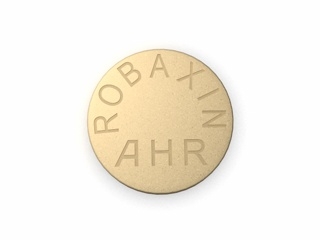
Robaxin is a brand of methocarbamol, a muscle relaxant used to help relieve pain and stiffness caused by muscle spasm. This guide explains how Robaxin works, when it’s typically used, how to take it safely, and what to expect. It also covers food and alcohol interactions, practical tips, and common questions.
1) Basic product information
| Item | Information |
|---|---|
| Medicine | Robaxin |
| Active ingredient | Methocarbamol |
| Medicinal class | Central nervous system (CNS) muscle relaxant |
| Typical forms | Tablets (formulations may vary by supplier) |
| Common reasons for use | Relief of painful muscle spasm and associated muscle discomfort |
| Key safety considerations | Drowsiness, dizziness, and interactions with alcohol and sedating medicines |
Always check the product label and any accompanying consumer medicine information for your specific pack strength and instructions. If you are unsure about dosing, ask a pharmacist.
2) How Robaxin works (mechanism of action)
Methocarbamol works as a centrally acting muscle relaxant. While the exact mechanism is not fully understood, it is believed to reduce muscle spasm and pain by affecting pathways within the central nervous system. This may help your muscles relax, making movement and daily activities more comfortable.
- Helps decrease muscle spasm-related discomfort
- May reduce the “tight” or painful feeling in muscles
- Can cause CNS effects such as drowsiness in some people
3) Pharmacokinetics: how your body handles methocarbamol
Pharmacokinetics describes how a medicine is absorbed, distributed, metabolised, and eliminated. For methocarbamol, key points include:
- Absorption: After oral dosing, methocarbamol is absorbed from the gastrointestinal tract.
- Onset: Some people notice relief within the same day, though timing varies by dose and individual factors.
- Metabolism: Methocarbamol is metabolised in the body (primarily in the liver).
- Elimination: Metabolites and drug-related substances are removed from the body, mainly via the kidneys (urine).
- Duration: Effects are generally not “instant,” and the course is commonly short-term depending on the cause of the spasm.
Because people differ, your prescriber or pharmacist may adjust dosing based on your response and any medical conditions.
4) Typical use and indications
Robaxin is used to relieve discomfort from acute musculoskeletal conditions, especially where muscle spasm contributes to pain. It is commonly used alongside measures such as rest, gentle movement, physiotherapy, or other pain management strategies.
Indications (what it’s used for)
- Muscle spasm associated with injuries (e.g., strains or sprains)
- Back pain where muscle tightness/spasm is part of the problem
- Neck pain caused or worsened by muscle spasm
- Other painful skeletal muscle conditions where a muscle relaxant may assist comfort
Robaxin is not a cure for the underlying cause of pain on its own. It’s intended to help you manage spasm-related symptoms while the body heals.
5) When to take it and typical timing
Dosing schedules vary by strength and individual factors. Follow your label instructions or the advice of your healthcare professional. In general, methocarbamol is taken regularly for the period of muscle spasm rather than only “when pain is worst.”
- Start times: Consider taking a dose at times that match when spasm-related discomfort is most disruptive.
- With or without food: Many people can take it with water either with or without food (see food interactions below).
- Practical approach: If it makes you drowsy, plan doses earlier in the day or avoid taking before driving (see safety).
If you miss a dose, take it when you remember unless it’s close to your next dose. Don’t double up. If you’re unsure, ask a pharmacist.
6) Food interactions: what to know
Methocarbamol does not typically have a “strict” food restriction, but food may affect tolerability. The key considerations are practical rather than dramatic:
- Stomach comfort: If you experience nausea, taking it with food may help.
- Consistency: Try to take it the same way each day (e.g., always with food or always without) to make side effects easier to predict.
- Hydration: Drink water with each dose.
If your pack instructions advise a specific method (e.g., with food), follow those instructions.
7) Alcohol and medicine interactions
One of the most important safety considerations with Robaxin is its potential to cause sedation and impaired coordination. Alcohol can make these effects stronger.
Alcohol
- Avoid alcohol while taking methocarbamol if possible.
- Alcohol may increase drowsiness, dizziness, and risk of falls.
- For some people, the combination can impair reaction time and judgement.
Other medicines that may interact
Tell your pharmacist about all medicines you take, including non-prescription products, supplements, and herbal remedies. Particular caution is needed with:
- Sedatives (e.g., sleeping tablets)
- Opioid pain medicines
- Other muscle relaxants
- Antihistamines that cause drowsiness (some allergy medicines and travel sickness products)
- Some antidepressants or anti-anxiety medicines (depending on your regimen)
If you’re unsure whether a medicine is sedating, check with a pharmacist. In general, combining multiple sedating medicines increases the chance of drowsiness and impaired coordination.
8) Dosing: how to use Robaxin safely
Dosing must be individualised. Always follow the instructions on your pack or the guidance from your healthcare professional. The information below is general and may not match your exact product strength or situation.
General adult dosing approach (typical)
- Adults commonly start at a dose that provides symptom relief while limiting side effects.
- Dosing is often divided across the day (e.g., multiple times daily) to maintain comfort.
- Some regimens use short-term courses, particularly for acute muscle spasm.
Important: The exact dose and frequency depend on the methocarbamol strength in your specific product, your age, kidney/liver function, and how you respond. Check your label for the exact dose directions.
For children and special populations
- Children: Use in children requires specific dosing instructions—ask a pharmacist or doctor for guidance.
- Older adults: Older people may be more sensitive to dizziness and drowsiness; dosing may be adjusted.
- Liver disease: Because methocarbamol is metabolised in the liver, caution is needed; seek professional advice.
- Kidney disease: Because metabolites are cleared via the kidneys, discuss with a pharmacist if you have renal impairment.
If you develop unexpected weakness, confusion, severe sleepiness, or worsening symptoms, stop and seek medical advice promptly.
9) Safety profile: side effects and what to watch for
Like all medicines, methocarbamol can cause side effects. Many people experience mild effects, especially when starting or when doses are increased. Most side effects improve as the body adjusts or as treatment ends.
Common side effects
- Drowsiness or sleepiness
- Dizziness
- Nausea or stomach upset
- Headache
- Fatigue
Less common but important reactions
- Allergic reactions (e.g., rash, itching, swelling)
- Changes in mood or alertness
- Severe weakness or coordination problems
Seek urgent help if you experience
- Signs of anaphylaxis: difficulty breathing, swelling of face/lips/tongue, severe rash
- Severe drowsiness, fainting, or inability to stay awake
- Seizures or sudden severe confusion
- Severe allergic symptoms such as widespread hives
Driving, operating machinery, and falls risk
- Robaxin may reduce alertness and affect coordination.
- Avoid driving, cycling, and operating machinery until you know how it affects you.
- Be careful with stairs and uneven ground, especially at the beginning of treatment or after dose changes.
10) Practical use tips (to get the best results)
- Start low and consistent (as directed): Follow dosing instructions carefully. If you’re very drowsy, speak to a pharmacist about dose timing or adjustments.
- Combine with gentle movement: When safe, gentle range-of-motion exercises and physiotherapy often improve outcomes for muscle spasm.
- Use heat or ice if appropriate: Many people find heat for muscle tightness and ice for acute inflammation helpful—choose based on your condition.
- Keep a symptom diary: Note when pain/spasm improves and when drowsiness occurs. This can help tailor timing.
- Stay hydrated: Dehydration can worsen fatigue and make dizziness more noticeable.
- Review your other medicines: Check for other sedating products (including “night-time” cold and flu preparations).
If your pain is severe, persistent, or not improving, it may indicate a condition that needs further assessment. Seek medical advice if symptoms worsen or you develop red-flag signs such as numbness, weakness, bowel/bladder changes, fever, or unexplained weight loss.
11) Alternative options
If methocarbamol isn’t suitable (or doesn’t provide enough relief), there may be other approaches depending on the cause of spasm and your medical history. Options may include non-medicine strategies and other medicines.
Non-medicine options
- Physiotherapy and guided exercise
- Heat therapy for muscle tightness
- Massage (where appropriate)
- Posture and ergonomics
- Activity modification rather than complete bed rest
Medicine options (discuss with a pharmacist/clinician)
- Analgesics such as paracetamol (acetaminophen) or other pain relievers, depending on suitability
- Anti-inflammatory medicines where appropriate (based on your health profile)
- Other muscle relaxants may be considered in select situations
The best alternative depends on your diagnosis, co-existing conditions, and risk of side effects. A pharmacist can help you compare options safely.
12) Robaxin and the Australian market: legal and guidance context
In Australia, the availability and classification of medicines (for example, whether they are prescription-only or restricted) depend on regulatory decisions by the Therapeutic Goods Administration (TGA) and the specific product formulation. Always follow the legal requirements for obtaining and using medicines in Australia.
Product advice and supply practices are designed to ensure safety, including counselling about:
- Correct dosing and duration
- Risk of drowsiness and interactions
- When to seek medical advice
Recent guidance: Australian health professionals commonly emphasise caution with medicines that cause sedation, particularly around alcohol use, driving, and combining with other sedating medications (including some cough/cold products). Guidance may also include monitoring for worsening symptoms and red-flag signs in musculoskeletal pain.
13) Delivery and availability (online pharmacy information)
Robaxin (methocarbamol) may be supplied through Australian online pharmacies depending on product availability, stock levels, and any applicable regulatory requirements for your area.
- Availability: Stock can vary by brand, strength, and formulation.
- Delivery: Delivery times depend on location and the courier used.
- Packaging: Medicines are typically dispatched in sealed protective packaging with labelling intact.
- Support: Many online pharmacies offer pharmacist support for dosing questions and interaction checks.
For the most accurate information about current stock, delivery estimates, and the exact product format you’ll receive, check the listing details on the pharmacy website.
14) Frequently Asked Questions (FAQ)
How quickly does Robaxin work?
Some people notice symptom improvement within the first day, but the timing can vary. If you don’t feel any benefit after several days, or if your symptoms worsen, speak to a pharmacist or healthcare professional.
Can I take Robaxin with food?
Many people can take methocarbamol with or without food. If you experience nausea or stomach upset, taking it with food may improve comfort. Follow the instructions on your product label.
Will Robaxin make me sleepy?
Drowsiness and dizziness can occur. Until you know how it affects you, avoid driving and be cautious with activities that require alertness.
Is it safe to drink alcohol while taking Robaxin?
It’s strongly advised to avoid alcohol while taking methocarbamol, as alcohol may increase sedation, dizziness, and the risk of accidents.
What if I miss a dose?
Take it when you remember unless it’s close to your next dose. Do not take a double dose to make up for the missed one. If you’re unsure, ask a pharmacist.
How long should I take it?
Many courses are short-term for acute muscle spasm. The appropriate duration depends on your diagnosis and response. If pain persists, consult a healthcare professional to reassess the underlying cause.
Can I take Robaxin with other pain medicines?
Some pain medicines may be used together depending on your health and the exact products. However, combining medicines that cause drowsiness (including certain cold and flu products) can increase side effects. Always confirm with a pharmacist.
Who should be extra careful when using methocarbamol?
Extra caution is needed if you are older, have liver or kidney problems, are taking sedating medicines, or have a history of drug allergies. Discuss your medical history with a pharmacist.
Are there signs I should stop taking Robaxin and get help?
Seek urgent medical assistance for severe allergic reactions, trouble breathing, fainting, severe confusion, or extreme sleepiness. For persistent or worsening symptoms, contact a healthcare professional promptly.
15) Key takeaways
- Robaxin (methocarbamol) is a muscle relaxant used to relieve spasm-related discomfort.
- It works within the central nervous system to help reduce muscle tightness and pain.
- Common side effects include drowsiness and dizziness—avoid driving until you know how you respond.
- Avoid alcohol and be cautious when combining with other sedating medicines.
- If symptoms are severe, persistent, or accompanied by red flags, seek medical advice.