
Colofac (Mebeverine Hydrochloride) – Patient Information
Colofac contains mebeverine hydrochloride, an antispasmodic medicine used to relieve pain and cramping associated with bowel disorders. It is commonly used for symptoms related to irritable bowel syndrome (IBS), especially where spasms or “cramps” are the main problem.
This guide explains how Colofac works, how to take it, what to expect, and important safety information. It is written for people in Australia and includes practical tips for everyday use.
Quick product facts
- Active ingredient: Mebeverine hydrochloride
- Medicine type: Antispasmodic (relieves bowel muscle spasm)
- Common uses: IBS symptoms (cramps, abdominal pain, bowel spasms)
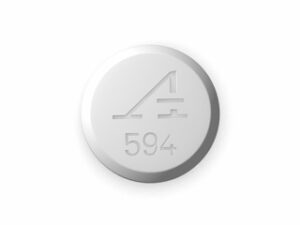
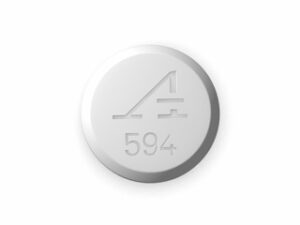
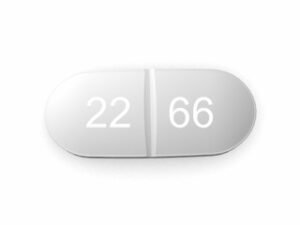
- Typical form: Oral capsules/tablets depending on the product strength and presentation
- Availability: Generally available through pharmacies and online pharmacy services in Australia (subject to local supply)
Always check the pack label for your exact strength and form.
What is Colofac used for?
Colofac is used to relieve symptoms caused by spasms (cramping) in the bowel. It is most often associated with the management of:
- Irritable bowel syndrome (IBS) – particularly symptoms such as:
- Abdominal pain
- Cramps
- Bowel spasms
- Other functional bowel disorders where cramping/spasm-like pain is a prominent feature (as advised by a healthcare professional)
Colofac is designed to target pain from bowel muscle spasms. It may not directly treat other IBS features such as stress, food sensitivity, or changes in bowel habits—however, by reducing cramping it can help overall comfort.
How Colofac works (mechanism of action)
Mebeverine works by relaxing the smooth muscle in the gastrointestinal (GI) tract.
In simple terms: it helps reduce involuntary bowel contractions that contribute to crampy pain.
While the exact cellular details are complex, the practical effect is that mebeverine:
- Helps reduce spasm in the bowel wall
- Targets spasmodic activity without causing the kind of strong, generalised slowing of the gut associated with some older antispasmodics
- Can help ease abdominal discomfort linked to IBS episodes
Pharmacokinetics (how the body handles it)
Pharmacokinetics describes what the body does to a medicine—how it’s absorbed, processed, and eliminated.
- Absorption: Mebeverine is taken by mouth and is absorbed from the GI tract. How quickly it begins to work can vary between individuals.
- Metabolism: It is largely broken down in the body to metabolites (breakdown products) rather than remaining unchanged.
- Elimination: Metabolites are primarily cleared via the kidneys (urine) and to a lesser extent through other routes.
Most people notice symptom improvement within days of regular use, although individual responses vary.
When and how to take Colofac (timing & dosing)
Correct dosing depends on the exact product strength and formulation on your pack. If you have questions, check your box or speak to your pharmacist.
Typical adult dosing (general guidance)
Common dosing regimens for mebeverine-based products are usually taken before or with meals and may be split across the day. Many mebeverine regimens are designed for twice-daily or three-times-daily use depending on the formulation.
Follow the directions on your medicine label or the instructions provided with your specific product.
Timing tips
- Take regularly: Colofac works best when taken consistently, not only when pain starts.
- Consider meal timing: Many people find taking it before meals helps with cramping triggered by eating.
- If you miss a dose: Take it when you remember, unless it’s close to the next dose. Do not double up.
If your symptoms come and go, you may still benefit from a scheduled approach rather than waiting for severe cramps.
Food interactions and dietary considerations
Colofac is generally compatible with normal food intake. However, IBS symptoms can be triggered by specific foods, so food management still matters.
- No common severe food interaction is typically expected with mebeverine.
- Fatty, high-volume, or very spicy meals may still aggravate IBS symptoms even if Colofac reduces spasm.
- Some people do better by using structured meal timing (smaller portions, regular meals) alongside antispasmodic therapy.
Practical approach: Take your dose at the time that best matches your symptom pattern (often before meals). If you keep a simple symptom diary, you can identify triggers and adjust timing accordingly.
Alcohol and medicine interactions
There is no widely expected direct interaction between mebeverine and alcohol, but alcohol can worsen IBS by affecting gut motility, increasing dehydration, and irritating the GI tract.
- Alcohol may aggravate IBS symptoms (especially diarrhoea, urgency, and abdominal discomfort).
- If you choose to drink alcohol, consider starting with small amounts and observe how you feel.
- Avoid drinking heavily if your IBS is active, as it can reduce the benefit of treatment and increase side-effect risk.
If you take any other medicines regularly, check with your pharmacist if you’re unsure about possible interactions.
Safety profile and side effects
Most people tolerate mebeverine well. Like all medicines, Colofac can cause side effects, though not everybody gets them.
Common side effects
Common side effects are usually mild and may include:
- Headache
- Dizziness
- Nausea or stomach discomfort
- Constipation or bloating (varies by individual and IBS pattern)
Serious side effects (seek medical help promptly)
Stop using Colofac and seek urgent advice if you experience signs of an allergic reaction, such as:
- Swelling of the face, lips, tongue, or throat
- Wheezing or trouble breathing
- Severe rash or hives
Who should use caution?
- Pregnancy and breastfeeding: If you are pregnant, planning pregnancy, or breastfeeding, discuss options with a healthcare professional to ensure the benefit outweighs potential risks.
- Liver or kidney disease: If you have significant kidney or liver impairment, ask your pharmacist about suitability and monitoring.
- Children: Dosing in children should only be used as directed by a clinician and according to the appropriate product label.
Important: If your symptoms change, worsen significantly, or you develop red-flag signs (see below), medical assessment is important.
Seek medical advice urgently if you have
- Blood in stool
- Unexplained weight loss
- Persistent fever
- Severe, increasing abdominal pain
- Iron-deficiency anaemia
- New symptoms after age 50
Practical use tips for best results
- Start when symptoms are predictable: If your cramps are linked to certain days, stress, or meals, begin Colofac at those times rather than only after severe pain.
- Give it a fair trial: Some people need several days to judge benefit.
- Keep a symptom diary: Note timing of doses, meal triggers, stress levels, and the type of pain/cramping.
- Combine with IBS lifestyle strategies: Consider fibre adjustment, hydration, regular movement, and stress-management techniques.
- Don’t ignore red flags: IBS is common, but other conditions can mimic it—especially if symptoms are new or severe.
Alternative options for IBS cramping
IBS often benefits from a combination of approaches. If Colofac doesn’t provide sufficient relief, options may include:
Other antispasmodics
- Different antispasmodic medicines may suit some people better, depending on side effects and symptom patterns.
Dietary approaches
- Low FODMAP diet (under guidance where possible)
- Identifying and reducing specific triggers (e.g., caffeine, lactose, certain sweeteners)
Symptom-targeted medicines
- For constipation-predominant IBS (IBS-C): options that soften stool or improve bowel movements
- For diarrhoea-predominant IBS (IBS-D): medicines that help reduce diarrhoea frequency or urgency
Psychological and gut-brain strategies
- Stress reduction and evidence-based therapies can help because IBS is influenced by the gut–brain axis.
A pharmacist can help you compare OTC options and determine what may be suitable alongside mebeverine.
Market and legal context for Australia (availability & guidance)
In Australia, medicines are regulated under the TGA (Therapeutic Goods Administration). Availability and classification can vary by product type and brand. For patient safety, products must meet Australian standards for quality, labelling, and supply.
Online pharmacies operating in Australia generally source medicines through approved channels and provide clear product information, including:
- Active ingredient and strength
- Dosage directions
- Warnings and side-effect information
- Storage requirements
- Consumer medicine information (CMI) availability
Recent guidance note: Australian clinical guidance commonly emphasises a stepwise approach to IBS—starting with lifestyle and diet changes, then adding targeted symptom relief. Antispasmodics such as mebeverine remain a recognised option for IBS-related cramping in appropriate patients.
Because guidelines evolve, always refer to up-to-date advice from Australian health authorities or your healthcare professional.
Delivery and availability (online pharmacy information)
Colofac may be available online through Australian pharmacy services. Delivery options can vary by provider and location.
- Stock availability: Online systems may show current stock levels; if an item is temporarily unavailable, some pharmacies can restock or offer alternatives.
- Dispatch times: Many pharmacies dispatch within business days; check the website for estimated timelines.
- Delivery areas: Coverage may vary by state or postcode.
- Product packaging: Medicines are typically supplied in original packaging with clear dosing instructions.
Storage: Keep the medicine in a cool, dry place away from direct sunlight, and follow storage instructions on the pack. Keep out of reach of children.
Dosing overview (ready-to-use summary)
Important: Use the dose and schedule stated on your specific Colofac pack. The summary below is a general guide and should not replace label instructions.
| Aspect | Typical guidance |
|---|---|
| Who it’s for | Adults and, in some cases, children—use only if the product label/clinician has approved dosing for your age group. |
| Goal | Reduce bowel spasms and crampy abdominal pain (commonly IBS-related). |
| Timing | Often taken before or with meals, depending on your regimen and symptoms. |
| Frequency | Varies by formulation (commonly multiple daily doses). Always follow your label. |
| If you miss a dose | Take when you remember unless close to the next dose. Do not double. |
| How long to try | Many people assess benefit after several days of regular use; continue as directed on the label. |
Frequently asked questions (FAQ)
Is Colofac the same as mebeverine?
Yes. Colofac is a brand name that contains the active ingredient mebeverine hydrochloride.
How quickly does Colofac work?
Some people notice improvement soon after starting, especially when cramps are triggered by meals. Others may need a few days of regular dosing to judge benefit. Response varies.
Can I take Colofac every day?
Colofac is usually taken regularly for symptom control. Whether you take it long-term depends on your IBS pattern and how well symptoms are controlled. Follow the label instructions and seek advice if you need ongoing use.
What if my symptoms don’t improve?
If there’s little improvement after a reasonable trial, consider reviewing your diet triggers, meal habits, and overall IBS plan. It may also help to discuss other IBS management options with your pharmacist or healthcare professional.
Does Colofac cause constipation?
Some people may experience constipation or bloating. If this happens, it may affect your IBS pattern. Consider discussing alternatives or adjusting supportive measures such as hydration and dietary fibre.
Can I use Colofac with other medicines?
Generally, mebeverine has a low likelihood of major drug interactions, but it’s always wise to check with a pharmacist—especially if you take multiple medicines, or if you have ongoing medical conditions.
Is Colofac safe for pregnancy or breastfeeding?
Pregnancy and breastfeeding require individual assessment. If you are pregnant, planning pregnancy, or breastfeeding, ask a healthcare professional for personalised guidance on benefits and risks.
Should I stop Colofac if I feel better?
If your symptoms settle, some people may reduce or stop depending on their IBS pattern. However, IBS often fluctuates. Follow label instructions and seek advice if you’re unsure about whether to continue or stop.
Are there any warning signs that are not IBS?
Yes. If you experience blood in stool, significant weight loss, fever, severe or worsening pain, or new symptoms after mid-life, you should seek medical assessment promptly.
Need help choosing or using Colofac?
If you’re unsure about timing, dosing, or what to do if symptoms persist, a pharmacist can help. For best outcomes, consider combining medicine with practical IBS strategies such as trigger management, stress reduction, and appropriate dietary adjustments.