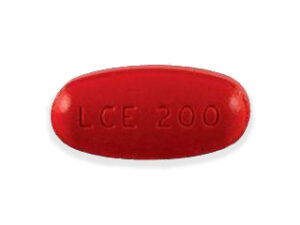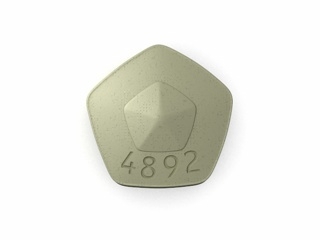


Requip (Ropinirole) – Patient Information (Australia)
Requip is a medicine containing ropinirole, used to treat certain movement disorders and, in some cases, restless legs syndrome. This page explains how it works, how to take it safely, what to expect, and key interactions. It is written for patients and carers in Australia.
Note: Always follow the instructions provided with your medicine and any advice from your healthcare professional. Individual needs vary.
1. Basic product information
| Feature | Details |
|---|---|
| Brand name | Requip |
| Active ingredient | Ropinirole |
| Medicine class | Dopamine receptor agonist |
| Common forms | Tablets (available in different strengths; some schedules are immediate-release) |
| Where used | Australia (availability may vary by brand/strength and prescriber arrangements) |
Strengths and formulations: Requip comes in tablet strengths; a “prolonged-release” form may also be available in some markets. Always check the packaging and confirm the exact product you have.
2. What Requip is used for (indications)
Requip is used for:
- Parkinson’s disease (treatment of symptoms, alone or in combination with levodopa)
- Restless legs syndrome (RLS) (treatment of moderate-to-severe symptoms in adults)
Why this matters: Even though both conditions involve “dopamine pathways,” treatment goals and dosing schedules differ. Use Requip only for the condition it was recommended for.
3. How it works (mechanism of action)
Ropinirole works by acting like dopamine in the brain.
- Dopamine is a chemical messenger that helps control movement and other brain functions.
- In Parkinson’s disease, dopamine signalling becomes less effective.
- Ropinirole stimulates dopamine receptors—particularly the D2/D3 receptor family—helping to reduce movement symptoms.
- In restless legs syndrome, dopamine pathways also play a role in uncomfortable sensations and urges to move, especially in the evening or night.
4. Pharmacokinetics (how the body handles it)
Pharmacokinetics describes what happens after you take a dose—absorption, distribution, metabolism, and elimination.
- Absorption: Ropinirole is absorbed from the gastrointestinal tract after oral dosing. The level in the blood may be affected by food (see “Food interactions” below).
- Peak levels: After swallowing a dose, blood concentrations rise to a highest level within a few hours (exact timing can vary by formulation).
- Distribution: It distributes into body tissues and crosses into the central nervous system.
- Metabolism: The liver metabolises ropinirole. A key enzyme involved is CYP1A2.
- Elimination: Metabolites are excreted mainly through the kidneys (via urine).
Clinical relevance: Because metabolism involves CYP1A2, some medicines and substances can change ropinirole levels (for example, certain antibiotics, antidepressants, and smoking status).
5. Timing: when to take Requip
Timing depends on what you’re treating and the product form/strength you have.
- Parkinson’s disease: Doses are often taken multiple times per day, and schedules may be adjusted gradually.
- Restless legs syndrome: Doses are commonly taken in the evening to match symptom timing. Many patients take it about 1–3 hours before bedtime, but follow your specific instructions.
Tip: Take Requip at the same time(s) each day. Use a medication reminder if you’re increasing doses gradually.
6. Food interactions
Food can influence how much ropinirole gets absorbed.
- With food: Taking ropinirole with food may reduce peak concentration and can slow absorption (overall effect is often moderate).
- Without food: Absorption can be faster, which may increase peak levels for some people.
Practical advice:
- Try to take your doses consistently either with food or at about the same times relative to meals.
- If your healthcare professional has given specific “with/without food” guidance, follow that plan.
7. Alcohol and medicine interactions
Alcohol
Alcohol may increase the risk of side effects such as:
- Drowsiness or dizziness
- Impaired coordination
- Sleepiness (including sudden episodes in rare cases)
Recommendation: Limit or avoid alcohol, especially when you are adjusting to a new dose.
Important medicine interactions
Ropinirole is metabolised by the liver (CYP1A2). Medicines that affect CYP1A2 can change ropinirole levels.
- CYP1A2 inhibitors (can increase ropinirole levels): some medicines used for infections or other conditions may raise ropinirole exposure, increasing side effects.
- CYP1A2 inducers (can decrease ropinirole levels): some medicines may reduce effectiveness by lowering blood concentrations.
- Other medicines affecting the brain (sedatives, some sleep medicines, opioids, and certain antihistamines): may increase sedation and dizziness.
Smoking: Smoking is known to influence CYP1A2 activity. If you smoke, quit, or change the amount you smoke, discuss this with your healthcare professional—your ropinirole dose may need review.
Always tell your healthcare professional and pharmacist about:
- All medicines (including over-the-counter products)
- Herbal supplements
- Vitamins and “natural” products
- Any recent medication changes
8. Typical dosing and how to start
Dosing must be individualised. Your doctor will start low and increase gradually to reduce side effects. The titration schedule differs depending on your condition and product form.
General titration principles
- Start low to help your body adjust.
- Increase gradually if symptoms are not controlled and side effects are manageable.
- Monitor response and tolerability regularly.
- If you miss doses, your prescriber may advise how to restart (especially after gaps).
How doses are commonly structured (overview)
Below are typical examples of what titration can look like. Your exact schedule will be determined by your prescriber and the specific tablet strength you have.
- Parkinson’s disease: Often started at a low daily dose and increased over weeks. Some patients take it multiple times per day.
- Restless legs syndrome: Commonly started in the evening with gradual increases until symptoms improve. Many people take it only once daily, but the plan depends on your product and response.
Important: Do not change your dose or stop suddenly without medical advice. Sudden cessation may cause problems, including worsening symptoms or other withdrawal-like effects.
9. Safety profile and side effects
Like all medicines, Requip can cause side effects. Many improve as your body adjusts, especially during dose increases.
Common side effects
- Nausea or indigestion
- Dizziness or light-headedness
- Sleepiness or tiredness
- Headache
- Abnormal dreams
- Swelling of legs/ankles (fluid retention) in some people
Less common but important side effects
- Low blood pressure when standing (orthostatic hypotension), leading to falls
- Hallucinations (more likely in older adults or in combination therapy)
- Confusion
- Impulse-control problems (e.g., compulsive gambling, increased libido, binge eating)
- Severe drowsiness or sleep attacks in rare cases
- Worsening of restless legs symptoms over time in some people (augmentation can occur with long-term dopamine agonist therapy)
When to seek urgent help
Contact urgent medical care if you experience:
- Severe dizziness/fainting
- Chest pain, trouble breathing, or allergic-type reactions (swelling of face/lips, rash)
- New severe confusion or hallucinations that you cannot manage
- Sudden falls or inability to stay awake while doing activities such as driving
10. Practical use tips (helping you take Requip safely)
- Start gradually: Follow the titration plan closely. Side effects are more likely if doses increase too quickly.
- Be careful standing up: If you feel light-headed, rise slowly from sitting or lying down.
- Track symptoms: Keep a brief log of symptom control and side effects (especially during the first 1–3 months).
- Driving and machinery: If you feel drowsy, dizzy, or have unusual sudden sleepiness, do not drive or operate machines. Discuss work/safety with your healthcare professional.
- Don’t stop suddenly: If you need to stop, dose reduction should be guided by your healthcare professional.
- Watch for impulse-control changes: Tell someone close to you if you notice unusual urges or behaviours.
- Manage nausea: Taking with food or splitting doses as instructed can help. Do not self-adjust without advice.
11. Special considerations
Kidney problems
In general, kidney function can influence medication handling differently across patients. Your prescriber may adjust dosing if you have reduced kidney function.
Liver problems
Because ropinirole is metabolised by the liver, liver impairment may require careful dosing and monitoring.
Older adults
Older adults may be more sensitive to side effects such as dizziness, hallucinations, and sleepiness. Titration may be slower.
Restless legs syndrome (augmentation)
With long-term use of dopamine agonists, some people experience augmentation—symptoms start earlier in the day, are more intense, or spread to other body parts. If this happens, contact your clinician promptly; strategies may include dose adjustments or switching to other treatments.
12. Alternative options for Parkinson’s disease and restless legs syndrome
Choice of therapy depends on your diagnosis, severity, overall health, and personal preferences. If Requip is not suitable or side effects are troublesome, your healthcare professional may consider alternatives such as:
For Parkinson’s disease
- Levodopa/carbidopa (often mainstay for symptom control)
- Other dopamine agonists (e.g., pramipexole, rotigotine)
- MAO-B inhibitors (e.g., selegiline, rasagiline)
- COMT inhibitors (e.g., entacapone) in combination
- Amantadine in selected cases
- Non-medication options (physiotherapy, occupational therapy, exercise programmes)
For restless legs syndrome
- Alpha-2-delta ligands such as gabapentin enacarbil or pregabalin (depending on local availability and suitability)
- Iron therapy if iron stores are low (commonly considered if ferritin is reduced)
- Lifestyle measures (review caffeine, exercise balance, sleep routine)
Important: Do not switch therapies without clinician guidance, especially when moving between medicines that affect dopamine signalling.
13. Australia: market and legal context, availability, and recent guidance
In Australia, medicines are regulated through the Therapeutic Goods Administration (TGA). Availability, prescribing arrangements, and authority requirements can vary depending on the product, strength, and indication.
- Healthcare oversight: Medicines containing ropinirole are typically supplied under appropriate clinical assessment.
- Formulation and strength availability: Stock can vary by tablet strength and by whether immediate-release or other formulations are used.
- Guideline-based care: Clinical guidelines may recommend careful monitoring for side effects (including sleepiness and hallucinations) and for augmentation in restless legs syndrome.
- Safety reviews and updates: Australian clinicians also follow evidence updates from global regulatory and professional bodies. Your prescriber may adjust practice to align with the latest safety information.
Recent safety focus areas (general): Dopamine agonists have ongoing attention around sleepiness/sleep attacks, hallucinations, and impulse-control effects—patients are encouraged to report symptoms early.
For the latest local prescribing and safety information, ask your pharmacist or refer to TGA resources and consumer medicines information documents.
14. Delivery and availability (online pharmacy use in Australia)
Availability may vary depending on your location and the specific tablet strength/formulation.
- Ordering: Ensure you select the correct product strength and quantity.
- Packaging: Medicines should arrive in original packaging with clear labelling and expiry information.
- Cold chain: Requip tablets generally do not require refrigeration. Follow packaging instructions.
- Delivery times: These vary by courier service and region. Your pharmacy website typically provides estimated delivery windows.
- Substitutions: If a specific brand or strength is temporarily unavailable, reputable pharmacies may source an equivalent product only if permitted and appropriate—always confirm before using.
Storage: Keep tablets in a cool, dry place away from moisture. Store at a stable room temperature unless the label states otherwise. Keep out of reach of children.
15. Requip FAQ
1) How long does it take to start working?
Many people notice improvements within days to weeks, but full benefit can take longer—especially for Parkinson’s disease where dosing is increased gradually. For restless legs syndrome, some patients feel symptom relief quickly after reaching an effective dose.
2) What should I do if I miss a dose?
If you miss a dose, take it when you remember unless it is close to the next scheduled dose. Do not take a double dose. Because schedules differ, check your label instructions or contact your pharmacist for guidance tailored to your dosing plan.
3) Can I take Requip with food?
Yes, many people take it with or after food to reduce nausea. Food may affect absorption, so aim for consistent timing relative to meals.
4) Can I drink coffee or caffeine?
In restless legs syndrome, caffeine can sometimes worsen symptoms for some people. There’s no universal rule for all patients—monitor your response and consider reducing caffeine if symptoms increase.
5) Is it safe to drive after taking Requip?
If you feel drowsy, dizzy, or have sudden sleepiness, you should not drive or use machinery. Discuss driving risk with your clinician—especially during dose changes.
6) What are augmentation symptoms in restless legs syndrome?
Augmentation may look like symptoms starting earlier in the evening, becoming more intense, occurring at rest more frequently, or spreading to other body parts. If you notice this pattern, contact your healthcare professional promptly.
7) Why do doctors increase the dose slowly?
Ropinirole can cause side effects such as nausea and dizziness. Gradual increases help your body adapt and reduce the likelihood of troublesome adverse effects.
8) Can I stop Requip suddenly?
Do not stop without medical advice. Stopping abruptly can lead to problems, including symptom worsening or withdrawal-like effects. Dose reduction should be planned by your healthcare professional.
9) What if I develop hallucinations or confusion?
Contact your healthcare professional urgently. These effects can sometimes be reduced by adjusting dose or reviewing interacting medicines.
10) How do other medicines affect Requip?
Because ropinirole is metabolised in the liver, some medicines can increase or decrease its levels. Always tell your pharmacist about all medicines you take, including herbal products and over-the-counter medicines.
16. Key takeaways
- Requip (ropinirole) is a dopamine receptor agonist used for Parkinson’s disease and restless legs syndrome.
- It works by stimulating dopamine receptors to improve movement and reduce RLS symptoms.
- Doses are typically started low and increased gradually to improve tolerability.
- Food can influence absorption; keep dosing timing consistent relative to meals.
- Avoid alcohol where possible and be cautious with sedating medicines.
- Report important side effects early—especially sleepiness, hallucinations, and impulse-control changes.
- In RLS, watch for augmentation over time and seek advice if symptoms worsen or shift earlier.
If you have questions about your specific product, dose schedule, or interactions, speak to your pharmacist or healthcare professional. They can tailor advice to your condition and other medicines.