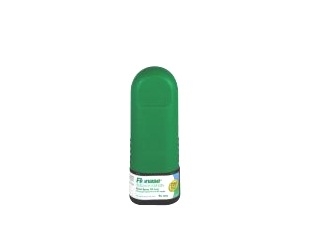
Flonase Nasal Spray (Fluticasone) – Patient Guide (Australia)
Flonase Nasal Spray contains fluticasone, a corticosteroid medicine used in the nose to help control symptoms of allergic and non-allergic nasal inflammation. If you suffer from sneezing, blocked or runny nose, itching, or post-nasal drip related to rhinitis, Flonase may help reduce inflammation and improve airflow.
This guide explains how Flonase works, how to use it correctly, what to expect, important safety information, and practical tips. It also covers common interactions, alternative options, and pharmacy availability in Australia.
Basic product information
- Medicine: Flonase Nasal Spray
- Active ingredient: Fluticasone (intranasal corticosteroid)
- How it’s used: Spray into the nostrils (intranasal)
- Common uses: Allergic rhinitis (hay fever) and other inflammatory nasal conditions
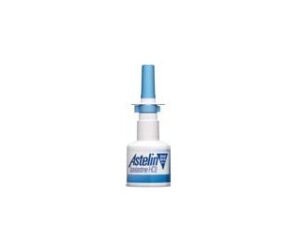
- Form: Metered-dose nasal spray
Note: Strengths and pack sizes may vary by product presentation. Always check the label and the consumer medicine information (CMI) included with your product.
How Flonase works (mechanism of action)
Flonase is an intranasal corticosteroid. When you spray fluticasone into your nose, it reduces inflammation in the nasal lining. In allergic rhinitis, allergens trigger an immune response that causes swelling, excess mucus, and irritation. Corticosteroids help:
- Reduce release of inflammatory substances
- Lower swelling (congestion) and improve nasal airflow
- Decrease mucus production and reduce runny nose/post-nasal drip
- Relieve nasal itching and sneezing
Key point: Flonase treats the underlying inflammation. It is not a “quick fix” like some decongestant sprays; it works best with regular use.
Pharmacokinetics (how the body handles it)
After intranasal administration, only a portion of fluticasone reaches the bloodstream. Most of the dose remains in the nasal tissues or is swallowed and then broken down by the body.
- Absorption: Intranasal absorption is limited; systemic exposure is relatively low when used as directed.
- Distribution: Any absorbed drug is distributed in the body; clinically relevant effects are uncommon at recommended doses.
- Metabolism: Fluticasone is metabolised mainly by the liver enzyme CYP3A4.
- Elimination: Metabolites are eliminated primarily through bile and faeces (with minor renal contribution).
Practical implication: Because fluticasone is processed by CYP3A4, interactions with strong inhibitors of this pathway can increase blood levels. This is discussed further in the “Interactions” section.
Typical use and what it helps
Flonase is commonly used for:
- Allergic rhinitis (hay fever): symptoms such as sneezing, blocked nose, runny nose, and nasal itching
- Non-allergic rhinitis with inflammatory features (as advised by a healthcare professional)
- Seasonal and perennial symptoms (depending on the cause and your routine)
It may also be used to help reduce post-nasal drip symptoms (often felt as throat clearing or mucus sensation), particularly when nasal inflammation is the driver.
When to start working (timing)
Flonase can take time to reach full effect because it reduces inflammation over days rather than minutes. Many people notice improvement within:
- 12–24 hours for some symptoms
- several days for more complete relief
Best results: Use Flonase regularly (as directed on your product label/CMI) during allergy seasons or ongoing symptoms. If you stop once you feel better, symptoms may return.
Indications (who it’s for)
Flonase is intended for individuals who need relief from nasal inflammation symptoms such as:
- Allergic rhinitis (including seasonal hay fever)
- Chronic or recurrent nasal congestion linked to inflammation
- Symptoms such as sneezing, runny nose, and nasal blockage
Age guidance: Age eligibility and dosing can vary by country-specific product instructions. Use only as specified for your age group and product formulation.
Dosing (typical intranasal regimen)
Dosing should follow the product label/CMI. Below are common patterns used with intranasal fluticasone sprays; confirm your exact schedule on the packaging.
| Group | Typical starting approach | How to adjust |
|---|---|---|
| Adults and older adolescents | Often begins with 1–2 sprays per nostril once daily (depending on product strength and symptom severity) | May adjust to the lowest effective dose as symptoms improve |
| Children | Dosing is age-specific (some products may be used for children only above a certain age) | Use the dose stated for your child’s age on the label/CMI |
| Ongoing symptoms | Continue daily during the symptom period, not just when symptoms peak | Review technique and persistence if response is limited after several days |
Important: Do not exceed the maximum number of sprays per day stated on your product packaging. Overuse increases the chance of local side effects and systemic corticosteroid effects.
Practical use tips (how to use Flonase Nasal Spray correctly)
Correct technique helps ensure the medicine reaches the nasal lining and reduces the risk of side effects.
- Gently blow your nose to clear mucus.
- Shake the bottle if your product instructions require it.
- Prime the spray if it’s new or not used for several days (follow the leaflet instructions; usually a few test sprays into the air).
- Use the correct head position: keep your head upright. Avoid tilting too far back.
- Insert the nozzle into one nostril while closing the other nostril with a finger.
- Direct the nozzle slightly outward (towards the ear on the same side). This helps avoid spraying straight towards the nasal septum.
- Spray while breathing in gently. Do not sniff hard.
- Repeat for the other nostril or second spray if needed.
- Wipe the nozzle and replace the cap.
- Cleaning: If the nozzle becomes blocked, clean it as directed by the CMI (commonly by wiping and carefully removing debris; avoid poking with sharp objects).
- Consistency: If you forget a dose, take it when you remember unless it’s close to the next dose—then resume your routine. Don’t double up.
- Expect gradual improvement: If symptoms are severe, continue daily use for several days before concluding it isn’t working.
Food interactions
Food interactions are not generally expected for intranasal fluticasone, because absorption through the nose and metabolism in the body are not significantly affected by meals.
However, some people swallow a small amount of nasal spray. If you find swallowing-related discomfort, using the spray with a gentle inhale (rather than hard sniffing) can help.
Alcohol and medicine interactions
Alcohol: Flonase is not typically associated with direct alcohol interactions. Still, avoid heavy alcohol intake if it worsens allergy symptoms or sleep quality, which can affect congestion and overall wellbeing.
Medicine interactions (important): Fluticasone is metabolised by CYP3A4. Medicines that strongly inhibit CYP3A4 can increase fluticasone levels and raise the risk of corticosteroid-related effects.
- Strong CYP3A4 inhibitors (examples): some antifungals (e.g., ketoconazole, itraconazole), certain antivirals (e.g., ritonavir-containing regimens), and some antibiotics (e.g., clarithromycin).
- Weaker inhibitors or multiple interacting medicines: risk may still increase depending on the combination, dose, and duration.
What to do: Tell your pharmacist or healthcare professional about all medicines you use, including:
- Prescription medicines
- Over-the-counter products (including other nasal sprays)
- Herbal supplements
Using with other nasal products: If you also use saline rinses, it’s usually recommended to use saline first, then Flonase after the nose clears. Avoid combining multiple steroid nasal sprays unless advised.
Safety profile and side effects
Flonase is generally well tolerated when used at recommended doses. Most side effects are local (in the nose), especially early in treatment.
Common side effects
- Nasal irritation or burning
- Sneezing after spraying
- Dry nose
- Mild nosebleeds (epistaxis)
- Headache or unpleasant taste/smell (less commonly)
Serious but uncommon warnings
Seek urgent medical advice if you experience signs of a significant allergic reaction or severe infection. Also contact a healthcare professional if you develop persistent severe nosebleeds, worsening nasal pain, or symptoms suggesting nasal injury.
- Allergic reaction: swelling of face/lips, difficulty breathing, hives
- Severe or persistent nosebleeds
- Signs of infection: fever or severe facial/nasal pain that doesn’t improve
- Hormone-related effects (very rare at recommended doses): prolonged high-dose use of corticosteroids may affect the body’s steroid balance
Risk reduction tips
- Aim spray slightly outward (towards the ear) to reduce septum irritation
- Use the lowest effective dose
- Keep the nasal lining moisturised (saline can help)
- Contact a clinician if nosebleeds occur frequently—technique and dose may need adjustment
Special situations
- Recent nasal surgery or significant nasal injury: get advice before using corticosteroid sprays.
- Nasal infections or untreated infections: consult a pharmacist/doctor for guidance, especially if symptoms worsen.
- Eye-related symptoms: if you have pain or vision changes, seek medical advice promptly.
- Children: use only if appropriate for age and follow label directions carefully.
- Pregnancy/breastfeeding: discuss with a healthcare professional; intranasal steroids are often considered when benefits outweigh potential risks.
Recent guidance and practical expectations
In Australia, intranasal corticosteroids like fluticasone are widely recommended as a first-line option for moderate to severe allergic rhinitis and for people whose symptoms persist beyond occasional seasonal discomfort.
Common updated practical advice includes:
- Technique matters: many cases of “not working” are due to incorrect spray aim, poor priming, or inconsistent daily use.
- Time to effect: benefits are typically seen over days, so starting early in allergy season can help.
- Use the lowest effective dose: many people can reduce the dose once symptoms are controlled.
- Combine thoughtfully: saline irrigation and avoidance of known allergens can enhance results. Decongestant sprays should generally be limited in duration unless advised.
If symptoms don’t improve: consider reassessing triggers, ensuring correct technique, and discussing alternative therapies.
Alternative options (what else you can consider)
Depending on symptom pattern and severity, other options may be suitable. Your pharmacist can help you choose based on your symptoms, medical history, and other medicines.
Non-steroid options
- Antihistamine nasal sprays or tablets: can help with sneezing and itching, especially for allergy-driven symptoms.
- Oral antihistamines: helpful for many people, though congestion relief may be less effective than intranasal steroids for some.
Other nasal treatments
- Saline sprays/irrigations: moisturise nasal passages and clear allergens and mucus.
- Decongestant sprays: can relieve blockage quickly, but should generally be used for short periods to avoid rebound congestion.
- Different steroid sprays: other intranasal corticosteroids may suit some users; availability varies.
When to seek further assessment
- Symptoms last beyond the expected allergy period
- Frequent nosebleeds, persistent pain, or worsening congestion
- Possible sinus infections or structural issues
Delivery and availability in Australia
Flonase Nasal Spray is commonly available through Australian pharmacies and online pharmacy services. Availability may vary by location, stock levels, and formulation strength.
- Online ordering: select the correct pack size and check the strength and age indications on the product page and label.
- Delivery: delivery times depend on the supplier’s dispatch schedule and your location. Typical shipping options and tracking are often offered.
- Storage: store at room temperature as directed on the packaging, keep out of direct sunlight, and avoid extreme heat.
Tip: If you’re preparing for allergy season, consider ordering a refill early to avoid running out once symptoms start.
Market and legal context in Australia
In Australia, medicines are regulated through the Therapeutic Goods Administration (TGA). Intranasal corticosteroid sprays like fluticasone are sold either as listed products or via pharmacist/pharmacy supply pathways depending on the specific formulation, strength, and intended use.
Online pharmacies must comply with Australian requirements for:
- Advertising and product information accuracy
- Appropriate supply and ordering practices
- Providing consumer-relevant medicine information, including directions for use
If you have questions about whether a specific Flonase product is suitable for you, your pharmacist can help interpret product labels and advise on safe use alongside your current medications.
FAQ (Frequently Asked Questions)
1) How long does it take for Flonase to work?
Some people notice improvement within 12–24 hours, but fuller symptom control often takes several days of regular daily use. If you stop once you feel better, symptoms may return.
2) Is Flonase a decongestant?
No. Flonase works by reducing inflammation, not by rapidly narrowing blood vessels. Relief may be slower than with decongestant sprays, but it can be more sustainable for inflammatory symptoms.
3) What if I get nosebleeds?
Mild nosebleeds can happen. Check your technique (aim outward towards the ear), avoid hard sniffing, and consider using a saline spray to moisturise the nose. If nosebleeds are frequent, severe, or persistent, stop use and seek advice.
4) Can I use Flonase with other allergy medicines?
Often, yes—many people combine intranasal steroids with oral or nasal antihistamines depending on symptoms. However, check with a pharmacist, especially if you are also using other steroid sprays or multiple products that could increase corticosteroid exposure.
5) Do I need to prime the bottle?
Typically, new bottles (and bottles not used for a while) require priming. Follow the instructions in the CMI to ensure consistent dosing.
6) Should I sniff hard when spraying?
No. Use a gentle inhale while spraying. Sniffing hard can increase the chance of medicine running down the throat and may irritate the nose.
7) Can Flonase be used long-term?
Many people use intranasal steroids over extended periods during allergy seasons or when symptoms are chronic. Use the lowest effective dose and review ongoing treatment with a pharmacist or clinician if symptoms persist or you require continuous use.
8) Are there alcohol interactions?
Direct alcohol interactions are not commonly expected with intranasal fluticasone. If alcohol worsens congestion or sleep, it may indirectly affect how you feel.
9) What medicines might interact with fluticasone?
Fluticasone is metabolised by CYP3A4. Strong inhibitors (for example, some antifungals and antiviral medicines, and certain antibiotics like clarithromycin) can increase fluticasone levels. Always tell your pharmacist about all medicines and supplements you take.
10) Is there a chance it could affect my growth in children?
At recommended doses, systemic effects are uncommon. Nonetheless, children should use intranasal corticosteroids only when appropriate for age and as directed. If long-term use is needed, clinical review may be recommended.
Summary
Flonase Nasal Spray (fluticasone) is an intranasal corticosteroid used to treat the inflammation behind nasal allergy and related rhinitis symptoms. With correct technique and consistent daily use, many people experience meaningful improvement in blocked nose, sneezing, itching, and runny nose. While side effects are usually mild and local, proper use and awareness of interactions (particularly with CYP3A4 inhibitors) help keep treatment safe and effective.
For best results: use it regularly, aim the spray outward, avoid hard sniffing, and seek advice if symptoms worsen, if you develop significant nosebleeds, or if you’re unsure about other medicines you take.