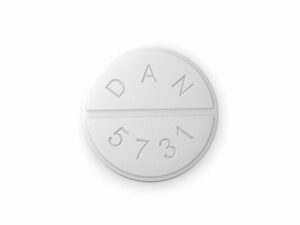
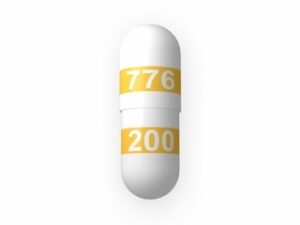
Voltaren (Diclofenac) — Patient-Friendly Guide (Australia)
Voltaren is a brand name that contains diclofenac, a medicine from the group known as non-steroidal anti-inflammatory drugs (NSAIDs). It is commonly used to relieve pain and inflammation associated with a range of musculoskeletal and other conditions. Depending on the specific Voltaren product you choose (for example, tablets/capsules vs. gels), dosing schedules and advice may differ.
This guide is designed to help you understand how Voltaren works, when it’s typically used, how to take it safely, and what interactions to be aware of—tailored for people in Australia.
1) Basic product information
- Active ingredient: Diclofenac
- Medicinal class: NSAID (anti-inflammatory pain relief)
- Common forms: Oral (e.g., tablets/capsules) and topical (e.g., gel)
- Common uses: Pain and inflammation in arthritis and other painful conditions
- Brand names: Voltaren is a widely known brand for diclofenac
Note: Voltaren is available in different strengths and forms. Always check the pack for the exact formulation and instructions that apply to your product.
2) How Voltaren works (mechanism of action)
Diclofenac helps reduce pain and inflammation by affecting the body’s chemical pathways that promote inflammation and pain. Like other NSAIDs, it works primarily by:
- Blocking COX enzymes (cyclooxygenase), which helps reduce production of prostaglandins.
- Reducing inflammation in affected tissues.
- Decreasing pain sensitivity by lowering inflammatory mediators.
As prostaglandins are involved in protecting the stomach lining and supporting kidney function, diclofenac can also increase the risk of side effects in certain people—especially with higher doses or longer use.
3) Pharmacokinetics (how the body handles diclofenac)
Pharmacokinetics describes what happens to a medicine after you take or apply it—absorption, distribution, metabolism, and elimination.
- Absorption:
- Oral diclofenac: absorbed through the gastrointestinal tract. Food can influence how quickly it takes effect (see “Food interactions”).
- Topical diclofenac gel: absorbed through the skin in smaller amounts than oral diclofenac, which may reduce some whole-body side effects while still helping local pain.
- Distribution: diclofenac distributes into body tissues, including sites of inflammation.
- Metabolism: metabolised mainly by the liver.
- Elimination: eliminated through kidneys and bile.
Practical implication: People with liver or kidney problems may need extra caution. Topical formulations generally create lower systemic exposure than oral products.
4) Typical uses (indications)
Voltaren is used for conditions where pain and inflammation are present. Common indications include:
- Osteoarthritis (OA): joint pain and stiffness, commonly in the knees, hands, and other weight-bearing or frequently used joints.
- Rheumatoid arthritis (RA): inflammatory joint disease (pain control as part of overall management).
- Ankylosing spondylitis / axial spondyloarthritis: inflammatory back pain and stiffness.
- Musculoskeletal injuries and strains: short-term pain relief after sprains, strains, or soft tissue injury (especially with topical gel depending on product instructions).
- Localized pain and inflammation: for selected topical gel uses (formulation-specific).
Important: The exact approved indications vary by product form, strength, and jurisdictional approval. Always follow the product’s instructions and the advice of your healthcare professional for your specific condition.
5) When it starts working (timing)
Timing depends on the formulation:
- Oral diclofenac: pain relief can begin within 1 hour for many people, though full effect may take longer.
- Topical diclofenac gel: local relief may begin within hours. Consistent application over several days is often needed for best results.
Tip: If you do not notice improvement after a reasonable trial (as indicated on the pack), or symptoms worsen, seek advice rather than increasing the dose on your own.
6) Dosing (general guidance)
Because Voltaren has multiple forms (oral vs topical; different strengths and dosing schedules), it’s essential to follow the dose on your packaging. Below is general educational information to help you understand dosing patterns, but always check your product label.
Oral diclofenac (tablets/capsules) — general pattern
- Doses vary by strength and whether it is immediate-release or modified-release.
- NSAIDs are commonly taken with food to reduce stomach upset.
- Use the lowest effective dose for the shortest possible duration consistent with your symptom control.
Topical diclofenac gel — general pattern
- Applied to affected areas as directed by the product instructions.
- Typically used multiple times per day (formulation-specific), and you should avoid applying to broken skin.
- Wash hands after application (unless hands are the treatment area).
- Do not use more gel than directed by the pack.
Do not “stack” NSAIDs
Many people accidentally combine diclofenac with other NSAIDs. Avoid taking multiple NSAIDs together unless a clinician advises it.
7) Food interactions
Food can affect how quickly diclofenac is absorbed.
- Oral Voltaren: taking with food may help reduce stomach irritation and can improve tolerability.
- Topical Voltaren gel: food generally does not change absorption significantly, because absorption is through the skin.
Practical advice: If you experience nausea or stomach discomfort, taking oral diclofenac with meals (or as directed on the label) may help. If you develop severe stomach pain, black stools, or vomiting blood, stop and seek urgent medical help.
8) Alcohol and medicine interactions
Alcohol
Combining NSAIDs like diclofenac with alcohol can increase the risk of stomach irritation, ulcers, and bleeding. If you drink alcohol, consider:
- Using the lowest effective dose
- Avoiding alcohol on days you take higher doses
- Stopping and seeking advice if you notice gastrointestinal symptoms
Medicine interactions (important examples)
Diclofenac may interact with other medicines, potentially increasing risks or reducing effectiveness. Common interaction concerns include:
- Other NSAIDs (e.g., ibuprofen, naproxen, aspirin for pain): increased GI and kidney risks.
- Blood thinners (e.g., warfarin): higher bleeding risk.
- Antiplatelet medicines (e.g., clopidogrel): increased bleeding risk.
- Selective serotonin reuptake inhibitors (SSRIs) (e.g., sertraline, fluoxetine): may increase GI bleeding risk when combined with NSAIDs.
- Corticosteroids (e.g., prednisolone): increased GI ulcer/bleeding risk.
- ACE inhibitors/ARBs (e.g., perindopril, lisinopril, losartan): can affect kidney function, especially with dehydration or higher NSAID doses.
- Diuretics (e.g., hydrochlorothiazide, furosemide): can raise kidney risk when combined with NSAIDs.
- Lithium: NSAIDs can increase lithium levels.
- Methotrexate: may increase methotrexate toxicity.
- CycloSPORINE / tacrolimus: increased kidney risk.
- Diabetes medicines and other blood sugar agents: may affect glucose control (monitoring may be needed).
Always tell a pharmacist about all medicines, including over-the-counter products and herbal supplements. If you take multiple medicines, your pharmacist can help check for interactions relevant to your situation.
9) Safety profile and side effects
Like all medicines, Voltaren can cause side effects. Some are more common, and some are serious but less frequent.
Common side effects
- Stomach upset, indigestion, nausea
- Abdominal pain or discomfort
- Headache (varies by person)
- Skin irritation where gel is applied (for topical forms)
Less common but serious risks
NSAIDs including diclofenac have known potential risks. Serious effects may require urgent care:
- Gastrointestinal bleeding or ulcers (symptoms may include black tarry stools, vomiting blood, or severe persistent stomach pain)
- Kidney problems (signs may include reduced urination, swelling of legs/ankles, unusual fatigue)
- Cardiovascular risk (heart attack or stroke risk may increase with higher doses and longer duration in some people)
- Severe allergic reactions (wheezing, facial swelling, rash, difficulty breathing)
- Serious liver issues (symptoms may include yellowing of eyes/skin, dark urine, persistent nausea)
Who should be extra cautious?
- People with a history of stomach ulcers or GI bleeding
- People with known heart disease or a higher cardiovascular risk
- People with kidney disease or dehydration
- People with liver disease
- People with a past allergic reaction to NSAIDs
- Older adults (often higher risk of NSAID side effects)
Seek urgent help if you have symptoms of a serious reaction (e.g., chest pain, sudden weakness, breathing trouble, black stools, or severe allergic symptoms).
10) Practical use tips (getting the best and safest results)
- Use the lowest effective dose: more isn’t always better for pain relief and can increase risk.
- Follow the schedule: take oral medicines at the intervals on the label; apply gel as directed.
- Topical gel hygiene: let the gel dry, avoid contact with eyes/mouth, and wash hands after applying.
- Avoid applying to broken skin or near open wounds.
- Do not cover with tight bandages unless the product instructions allow it.
- Consider protective lifestyle measures: rest the affected area, use gentle heat or cold as appropriate, and continue recommended physiotherapy/exercises.
- Monitor symptom change: if pain worsens or you see no improvement, reassess the treatment approach.
11) Alternative options
If Voltaren isn’t suitable or doesn’t provide enough relief, there may be other options depending on the condition and your risk profile.
Non-medicine approaches
- Physiotherapy and strengthening exercises
- Heat/cold therapy
- Activity modification and ergonomic adjustments
- Weight management for joint arthritis where relevant
Medication alternatives
- Paracetamol (acetaminophen): can help relieve pain; does not have the same anti-inflammatory effect.
- Other NSAIDs: different agents may be better tolerated for some people; however, the same caution about GI and cardiovascular risks applies.
- Topical alternatives: some pain-relief gels/creams (including other anti-inflammatory topicals) may be options for localized pain.
- For specific inflammatory conditions: other anti-inflammatory therapies may be used under specialist guidance.
Your pharmacist can suggest alternatives based on your symptoms, medical history, and current medicines.
12) Market and legal context in Australia
In Australia, diclofenac-containing products are subject to regulatory requirements under the Therapeutic Goods Administration (TGA) and state/territory medicines legislation. Availability and classification can differ depending on the formulation, strength, and intended use.
- Topical products may be available over-the-counter depending on strength and product category.
- Oral formulations may have different access requirements depending on dose form, strength, and indications.
In online pharmacy settings, reputable services display product information to support safe selection, and pharmacists may provide medication advice where allowed. Always ensure the product you select matches your intended use and complies with Australian requirements.
13) Recent guidance and safety reminders
Recent years have seen ongoing public health focus on NSAID safety. Key messages that commonly appear in Australian medicine safety communications include:
- Use NSAIDs at the lowest effective dose for the shortest duration.
- Be especially cautious if you have GI risk, heart disease risk, kidney risk, or you are taking medicines that increase bleeding risk.
- Consider topical options for localized musculoskeletal pain where appropriate.
- Seek help promptly for warning signs such as black stools, severe abdominal pain, shortness of breath, chest pain, or signs of allergy.
For the most up-to-date product-specific advice, always check the package insert/consumer medicine information and speak to a pharmacist if you’re unsure.
14) Delivery and availability (Australia)
Availability varies by product type, strength, and demand. Many diclofenac products can be delivered within Australia, but service details depend on the pharmacy and shipping category.
- Shipping: delivered to eligible addresses in Australia.
- Dispatch times: generally depend on stock availability and order time.
- Packaging: medicines are typically sent in protective packaging to maintain integrity.
- Tracking: many services provide tracking information.
If a specific Voltaren type is out of stock, you may be offered alternatives with similar active ingredients or different formulations.
15) Voltaren FAQ
Is Voltaren the same as diclofenac?
Yes. Voltaren is a brand name that contains the active ingredient diclofenac. Other diclofenac brands may exist.
What is Voltaren used for?
Voltaren is commonly used for pain and inflammation, including conditions such as arthritis and localized musculoskeletal pain. The exact approved uses depend on the product type (oral vs topical) and strength.
When should I take Voltaren for best results?
For oral diclofenac, taking it with food may reduce stomach upset. Start at the timing and frequency listed on your pack. For topical gel, apply at the intervals specified and allow the gel to dry.
Can I take Voltaren with food?
For oral products, food may help reduce gastrointestinal irritation. Topical products are applied to the skin; food is not a major factor for absorption.
Can I drink alcohol while using Voltaren?
Alcohol may increase the risk of stomach irritation and bleeding when combined with NSAIDs. If you choose to drink, do so cautiously and avoid excess. Stop and seek medical advice if you develop symptoms such as black stools, severe stomach pain, or vomiting blood.
What medicines should I avoid mixing with diclofenac?
Avoid combining diclofenac with other NSAIDs unless specifically advised. Be careful with medicines that affect bleeding or kidney function, such as blood thinners, corticosteroids, SSRIs, ACE inhibitors/ARBs, and diuretics. Talk to a pharmacist if you’re unsure.
Are there differences between oral and topical Voltaren?
Yes. Oral diclofenac can affect the whole body more than topical gel, which primarily targets the local area. Topical options may have fewer systemic side effects for some people, but skin reactions can occur.
How long can I use Voltaren?
Use the shortest time needed to control symptoms and at the lowest effective dose. If you need it beyond the period recommended on your pack or symptoms persist, seek advice rather than extending use.
When should I stop and get medical help?
Get urgent medical help if you develop warning signs of serious side effects, including:
- Chest pain, shortness of breath, or sudden weakness
- Black or tarry stools, vomiting blood
- Severe stomach pain
- Swelling of the face/lips, widespread rash, or difficulty breathing
- Yellowing of eyes/skin or dark urine
Does Voltaren treat the cause of arthritis?
Voltaren helps relieve symptoms by reducing pain and inflammation. It does not cure arthritis. Long-term arthritis management usually involves broader strategies and, for some people, disease-modifying treatments.
What should I do if I miss a dose?
For oral diclofenac, take it when you remember unless it’s close to the next dose. Don’t take double doses. For gel, apply as directed on the next scheduled application.
Can children use Voltaren?
Use in children depends on the specific product and age indications listed in the consumer medicine information. Check the packaging and speak to a pharmacist for advice.
Summary
Voltaren (diclofenac) is an effective NSAID used to relieve pain and inflammation related to a range of conditions, particularly musculoskeletal problems and arthritis. It works by reducing prostaglandin production and inflammatory signalling. While it can provide meaningful symptom relief, it also carries important safety considerations—especially for the stomach, kidneys, and cardiovascular system—so it’s best used carefully at the lowest effective dose for the shortest time.
If you have questions about which Voltaren product is right for your symptoms, or how to use it safely with your current medicines, speak with a pharmacist before starting.