

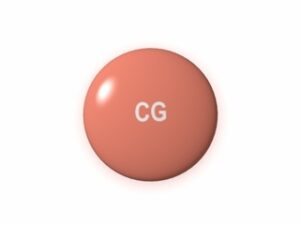
Toradol (Ketorolac) – Patient Guide (Australia)
Toradol is a brand of ketorolac, a medicine from the non-steroidal anti-inflammatory drug (NSAID) family. It is commonly used to relieve short-term, moderate to severe pain. This guide explains how Toradol works, how it’s used, what to expect, and important safety information.
Note: Always follow the directions provided with your medicine and seek medical advice if you have questions—especially if you have a history of stomach ulcers, kidney disease, bleeding problems, or take other medicines that may interact with NSAIDs.
Quick Facts
- Active ingredient: Ketorolac
- Drug type: NSAID (painkiller and anti-inflammatory)
- Main use: Short-term relief of moderate to severe pain
- Common strengths (varies by formulation): Depending on product form (e.g., tablets, injection)
- Typical duration: Usually limited to a short course due to safety considerations
What is Toradol?
Toradol (ketorolac) helps reduce pain and inflammation by blocking specific chemical signals in the body that contribute to pain. It is effective for short-term pain control and may be used in situations such as post-surgical discomfort or acute pain episodes, depending on clinical judgment and local availability.
Toradol is available in different forms, including (in many markets) tablets and injection. The exact product you receive may vary. Always check the label for your specific formulation and strength.
How Toradol Works (Mechanism of Action)
Ketorolac works by inhibiting cyclo-oxygenase (COX) enzymes, mainly COX-1 and COX-2. These enzymes help produce prostaglandins—chemicals that contribute to pain, inflammation, and fever.
- COX inhibition → reduced prostaglandins
- Less prostaglandin activity → decreased pain and inflammation
- COX-1 inhibition can also increase risk of stomach irritation/ulcers and bleeding in some people
Because of this safety profile, ketorolac is typically reserved for short-term and more severe pain rather than long-term use.
Pharmacokinetics: How Your Body Handles Toradol
Pharmacokinetics describes how the body absorbs, distributes, metabolises, and eliminates a medicine.
Absorption
- For oral ketorolac, absorption occurs through the gastrointestinal tract.
- Onset of pain relief can start relatively quickly, though the exact timing depends on the formulation and individual factors.
Distribution
- Ketorolac distributes throughout body tissues.
- It binds to plasma proteins to a meaningful extent.
Metabolism and Elimination
- Ketorolac is metabolised mainly in the liver.
- Elimination occurs primarily through the kidneys.
- Kidney function can significantly affect how long the medicine stays in your system.
Practical implication: People with reduced kidney function may be at higher risk of adverse effects and may require special dosing or avoidance—follow clinical advice.
Typical Use and Indications
Toradol (ketorolac) is indicated for the management of short-term, moderate to severe pain.
Common clinical situations where ketorolac may be considered:
- Post-operative pain (short-term)
- Acute pain episodes requiring stronger NSAID-type analgesia
- Situations where clinicians want rapid pain control
Important: Toradol is not intended for long-term pain conditions. If you have ongoing pain, ask a healthcare professional about safer longer-term options.
When to Take Toradol (Timing and Course Length)
Toradol is generally used for short periods. The exact schedule depends on the product form and the dosing plan.
- Follow the dosing instructions on your medicine pack.
- Use the smallest effective dose for the shortest possible duration.
- If pain persists beyond the intended short course, seek medical advice rather than extending use.
How quickly it works
Many people experience pain relief within a relatively short time after taking ketorolac, especially when taken as directed. If you are concerned that it is not working, do not increase the dose on your own—consult a healthcare professional.
Dosing: General Guidance (Follow Your Label/Instructions)
Dosing depends on factors such as age, kidney function, the severity of pain, and the formulation (oral vs injection). Always check your specific product information.
Key dosing principles
- Do not exceed the maximum daily dose stated for your formulation.
- Do not combine ketorolac with other NSAIDs (e.g., ibuprofen, naproxen, diclofenac) unless a clinician specifically instructs you.
- People at higher risk (e.g., older adults, those with kidney impairment, history of ulcers/bleeding) may require lower doses or may be advised not to use ketorolac.
Maximum duration: In many prescribing practices, ketorolac is limited to short courses to reduce risk of gastrointestinal bleeding and kidney complications. Do not use it longer than advised.
If you share your age, kidney function status (if known), and which Toradol form you have (tablet strength or injection), you can ask for more tailored, safe “how to take it” guidance—but always defer to the package instructions.
Food Interactions
Food can influence how quickly and how comfortably ketorolac is tolerated.
- Taking with food may reduce the likelihood of stomach discomfort for some people.
- Taking on an empty stomach may increase gastrointestinal side effects for some users.
- If your product instructions allow, choosing a time with food can improve tolerability.
Practical tip: If you notice nausea, burning, or stomach pain, taking the next dose with food (and avoiding alcohol) may help—however, stop and seek advice if symptoms are severe or include black/tarry stools or vomiting blood.
Alcohol and Medicine Interactions
Alcohol
Combining NSAIDs with alcohol can increase the risk of stomach irritation, ulcers, and bleeding.
- It’s best to avoid alcohol while using Toradol.
- If you do drink, keep it minimal and discuss risk with a pharmacist or clinician.
Other medicines (common important interactions)
Ketorolac can interact with several medication groups—sometimes in ways that increase bleeding risk, kidney stress, or overall side effects.
| Medicine group | Why it matters | What to do |
|---|---|---|
| Other NSAIDs (ibuprofen, naproxen, diclofenac, aspirin for pain) | Higher risk of stomach bleeding and kidney injury | Avoid combining unless instructed |
| Anticoagulants (e.g., warfarin, apixaban, rivaroxaban) | Increased bleeding risk | Discuss urgently with a healthcare professional |
| Antiplatelets (e.g., clopidogrel) | Higher risk of bleeding | Do not combine without professional advice |
| SSRIs/SNRIs (e.g., sertraline, fluoxetine, venlafaxine) | May increase GI bleeding risk | Seek pharmacist/doctor advice |
| Corticosteroids (e.g., prednisone) | Increased risk of ulcers/bleeding | Professional guidance required |
| ACE inhibitors/ARBs (e.g., enalapril, lisinopril, losartan) | May increase kidney stress, especially in combination with diuretics | Extra caution—monitoring may be needed |
| Diuretics (e.g., hydrochlorothiazide, furosemide) | May contribute to “triple-whammy” kidney risk with NSAIDs | Avoid or use only with clinician advice |
| Lithium | NSAIDs can raise lithium levels | Monitor and avoid unless advised |
| Methotrexate | NSAIDs can increase methotrexate toxicity | Check dosing schedule and guidance |
| Probenecid | May increase ketorolac levels | Avoid unless directed |
Always check any over-the-counter products you plan to take (including cold/flu remedies), because they may also contain NSAIDs or related pain ingredients.
Safety Profile: Important Risks and Warning Signs
Like all medicines, Toradol has potential side effects. The risks are more relevant when ketorolac is used longer than recommended or at higher doses.
Common side effects
- Stomach discomfort or indigestion
- Nausea
- Dizziness
- Headache
Serious side effects (seek urgent help)
Stop taking Toradol and seek urgent medical attention if you experience:
- Signs of gastrointestinal bleeding:
- Black/tarry stools
- Vomiting blood or material that looks like coffee grounds
- Severe or worsening stomach pain
- Allergic reaction:
- Swelling of the face/lips
- Breathing difficulty or wheeze
- Hives or widespread rash
- Kidney problems:
- Reduced urination
- Swelling in legs/ankles
- Unexplained breathlessness
- Severe skin reactions (rare):
- Blistering, peeling skin, or severe rash
- Unexplained bruising or bleeding
Who should be extra cautious
Toradol may be unsuitable or require careful monitoring if you have:
- A history of stomach ulcers or GI bleeding
- Kidney disease or reduced kidney function
- Heart disease, stroke history, or uncontrolled high blood pressure
- A bleeding disorder or low platelet counts
- Asthma triggered by NSAIDs
- Dehydration (e.g., vomiting/diarrhoea) or low fluid intake
Practical Use Tips (Safer, More Comfortable Pain Relief)
- Use the shortest course possible and reassess your pain control after the initial period.
- Avoid doubling NSAIDs. If you’re using ketorolac, do not take ibuprofen/naproxen/diclofenac at the same time.
- Consider stomach protection strategies. Discuss with your pharmacist—sometimes a stomach-protective medicine may be recommended for higher-risk users.
- Stay hydrated. Adequate fluid intake can help reduce kidney stress (unless you’ve been told to limit fluids).
- Watch for side effects early. Stop and seek advice if you get severe stomach symptoms, unusual bleeding, or reduced urine.
- Do not drive if you feel dizzy. Some people experience dizziness or drowsiness.
If you miss a dose
- Take it as soon as you remember if it’s close to your next scheduled time.
- If it’s almost time for the next dose, skip the missed dose—do not take double.
- Follow the dosing schedule on your pack.
Alternative Options for Pain Relief
If ketorolac isn’t suitable (or you need longer-term management), there may be other options depending on the cause of pain.
Common alternatives (general)
- Paracetamol (acetaminophen): Often used for mild to moderate pain; generally gentler on the stomach than NSAIDs (but dosing limits apply).
- Other NSAIDs (e.g., ibuprofen, naproxen): May be options for some people but still carry stomach and kidney risks.
- Topical pain relief (e.g., gels/creams): Can help for certain joint or muscle pains with less systemic exposure.
- Non-medicine options: Rest, physiotherapy, heat/cold packs, stretching, and ergonomic adjustments.
Discuss with a pharmacist if you’re deciding between medicines—especially if you’ve had ulcers, kidney issues, or you take blood thinners.
Market and Legal Context in Australia
In Australia, the availability and prescribing pathways for medicines are regulated to help ensure safe use. Ketorolac products may be subject to specific restrictions depending on formulation (e.g., tablet vs injectable) and strength, and whether they are supplied under medical supervision through recognised channels.
- Medicines must comply with Australian regulatory requirements and be supplied consistent with their category and intended clinical use.
- Online pharmacies must follow Australian laws and pharmacy standards, including identity and eligibility checks where applicable.
Always verify your product details, dosage form, and intended use as supplied by a legitimate Australian pharmacy.
Recent Guidance and Safety Updates (General)
Across NSAIDs—including ketorolac—ongoing guidance consistently emphasises:
- Using the lowest effective dose
- Using NSAIDs for the shortest duration where possible
- Increased caution in people with higher risk of GI bleeding and kidney impairment
- Avoiding combinations that increase bleeding or kidney risk
Because recommendations can evolve, it’s wise to check information provided with your specific product and ask a pharmacist if you’re unsure whether ketorolac fits your circumstances.
Delivery and Availability (Online Pharmacy)
Availability and delivery timing can vary depending on stock levels, formulation, and the pharmacy’s dispensing processes.
- How delivery typically works: Your order is processed, checked for suitability, then dispatched via standard courier services.
- Packaging: Medicines are usually delivered in secure, tamper-evident packaging.
- Storage: Store as directed on the label (commonly at controlled room temperature, away from moisture and heat).
If you need your order urgently, check delivery options and expected dispatch times at checkout.
Frequently Asked Questions (FAQ)
1) Is Toradol the same as ibuprofen?
No. Toradol is ketorolac, an NSAID that is typically stronger for short-term pain than many over-the-counter NSAIDs. It also has a stronger emphasis on short-term use due to safety risks.
2) How long can I take Toradol?
Ketorolac is usually intended for short-term treatment only. The exact maximum duration depends on the formulation and your personal risk factors. Do not extend use beyond the instructions provided.
3) Can I take Toradol with food?
Often, yes. Taking with food may reduce stomach irritation for some people. If your product instructions differ, follow those instructions.
4) Can I drink alcohol while taking Toradol?
It’s strongly recommended to avoid alcohol. Alcohol increases the risk of stomach bleeding and irritation when combined with NSAIDs.
5) What should I avoid while using ketorolac?
- Avoid other NSAIDs (e.g., ibuprofen, naproxen, diclofenac).
- Avoid alcohol.
- Be cautious with medicines that increase bleeding risk (e.g., blood thinners, some antidepressants) unless cleared by a healthcare professional.
6) What if I have stomach pain or heartburn?
Mild indigestion can occur, but severe pain or signs of bleeding (black stools, vomiting blood) require urgent medical attention. Consider stopping ketorolac and seeking advice if symptoms are significant.
7) Can I use Toradol if I have kidney problems?
Ketorolac is handled partly by the kidneys and may be unsafe for people with reduced kidney function. If you have kidney disease, ask a pharmacist or clinician before using ketorolac.
8) Are there safer alternatives for longer-term pain?
Sometimes paracetamol, topical treatments, or other pain strategies may be more appropriate for longer-term conditions. The best option depends on your pain cause and your health history.
9) What should I do if I accidentally took more than instructed?
Seek urgent advice immediately (e.g., contact your pharmacist or local poison information services) and keep the medicine packaging available.
10) How do I know if Toradol is right for me?
Toradol may not suit everyone. People with past ulcers/bleeding, kidney impairment, NSAID-sensitive asthma, or those taking interacting medicines may have higher risk. A pharmacist can help you review medicines and decide the safest approach.
Summary
Toradol (ketorolac) is an NSAID pain reliever designed for short-term, moderate to severe pain. It works by reducing prostaglandins through COX enzyme inhibition, which helps ease pain and inflammation. However, it can increase risk of stomach bleeding and kidney complications, particularly with higher doses, prolonged use, or certain health conditions and interacting medicines.
If you’re considering Toradol, use it exactly as directed, avoid alcohol and duplicate NSAIDs, and monitor for warning signs such as black stools, severe stomach pain, allergic reactions, or reduced urination.