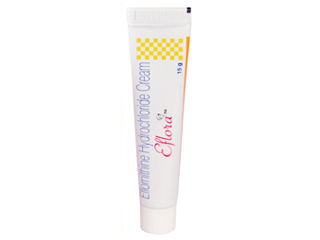

Eflornithine (e-FLOHR-nuh-theen) — Patient Information (Australia)
Eflornithine is a medicine used to treat specific parasitic conditions and, in certain settings, to reduce unwanted facial hair. This page explains what eflornithine is, how it works in the body, how it is commonly used, key safety considerations, and practical guidance for everyday use in Australia.
Important: Medicines can affect people differently. Always follow the instructions provided with your treatment and ask a qualified healthcare professional if you have questions—especially if you have kidney problems, take other medicines, or have a complicated medical history.
Basic product information
- Medicine name: Eflornithine
- Common brand names: Often varies by country and availability
- Medicinal form: Commonly supplied as an oral solution or other preparations depending on supply
- Therapeutic class: Antiprotozoal (for specific infections) and hair-growth suppressant in appropriate use cases
- Who it is for: People diagnosed with an appropriate condition for which eflornithine is indicated
What eflornithine is used for (indications)
Eflornithine may be used in two main clinical areas:
- African trypanosomiasis (sleeping sickness), when caused by the Trypanosoma brucei gambiense type, under specialist guidance.
- Reduction of unwanted facial hair in certain situations, where a suitable regimen is used (typically involving a topical or combination approach depending on the product).
Availability and the exact product form (oral vs topical) can vary. Your clinician or pharmacist can confirm which formulation is being used and what it is intended to treat.
How eflornithine works (mechanism of action)
Eflornithine works by interfering with pathways the body or the target organism needs to make certain proteins. Its key action is:
- Inhibition of ornithine decarboxylase (ODC): Eflornithine inhibits the enzyme ornithine decarboxylase. This enzyme is involved in producing polyamines (molecules important for cell growth and replication).
- Effect on parasites: By blocking polyamine synthesis, it helps stop growth and survival of susceptible parasites in appropriate infections.
- Effect on hair follicles (where used): The same biological pathway is relevant to rapid cell growth. In hair follicles, it can help reduce the rate of hair production, making hair finer or less frequent over time.
The way it works explains why it may take time to see benefit, especially for hair-related outcomes and infections requiring multiple treatment days.
Pharmacokinetics (what happens to the medicine in the body)
Pharmacokinetics describes how the body absorbs, distributes, metabolises, and eliminates eflornithine. While individual factors can alter these processes, the general pattern includes:
- Absorption: Depending on the formulation, absorption may vary. Taking the medicine consistently as directed helps maintain predictable levels.
- Distribution: Eflornithine distributes through body tissues; in certain infections, relevant tissue penetration is important for effectiveness.
- Metabolism: Metabolic pathways are limited compared with many other medicines. The drug’s activity is closely tied to its original form.
- Elimination: Eflornithine is primarily cleared via the kidneys (urine). This is why kidney function can be important for dosing decisions and safety monitoring.
If you have reduced kidney function, your clinician may adjust the dose or monitoring schedule.
Typical use and treatment timing
Treatment timing depends on the condition being treated and the product regimen. In general, eflornithine may involve:
- Multiple doses per day for several days for certain parasitic infections.
- Regular dosing over weeks for hair reduction, with ongoing strategies to maintain results.
Many people do best when they set reminders to take doses at consistent times. If you miss a dose, follow the instructions supplied with your specific product (or ask your pharmacist for advice).
Dosing overview (how much and how often)
Dosing depends on the indication, formulation, and individual factors (including age, body weight, and kidney function). For safety, dosing should always follow the official instructions provided with your product and clinician direction.
General principles:
- Use the exact dose
- Do not stop early if symptoms improve—completion of the regimen is important for effectiveness.
- Kidney function matters: dose adjustments may be needed in people with kidney impairment.
- Follow a consistent schedule: taking doses at evenly spaced intervals supports steady drug exposure.
Because product strengths and formulations can differ, this page provides education rather than a one-size-fits-all dosing schedule. Your pharmacist can help confirm the dosing instructions for the exact eflornithine product you have.
Food interactions
Food interactions depend on how the specific formulation is absorbed and on the medicine’s instructions. For many oral medicines, taking eflornithine with or without food may be acceptable, but you should:
- Take it consistently each day in the same way (e.g., always with food or always on an empty stomach) unless your clinician instructs otherwise.
- Check the product label for specific directions.
If you experience stomach upset, ask a healthcare professional whether taking it with food is appropriate for your formulation. Do not alter the schedule without advice.
Alcohol and medicine interactions
Alcohol may worsen side effects for many medicines, including dizziness, nausea, or fatigue. While there is not always a single “hard rule” for all formulations of eflornithine, a cautious approach is recommended:
- Avoid or limit alcohol during treatment, especially if you notice side effects.
- Watch for additive effects: If you feel drowsy, light-headed, or unwell, alcohol may intensify those symptoms.
Medicine interactions: Eflornithine can interact with other medicines indirectly by affecting blood chemistry, kidney workload, or overall side-effect burden. Tell your pharmacist or doctor about all medicines you take, including:
- Prescription medicines
- Over-the-counter medicines
- Herbal products and supplements
- Any recent or planned vaccinations
This is particularly important if you take medicines that affect kidney function, cause fluid or electrolyte changes, or have neurologic side effects.
Safety profile: common and serious side effects
Like all medicines, eflornithine can cause side effects. Not everyone experiences them. Many side effects are mild and improve as your body adjusts, but seek medical advice if symptoms are severe or persistent.
Common side effects
- Nausea, vomiting
- Diarrhoea or stomach discomfort
- Loss of appetite
- Headache
- Fatigue or weakness
- Dizziness
- Skin reactions or rash (depending on formulation)
Potential serious side effects (get urgent medical advice)
Contact a healthcare professional urgently if you experience signs of a serious reaction, such as:
- Allergic reaction: swelling of the face/lips, hives, trouble breathing
- Severe or persistent vomiting or inability to keep fluids down
- Severe diarrhoea or signs of dehydration
- Confusion, severe dizziness, seizures (urgent assessment is needed)
- Reduced urination or symptoms suggesting kidney problems
- Unusual bruising or bleeding (if accompanied by feeling unwell)
In the event of an emergency, call 000 or seek immediate care.
Who should take extra care?
- People with kidney impairment: may require dose adjustments and closer monitoring.
- People with neurologic conditions: discuss risks with a clinician.
- Pregnancy or breastfeeding: benefits and risks must be assessed individually.
- Older adults: may be more sensitive to side effects and may have reduced kidney function.
Practical use tips (getting the best results safely)
- Set reminders: Use phone alarms or medication reminder apps to support consistent dosing.
- Keep hydrated: Especially if you have diarrhoea or vomiting.
- Use good hygiene and handling practices: If using a formulation that requires preparation (e.g., oral solution), follow the instructions exactly.
- Track side effects: Note timing, severity, and anything that helps—this is useful for follow-up.
- Do not share medicine: Eflornithine is intended for specific conditions and dosing schedules.
- Finish the course: If the treatment is an infection regimen, completing it is important.
What to do if you miss a dose
If you forget a dose, follow your product’s instructions or ask a pharmacist for advice. In general:
- Do not double up to make up for a missed dose unless advised.
- Take it as soon as you remember if it’s close to the scheduled time.
- If it’s almost time for the next dose, skip the missed dose and continue as normal.
If you miss multiple doses, contact your healthcare professional for guidance.
Alternative options
Alternatives depend on the condition being treated:
For parasitic infections (sleeping sickness)
- Other antiprotozoal therapies may be used depending on disease stage, region, and guideline recommendations.
- Supportive care and specialist management are essential.
For unwanted facial hair reduction
- Depending on availability and suitability, alternatives may include other pharmacologic or procedural approaches.
- Outcomes can vary; it may take weeks to months to assess full effect.
A clinician or dermatologist can help determine the most appropriate option based on your diagnosis, hair type, skin sensitivity, and medical history.
Australia: market and legal context (overview)
In Australia, medicines are regulated by the Therapeutic Goods Administration (TGA). Availability may depend on:
- Product registration status
- Prescribing and dispensing requirements set by Australian regulations
- Stock levels and distribution through approved channels
- Clinical guidelines for the indicated condition
Some medicines used for specific, less common conditions may be supplied through limited distribution pathways and specialist services. Your pharmacist can clarify the status of the specific product you are considering and what documentation is required for supply.
Recent guidance and monitoring considerations
Clinical guidance can evolve as new evidence emerges. Current practice generally emphasises:
- Accurate diagnosis of the causative organism or condition before starting therapy.
- Appropriate staging for infections, which may affect the choice of therapy.
- Monitoring for adverse effects, particularly in those with kidney problems or pre-existing neurologic risk.
- Adherence to regimen timing to maximise effectiveness.
Your healthcare provider can also advise on any additional monitoring (for example, blood tests or kidney function checks) if relevant to your case.
Delivery and availability in Australia
Availability varies by formulation and regulatory status. When you place an order through an Australian pharmacy, delivery may depend on:
- Stock on hand: in-stock items typically dispatch sooner
- Supplier lead times: some items may require ordering in advance
- Metro vs regional delivery: transit times can differ
When supplied through a reputable pharmacy, medicines should be packaged to maintain stability and protect them during transport. Always check delivery condition and packaging integrity on arrival.
Storage after delivery
Follow the storage instructions on the label or patient information leaflet. In general:
- Store at the recommended temperature
- Protect from heat and moisture
- Keep out of reach of children
- Do not use after the expiry date
Frequently Asked Questions (FAQ)
1) What is eflornithine used for?
Eflornithine is used for specific parasitic disease (notably a form of sleeping sickness) and, in appropriate regimens, may help reduce unwanted facial hair. The exact use depends on the diagnosis and the product formulation.
2) How long does it take to work?
It varies by indication. For infections, improvement may be observed over the course of treatment, and completion of the regimen is important. For hair-related outcomes, changes typically develop gradually and may take weeks to assess.
3) Can I take eflornithine with food?
Many medicines can be taken with or without food, but the correct approach depends on your specific formulation and instructions. Follow the directions on your product label or the advice of your pharmacist.
4) Is it safe to drink alcohol while using eflornithine?
To reduce the risk of worsening side effects such as dizziness or nausea, it’s generally best to limit or avoid alcohol during treatment. If you plan to drink, discuss it with a pharmacist or clinician, especially if you feel unwell.
5) What should I avoid during treatment?
Avoid alcohol when possible, and avoid making changes to dosing without advice. Also, inform your healthcare provider about any new medicines or supplements you start. If you are taking other treatments, check for interactions.
6) What if I have kidney problems?
Kidney function is important because eflornithine is primarily eliminated through the kidneys. Tell your clinician and pharmacist if you have reduced kidney function or a history of kidney disease—dose and monitoring may need adjustment.
7) What side effects are most common?
Common side effects include nausea, stomach discomfort, diarrhoea, headache, fatigue, and dizziness. Report persistent or severe symptoms to your healthcare professional.
8) When should I seek urgent medical help?
Seek urgent help if you develop signs of an allergic reaction (swelling, hives, trouble breathing), severe vomiting/diarrhoea, confusion, seizures, severe dizziness, or symptoms suggesting kidney problems such as markedly reduced urination.
9) Can I stop eflornithine early if I feel better?
For infections especially, stopping early can reduce treatment effectiveness. Do not stop early without medical advice.
10) Are there alternatives to eflornithine?
Alternatives depend on your diagnosis. A clinician can advise on other antiprotozoal treatments for infections or other hair reduction approaches where relevant.
Summary
Eflornithine is a medicine used for certain parasitic infections and, in suitable circumstances, to reduce unwanted facial hair. It works by inhibiting ornithine decarboxylase, disrupting pathways needed for growth and replication. Because elimination is largely through the kidneys, kidney function can be important for safety and dosing. With consistent timing, careful attention to side effects, and follow-up with healthcare professionals, many people can use eflornithine effectively as part of a structured treatment plan.
If you’d like, share the exact formulation and your prescribed schedule (or the label directions), and we can help you understand timing, practical administration tips, and what to monitor during use.