Efudex (Fluorouracil) – Patient Information (Australia)
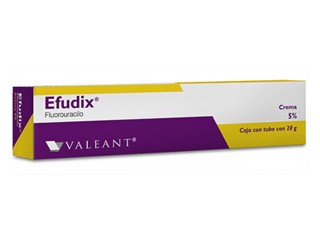
Efudex contains fluorouracil (5‑FU), a medicine used for certain skin conditions, particularly where abnormal or pre-cancerous cells are present. This page explains how Efudex works, how it’s used, what to expect, and the main safety considerations. Always follow the directions provided by your healthcare professional and the product label.
Quick overview
- Medicine: Fluorouracil (5‑FU)
- Brand example: Efudex
- Common form: Topical skin treatment (cream/solution depending on product presentation)
- Used for: Selected actinic keratoses and some other superficial skin conditions (as advised)
- Common effects: Redness, irritation, crusting, and temporary skin inflammation in the treated area
- Key safety note: Avoid eyes, lips, and inside body areas; use carefully and wash hands after application
Basic product information
| Category | Details |
|---|---|
| Active ingredient | Fluorouracil (5‑FU) |
| Brand | Efudex (fluorouracil) |
| Route | Topical (applied to the skin) |
| Typical therapeutic area | Dermatology (superficial lesions/abnormal cells) |
| How it works | Interferes with DNA/RNA synthesis in rapidly dividing cells |
How Efudex works (mechanism of action)
Fluorouracil is an anti-metabolite. It interferes with the way cells build their genetic material and supporting molecules. Specifically:
- Blocks key steps in DNA synthesis by disrupting nucleotide formation.
- Reduces cell growth, particularly affecting rapidly dividing abnormal skin cells.
- Helps treat abnormal lesions by gradually damaging targeted cells while allowing the surrounding healthier tissue to recover after the course.
Because abnormal skin cells often divide faster than normal cells, Efudex can be effective as a field treatment—treating visible lesions and sometimes subclinical (not yet obvious) changes.
Pharmacokinetics (how your body handles it)
After topical application, only small amounts of fluorouracil typically enter the bloodstream compared with injectable or systemic use. The exact absorption can vary with:
- Area size being treated
- Condition of the skin barrier (e.g., if the skin is already inflamed or broken)
- Frequency of application
- Use of occlusive dressings (coverings that increase absorption)
Metabolism and elimination occur mainly in the body through processes that break down fluorouracil, followed by excretion. With appropriate topical use, systemic levels are generally low, but irritation and inflammatory reactions in the treated area are common.
Typical uses and indications (what it may be used for)
Efudex is used in dermatology for certain superficial conditions, most commonly:
- Actinic keratoses (also called solar keratoses) – rough, scaly patches caused by long-term sun exposure
- Other superficial skin lesions where a dermatologist or appropriate clinician has determined that topical fluorouracil is suitable
Important: The exact indication depends on the product presentation and local clinical guidance. Efudex may be used as part of a broader sun-damage management plan (including skin surveillance and sun protection).
Dosing and timing (general guidance)
Dosing varies by product formulation, the lesion type, and the treatment plan. Use the dose and schedule given by your clinician or on the product instructions. The sections below provide patient-friendly general patterns commonly used with topical fluorouracil.
Typical application approach
- Apply a thin layer to the affected area only (unless directed otherwise).
- Frequency may be once or more daily, depending on the protocol.
- Treatment duration often ranges from several weeks, but can vary significantly.
When to expect visible changes
Topical fluorouracil works gradually. Many patients notice a progression of skin reactions, which can be a sign that the medicine is doing its intended effect. Timing varies, but commonly:
- Early phase (first days): mild redness, dryness, and tingling/burning
- Middle phase (weeks): more pronounced inflammation, scaling, crusting, and possible ulceration or erosion
- After course ends: healing begins; new skin may appear after inflammation settles
What is “normal” versus “not normal”
- Often expected: redness, dryness, scaling, tenderness, and crusting within the treated area.
- Seek advice urgently if: severe pain, widespread blistering, rapidly worsening infection signs (increasing redness, warmth, swelling, pus), fever, or symptoms affecting the eyes or face.
Food interactions
Efudex is used topically, so it has a much lower likelihood of interacting with foods compared with oral medicines. There are generally no specific food restrictions required for fluorouracil topical use.
Practical note: If the treatment causes significant irritation or affects appetite indirectly, focus on hydration and comfortable skin care (as advised). If you have swallowing difficulties or severe facial/oral irritation, contact a clinician promptly.
Alcohol interactions
Because Efudex is applied to the skin and systemic exposure is usually low, no direct alcohol interaction is expected for topical fluorouracil.
However, consider the following practical points:
- Skin sensitivity and dehydration: alcohol can contribute to dehydration in some people; hydration may help overall comfort during an inflammatory treatment course.
- Medication safety: if you’re taking other medicines (e.g., for pain, infection, or inflammation), alcohol may interact with those medicines—check those products separately.
Medicine interactions (including topical and systemic medicines)
Topical fluorouracil may have interaction considerations mainly through skin irritation and additive effects with other topical products.
Common interaction concerns
- Other irritating topical products (e.g., strong acids, peels, retinoids): may worsen redness and burning.
- Occlusive dressings: covering the area can increase absorption and intensity of side effects if not recommended.
- Combination regimens: some clinicians coordinate treatment with other therapies—follow the exact schedule and avoid overlapping products unless told.
Systemic interaction
Systemic interactions are less common with topical use, but if you have kidney/liver disease, take multiple medicines, or experience unusual systemic symptoms, seek advice.
Tell your clinician or pharmacist about all medicines and topical products you use, including herbal preparations and over-the-counter creams.
Safety profile: side effects and when to seek help
Efudex commonly causes skin reactions at the treatment site. Many of these are expected during therapy, but it’s important to know what requires medical attention.
Common side effects (treatment-area reactions)
- Redness (erythema)
- Dryness and flaking
- Burning, stinging, or irritation
- Swelling
- Crusting and scaling
- Blistering or small erosions in more inflamed areas
- Temporary changes in skin colour during healing
Less common but serious risks
- Severe local reactions (extensive blistering, intense pain, or rapidly spreading rash)
- Infection signs: increasing warmth, pus, severe swelling, worsening pain, fever
- Eye exposure (burning, redness, pain, vision changes) – this is urgent
- Allergic-type reactions: widespread hives, facial swelling, breathing difficulty (seek emergency care)
When to contact a healthcare professional
Contact a clinician or pharmacist promptly if:
- Symptoms become unbearable or rapidly worsen
- You develop signs of infection
- The treated area is near the eyes, eyelids, lips, nostrils, or genitals and irritation is significant
- Your skin doesn’t start improving after the course ends
Practical use tips (how to get the best results and reduce discomfort)
Using Efudex well can improve tolerability and effectiveness. These tips are aimed at patient-friendly, real-world use.
Preparation and application
- Wash and dry the skin gently before applying (unless your clinician advised otherwise).
- Apply a thin layer only to the lesion/area you were instructed to treat.
- Avoid healthy surrounding skin as much as possible—use a careful spreading technique.
- Use gloves or wash hands after application to prevent accidental transfer to eyes or other body areas.
- Do not apply under occlusion unless you were told to. Covering can intensify absorption and irritation.
Skin care during treatment
- Gentle cleansing: avoid harsh soaps, scrubs, or perfumed products over the treated area.
- Moisturisation: ask your pharmacist whether a bland moisturiser or protective barrier is appropriate. Some regimens use barrier creams between applications.
- Protect from sun: treated areas may be more sensitive. Cover with clothing and avoid direct sun exposure.
- Bandaging: use only as recommended (particularly if the skin becomes crusted or weepy).
Managing expected “strong” reactions
As treatment progresses, you may experience significant inflammation. Mild discomfort can be managed with supportive measures, but do not stop or change the regimen without speaking to a healthcare professional, unless you’re instructed to do so.
If you feel you’re suffering more than expected (severe pain, extensive ulceration, spreading rash), contact your clinician promptly.
Alternative options for actinic keratosis and similar conditions
Your clinician may recommend alternatives depending on lesion type, number of lesions, location, skin type, medical history, and preference. Common options include:
- Cryotherapy (freezing individual lesions)
- Photodynamic therapy (PDT)
- Other topical treatments such as imiquimod (where appropriate)
- Procedural options like curettage or excision for certain lesions
- Combination strategies (e.g., treating visible lesions with one method and field therapy with another)
Discuss with your healthcare professional which approach best balances effectiveness, speed of clearance, expected skin reactions, and convenience for your specific situation.
Delivery, availability and access in Australia
Efudex (fluorouracil) availability can vary based on formulation, manufacturer supply, and Australian regulatory requirements. In Australia, medicines are regulated through the TGA (Therapeutic Goods Administration). Availability through online pharmacies depends on local supply, stock status, and eligibility criteria.
Delivery: If available, delivery is typically arranged to Australian addresses using standard courier networks. Delivery times vary by state and metropolitan vs regional locations. Some products may require identity verification or additional checks before dispatch.
Storage: Store as directed on the packaging. Keep medicines out of reach of children.
Important: Only use medicine supplied from legitimate sources and check the packaging for expiry date and batch details.
Market and legal context (Australia)
In Australia, topical fluorouracil products are regulated under the Therapeutic Goods framework. Access and dispensing requirements depend on the specific product category and how it is supplied by pharmacies. You should receive clear instructions from a pharmacist or healthcare professional about safe use, especially because topical treatment can cause significant local skin reactions.
Because skin cancer prevention and management are important health topics, reputable pharmacies and clinicians emphasise:
- Appropriate diagnosis of lesions before treatment
- Correct application to reduce complications
- Follow-up to confirm response and manage new lesions
- Long-term sun protection to reduce recurrence
Recent guidance and clinical considerations
Australian clinical practice continues to emphasise early detection, accurate diagnosis, and appropriate selection of field therapies for sun-damaged skin. For topical therapies such as fluorouracil, clinicians commonly consider:
- Number and distribution of lesions (field therapy vs lesion-specific treatment)
- Location (cosmetically sensitive or high-irritation areas may need adjusted strategies)
- Patient tolerance for inflammation and crusting
- Skin type and sun exposure to support healing and reduce recurrence
- Monitoring to ensure lesions resolve and to detect any persistent or suspicious areas
Recommendations may be updated over time as new evidence emerges. Your clinician or pharmacist can provide the most current advice for your situation.
What to do if you miss a dose
If you forget an application, apply it when you remember unless it’s close to the next scheduled dose. Avoid applying extra amounts to “catch up.” If you’re unsure, ask your pharmacist.
Because topical courses can be measured in weeks, consistency matters—but safety matters more. Do not continue if you are experiencing severe adverse reactions; seek advice.
Pregnancy, breastfeeding and fertility (general considerations)
General safety considerations for topical fluorouracil include minimizing exposure and careful use. Because systemic absorption is usually low with appropriate topical use, many cases do not lead to significant systemic exposure; however, recommendations can vary by individual circumstances.
- Pregnancy: discuss with your clinician before use.
- Breastfeeding: avoid applying to the chest/areola and prevent infant exposure to treated skin.
- Fertility: topical use is generally not expected to affect fertility, but confirm if you have concerns.
If you are pregnant or planning pregnancy, seek personalised advice before using Efudex.
FAQ – Efudex (Fluorouracil) for patients in Australia
1) What does Efudex feel like when it starts working?
Many people feel mild burning, stinging, or increased dryness early in treatment. Over days to weeks, the treated skin often becomes red and scaly and may form crusts or small erosions. This inflammatory response is often expected, but it should not become unmanageable—if it is severe, contact a clinician.
2) How long does treatment usually take?
Treatment duration varies depending on the condition being treated and the prescribed regimen. It commonly takes several weeks. Your course length should be clearly explained to you.
3) Should I apply Efudex to all sun-damaged skin, or only specific spots?
Follow the instructions given for your situation. Efudex can sometimes be used as a “field” treatment for areas at risk, but it must be applied to the exact zone your clinician specifies. Avoid spreading onto uninvolved skin unless directed.
4) Can I use moisturiser while using Efudex?
Often, gentle moisturisers may be used to reduce discomfort, but timing and product choice matter. Ask your pharmacist whether a particular moisturiser or barrier product is suitable and when to apply it relative to Efudex.
5) Is Efudex dangerous if it gets in my eyes?
Eye exposure can be extremely irritating and potentially serious. If any product contacts the eye, rinse immediately with water or saline for an extended period and seek urgent medical advice, especially if pain or vision changes occur.
6) Can I drink alcohol during treatment?
Alcohol is not expected to interact directly with topical Efudex. If you’re taking other medicines for pain or other issues, check those separately. Focus on hydration and comfort.
7) What should I do about sun exposure?
Avoid direct sun on the treated area. Use protective clothing and shade. Treated skin is more sensitive during therapy and during healing after the course.
8) Will my treated skin scar?
Most healing is temporary with new skin forming as inflammation settles. Scarring is not typical when used correctly, but severe reactions, infections, or inappropriate application increase the risk of longer-lasting changes. Seek advice if healing is abnormal.
9) Are there alternative treatments if I can’t tolerate Efudex?
Yes. Alternatives may include cryotherapy, photodynamic therapy, or other topical agents. Discuss benefits and trade-offs with your clinician.
10) When should I follow up after finishing Efudex?
Follow-up timing depends on your condition and clinician’s plan. In general, lesions should improve over weeks after the course. If a lesion persists, enlarges, becomes new, or changes in an alarming way, seek review promptly.
Summary
Efudex (fluorouracil) is a topical medicine used for selected superficial skin conditions, most often actinic keratoses. It works by disrupting key steps in cell growth, targeting abnormal rapidly dividing cells. Expect a staged inflammatory reaction in the treated area, especially during the middle of the course. Apply it carefully as directed, avoid eye and mucosal contact, protect treated skin from the sun, and contact a healthcare professional if you experience severe reactions or signs of infection.
If you’d like, tell us which formulation strength you have and what condition you’re treating, and we can help you interpret the instructions on the label and plan a comfort-focused skin care approach during treatment.