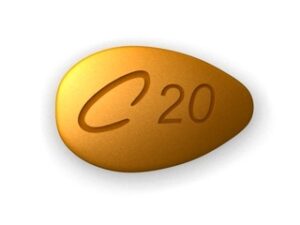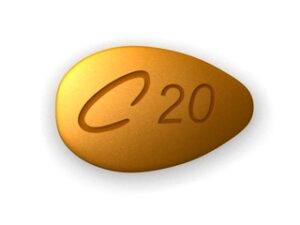


Androxal (Enclomiphene) – Patient Information (Australia)
Androxal contains enclomiphene, an oral medicine used to help stimulate the body to increase its own production of testosterone. It is typically considered for men with low testosterone where increasing natural hormone output is an appropriate strategy.
This information is designed to help you understand how Androxal may work, how it is usually taken, and what to consider for safety and day-to-day use. Always follow the instructions provided by your healthcare professional and the product label.
Quick facts
- Active ingredient: Enclomiphene
- Dosage form: Oral capsule/tablet (as supplied)
- Common purpose: Supports the body’s own testosterone production
- Onset: Some changes may be seen within weeks; full effects often take longer
- Key monitoring: Testosterone, LH/FSH, lipids, liver markers, and overall symptoms
Basic product information
Androxal is an oral selective oestrogen receptor modulator (SERM)-type agent in the trityl-derivative family, used specifically in men to increase gonadotropins (LH and FSH) and support endogenous testosterone levels.
Brand name: Androxal
Generic name: Enclomiphene
Therapeutic class: SERM / hormonal regulator (male endocrine)
How enclomiphene works (mechanism of action)
Enclomiphene acts by influencing oestrogen signalling in the brain—particularly in the hypothalamus and pituitary.
- Blockade at oestrogen receptors: Enclomiphene binds to oestrogen receptors (especially oestrogen receptor pathways involved in feedback control).
- Reduced negative feedback: When oestrogen feedback is altered, the brain interprets this as “lower oestrogen activity” and increases release of gonadotropin-releasing signals.
- Increased LH and FSH: The pituitary responds by increasing LH and FSH.
- Higher testosterone production: LH stimulates the testes to produce more testosterone; FSH also supports aspects of testicular function, including spermatogenesis in appropriate contexts.
Important point: Because Androxal works by stimulating your own hormonal system, effects depend on the ability of the testes and the hormonal axis to respond.
Typical use and who it may suit
Androxal is commonly considered in men with low testosterone (also called hypogonadism) when increasing endogenous production is the goal. It may be particularly considered when maintaining or supporting fertility-related pathways is a concern.
Examples of situations where clinicians may consider options like enclomiphene include:
- Men with confirmed biochemical hypogonadism who prefer to avoid suppression of natural hormone production
- Men in whom testicular function and fertility considerations are important
- Selected cases under specialist guidance where monitoring and follow-up are feasible
Note: The right choice depends on the cause of low testosterone, testicular function, fertility goals, other medical conditions, and lab results.
Indications (what it is used for)
In practice, enclomiphene products like Androxal are used to address low testosterone by promoting increased gonadotropin signalling. Use is generally based on:
- Symptoms consistent with low testosterone (e.g., reduced libido, erectile dysfunction, fatigue, reduced muscle mass)
- Biochemical confirmation (typically morning testosterone measured on more than one occasion)
- Assessment of possible underlying causes (e.g., pituitary/hypothalamic factors, medication effects, metabolic issues)
Not for self-diagnosis: Low testosterone can have multiple causes and other conditions can mimic symptoms. Medical assessment is important.
Dosing (typical regimen)
Dosing can vary by individual and local practice. Common approaches for enclomiphene regimens in clinical settings include:
- Starting dose: Often 12.5–25 mg by mouth once daily
- Maintenance/adjustment: Based on blood test response (testosterone levels and LH/FSH) and tolerability
- Ongoing monitoring: Dose may be adjusted to reach target testosterone while minimising side effects
How to take it: Take at the same time each day to help maintain steady exposure. If you miss a dose, take it when you remember unless it is close to the time of the next dose—do not double up.
Always follow the dose instructions on your product label and the plan agreed with your healthcare professional.
Timing: when you may notice effects
Because Androxal increases gonadotropins and testosterone production indirectly, changes may not be immediate.
- First 2–4 weeks: Some men may notice changes in symptoms and lab values beginning in this period.
- 4–8 weeks: Testosterone levels often continue to rise toward a new steady state; monitoring during this window is common.
- Up to several months: For some individuals, full stabilisation and optimisation of dose may take longer.
Monitoring schedule (typical approach):
- Baseline labs before starting (commonly testosterone, LH, FSH, sometimes estradiol, full blood count, lipids, liver tests)
- Follow-up blood tests after starting and after dose adjustments
- Re-check if symptoms change or side effects occur
Pharmacokinetics (how the body handles enclomiphene)
Pharmacokinetics describes how the medicine is absorbed, distributed, metabolised, and eliminated.
- Absorption: Enclomiphene is taken by mouth and absorption occurs in the gastrointestinal tract. Presence of food may influence the rate but not necessarily the overall extent of absorption.
- Distribution: Enclomiphene is distributed throughout body tissues and may have a relatively long activity window due to persistent pharmacodynamic effects and accumulation characteristics typical of SERM-like agents.
- Metabolism: Metabolism involves hepatic processing (liver enzymes).
- Elimination: The compound and its metabolites are eliminated via hepatic/biliary and other pathways.
Clinical implication: Due to the nature of SERMs and long-acting hormonal effects, changes may continue after dose adjustments and the effects may not be instant.
Because pharmacokinetic parameters can vary by individual factors (age, liver function, co-medications), your clinician may tailor monitoring accordingly.
Food interactions
Food interactions can affect how quickly a medicine reaches peak levels. For enclomiphene:
- General guidance: Many patients can take it with or without food. Taking it at a consistent time relative to meals can improve predictability.
- If you experience stomach upset: Taking it with food may help reduce nausea or discomfort.
Grapefruit products: Some medicines interact with grapefruit through liver enzyme effects. Specific evidence for enclomiphene with grapefruit may be limited, so a precautionary approach is reasonable—avoid grapefruit or discuss with your healthcare professional if regular consumption occurs.
Alcohol interactions
Alcohol does not commonly have a direct “pharmacological” interaction with enclomiphene in the way some drugs do, but alcohol can affect:
- Hormone health: Heavy or chronic alcohol intake can worsen testosterone levels and sexual function.
- Liver function: Since metabolism involves the liver, excess alcohol may increase strain on hepatic pathways.
- Symptoms: Alcohol can worsen fatigue, mood changes, and sleep quality—symptoms that may overlap with low testosterone.
Practical advice: If you drink alcohol, keep intake moderate and be mindful of liver health. If you have liver disease or elevated liver enzymes, discuss alcohol limits with your healthcare professional.
Medicine interactions (important)
Drug interactions can change hormone levels, increase side effects, or alter enclomiphene exposure. Always share a full list of medicines, supplements, and herbal products with your healthcare professional.
Key interaction categories to consider:
- Liver-metabolised medicines: Many drugs affect liver enzymes (for example, certain antifungals, antibiotics, anticonvulsants, and some HIV medicines). These could alter enclomiphene levels.
- Other hormonal therapies: If you are using testosterone, hCG, SERMs, or other endocrine agents, interactions may lead to unexpected changes in testosterone/estradiol or fertility parameters.
- Blood-thinning medicines: While enclomiphene is not typically used as an anticoagulant, SERMs can influence clotting risk in some contexts. If you use antiplatelet or anticoagulant therapy, discuss carefully.
- Supplements with liver effects: Some supplements can affect liver enzymes. If you have abnormal liver tests, pause and review supplements with your clinician.
Do not start or stop other medicines without medical advice, especially medicines that affect hormone balance or liver metabolism.
Safety profile and side effects
All medicines can cause side effects. Many men tolerate enclomiphene well, but the most important issues to monitor are related to hormonal changes and potential liver effects.
Common or expected side effects
- Headache
- Nausea or stomach discomfort
- Visual disturbances (rare, but important—seek medical advice promptly)
- Mood changes (e.g., irritability) in some people
- Gynecomastia-related symptoms (nipple tenderness/swelling) due to altered oestrogen balance in some cases
- Acne or oily skin
Important risks to watch for
- Changes in blood lipids: Some SERMs can adversely affect cholesterol fractions. Monitoring is typically recommended.
- Liver strain: Elevated liver enzymes are uncommon but possible. If you have a history of liver disease, additional monitoring may be required.
- Clotting risk: SERMs in general have been associated with increased clotting risk in certain populations. Your clinician should assess personal and family risk factors.
- Polycythaemia risk: While this is more commonly associated with testosterone therapy, monitor blood counts as advised.
Seek urgent medical attention if you experience symptoms such as:
- Sudden shortness of breath, chest pain, coughing blood
- Sudden severe headache, weakness on one side, or vision loss
- Severe abdominal pain or jaundice (yellowing of skin/eyes), dark urine
Practical use tips
- Take it consistently: Choose a daily time you can maintain.
- Track symptoms: Note changes in energy, libido, sleep, mood, and sexual function.
- Keep lab appointments: Hormone medicines require monitoring for both effectiveness and safety.
- Manage side effects early: If you develop nipple tenderness, mood changes, or persistent headaches, report them promptly—dose adjustment or evaluation may be needed.
- Support overall health: Exercise, sleep, and managing weight can improve testosterone-related symptoms and help interpret treatment response.
Fertility considerations: Because enclomiphene works through the body’s hormonal feedback system, it may be used with fertility goals in mind in selected cases. If pregnancy is desired, ensure fertility-related labs and timelines are discussed with your clinician.
Alternative options
For men with low testosterone, alternative approaches may include:
1) Lifestyle and reversible causes
- Weight reduction (if overweight)
- Improving sleep and treating sleep apnoea
- Reducing heavy alcohol intake
- Addressing medication-related causes
- Optimising nutrition and resistance training
2) Testosterone replacement therapy (TRT)
TRT can raise testosterone quickly, but it may suppress LH/FSH and can affect fertility in some circumstances. Your clinician can discuss the trade-offs.
3) hCG (or gonadotropin therapies)
hCG can stimulate the testes directly in certain causes of low testosterone.
4) Other SERMs or specialist treatments
Depending on diagnosis and local availability, other agents that modulate oestrogen signalling may be considered. Selection depends heavily on the underlying cause and monitoring capability.
Best choice depends on: the cause of hypogonadism, fertility goals, symptom pattern, baseline labs, and risk profile.
Market and legal context in Australia
In Australia, medicines are regulated through the Therapeutic Goods Administration (TGA). Availability and prescribing rules depend on whether a product is registered on the Australian Register of Therapeutic Goods (ARTG), and on the classification status for the specific medicine and formulation.
What this means for customers:
- Availability may differ between registered products and those supplied under specific frameworks.
- Some hormone-related medicines may require clinician involvement depending on scheduling rules and intended use.
- Online pharmacies may offer different ordering pathways based on Australian regulatory requirements.
Always use legitimate supply channels to reduce the risk of counterfeit products or incorrect formulation.
Recent guidance and monitoring considerations
While guidance can evolve, common themes in current clinical practice for androgen-related therapy include:
- Confirming diagnosis: Biochemical testing on multiple occasions and assessment of symptoms.
- Monitoring effectiveness: Regular testosterone measurement and assessment of LH/FSH where relevant.
- Monitoring safety: Periodic checks of full blood count, liver function, and lipids.
- Individualised risk assessment: Especially for clotting, cardiovascular risk, and liver health.
- Oestradiol balance awareness: Because altering hormone feedback can raise or lower oestradiol, monitoring and symptom review are often used to guide adjustments.
If you have questions about the latest monitoring schedule, ask your healthcare professional or refer to local clinical guidance used in Australia.
Delivery and availability (Australia)
Androxal availability can vary depending on supplier stock levels and regulatory status for the exact product and strength. Many online pharmacies in Australia provide options such as:
- Standard delivery: Typically several business days depending on location
- Express delivery: Available from some providers
- Discrete packaging: Common practice for online orders
Ordering tips:
- Check the product strength and quantity carefully before payment.
- Confirm delivery timeframes at checkout.
- Ensure the name and address on the order match your details to avoid delivery delays.
Availability and delivery time can change. Please review the specific terms displayed by the pharmacy at the time you order.
FAQ
1) What is Androxal used for?
Androxal (enclomiphene) is used to help increase the body’s own testosterone production by altering oestrogen feedback signalling in the brain and pituitary. It is typically considered for men with low testosterone where endogenous stimulation is the goal.
2) How fast does Androxal work?
Some men may see changes within a few weeks, but full stabilisation often takes longer. Many clinicians monitor response at 4–8 weeks and after any dose adjustment.
3) Can I take it with food?
Many people can take enclomiphene with or without food. If you get nausea or stomach discomfort, taking it with food may help. Keep the timing consistent day to day.
4) Does alcohol affect Androxal?
Moderate alcohol is not typically described as a direct interaction, but alcohol can negatively affect testosterone levels, sleep, and liver health. Limit intake and discuss alcohol use if you have liver concerns.
5) Will Androxal affect fertility?
Because it stimulates your own hormonal axis (rather than directly replacing testosterone), it may be compatible with fertility goals in selected cases. Fertility outcomes depend on your underlying cause and baseline testicular function, so monitoring is important.
6) What blood tests are usually monitored?
Common monitoring includes testosterone (total and/or free), LH/FSH, oestradiol (sometimes), liver enzymes, full blood count, and lipid profile. Your clinician may tailor this based on your health history.
7) Are there risks like blood clots?
SERMs in general can be associated with clotting risk in certain populations. Your individual risk depends on your personal and family history, cardiovascular risk factors, and other medicines. Report any warning symptoms urgently.
8) What side effects should make me contact a clinician?
Contact your healthcare professional if you experience persistent headaches, mood changes, nipple tenderness or swelling, visual disturbances, symptoms of liver issues (jaundice, dark urine), or any signs of clotting.
9) What should I do if I miss a dose?
Take the missed dose when you remember unless it is close to the next dose. Do not double up. If you are unsure, ask your healthcare professional or pharmacist.
10) How long will I need to take it?
Treatment duration depends on the cause of low testosterone, symptom response, and lab results. Some people require longer-term management, while others may use it as part of a broader approach.
11) Is Androxal the same as testosterone?
No. Androxal stimulates your body to produce testosterone indirectly. Testosterone replacement provides testosterone directly.
12) Are there alternatives if Androxal isn’t suitable?
Depending on diagnosis and goals, alternatives may include lifestyle measures, testosterone replacement, hCG, or other specialist treatments. Selection should be based on labs, symptoms, fertility goals, and safety profile.
Reminder: This page provides general information about Androxal (enclomiphene) for consumers in Australia. Your healthcare professional can advise on suitability, dosing, monitoring, and interactions based on your individual situation.