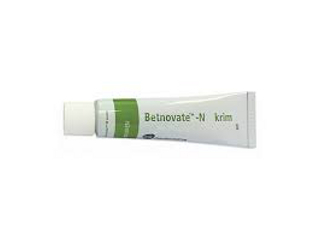
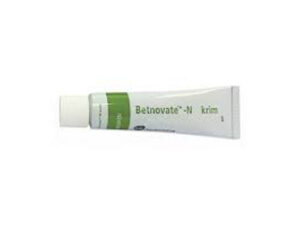
Betnovate® (Betamethasone Valerate) Cream/Ointment — Patient Guide (Australia)
Betnovate® is a topical corticosteroid medicine containing betamethasone valerate. It is used to relieve inflammation, redness, swelling, itching and discomfort associated with a range of skin conditions.
This guide explains what Betnovate is, how it works, how to use it safely and effectively, possible side effects, and what to consider with other medicines and lifestyle factors. It is written for people in Australia and includes practical information commonly relevant to using topical steroid products.
Basic product information
| Feature | Details |
|---|---|
| Medicine name | Betnovate® (betamethasone valerate) |
| Medicine type | Topical corticosteroid (anti-inflammatory) |
| Common forms | Cream and ointment (formulation choice depends on skin condition and dryness) |
| Strength | Typically 0.1% betamethasone valerate in many Betnovate presentations |
| How it’s used | Applied to the skin in a thin layer |
| What it treats | Inflammatory, itchy skin conditions responsive to corticosteroids |
Important: Brand availability and exact presentations can vary (for example, different strengths or formulations may exist). Check the pack label or ask your pharmacist if you are unsure which product you have.
How Betnovate works (mechanism of action)
Betamethasone valerate is a corticosteroid. When applied to the skin, it reduces the immune and inflammatory responses that cause:
- Redness and warmth
- Swelling
- Itching
- Stinging or discomfort
- Thickening and scaling in some chronic conditions
In simple terms, corticosteroids help “calm down” overactive inflammation in the skin. This reduces symptoms and can help the skin heal.
Pharmacokinetics (what happens in the body)
Because Betnovate is used on the skin, most of its action is local. Still, some absorption through skin can occur.
- Absorption: Absorption is generally low when used as directed on intact skin, but it can increase when applied to large areas, used for longer periods, applied to broken/irritated skin, or under occlusion (covering with airtight dressings).
- Distribution: Any absorbed medicine may distribute in the body and be metabolised by the liver.
- Metabolism and elimination: Metabolism occurs primarily in the liver; metabolites are eliminated mainly via the kidneys (urine).
Clinical relevance: Systemic (whole-body) steroid effects are uncommon with appropriate short-term use on limited areas, but the risk rises with high-dose, prolonged, or occluded use.
Typical uses (indications)
Betnovate is intended for inflammatory skin conditions where a strong topical corticosteroid is appropriate. Common indications include:
- Eczema/dermatitis that is responsive to corticosteroid therapy
- Psoriasis (certain types and areas, depending on clinician advice)
- Inflammatory conditions causing itch and redness
Note on infections: Topical corticosteroids can sometimes worsen certain infections (for example, fungal infections). Betnovate may not be suitable if your skin problem is due to or complicated by infection. If you suspect infection, seek pharmacist guidance promptly.
When and how to use it (timing and application)
Topical corticosteroids are most effective when used correctly. In general:
- Frequency: Usually applied once or twice daily depending on severity and product instructions.
- How much: Use a thin layer over the affected area.
- Timing: Apply at a consistent time each day. Many people find using morning and evening helpful when twice daily.
- Duration: Use for the shortest time needed to control symptoms.
Practical tip: If you are prescribed or advised a course, don’t automatically continue once the skin looks better. Many inflammatory conditions improve over days to a couple of weeks, but duration should be guided by your response and medical advice.
“How much” to apply (fingertip unit method)
A helpful way to estimate topical dose is the fingertip unit (FTU): squeeze a line of cream from the tip of your finger to the first crease.
- One FTU covers about two adult palm-sized areas.
- Use only what is needed for the affected area, not the surrounding skin unless directed.
Dosing (general guidance)
Exact dosing depends on the condition, location, skin thickness, and age of the patient. The following is general guidance:
- Adults: Typically apply a thin layer to the affected area once or twice daily for a limited period until improvement is seen.
- Children: Use requires extra caution. Lower potency agents are often preferred for children, and strong corticosteroids should be used only under appropriate guidance.
- Elderly: Use the lowest effective amount, particularly on thin skin areas.
Do not:
- Apply to large body areas without advice.
- Use under occlusive airtight dressings unless specifically instructed.
- Use for extended periods without reassessment.
If symptoms do not improve within a reasonable time (often about 1–2 weeks for many mild-to-moderate presentations), seek advice rather than extending use indefinitely.
Mechanism-related practical use tips (how to get the best results)
- Apply to clean, dry skin unless your clinician/pharmacist advises otherwise.
- Wash hands before and after application (unless treating the hands themselves).
- Moisturise alongside treatment: Emollients can reduce dryness and help the skin barrier. Apply moisturiser at times separate from Betnovate (for example, moisturiser on non-steroid-treated intervals).
- Avoid getting in the eyes or on eyelids unless specifically advised—steroids near the eyes can increase risk of eye complications.
- Stop or reassess if irritation worsens or if you notice signs of infection.
Food interactions
Topical Betnovate is not usually associated with food interactions because it is applied to the skin and systemic absorption is generally low when used correctly.
However, always follow general medication safety:
- If you take other medicines regularly, review them with a pharmacist to ensure there are no specific concerns.
- If your doctor has also prescribed oral medicines (including other steroids), let them know about all topical products you use.
Alcohol interactions
No specific alcohol interaction is typically expected with topical betamethasone valerate under normal use. The risk of interaction largely relates to systemic exposure, which is uncommon when used as directed.
Still: Avoid excessive alcohol if you are receiving other steroid treatments or have infections or other conditions where immune function may be impacted. If you are concerned, consult a pharmacist.
Medicine interactions (including other skin products)
Betnovate has limited direct “drug-drug” interaction potential due to topical use. However, interactions can occur indirectly:
- Other corticosteroids: Using additional steroid products (topical or oral) can increase cumulative steroid exposure.
- Immunosuppressive therapies: If you use other medicines that weaken immune response, discuss topical steroid plans with a healthcare professional.
- Topical infection treatments: If your skin condition is actually fungal or bacterial, corticosteroid alone may worsen it. In such cases, an antifungal or antibacterial treatment may be needed.
- Cosmetics/skin actives: Avoid applying harsh products (such as strong acids or irritating fragrances) over treated areas unless advised, because they may increase irritation.
Also consider: Don’t combine Betnovate with other strong topical steroids unless directed. For acne-like conditions or rosacea-like redness, corticosteroids can make things worse.
Safety profile and side effects
Like all medicines, Betnovate can cause side effects. Many people tolerate it well when used correctly, but the risk increases with higher potency, larger areas, longer duration, and occlusion.
Common local side effects
- Skin irritation (burning, stinging)
- Dryness or mild redness
- Itching may temporarily worsen in some people
Less common or risk-related skin effects
- Skin thinning (atrophy), especially with prolonged use
- Stretch marks (striae)
- Visible blood vessels or bruising tendency
- Changes in pigmentation
- Perioral dermatitis or acne-like eruptions in sensitive areas
Systemic effects (uncommon with correct use)
Systemic steroid effects are uncommon with appropriate use, but can occur if too much is absorbed. Possible signs to watch for (especially with misuse) include:
- Symptoms suggesting hormonal effects from steroid exposure
- Slow wound healing
- Frequent infections
Seek advice urgently if
- Your skin becomes more painful, rapidly worse, or shows spreading redness
- You see signs of infection (pus, increasing warmth, fever, rapidly spreading rash)
- You develop eye symptoms if the product was applied near eyes (redness, pain, blurred vision)
- You develop widespread rash or signs of allergy (swelling, hives, breathing difficulty)
Practical use tips (do’s and don’ts)
Do
- Use the lowest effective amount for the shortest time.
- Apply to affected areas only unless directed otherwise.
- Use moisturisers to support the skin barrier.
- Follow local hygiene practices (clean skin, clean hands, cover treated areas if necessary to avoid transfer).
Don’t
- Don’t use on open wounds unless specifically advised.
- Don’t apply under tight occlusion (airtight dressing) unless instructed.
- Don’t apply to face, groin, or underarms for long periods without medical guidance—skin is thinner in these areas.
- Don’t use to treat undiagnosed rashes that could be fungal or bacterial.
Alternative options
Depending on the underlying diagnosis, severity, and location, other options may be considered. Alternatives commonly fall into two categories:
Non-steroid options (for some conditions)
- Emollients (moisturisers) and barrier-repair creams
- Calcineurin inhibitors (for example, tacrolimus/pimecrolimus in certain eczema scenarios, where appropriate)
- Antihistamines may help itch indirectly (sleep support), depending on symptom pattern
Other steroid options
- Lower potency corticosteroids for maintenance or mild flare-ups
- Different steroid formulations (lotion vs cream vs ointment) based on skin dryness and hair-bearing areas
Your pharmacist can help compare options based on symptoms, affected area, and skin appearance. If symptoms are recurrent, a longer-term skin plan may be more effective than repeated short courses.
Market and legal context in Australia
Topical corticosteroids are widely used in Australia. Availability, supply restrictions, and product classification can vary depending on strength and presentation. Some corticosteroid products may be available through pharmacies, while stronger options may require pharmacist assessment or may be available on prescription depending on formulation and regulatory category.
In general, Australian medicines practice places emphasis on:
- Correct diagnosis (to avoid masking infection or inappropriate use)
- Appropriate potency selection
- Safe duration and monitoring of side effects, particularly with strong steroids
Because guidance can change and product availability can differ between brands and strengths, it’s wise to check the specific Betnovate pack you are considering and consult a pharmacist if you’re unsure.
Recent guidance and stewardship (what to expect from professionals)
Across many countries, including Australia, there is ongoing emphasis on “steroid stewardship” for topical corticosteroids. This typically includes:
- Using the least potent steroid that controls symptoms
- Applying only to affected areas
- Reviewing treatment if there is no response or symptoms worsen
- Being cautious on the face, eyelids, groin, and intertriginous areas
- Considering infection or alternative diagnoses if rashes don’t improve
If you have recurrent eczema flares, many professionals also recommend developing a maintenance routine with emollients and identifying triggers (for example, detergents, irritants, stress, or allergens).
Delivery, availability and how to get it (Australia)
Betnovate products may be available through pharmacy partners and online pharmacy services in Australia, depending on stock and the specific presentation (cream versus ointment). When ordering:
- Check the strength and formulation (cream or ointment) listed on the product page.
- Confirm the pack size and expiry date.
- If you’re treating a child or sensitive area (face, groin, eyelids), consider speaking with a pharmacist for advice on suitability and safer alternatives.
Delivery times: Delivery speed can vary based on location and courier service. Online pharmacies typically display estimated delivery windows at checkout. If you need the product urgently, choose the fastest shipping option available and ensure someone can receive the package.
FAQ — Frequently asked questions
1) What is Betnovate used for?
Betnovate (betamethasone valerate) is used to reduce inflammation and relieve symptoms such as redness, swelling and itching in skin conditions that respond to corticosteroids—commonly certain types of eczema/dermatitis and selected psoriasis cases.
2) How long should I use it?
Use it for the shortest time needed to control symptoms. If symptoms don’t improve within about 1–2 weeks, or if they worsen, seek pharmacist or clinician advice rather than continuing indefinitely.
3) Can I use Betnovate on my face?
Betnovate should be used on the face only with careful guidance. Facial skin is thinner and more susceptible to steroid-related side effects. If you’re treating facial redness or a rash, confirm the diagnosis with a healthcare professional.
4) Is it safe for children?
Topical corticosteroids require extra caution in children. Stronger steroids may not be appropriate for many paediatric conditions or may require shorter courses and careful monitoring. A pharmacist can help you choose an appropriate strength and schedule.
5) What’s the difference between Betnovate cream and ointment?
In general, ointments are more occlusive and can be better for very dry, thick, scaly areas, while creams may feel lighter and are often preferred for weeping or less dry lesions. Your product label will specify suitable uses.
6) Should I moisturise as well?
Often yes. Emollients help support the skin barrier and reduce dryness. Apply moisturiser at different times than Betnovate unless advised otherwise—for example, moisturiser in the evening and Betnovate earlier or vice versa.
7) What should I do if I miss a dose?
Apply when you remember, unless it’s close to the next dose. Don’t double up. Continue with your usual schedule.
8) Can Betnovate be used on infected skin?
If infection is present (for example, fungal infection), corticosteroids can worsen it or mask symptoms. If you suspect infection—such as ringworm, impetigo, or a rapidly spreading rash—seek advice promptly.
9) Will it stop itching quickly?
Many people notice symptom relief within a few days. How quickly it works depends on the underlying condition, correct diagnosis, and how consistently it’s applied.
10) Are there any signs I should stop and get help?
Stop and seek advice if you notice worsening redness/pain, signs of infection, rash spreading, or eye problems (especially if used near the eye). Also contact a professional if side effects such as skin thinning or new acne-like changes occur.
Summary
Betnovate® (betamethasone valerate) is a strong topical corticosteroid that can provide effective relief from inflammatory skin symptoms such as redness, swelling and itching. For best results, apply a thin layer to affected areas, use the lowest effective amount for the shortest time, and moisturise to support skin health. If your rash does not improve or changes rapidly, seek professional advice to confirm the diagnosis and choose the safest next step.