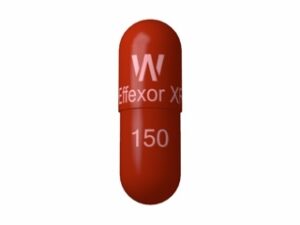
Bupron SR (Bupropion) — Patient Information (Australia)
Bupron SR is a brand of bupropion in a sustained‑release (SR) tablet form. It is used to treat certain mental health conditions and—depending on the product and local regulations—to support smoking cessation in some people. This page explains how Bupron SR works, how it behaves in the body, typical uses, practical tips for taking it, and important safety information.
Note: Always follow the directions provided by your prescriber and the product label. Information on this page is general and may not suit every individual.
1) Basic product information
| Item | Details |
|---|---|
| Medicine name | Bupron SR (bupropion) |
| Dosage form | Sustained‑release (SR) tablet |
| Common strengths | Varies by availability (check your pack) |
| How it is taken | Oral (by mouth) |
| General dosing schedule | Often once daily to start or as divided daily doses, depending on the regimen |
Why SR matters: “Sustained‑release” means the medicine is released gradually over time, which can help reduce blood level peaks and provide steadier effects during the day.
2) What Bupron SR is used for (indications)
Bupron SR (bupropion) is used for:
- Depression (major depressive disorder): to help improve symptoms such as low mood, loss of interest, and reduced energy.
- Smoking cessation support in suitable adults: to reduce cravings and withdrawal symptoms when stopping smoking.
Availability and exact approved indications can depend on local approvals and the specific product listed in Australia. Your healthcare professional can confirm what Bupron SR is intended for in your case.
3) How it works (mechanism of action)
Bupropion’s exact antidepressant and anti‑craving effects are not fully understood, but it is known to influence brain chemical messengers (neurotransmitters).
- Norepinephrine (noradrenaline) and dopamine: bupropion helps increase signalling of these neurotransmitters.
- Minimal effects on serotonin reuptake: unlike many common antidepressants, bupropion is not primarily a serotonin reuptake inhibitor.
In practical terms, this may help improve mood, energy, concentration, and motivation in some people. For smoking cessation, changes in dopamine and norepinephrine pathways may reduce nicotine withdrawal and the rewarding effects associated with smoking.
4) Pharmacokinetics — how Bupron SR moves through the body
Pharmacokinetics describes what the body does to the medicine—absorption, distribution, metabolism, and elimination.
Absorption and release (SR formulation)
- Bupron SR is designed for gradual release to maintain more even blood levels.
- The drug is absorbed from the gastrointestinal tract and then enters the bloodstream.
Metabolism
- Bupropion is metabolised mainly in the liver.
- It is converted into active metabolites (notably hydroxybupropion) that can contribute to overall effect.
Peak and steady exposure
- With sustained‑release tablets, blood levels rise more slowly than with immediate‑release forms.
- Steady exposure develops over time as repeated doses are taken.
Elimination
- Elimination occurs primarily through metabolism and kidney excretion of metabolites.
- In people with reduced kidney or liver function, levels may be affected; clinicians may adjust the regimen.
Why this matters: SR dosing can influence side effects (such as insomnia or jitteriness) and helps reduce “spikes” that might increase risk in susceptible individuals.
5) When to expect benefits (timing of effect)
Response timing varies person to person, but typical patterns are:
- Early signs may appear within 1–2 weeks (energy, sleep, or anxiety may shift first).
- Full antidepressant benefit usually takes several weeks.
- For smoking cessation, benefits may occur rapidly alongside your quit plan, but cravings can fluctuate during the first weeks of stopping.
Practical note: If you feel no improvement after an appropriate trial period, it does not always mean the medicine will never work—dose timing, adherence, and overall treatment plan matter. Discuss changes with a clinician rather than stopping suddenly.
6) Typical dosing and administration (general guidance)
Dosing depends on the condition being treated, your individual risk factors, and other medicines you take. Always use the regimen given with your medication.
General SR dosing principles
- Do not crush or split SR tablets unless specifically instructed by your product information.
- Swallow whole with water.
- Take doses at similar times each day to help maintain steadier blood levels.
Timing during the day
- Bupron SR can be activating for some people (may cause insomnia or restlessness).
- If you take it more than once daily, clinicians often recommend taking the later dose earlier in the day to minimise sleep disruption.
If you miss a dose
- Take it when you remember unless it is close to the next dose.
- Do not take a double dose to make up for a missed one.
- Follow your local product guidance or ask your pharmacist for advice.
7) Food interactions (with meals)
Bupron SR may be taken with or without food, but individual tolerability matters.
- If you experience nausea or stomach upset, taking it with food may help.
- Avoid large swings in meal timing if it affects your stomach comfort.
Absorption note: Taking it consistently (either always with food or always without) can make it easier to identify side effects and evaluate response.
8) Alcohol interactions and cautions
Alcohol and bupropion require caution.
- Alcohol may increase the risk of side effects such as dizziness, impaired coordination, and sleep disturbance.
- Heavy alcohol use or alcohol withdrawal can increase the risk of seizures in vulnerable individuals.
- If you drink alcohol, consider keeping it low and infrequent, especially early in treatment or when doses change.
Seek urgent advice if you develop severe agitation, confusion, or any seizure‑like symptoms.
9) Interactions with medicines (important)
Bupron SR can interact with other medicines. Some interactions may require dose adjustment, closer monitoring, or avoidance.
Medicines that may increase seizure risk
Certain medicines and conditions can lower seizure threshold. Extra caution is needed if you take:
- Other medicines associated with seizure risk
- Stimulants or drugs that significantly affect brain excitability
- Some antipsychotics or antidepressants (depending on the specific drug)
- Frequent or abrupt changes in alcohol intake (including withdrawal)
Medicines that can affect bupropion levels
Bupropion and its metabolites may interact through liver enzyme pathways. Some drugs may:
- Increase bupropion levels (raising side effect risk)
- Decrease levels (reducing effectiveness)
Nicotine replacement therapy (NRT) and quitting aids
- Combining bupropion with certain smoking cessation approaches may be possible, but it should be coordinated by a healthcare professional.
- Discuss whether you are using patches, gum, lozenges, or other aids.
Always provide a full list
When using any medicine online or in pharmacy consultation, tell your pharmacist or prescriber about:
- All prescription medicines
- All over‑the‑counter medicines
- Herbal products and supplements
- Recent changes in medicines
- Any history of seizures, eating disorders, or heavy alcohol use
10) Safety profile — side effects and warning signs
Most people tolerate Bupron SR well, but like all medicines it can cause side effects. Some effects are more common early in treatment and may improve over time.
Common side effects
- Headache
- Nausea or stomach discomfort
- Dry mouth
- Insomnia or sleep disturbance
- Increased restlessness or agitation
- Constipation
- Dizziness
- Tremor in some people
Less common but serious risks
Seizure risk: Bupropion can lower the seizure threshold, especially in individuals with certain risk factors (such as a history of seizures, significant head injury, or eating disorders).
- Risk increases with higher doses and with certain drug combinations.
- Do not exceed the prescribed dose.
Allergic reactions: Watch for signs such as swelling of the face/lips, rash, or breathing difficulty.
Mood changes and suicidal thoughts: Like other antidepressant treatments, bupropion can affect mood and behaviour. If you notice worsening depression, unusual thoughts, agitation, or self‑harm thoughts, contact urgent support immediately.
High blood pressure: Some people experience an increase in blood pressure. Clinicians may monitor this, especially if you have hypertension.
Serotonin syndrome is less typical with bupropion than with serotonin‑focused medicines, but unexpected interactions can still cause serious reactions. Seek urgent help for severe symptoms such as fever, muscle stiffness, confusion, or uncontrolled shaking.
When to seek urgent help
- A suspected seizure
- Severe allergic reaction (swelling, hives with breathing difficulty)
- Severe agitation, confusion, or extreme behavioural changes
- Thoughts of self‑harm
- Chest pain, fainting, or severe uncontrolled dizziness
If you are in Australia and require immediate help, contact 000 for emergencies. For urgent mental health support, you may also contact Lifeline 13 11 14.
11) Practical use tips for best results
- Take it consistently: Use the same daily schedule to support stable blood levels.
- Protect your sleep: If you experience insomnia, take doses earlier in the day (and discuss dose timing with your pharmacist).
- Avoid doubling up: Don’t take extra if you miss a dose.
- Limit alcohol: Especially during the initial weeks or when adjusting dose.
- Be cautious with driving and machinery: If you feel dizzy, drowsy, or jittery, avoid driving until you know how it affects you.
- Track side effects: Keeping a simple note of sleep, mood, and any adverse effects can help your clinician adjust treatment.
- Use with therapy when appropriate: For depression and smoking cessation, combining medication with counselling or structured support often improves outcomes.
12) Safety considerations — who needs extra caution?
Discuss your medical history with a clinician if any of the following apply:
- Seizure history or conditions that raise seizure risk
- Eating disorders (current or past)
- Significant head injury
- High blood pressure or cardiovascular disease
- Liver impairment (may require dosing adjustment)
- Kidney impairment (may require monitoring)
- Bipolar disorder or a history of mania/hypomania (antidepressant treatments may require careful management)
- Use of multiple medications that can affect brain excitability
- Regular heavy alcohol intake or planned alcohol withdrawal
Important: Never change your dose on your own. If you are unsure about safety for your situation, ask your pharmacist.
13) Alternative options (what else may be used)
Depending on the condition being treated and your health profile, alternatives can include:
For depression
- Other antidepressants such as SSRIs (e.g., sertraline, fluoxetine) or SNRIs (e.g., venlafaxine, duloxetine)
- Psychological therapies (e.g., CBT, mindfulness‑based therapies)
- Other medication classes when appropriate (choice depends on symptoms and risk factors)
For smoking cessation
- Nicotine replacement therapy (patches, gum, lozenges, inhalators)
- Varenicline (where suitable and available)
- Counselling and structured quit plans
Your clinician can help choose an option considering side effect risks, comorbidities, and preferences.
14) Market and legal context in Australia (general information)
In Australia, medicines are regulated under the Therapeutic Goods Administration (TGA) framework and dispensed through licensed channels. Bupron SR is a prescription medicine in Australia.
Availability may vary between pharmacies and manufacturers. Online pharmacies typically require pharmacist review and adherence to Australian regulations for safe supply.
Brand vs generic: Bupron SR contains bupropion, but different brands or formulations (immediate‑release vs SR) may exist. Using the correct formulation matters for dosing and side effects.
15) Recent guidance and important updates (how to stay current)
Clinical guidance for depression treatment and smoking cessation can evolve as new evidence is published. While the core safety principles remain stable (including caution around seizure risk and mental health monitoring), it’s a good idea to:
- Review your product label and any updates from the pharmacy
- Confirm dose and timing with a pharmacist, especially if switching brands or formulations
- Follow guidance on monitoring mood changes and blood pressure
If you have concerns about side effects or interactions, ask your pharmacist—particularly if you start another medicine or change your alcohol or smoking patterns.
16) Delivery and availability (online pharmacy)
Bupron SR availability depends on current stock levels and the supplier’s distribution schedules. When ordering online in Australia, common expectations include:
- Pharmacist checks may be performed before dispatch
- Packaging is typically tamper‑evident and labelled with dosage information
- Delivery times vary based on location and carrier service
Storage: Store tablets below 25°C unless the pack instructs otherwise. Keep out of reach of children. Protect from moisture and follow the storage directions on your label.
Do not use if: the tablet appearance differs, the pack is damaged, or the expiry date has passed.
17) FAQ — Frequently asked questions
Can I take Bupron SR with food?
Yes. Many people take it with or without food. If you experience nausea, taking it with a meal may improve comfort. For best results, use a consistent routine.
How long will it take to work?
Some people notice changes within 1–2 weeks. For depression, full benefits often take several weeks. For smoking cessation, you may notice reduced cravings relatively early, but withdrawal symptoms can still fluctuate during the first weeks.
What if I feel more anxious or restless at the beginning?
Activation (restlessness, jitteriness, insomnia) can occur, especially early. Tell your pharmacist or prescriber promptly. Dose timing (taking earlier in the day) and supportive strategies may help; do not adjust or stop abruptly without advice.
Is Bupron SR safe to drink alcohol with?
It’s generally recommended to be cautious. Alcohol can worsen side effects and heavy drinking or withdrawal can increase seizure risk. If you choose to drink, keep it minimal and discuss your pattern with your pharmacist or doctor.
Can I drive while taking Bupron SR?
Many people can, but if you feel dizzy, have blurred vision, or feel unusually alert or agitated, avoid driving until you know how the medicine affects you.
What are the signs of an emergency reaction?
Seek urgent help for suspected seizures, severe allergic reactions (swelling, trouble breathing), severe confusion or agitation, or thoughts of self‑harm. In Australia call 000 for emergencies.
Can I stop Bupron SR suddenly?
Stopping suddenly may cause problems for some people or lead to symptom relapse. Talk with your healthcare professional about the safest way to stop or taper.
What if I miss a dose?
Take it when you remember unless it’s close to the next scheduled dose. Do not take a double dose. Follow your pack instructions or ask your pharmacist.
Are there medicines I should avoid while taking Bupron SR?
Some medicines may increase seizure risk or affect bupropion levels. Always share your complete medication list with a pharmacist before starting or stopping any medicine, including supplements and herbal products.
Is Bupron SR the same as other bupropion products?
Bupron SR is a sustained‑release formulation. Other forms (such as immediate‑release) may have different dosing schedules and side effect profiles. Switching requires guidance to ensure correct dosing.
Can Bupron SR be used if I have high blood pressure?
It may be possible, but blood pressure monitoring is important. Discuss your cardiovascular history with your clinician before starting or continuing treatment.
Key takeaways
- Bupron SR contains bupropion in a sustained‑release tablet designed for steadier effects.
- It is used for depression and can support smoking cessation in suitable adults.
- Some people experience insomnia or restlessness; taking it earlier in the day can help.
- Seizure risk is an important consideration—do not exceed prescribed dosing and discuss risk factors.
- Limit alcohol and be careful with medication combinations.
If you would like, tell me the intended use (depression or smoking cessation), your age range, and whether you take other medicines—then I can tailor a safety‑focused summary suitable for an online pharmacy product page.