

Clarinex (Desloratadine) – Patient Guide (Australia)
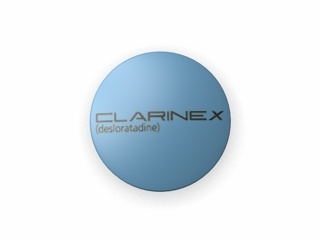
Clarinex is a non-drowsy antihistamine used to relieve the symptoms of allergy. Its active ingredient is desloratadine. It works by blocking histamine, a chemical released by the body during allergic reactions. This guide explains how Clarinex works, when to take it, what to expect, and important safety information.
1) Basic product information
| Product name | Active ingredient | Drug type | Typical dosing frequency |
|---|---|---|---|
| Clarinex | Desloratadine | Second-generation antihistamine (H1 blocker) | Once daily |
Clarinex is commonly used for conditions such as allergic rhinitis (hay fever) and hives (urticaria). Depending on the formulation and age, dosing may vary.
2) How Clarinex works (mechanism of action)
During an allergic reaction, the body releases histamine and other substances that contribute to symptoms such as:
- sneezing
- itchy/watery eyes
- runny or blocked nose
- itching and raised skin welts in hives
Desloratadine blocks histamine H1 receptors. By preventing histamine from activating these receptors, Clarinex reduces allergy symptoms. Because it is a “second-generation” antihistamine, it tends to cause less drowsiness than older antihistamines in many people.
3) Pharmacokinetics: how the medicine moves through the body
Understanding timing and absorption can help you take Clarinex correctly. While individual responses vary, the overall behaviour of desloratadine is consistent.
- Absorption: Desloratadine is absorbed after oral dosing.
- Distribution: It distributes through body tissues to reach target receptors.
- Metabolism: The body processes desloratadine mainly via metabolism pathways in the liver.
- Elimination: It is cleared from the body over time, with a relatively long duration of effect.
In practical terms, this supports a once-daily dosing schedule for most adults and many adolescents, depending on the condition and product strength.
4) Typical uses (indications) – what Clarinex treats
Clarinex is indicated for relief of allergy symptoms, including:
- Allergic rhinitis (hay fever), including:
- sneezing
- runny nose
- itchy nose
- itchy, watery eyes
- congestion associated with allergies
- Urticaria (hives), including:
- itching
- raised welts (hives)
If your symptoms are caused by something other than allergy (for example, a viral cold or infection), an antihistamine may provide limited benefit. If symptoms persist, worsen, or you develop concerning signs, seek medical advice.
5) When and how to take Clarinex (timing and administration)
Typical dosing timing
Clarinex is generally taken once daily. Many people take it at the same time each day to maintain consistent symptom control.
- For daily allergies: Start when symptoms begin (or earlier during predictable high-allergen periods).
- For hives: Use as directed and continue for the course recommended for symptom control.
How to take it
- Swallow the tablet whole with water, unless your product label advises otherwise.
- If you are using an oral liquid or a different formulation, follow the exact measurement instructions on the pack.
- Do not exceed the dose on the label.
When will you feel better?
Many people notice improvement within the first day. Symptom control generally becomes more consistent with regular daily use. If there is no improvement after several days (or symptoms are severe), check whether the cause is likely allergy and review your treatment plan with a healthcare professional or pharmacist.
6) Food interactions: can you take Clarinex with meals?
Clarinex is typically taken regardless of meals. For most people, food does not significantly affect the way desloratadine works. You can take it with or without food.
Practical tip: If you find that taking a tablet on an empty stomach upsets you, take it with a light meal or snack.
7) Alcohol and medicine interactions
Alcohol
Because desloratadine is less likely to cause drowsiness than older antihistamines, it may not strongly potentiate alcohol-related effects in many people. However, individual sensitivity varies, and alcohol can still worsen fatigue, reaction time, and coordination.
- If you feel sleepy or “off,” avoid alcohol and driving.
- If you plan to drink alcohol, consider taking Clarinex earlier and monitor how you feel.
Other medicines (general interaction guidance)
Always check the ingredients of any other “cold and flu” products you use. Many combination products contain antihistamines or other sedating components that could lead to unwanted side effects if combined.
Clarinex has fewer common interactions than some medicines, but it is important to consider the full list of what you take. Speak to a pharmacist if you use any of the following:
- Other antihistamines (to avoid double-dosing)
- Sedatives or sleep medicines
- Medicines that affect the liver or have complex metabolism pathways
- Frequent use of combination cold/flu products
Keep a list of your current medicines (including supplements) and show it to a pharmacist when you start or change treatments.
8) Dosing: typical adult and child dosing (Australia)
Dosing depends on age, condition, and the specific product strength/formulation. Always follow the dosing instructions on the pack or as advised by a healthcare professional.
Typical general guidance: Desloratadine is commonly dosed once daily. The pack will specify the recommended dose for different age groups.
| Age group | Common indication | Typical dosing frequency | Notes |
|---|---|---|---|
| Adults | Allergic rhinitis and hives | Once daily | Use the exact dose on your Clarinex pack. |
| Adolescents | Allergic rhinitis and hives | Once daily | Dose may differ by age and formulation—follow pack directions. |
| Children | Allergic rhinitis and/or hives (depending on product) | Once daily | Only use child-appropriate formulations and doses. |
Missed dose
- If you forget a dose, take it when you remember unless it is close to the time for your next dose.
- Do not take double the dose to make up for a missed one.
Use for long periods
For seasonal allergies, people may take Clarinex during the allergy season. For ongoing symptoms, longer use may be appropriate. If you require treatment continuously or symptoms return quickly after stopping, discuss options with a pharmacist or doctor.
9) Safety profile: who should be careful?
Clarinex is generally well tolerated for many people when used as directed. However, it may cause side effects in some. Always read the consumer medicine information (CMI) for your specific pack.
Common side effects
- Headache
- Dry mouth
- Tiredness or sleepiness (less common than older antihistamines, but possible)
- Nausea or stomach discomfort
Less common or serious reactions
Seek urgent medical help if you experience signs of a serious allergic reaction such as:
- swelling of the face, lips, tongue, or throat
- difficulty breathing or swallowing
- severe rash or hives worsening rapidly
Special considerations
- Pregnancy and breastfeeding: If you are pregnant or breastfeeding, consult a healthcare professional for advice tailored to you.
- Kidney or liver problems: Dose adjustment may be needed in some circumstances.
- Children: Use only the correct product and measured dose for the child’s age.
- Driving and operating machinery: Most people do not feel drowsy, but if you do, avoid driving and operating machinery.
10) Practical use tips for better results
- Take it consistently: For allergies, once-daily control works best when taken around the same time each day.
- Address triggers: Reduce exposure to pollen, dust, or pet dander where possible (e.g., keep windows closed on high pollen days).
- Combine appropriately: If symptoms include blocked nose, your pharmacist may recommend additional treatments such as saline rinses or intranasal corticosteroids (these have a different mechanism and can be used as part of allergy care plans).
- Avoid double antihistamines: Check “allergy” or “cold and flu” products for antihistamine ingredients.
- Track symptom patterns: If you know when symptoms start each year, you can begin treatment early for smoother control.
11) Alternative options (other ways to treat allergy and hives)
If Clarinex is not suitable for you, there are other options available in Australia. Your best choice depends on your symptoms, age, medical history, and tolerance of side effects.
Other antihistamines
- Loratadine and cetirizine (can differ in drowsiness for some people)
- Fexofenadine (often chosen when drowsiness is a concern)
- Levocetirizine (may cause drowsiness in some individuals)
Non-antihistamine allergy treatments
- Saline nasal sprays or rinses to reduce irritants
- Intranasal corticosteroid sprays for persistent allergic rhinitis (often especially helpful for congestion)
- Barrier methods (e.g., masks outdoors during peak pollen) for some people
For hives that persist, clinicians may consider additional treatments beyond antihistamines if symptoms are not adequately controlled.
12) Clarinex in the Australian market: access and legal context
In Australia, consumer access to medicines depends on the product’s classification and the information on the pack. Many antihistamines are available through pharmacies and selected retail outlets, subject to local regulations. Availability may differ by formulation, strength, and age group.
Market notes: Allergy and urticaria treatments are widely used during seasonal periods and are commonly stocked by pharmacies. Prices and pack sizes vary.
Always check: The product you order should match the active ingredient, strength, and formulation you intend to use. If you’re unsure, speak with a pharmacist before purchasing.
13) Recent guidance and updates (Australia)
Allergy management guidance can evolve over time based on clinical evidence and product updates. In general, Australian health advice commonly emphasises:
- Using effective first-line therapy: Antihistamines for itch/sneezing/runny nose, and targeted treatments for nasal blockage.
- Checking product labels: Avoiding accidental duplication of antihistamines found in combination cold/flu products.
- Considering longer-term strategies: For ongoing rhinitis, adding intranasal therapy may improve congestion compared with antihistamines alone.
- Reviewing persistent symptoms: If symptoms do not improve, reassess diagnosis and consider further evaluation.
If you have persistent symptoms, your pharmacist can help you choose an appropriate next step while taking into account your other medicines and medical conditions.
14) Delivery and availability
Clarinex is typically available as pharmacy stock in Australia. Online orders are commonly delivered to eligible Australian addresses. Availability may vary by:
- pack size
- formulation (tablet vs other forms)
- strength and age-appropriate options
Delivery tips: To avoid running out, consider ordering early—especially during peak allergy seasons when demand can increase. Check the estimated dispatch and delivery times shown on the website before confirming your order.
15) Frequently Asked Questions (FAQ)
Is Clarinex the same as desloratadine?
Yes. Clarinex is the brand name; the active ingredient is desloratadine.
Will Clarinex make me drowsy?
Many people experience little or no drowsiness. However, some individuals may still feel tired or sleepy. If you are sensitive to antihistamines or plan to drive, monitor how you feel after your first doses.
How fast does Clarinex work?
Symptom relief often starts within the first day for many people. For seasonal allergies, regular once-daily dosing helps maintain control.
Can I take Clarinex with food?
Usually, yes. Food does not typically cause a clinically important change in how it works. You may take it with or without meals.
Can I drink alcohol while taking Clarinex?
It may be possible for some people because desloratadine is less likely to cause drowsiness. Still, alcohol can worsen fatigue and reaction time. If you feel sleepy, avoid alcohol and driving.
What should I do if my symptoms don’t improve?
If allergy symptoms persist or worsen, consider whether the cause might be something else (e.g., infection) or whether additional therapy is needed for congestion or inflammation. Speak with a pharmacist for advice suited to your symptoms.
Can I take Clarinex if I’m taking other allergy medicines?
Avoid taking multiple antihistamines at the same time unless a healthcare professional advises it. Check “cold and flu” products, which often contain antihistamines.
How long can I take it for?
For seasonal allergies, people often use it during the allergy period. For hives, duration depends on symptom control. Follow the product instructions and consult a pharmacist if you need it for longer than expected.
Who should be extra careful with Clarinex?
Take extra care if you are pregnant, breastfeeding, have kidney or liver problems, are treating a child, or you take sedating medicines. If unsure, ask a pharmacist.
16) Key takeaways
- Clarinex (desloratadine) is an antihistamine used for allergic rhinitis and hives.
- It works by blocking histamine H1 receptors to reduce allergy symptoms.
- It is usually taken once daily, with or without food.
- Most people tolerate it well; drowsiness is less likely than with older antihistamines, but can occur.
- Check interactions by avoiding duplicate antihistamines and reviewing other medicines if you have complex treatment.