
Clotrimazole (Topical/Intravaginal/Aural): Patient Information
Clotrimazole is an antifungal medicine used to treat infections caused by fungi and yeasts. In Australia, clotrimazole products are commonly available for use on the skin, in the vagina, and sometimes as an ear preparation for specific fungal infections. This guide explains how clotrimazole works, how it is used, what to expect, and key safety and interaction considerations.
This page is designed to be patient-friendly and practical. Always read the specific product label and package instructions for your formulation, because dosing schedules may differ between creams, pessaries, lozenges, and ear preparations.
Basic product information
| Category | Details |
|---|---|
| Generic name | Clotrimazole |
| Medicine type | Antifungal (imidzole/imidazole derivative) |
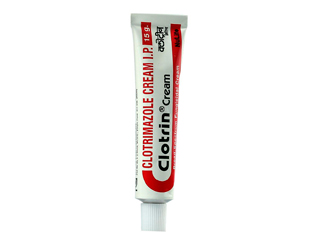
| Common forms (varies by brand) | Skin cream/ointment, vaginal pessary or cream, sometimes ear drops/solution or troches (orally acting) |
| Typical strength | Depends on product (follow your specific pack instructions) |
| Where it works | Primarily local action at the site of infection |
| Also known as | Depending on brand: Canesten® and others (product availability varies) |
How clotrimazole works (mechanism of action)
Clotrimazole stops fungi from maintaining their cell membranes. It does this by interfering with the production of ergosterol, an essential component of fungal cell walls and membranes. When ergosterol levels drop, the fungal cell membrane becomes weak and the organism can no longer function effectively. In many cases, clotrimazole acts in a way that both inhibits fungal growth and helps clear the infection over time.
Clotrimazole is effective against a range of fungal species, including Candida (yeast), which commonly causes vaginal thrush and some skin infections.
Pharmacokinetics (what the body does with it)
Clotrimazole is generally used topically (on skin, inside the vagina, or in the ear). Because of this, overall absorption into the bloodstream is usually low.
- Skin use: Absorption through intact skin is limited. Absorption can be greater if the skin is inflamed or damaged.
- Vaginal use: It acts locally within vaginal tissues. Systemic absorption is generally low.
- Other local uses: With ear preparations or oral formulations, absorption patterns may differ, but local action remains the main effect for many products.
In general, when clotrimazole does enter the bloodstream to a limited extent, it is metabolised by the liver and eliminated from the body. For most patients using topical therapy, systemic exposure is not the primary concern.
Typical uses and indications
The exact indication depends on the product formulation you buy. Below are common uses in Australia.
Skin (cream/ointment) indications
- Tinea (ringworm) including tinea corporis (body), tinea cruris (groin), and tinea pedis (athlete’s foot)
- Candidal skin infections (intertrigo), for example in skin folds
- Fungal infections causing itch, redness, scaling, or rash
Vaginal (pessary/cream) indications
- Vulvovaginal candidiasis (commonly “thrush”), which may involve itching, soreness, redness, and thick discharge
- Recurrent thrush may require medical assessment, but clotrimazole can be part of management depending on guidance
Ear (solution/ear drops) indications
- Fungal otitis externa (fungal ear infection), usually under guidance for the specific diagnosis
Oral acting forms (if applicable)
- Oral thrush (oral candidiasis) in certain products
If your symptoms do not clearly match a fungal infection, or if you are unsure of the correct formulation, speak to a pharmacist for advice.
Timing: when to start and how long to use it
Start clotrimazole as soon as you recognise likely fungal symptoms. Early treatment can shorten the course and reduce spread or recurrence.
- Apply/use consistently for the full course even if symptoms improve quickly.
- Most people notice improvement within a few days, but complete clearance may take longer.
- If there is no improvement after several days (or symptoms worsen), stop and seek advice. The diagnosis may be different (for example, bacterial infection, dermatitis, or another cause).
Treatment duration depends on the infection site and product strength. Your package instructions will specify a dosing schedule. Never reduce the course early unless advised.
Food interactions
For topical or local clotrimazole products (skin cream, vaginal preparations, many ear preparations), food interactions are generally not relevant, because the medicine works locally and systemic absorption is low.
If you are using an oral clotrimazole formulation (where relevant to your product), food may affect comfort and swallowing, but the main interaction concern is still usually minimal. Follow the product instructions for timing with meals.
Alcohol interactions
For most topical clotrimazole uses, alcohol is not expected to cause direct interactions. However, alcohol can worsen irritation in some people, may affect hygiene routines, and can increase discomfort if the infection involves sensitive tissues.
- Skin fungal infection: Alcohol is not a known direct interaction, but keep the treated area clean and dry.
- Vaginal thrush: Alcohol may not be directly interactive, but it can increase dryness or irritation. If you notice worsening symptoms after drinking, reduce or avoid alcohol and seek advice.
If you are using any oral form or you have other medicines to manage, ask a pharmacist for personalised interaction checks.
Medicine interactions (important points)
Because clotrimazole is often used locally, significant drug–drug interactions are less likely than with medicines taken by mouth. Still, it’s important to consider the following:
- Topical skin products: Avoid applying other creams or ointments to the same area at the same time unless a clinician/pharmacist advises it.
- Vaginal products: Do not use other vaginal products concurrently unless instructed, and follow advice regarding hygiene and sexual activity.
- Oral medicines (if applicable): If you are using an oral clotrimazole formulation, systemic interactions could be more relevant. Speak to a pharmacist for checks if you take medicines that affect liver enzymes or have complex regimens.
If you’re unsure, share a list of your medicines (including vitamins, herbal products, and recently purchased OTC products) with a pharmacist.
Dosing and how to use clotrimazole correctly
Dosing depends on your product type and strength. Always follow the pack directions. Below are general dosing principles that align with common clotrimazole regimens—however, your exact instructions may vary.
General dosing principles
- Use at the recommended frequency for your specific product.
- Apply enough to cover the affected area and a small margin around it (for skin infections).
- Wash hands before and after application (unless your hands are the treated area).
- Continue the course even after symptoms improve.
Skin (cream/ointment) – typical schedule (varies by product)
- Commonly used once or twice daily, or as directed by the brand.
- Typical course lengths can range from 1–2 weeks for some tinea types to longer for others depending on response and product instructions.
Vaginal (pessary/cream) – typical schedule (varies by product)
- Some regimens are once daily for multiple days, while others are single-dose or short-course depending on strength.
- Complete the full course according to your package directions.
Ear (if prescribed/indicated for fungal otitis externa)
- Use strictly according to the product and clinician guidance.
- If you have ear pain, discharge, fever, or hearing changes, seek medical advice promptly to confirm the diagnosis.
Tip: If you’re treating tinea pedis (athlete’s foot), footwear and hygiene are just as important as the cream. Moisture control can make a big difference.
Safety profile: who should be cautious
Clotrimazole is generally well tolerated when used as directed. Still, every medicine has potential side effects and special situations.
Common side effects
- Mild burning, stinging, or irritation at the application site
- Redness or discomfort
- Itching (may be temporary, or could indicate irritation)
- Dryness or mild skin peeling (skin preparations)
Less common but important reactions
- Allergic reactions (e.g., swelling, severe rash, hives, breathing difficulty)
- Severe irritation or worsening symptoms after starting
Seek urgent medical help if you develop symptoms of a serious allergic reaction.
When to seek advice promptly
- Your symptoms are severe, spreading rapidly, or painful
- No improvement after the expected period on the label
- You are pregnant or trying to conceive (vaginal products may still be used in many cases, but you should confirm the safest option for your situation)
- You have a weakened immune system (for example, uncontrolled diabetes, chemotherapy, or certain medical conditions)
- The affected area is near the eyes, or you get it in the eyes
- For vaginal symptoms: you have bleeding, fever, significant pelvic pain, or symptoms that could suggest something other than thrush (e.g., STI or bacterial vaginosis)
Practical use tips for best results
Skin infections
- Keep the area clean and dry. Fungal infections thrive in warmth and moisture.
- Wear breathable footwear and change socks regularly.
- Don’t share towels and wash them regularly in hot water if possible.
- Apply to surrounding skin (not just the visible rash), as fungi can spread beyond the main area.
- Continue the full course to reduce the risk of recurrence.
Vaginal thrush
- Insert the pessary/cream exactly as directed, ideally at a time that allows you to lie down briefly if the label suggests it.
- Complete the full course even if symptoms settle quickly.
- Consider partner symptoms: thrush can be recurrent in some people. If symptoms occur in a partner (e.g., irritation, redness), consult a pharmacist or clinician.
- Sex and condoms: Some vaginal products can weaken latex products depending on the formulation. If you need contraception or barrier protection, ask a pharmacist how to manage this while using the product.
Ear fungal infection
- Follow insertion/instillation instructions carefully.
- Do not put cotton buds deep into the ear.
- If you have significant pain, discharge, or suspected perforation, seek medical advice rather than self-treating.
Alternative options
Depending on the infection site and diagnosis, alternatives may include other antifungals or supportive measures. Options may vary by product availability and whether the infection is limited to superficial tissue.
Common alternatives
- Other azole antifungals (e.g., miconazole, econazole, ketoconazole) for skin or vaginal candidiasis depending on local availability and indication
- Allylamines (e.g., terbinafine) for some types of dermatophyte infections, particularly athlete’s foot and tinea, where appropriate
- Antifungal oral therapy for certain widespread or recalcitrant fungal infections (should be discussed with a healthcare professional)
- Moisture and hygiene measures as an adjunct for recurrent skin fungal infections
If you’ve tried clotrimazole and it didn’t help, the infection may not be fungal, or it may be a type that responds better to a different antifungal. A pharmacist can help you decide next steps.
Australia: market and legal context
In Australia, clotrimazole products are commonly supplied as over-the-counter (OTC) medicines for certain conditions and formulations. Specific access may depend on the product strength and indication. Most topical formulations for superficial fungal infections are widely available through pharmacies and reputable online stores.
Always ensure the product you purchase is intended for the correct use (skin vs vaginal vs ear vs oral), and that it is supplied by a legitimate retailer in Australia. Check:
- Expiry date
- Correct active ingredient (clotrimazole)
- Form and strength
- Correct age/usage instructions on the pack
If your symptoms are recurrent, severe, or atypical, Australian guidance generally encourages earlier clinical assessment to rule out other causes (such as bacterial infections, dermatitis, or sexually transmitted infections).
Recent guidance and clinical practice considerations
Across recent years, antifungal stewardship and accurate diagnosis have become increasingly emphasised. Key practical themes include:
- Confirming the diagnosis before repeat or prolonged antifungal use, especially for recurrent genital symptoms.
- Completing the recommended course and maintaining hygiene to prevent reinfection.
- Reviewing contributing factors such as moisture, tight footwear, skin injury, uncontrolled diabetes, or immune status.
- Seeking advice if symptoms do not respond as expected, rather than switching antifungals repeatedly without assessment.
Guidance may differ for skin vs vaginal infections. If you are unsure which product best matches your symptoms, a pharmacist can help you select the correct clotrimazole formulation.
Delivery and availability (Australia)
Clotrimazole products are typically available through Australian pharmacies and online pharmacy services. Delivery timeframes depend on the retailer’s shipping model, stock location, and your postcode.
- Availability: Common formulations such as skin cream and vaginal treatments are often stocked regularly.
- Delivery: Many online pharmacies offer standard and express delivery options.
- Cold chain: Most clotrimazole topical preparations do not require refrigeration, but always check the pack.
If you need a specific form (e.g., vaginal pessaries vs cream), ensure the product listing clearly states the route of use and indication.
How to store clotrimazole
- Store according to the pack instructions, typically at room temperature.
- Keep out of reach of children.
- Do not use after the expiry date.
- Keep the container tightly closed to prevent drying or contamination.
FAQ (Frequently Asked Questions)
1) How quickly should I feel better with clotrimazole?
Many people notice symptom improvement within a few days. However, fungal infections can take longer to fully resolve. Continue the full course as directed even if you feel better sooner.
2) Can I use clotrimazole if I’m pregnant or breastfeeding?
Some clotrimazole products may be used during pregnancy or breastfeeding depending on the formulation and your situation. It’s best to confirm with a pharmacist or clinician, especially for vaginal or oral treatments.
3) Can I stop early if symptoms improve?
No—try to complete the recommended course. Stopping early can increase the risk of relapse or incomplete clearance.
4) Is clotrimazole safe to use on children?
Dosing and product suitability depend on age and formulation. Use only if the pack indicates it is appropriate for the child, and follow dosing carefully. If unsure, consult a pharmacist.
5) What should I do if my skin gets worse after starting clotrimazole?
Mild irritation can occur, but worsening redness, severe pain, spreading rash, or signs of allergy should be assessed. Stop using the product and seek advice.
6) Should I avoid sex when using vaginal clotrimazole?
Many people choose to avoid sex during treatment because discomfort can occur and because infection may be recurrent. Also, some vaginal products may weaken latex condoms or diaphragms. Check your product pack or ask a pharmacist.
7) Will clotrimazole prevent recurrence of thrush?
It treats the current infection, but recurrence depends on underlying factors such as moisture, hygiene practices, antibiotic use, diabetes control, and immune status. If thrush keeps returning, seek advice for a broader plan.
8) Can I use clotrimazole with other creams?
You should generally avoid applying multiple products to the same area at the same time unless advised. If you use moisturisers or barrier creams, separate them by time and follow pharmacist guidance.
9) Is it normal to have discharge with vaginal clotrimazole?
Some discharge can occur, particularly with vaginal creams or pessaries. This may be part of the treatment process. Contact a pharmacist if you experience severe discomfort, bad smell, fever, or bleeding.
10) What if it’s not fungal—how can I tell?
Fungal infections often cause itching, redness, scaling, or characteristic discharge. However, other conditions can mimic these symptoms. If you don’t improve as expected or symptoms are unusual, a pharmacist or clinician can help confirm the diagnosis.
When to get help
Seek medical advice promptly if you have:
- Severe infection, spreading redness, or significant pain
- Fever or feeling unwell
- No improvement after the expected time on the pack
- Frequent recurrences
- Pregnancy, immunocompromise, or symptoms suggesting a different diagnosis
With correct use and appropriate hygiene, clotrimazole can be an effective first-line option for many common fungal infections. If you’re unsure which formulation suits your symptoms, choose the right product by checking the indication on the label or ask a pharmacist.