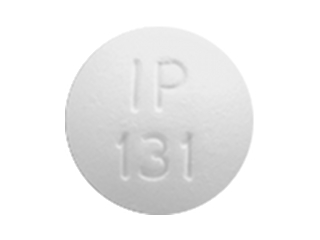
Colchicine (Colchicum autumnale) — Patient Guide (Australia)
Colchicine is a medicine used primarily to treat and prevent attacks of gout and certain inflammatory conditions. It comes from the plant Colchicum autumnale (autumn crocus) and works by reducing inflammation at the source.
This guide is written to help you understand how colchicine works, how it’s typically used, what to expect, and the key safety and interaction considerations—particularly relevant for use in Australia.
Basic product information
- Generic name: Colchicine
- Source: Derived from Colchicum autumnale (autumn crocus)
- Common uses: Gout flares; gout flare prevention; inflammatory conditions as directed
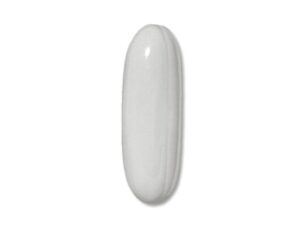
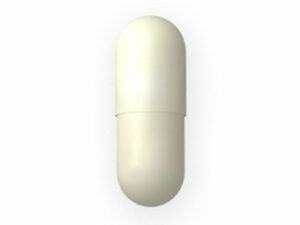
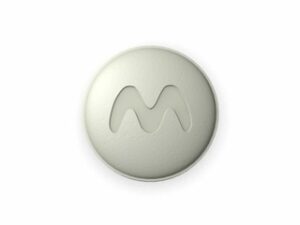
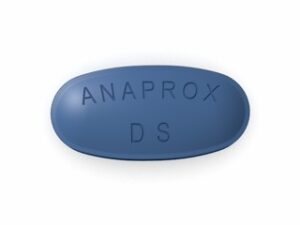
- Available forms: Tablets/capsules and other formulations depending on brand and supplier
- Brand names: Vary by supplier; check your specific package for the product name and strength
Important: Always follow the directions on your medicine label and any accompanying written instructions. Different strengths and regimens exist.
How colchicine works (mechanism of action)
Colchicine is an anti-inflammatory medicine that primarily affects how white blood cells respond during inflammation.
- Targets microtubules: Colchicine binds to tubulin (a component within cells) and interferes with microtubule formation.
- Reduces neutrophil activity: This limits neutrophil movement, activation, and release of inflammatory substances.
- Helps calm “crystal-driven” inflammation: In gout, uric acid crystals trigger strong inflammation; colchicine reduces the inflammatory cascade.
What this means for you: Colchicine is most effective when taken early in an acute flare or when used as prevention to reduce flare frequency.
Pharmacokinetics (how the body processes it)
“Pharmacokinetics” describes absorption, distribution, metabolism, and elimination.
- Absorption: Colchicine is absorbed from the gastrointestinal tract; variability can occur between individuals.
- Distribution: It distributes into tissues involved in inflammatory responses.
- Metabolism: It is metabolised in the liver via pathways including CYP3A4.
- Transport: It is also transported by proteins such as P-glycoprotein (P-gp).
- Elimination: Excretion occurs via the bile and kidneys; clearance can be reduced in kidney or liver impairment.
Clinical relevance: Because colchicine is handled by the liver and kidney and relies on drug-transport systems, certain medicines (especially some antibiotics and antifungals) and reduced kidney/liver function can significantly increase colchicine levels—raising the risk of serious side effects.
Typical use in Australia
Colchicine is most commonly used for:
- Acute gout attacks (flares): To relieve inflammation and pain during an attack.
- Prevention of gout flares: Often used to reduce the risk of flares when starting or adjusting long-term urate-lowering therapy (as directed).
- Other inflammatory conditions: In certain situations, clinicians may use colchicine for conditions where inflammation is a key feature.
Note: The exact dosing schedule and duration depends on your condition, kidney/liver function, and interactions with other medicines.
When to take colchicine (timing and expectations)
For an acute gout flare
Colchicine works best when taken early—ideally soon after symptoms begin. Some patients are advised to start at the first signs of a flare (for example, pain, swelling, or heat in a joint).
What you may notice: Pain and swelling may start to improve within hours. If symptoms don’t improve or worsen, seek advice promptly.
For flare prevention
For prevention, colchicine is typically taken on a regular schedule, such as daily dosing, for the length of time your clinician recommends. Prevention is about consistency rather than immediate relief.
Dosing overview
Dosing is individual and may differ depending on your kidney and liver function, age, and whether you’re treating an acute flare or using prevention. The list below is an educational overview—always follow your own prescription/label directions.
| Use | Typical dosing approach (general guidance) | Key considerations |
|---|---|---|
| Acute gout flare | Usually started as early as possible after symptoms begin; dosing regimens vary by severity and patient factors. |
|
| Gout flare prevention | Often taken once daily or divided dosing depending on the plan; used for a defined period. |
|
Maximum dose matters: Colchicine has a narrow safety margin. Taking more than recommended—especially with interacting medicines—can lead to serious toxicity.
Kidney or liver impairment: If you have reduced kidney or liver function, your prescriber may use a lower dose, different timing, or an alternative approach.
Indications (approved/typical reasons to use)
Colchicine is used to:
- Treat acute gout flares
- Prevent gout flares in selected situations
- Manage certain inflammatory diseases when recommended by a healthcare professional
If you’re unsure why you’ve been given colchicine, check the label instructions and ask your pharmacist or clinician.
Food interactions
Colchicine may be taken with or without food, depending on your product and how your body tolerates it. However, food can affect stomach comfort.
- If colchicine upsets your stomach, taking it with a meal (or after food) may help.
- Avoid large amounts of grapefruit or grapefruit products and similar sources of strong CYP3A4/P-gp inhibition, unless your pharmacist confirms it’s safe for you.
General advice: Stay consistent with how you take it (with meals vs without) unless your pharmacist advises otherwise.
Alcohol interactions
There is no single “universal” rule that colchicine and alcohol are always safe together for everyone, but caution is recommended.
- Avoid heavy or binge alcohol intake, as alcohol can trigger gout flares in susceptible people (especially beer and spirits).
- Alcohol may worsen side effects such as nausea, vomiting, and diarrhoea, which can occur with colchicine.
- If you are using colchicine for an active flare, consider avoiding alcohol until symptoms settle.
Best practice: If you choose to drink alcohol, keep it moderate and monitor for stomach upset and worsening symptoms. Seek advice if you have frequent flares.
Medicine interactions (very important)
Colchicine levels can rise significantly with certain medicines. This is why interaction checking is essential.
Extra caution / likely important interactions include:
- Strong CYP3A4 inhibitors and/or P-gp inhibitors (examples include some antibiotics and antifungals). These can substantially increase colchicine concentrations.
- Some antiviral medicines.
- Certain cholesterol-lowering medicines (statins) and other lipid therapies. The combination may increase the risk of muscle injury (myopathy/rhabdomyolysis), especially in those with kidney impairment.
- Some immunosuppressants.
- Other medicines that affect kidney or liver function.
Tell your pharmacist or clinician about:
- All prescription medicines
- All over-the-counter (OTC) products
- Herbal supplements (including St John’s Wort)
- Recently started or stopped medicines
Do not start new medicines while taking colchicine until interaction checks are completed.
Safety profile and side effects
Like all medicines, colchicine can cause side effects. Most are mild to moderate, especially when taken correctly, but serious reactions can occur—particularly if the dose is too high or with interacting medicines.
Common side effects
- Gastrointestinal symptoms: diarrhoea, nausea, vomiting, abdominal pain, loss of appetite
- Fatigue
Serious side effects (seek urgent medical help)
Seek immediate medical advice if you experience:
- Severe or persistent diarrhoea or vomiting
- Signs of dehydration (dizziness, reduced urination, fainting)
- Unusual muscle pain, weakness, or dark urine (possible muscle injury)
- Easy bruising or bleeding, or unexpected infections
- Signs of allergic reaction (swelling of face/lips, rash, difficulty breathing)
Risk factors for toxicity
- Taking too much or too frequently
- Kidney or liver impairment
- Concomitant interacting medicines
- Older age or frailty
- Dehydration (for example due to diarrhoea, vomiting, or illness)
Practical use tips
- Start early in flares: If you’re using colchicine for an acute gout attack, taking it soon after symptoms begin is usually more effective.
- Follow your dosing schedule exactly: Do not “double up” or take extra doses to make it work faster.
- Hydrate: If you develop diarrhoea, drink fluids to prevent dehydration.
- Be mindful of interactions: Always check with your pharmacist when adding new medicines, including antibiotics and antifungals.
- Monitor muscle symptoms: If you’re taking a statin or other muscle-affecting medicine, report muscle pain promptly.
- Store safely: Keep out of reach of children. Colchicine can be dangerous if accidentally taken in excess.
What to do if you miss a dose: Follow your label instructions. In general, if you miss a dose, take it when you remember unless it’s close to the next dose. Avoid taking double doses.
Alternative options (depending on your condition)
If colchicine isn’t suitable, depends on tolerability, or isn’t effective, clinicians may consider alternatives based on the diagnosis and your medical history.
For acute gout flares
- NSAIDs (e.g., ibuprofen or naproxen) — may be used if appropriate, but require caution with stomach, kidney, blood pressure, and heart risk.
- Corticosteroids — oral or joint injections may be considered for some patients.
- Other targeted therapies — for selected cases or refractory gout.
For gout prevention / urate control
- Urate-lowering therapy (such as allopurinol or febuxostat) — long-term management to reduce uric acid and prevent future flares.
- Lifestyle measures — weight management, dietary changes, limiting alcohol, and maintaining hydration can reduce flare risk.
Important: Choice of therapy depends on kidney function, cardiovascular risk, other conditions, and the specific gout pattern. Discuss options with your healthcare provider.
Market and legal context for Australia
In Australia, medicine supply is regulated through the Therapeutic Goods Administration (TGA) and the Australian regulatory framework. Availability and classification (for example, prescription-only vs general sale) depend on the product formulation and strength.
When purchasing or using colchicine, it’s important to:
- Use medicines that are registered and supplied through legitimate Australian channels.
- Check your product’s Australian pack label for strength, dose instructions, and warnings.
- Seek professional advice if you have complex medication regimens or kidney/liver conditions.
Quality and safety: Colchicine products used in Australia are expected to meet Australian manufacturing and labelling standards. Avoid unlabelled or imported products not verified for Australian compliance.
Recent guidance and clinical considerations
Clinical practice in gout management continues to evolve, with consistent themes across recent guidance:
- Early anti-inflammatory treatment during flares
- Prevention strategies when starting urate-lowering therapy to reduce flare risk
- Strict attention to dosing and drug interactions to prevent toxicity
- Urate lowering to target long-term control rather than relying on repeated flare-only treatment
If you take colchicine as part of a broader gout plan, it’s beneficial to review:
- Your uric acid targets
- Whether flare prevention duration is appropriate
- Medication interaction risks, especially with new antibiotics or antifungals
Delivery and availability (Australia)
Online pharmacies in Australia may offer home delivery for medicines that are permitted for dispensing and delivery under applicable regulations. Availability can vary by supplier and product strength.
Typical delivery expectations:
- Orders processed during business hours
- Delivery times depend on your location (metropolitan vs regional)
- Some items may require additional verification or pharmacy processing
How to ensure fast processing:
- Have your details ready (delivery address and contact number)
- Double-check the product strength on the label
- Allow extra time for stock availability if the item is temporarily out of stock
Availability note: Colchicine can sometimes be subject to supply fluctuations. If your usual product is unavailable, the pharmacy may contact you with alternatives that meet the same active ingredient requirements.
FAQ
1) How quickly does colchicine work for a gout flare?
Many people notice improvement within several hours after starting treatment—especially when taken early in the flare. If there is no improvement or symptoms worsen, contact a healthcare professional for advice.
2) Can I take colchicine with food?
Often, yes. Taking colchicine with a meal may reduce stomach upset for some people. Follow the instructions on your product label.
3) What should I do if I get diarrhoea after starting colchicine?
Diarrhoea is a known side effect. If it’s mild and improving, your pharmacist may advise supportive care (hydration). If diarrhoea is severe, persistent, or accompanied by vomiting, weakness, or signs of dehydration, seek urgent medical advice.
4) Is it safe to drink alcohol while taking colchicine?
Moderate alcohol may be tolerated by some people, but alcohol can trigger gout flares and may worsen gastrointestinal side effects. Avoid heavy drinking and consider avoiding alcohol during an active flare.
5) Why are drug interactions so important with colchicine?
Colchicine levels can rise sharply when combined with certain medicines that inhibit liver enzymes or drug transport systems. Increased levels increase the risk of serious toxicity, including severe gastrointestinal effects and muscle injury.
6) Can colchicine be used for long-term prevention?
In some plans, colchicine is used for flare prevention for a defined period (for example when starting other gout treatment). Long-term use depends on your risk factors, kidney function, and interaction profile.
7) What if I have kidney disease?
Kidney disease can increase colchicine exposure and raise toxicity risk. Your dose may need adjustment or alternative therapy may be considered. Always discuss kidney function with your pharmacist or clinician.
8) Are there herbal or OTC products I should avoid?
Some supplements may affect drug metabolism or increase side effects. Tell your pharmacist about all OTC products and supplements, including herbal remedies.
9) What is the safest way to take colchicine if I’m on other medicines?
Use only the dose on your label, take at the recommended times, and check with your pharmacist before starting any new medicine—especially antibiotics, antifungals, and some cholesterol or antiviral medicines.
10) If I miss a dose, should I take a double dose?
Do not take extra doses to “catch up.” Follow the label instructions or ask your pharmacist for advice based on your regimen.
Summary
Colchicine is an anti-inflammatory medicine widely used to treat and prevent gout flares. It works by reducing inflammatory cell activity triggered by uric acid crystals. Because colchicine is processed by the liver and kidneys and interacts with several common medication classes, it requires careful dosing and interaction checking.
If you have questions about your specific dosing schedule, side effects, or interactions—especially if you have kidney or liver impairment—speak with your pharmacist or healthcare professional.