
Cymbalta (Duloxetine) — Patient Information (Australia)
Cymbalta is a medicine containing duloxetine, used for certain nerve-related and mood-related conditions. This guide explains how Cymbalta works, how it’s usually taken, important safety information, common interactions, and practical tips for using it effectively in everyday life in Australia.
Quick overview
- Active ingredient: Duloxetine
- Medicine type: Serotonin–norepinephrine reuptake inhibitor (SNRI)
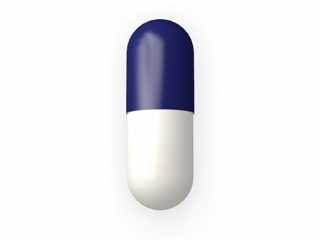
- Common forms: Delayed-release capsules
- Typical dosing schedule: Often once or twice daily depending on the condition
- Common onset of benefits: Some improvement may occur within 1–2 weeks; full benefit may take several weeks
What is Cymbalta?
Cymbalta is a brand of duloxetine, an SNRI medication. It works by adjusting the brain’s and spinal cord’s signalling systems that use serotonin and noradrenaline. By influencing these pathways, duloxetine can help reduce certain types of chronic pain and improve mood symptoms in the conditions for which it is prescribed.
Cymbalta is widely used in clinical practice in Australia for:
- Chronic musculoskeletal pain (including chronic low back pain and osteoarthritis pain, where appropriate)
- Diabetic peripheral neuropathic pain
- Generalised anxiety disorder (GAD)
- Major depressive disorder (MDD)
How Cymbalta works (mechanism of action)
Duloxetine increases the availability of serotonin and noradrenaline in the synaptic cleft by inhibiting their reuptake. This can affect both:
- Pain pathways in the spinal cord and brain, helping reduce pain signalling and improve pain control.
- Mood and anxiety circuits, contributing to relief of depressive symptoms and anxiety.
Because duloxetine affects neurological pathways rather than acting like a typical painkiller (e.g., paracetamol or ibuprofen), it may take time to reach full effect.
Pharmacokinetics (how the body processes it)
Understanding how duloxetine behaves in the body can help explain why taking it consistently matters.
| Topic | What to know |
|---|---|
| Absorption | Duloxetine is absorbed after oral dosing. Cymbalta capsules are delayed-release, designed to release the medicine later in the digestive tract. |
| Peak effect in blood | Levels typically rise to a peak within several hours after a dose (exact timing varies by person and formulation). |
| Metabolism | The liver metabolises duloxetine. This is important for people with liver disease or heavy alcohol use. |
| Elimination | Metabolites are cleared primarily through the kidneys. Dose adjustments may be considered for some patients with kidney impairment. |
| Half-life (general) | Duloxetine remains in the body for long enough that it is often dosed once or twice daily, depending on the indication. |
Typical uses (indications)
Cymbalta is used for the following common conditions. Availability and suitability depend on your personal medical history and risk factors.
1) Depression (Major Depressive Disorder)
Duloxetine may be used to treat depressive symptoms. It is generally considered when an SNRI is appropriate.
2) Anxiety (Generalised Anxiety Disorder)
Cymbalta can help reduce excessive and persistent anxiety and associated symptoms (such as restlessness and difficulty controlling worry) for some people with GAD.
3) Diabetic nerve pain
Duloxetine is used for diabetic peripheral neuropathic pain (nerve pain in people with diabetes).
4) Chronic pain conditions
Cymbalta may be considered for some chronic pain states, such as:
- Chronic musculoskeletal pain
- Chronic low back pain
- Osteoarthritis pain (where appropriate)
How to take Cymbalta: timing and practical routine
Consistency is important. Many people find it helpful to choose a daily time that fits their routine and to take the capsule around the same time each day.
Common timing advice
- Once daily dosing: Choose a time you can stick to (morning or evening).
- Twice daily dosing: Aim for roughly 12 hours apart.
- Delayed-release capsules: Swallow whole. Do not crush or chew unless advised by a pharmacist.
- If you miss a dose: Take it when you remember on the same day. If it’s close to the next dose, skip the missed dose. Do not double up.
How quickly might it work?
Some people notice changes in sleep, anxiety, or pain within 1–2 weeks, but for many conditions the full benefit can take several weeks. It’s common for clinicians to review symptoms after an initial adjustment period.
Dosing guidance (general information)
Dose depends on the condition being treated, your age, other medicines, and how you respond. The details below are general patient information.
Typical adult starting approaches
- Depression and anxiety: Often started at a lower dose and increased gradually to reduce side effects.
- Diabetic nerve pain and chronic pain: Frequently started with a lower dose, then adjusted based on response and tolerability.
Do not change your dose suddenly
If you need to stop Cymbalta or switch medicines, it should generally be done with a gradual plan because abrupt cessation can lead to withdrawal-like symptoms (see Safety Profile).
Your pharmacist or doctor can provide the exact dosing instructions on your specific product label.
Food interactions and what to eat
Food can affect duloxetine absorption, which is why dosing with meals may be advised in some situations. In practice:
- With food: Some people experience fewer stomach-related side effects when taking duloxetine with food.
- Without food: If your clinician or pharmacist advised otherwise, follow those instructions.
- Consistency helps: Taking your dose in the same relation to meals each day can help stabilise routine.
There are no “forbidden” foods, but if you notice nausea, reflux, or appetite changes, taking the capsule with a meal may help.
Alcohol and medicine interactions
Alcohol
It’s important to be cautious with alcohol while taking duloxetine. Duloxetine is metabolised by the liver, and alcohol can increase the risk of liver irritation or increase side effects such as dizziness or drowsiness.
- Best practice: Limit alcohol or avoid it unless your clinician has advised otherwise.
- Seek advice urgently: If you develop signs such as unusual fatigue, dark urine, yellow skin/eyes, or severe nausea.
Common medicine interactions (examples)
Interactions can be serious. Tell your pharmacist about all medicines, including: over-the-counter products, herbal supplements, and vitamins.
Important interaction categories:
- Other antidepressants and serotonergic medicines: Combining duloxetine with certain medicines can increase serotonin-related side effects. Examples may include some SSRIs, SNRIs, triptans, linezolid, and others.
- MAO inhibitors: Generally not combined due to risk of severe reactions.
- Blood thinners/antiplatelet medicines: SNRIs can increase bleeding risk, especially when combined with medicines such as warfarin or other antiplatelet agents.
- Medicines affecting liver enzymes: Some drugs can change duloxetine levels and increase side effects or reduce effect.
- Other sedating medicines: Duloxetine can cause drowsiness in some people; combining with sedatives may increase impairment risk.
- NSAIDs: Using duloxetine together with some anti-inflammatory painkillers can increase bleeding risk in some people.
Your pharmacist can check interaction risk using your medication list and the specific strengths you have.
Safety profile: what to watch for
Common side effects
Side effects can be more noticeable at the start or after dose increases. Many improve over time. Commonly reported effects include:
- Nausea
- Dry mouth
- Sleep changes (sleepiness or insomnia)
- Dizziness
- Headache
- Constipation
- Reduced appetite
- Sweating increased
- Fatigue
- Sexual side effects (libido or function changes)
Serious or urgent warning signs
Contact a healthcare professional promptly or seek urgent care if you experience symptoms such as:
- Signs of allergic reaction: facial swelling, rash, wheezing, or trouble breathing.
- Severe dizziness or fainting: especially if combined with very low blood pressure.
- Unusual bleeding or bruising: bleeding gums, black stools, or blood in urine.
- Serotonin-related symptoms: high temperature, confusion, severe agitation, tremor, or diarrhoea.
- Mania/hypomania: unusually elevated mood, decreased need for sleep, risky behaviour.
- Liver problems: yellowing of eyes/skin, dark urine, significant abdominal pain, or persistent severe nausea.
- Suicidal thoughts or worsening mood: especially early in treatment or after dose changes.
Withdrawal-like symptoms (don’t stop suddenly)
Stopping duloxetine abruptly may lead to symptoms such as dizziness, nausea, irritability, “electric shock” sensations, and sleep disturbance. If discontinuation is planned, it’s generally done gradually with a clinician’s guidance.
Practical tips for using Cymbalta effectively
- Give it time: Aim to trial the medication consistently long enough for benefit to appear (often several weeks).
- Track your response: Note changes in pain, anxiety, sleep, and any side effects during the first month.
- Stay hydrated and move gently: If dizziness occurs, take care when standing up and consider gentle movement.
- Manage nausea: Taking with food and staying hydrated can help; a pharmacist can advise further if it persists.
- Sleep routine: If insomnia happens, try consistent bedtime habits; if sleepiness occurs, consider timing adjustments with advice.
- Avoid abrupt changes: Don’t stop or double doses; follow a gradual plan if therapy ends.
- Be cautious with driving: Until you know how Cymbalta affects you, take extra care with driving or machinery.
Alternative options (when Cymbalta may not be suitable)
Alternatives depend on the condition being treated, other health problems, and past medication responses. Your clinician may consider options such as:
For depression and anxiety
- Other antidepressants: SSRIs, other SNRIs, or different classes depending on suitability.
- Psychological therapies: such as cognitive behavioural therapy (CBT), often used alongside medication.
For nerve pain and chronic pain
- Other pain-modifying medicines: e.g., certain anticonvulsants used for neuropathic pain.
- Non-drug approaches: physiotherapy, exercise programmes, sleep optimisation, and targeted pain management strategies.
If Cymbalta isn’t a good match due to side effects or interactions, your pharmacist and doctor can discuss suitable alternatives and safe switching strategies.
Market and legal context for Australia
In Australia, duloxetine-containing products are regulated under the Pharmaceutical Benefits Scheme (PBS) and/or private supply depending on the indication and individual eligibility. Availability may vary by strength and formulation.
- PBS listings: Duloxetine may be available on the PBS for certain approved indications in eligible patients.
- Medicines regulation: As with many prescription medicines, safe supply includes pharmacist review and appropriate patient information.
- Safety monitoring: Clinicians often consider liver health, kidney function, bleeding risk, and possible interactions.
For the most current Australian information, refer to the product’s consumer medicine information (CMI) and guidance from your healthcare professional.
Recent guidance and updates (general note)
Guidance on antidepressants and SNRIs can evolve, including emphasis on:
- Careful monitoring during early treatment and after dose changes.
- Reviewing bleeding risk when combined with other medicines that affect clotting.
- Assessing liver health and alcohol use considerations.
- Using structured tapering when stopping to reduce withdrawal-like symptoms.
Your pharmacist can explain any current local recommendations relevant to your situation, particularly if you have additional health conditions.
Delivery and availability (Australia)
Online pharmacy availability may depend on stock levels, strengths, and your location within Australia. Delivery times vary by service and courier coverage.
- Check stock and strength: Cymbalta comes in different strengths. Ensure you select the correct one.
- Packaging: Medicines are typically supplied in manufacturer packaging with patient information materials.
- Shipping: Many services offer tracked delivery. Confirm expected delivery time at checkout.
- Cold-chain: Duloxetine capsules generally do not require special cold-chain storage; follow the label instructions.
If you need urgent medicine access, check with customer support. Some pharmacies can advise on alternatives if a specific strength is temporarily unavailable.
Storage and handling
- Store at room temperature as directed on the pack.
- Keep in the original package to protect from moisture and light (as indicated).
- Keep out of sight and reach of children.
- Do not use after the expiry date on the carton.
FAQ — Cymbalta (Duloxetine)
1) When should I take Cymbalta?
Many people take it once daily or twice daily depending on their condition and prescribed plan. Choose a consistent time each day. If you experience nausea, taking it with food may help.
2) Can I take Cymbalta with food?
Yes, many people can take duloxetine with food. Your clinician’s instructions and the product label should guide you. If you notice stomach upset, consider taking it with a meal and ask a pharmacist for tailored advice.
3) Is Cymbalta only for depression?
No. Duloxetine is also used for conditions such as generalised anxiety disorder, diabetic nerve pain, and certain chronic pain states, depending on individual suitability.
4) How long will it take to work?
Some improvements can appear in 1–2 weeks, but full benefit often takes several weeks. Consistent daily dosing is important.
5) What should I do if I miss a dose?
Take the missed dose when you remember on the same day. If it’s close to the next dose, skip the missed dose. Do not take double doses.
6) Can I drink alcohol while on Cymbalta?
Alcohol should be used cautiously. Because duloxetine affects the liver and may increase side effects like dizziness, limiting or avoiding alcohol is often recommended. Ask your pharmacist for advice based on your health situation.
7) What medicines should I avoid?
Many medicines can interact with duloxetine. Common concerns include other serotonergic antidepressants, MAO inhibitors, medicines that increase bleeding risk (such as some anticoagulants/antiplatelets), and certain liver-acting drugs. Always check with a pharmacist using your medication list.
8) Why do I feel worse when I stop suddenly?
Stopping duloxetine abruptly can lead to withdrawal-like symptoms such as dizziness, nausea, irritability, and sensory disturbances. If stopping is planned, tapering gradually is generally safer.
9) Are there lifestyle steps that improve outcomes?
Yes. For many people, regular sleep, gentle exercise, stress management, and consistent routines can complement medication. If you’re using Cymbalta for pain, combining it with physiotherapy or graded activity often improves overall function.
10) When should I seek urgent help?
Seek urgent medical assistance if you experience severe allergic reactions, signs of serotonin syndrome (such as high fever, confusion, severe agitation), heavy bleeding, symptoms of serious liver injury, or a significant worsening of mood or behaviour.
Important note
This information is for general education and may not cover all individual considerations. Always read the Consumer Medicine Information (CMI) supplied with your medicine, and speak with a pharmacist or healthcare professional if you have questions—especially if you have liver or kidney conditions, drink alcohol regularly, have a history of bipolar disorder or mania, or take other medicines.