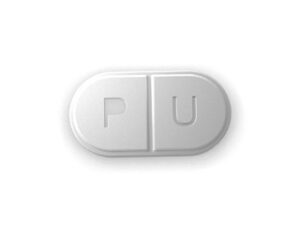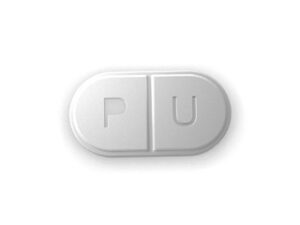


Cytomel (Liothyronine) – Patient-Friendly Guide (Australia)
Cytomel contains liothyronine, a synthetic form of the thyroid hormone T3 (triiodothyronine). It is used to treat conditions caused by thyroid hormone deficiency and, in some situations, to support diagnosis of certain thyroid disorders. This guide explains how Cytomel works, how it is used, what to expect, and important safety and interaction information—written for patients in Australia.
Basic product information
- Brand name: Cytomel
- Active ingredient: Liothyronine (T3)
- Thyroid hormone type: Synthetic triiodothyronine (T3)
- What it does: Replaces thyroid hormone to help normal body functions
- Common formulation: Oral tablets (strength varies by product/market)
- Available in Australia: Supply may vary by strength and manufacturer availability; availability and substitute products may differ
Note: Always check the specific pack for strength (e.g., microgram or mg) and follow the advice provided with your medicine.
How Cytomel works (mechanism of action)
Thyroid hormones play key roles in controlling how your body uses energy. Liothyronine (T3) acts at hormone receptors in tissues such as the heart, brain, muscles, and metabolism pathways.
- Increases metabolism: Helps regulate the speed at which the body burns calories and produces energy.
- Supports growth and development: Important for normal development of the brain and body, especially in children.
- Regulates organ function: Helps maintain normal heart rate, temperature regulation, and bowel function.
- Balances hormone levels: In hypothyroidism, it replaces what your body is not producing adequately.
T3 is the “active” thyroid hormone that produces much of the hormone effects in tissues. In the body, T4 (thyroxine) can be converted to T3, but Cytomel provides T3 directly.
Pharmacokinetics (how the body handles the medicine)
Pharmacokinetics describes how the body absorbs, distributes, metabolises, and excretes liothyronine.
- Absorption: Liothyronine is absorbed from the gastrointestinal tract after taking it by mouth.
- Onset of action: Because T3 acts directly, effects may be noticeable sooner than with T4-only treatments.
- Peak activity: Blood levels rise after dosing and then decline as the body clears the hormone.
- Metabolism: T3 is metabolised by the body through normal thyroid hormone pathways.
- Half-life and duration: The dosing schedule is often designed to maintain stable thyroid levels and reduce peaks/troughs. Your prescriber may adjust dosing based on blood tests and symptoms.
Why timing matters: T3 can produce quicker rises in hormone levels. This is why many people are advised to take it at consistent times and to avoid doubling doses.
Typical use in practice
Cytomel is used to treat thyroid hormone deficiency and other specific thyroid-related scenarios under medical supervision. Common reasons include:
- Primary hypothyroidism: When the thyroid gland cannot produce enough hormone.
- Central hypothyroidism: When the pituitary/hypothalamus does not provide adequate stimulation for thyroid hormone production.
- Combination therapy: In some cases, liothyronine may be used alongside levothyroxine (T4) when deemed appropriate.
- Thyroid suppression/diagnostic use: In certain thyroid evaluations where suppression of thyroid activity is required.
Choosing the right therapy depends on your thyroid condition, lab results, symptoms, age, heart health, pregnancy status, and other medicines.
Indications (what Cytomel is used for)
In general terms, liothyronine is indicated for:
- Replacement therapy in hypothyroidism where T3 is appropriate.
- Cases where T3 is needed due to individual response or specific clinical goals.
- Selected diagnostic or suppression purposes as described by current clinical protocols.
Important: The exact use, dosing, and monitoring plan should be individualised for each patient.
How to take Cytomel (timing and routine)
Follow the dosing instructions provided with your medicine. If you are unsure, check with your healthcare professional or pharmacist.
General timing tips
- Take at the same time each day to support steady hormone levels.
- Consistency with meals can help reduce variability in absorption.
- Morning dosing is common (many people take thyroid medication on waking), but your plan may differ depending on your regimen.
Missed dose
- If you miss a dose, take it when you remember unless it is close to the time for the next dose.
- Do not double up to make up for a missed dose.
- Contact your pharmacist for advice if you are unsure based on your schedule.
Stopping Cytomel
Do not stop abruptly without advice. Stopping can lead to a return of hypothyroid symptoms and changes in blood test results.
Food interactions (what to watch for)
Certain foods and beverages may affect absorption or effectiveness of thyroid medication. While individual responses vary, these practical considerations are widely relevant:
- High-fibre meals and changes in diet may affect thyroid medication absorption.
- Soy-containing foods (and large changes in soy intake) may influence thyroid hormone handling in some people.
- Coffee and certain drinks may reduce absorption for some thyroid preparations (especially when taken at the same time).
- Do not mix with supplements that may interfere (see below under medicines).
Practical tip: Many patients find it easier to take thyroid tablets consistently either on an empty stomach or with a consistent routine regarding meals. Your pharmacist can advise what works best with your specific product and schedule.
Alcohol and medicine interactions
Alcohol does not typically cause a direct chemical interaction with liothyronine, but it can affect your overall health and wellbeing. More importantly, alcohol may influence:
- Adherence: Missed or delayed doses are common with drinking schedules.
- Heart rhythm and symptoms: Thyroid hormone excess can cause palpitations; alcohol may worsen heart-related symptoms in some individuals.
- Sleep and mood: Thyroid levels can affect energy and sleep; alcohol can add variability.
Alcohol and medication combinations: If you take alcohol regularly, be cautious with other medicines that affect the liver or heart. Always inform your healthcare professional about all medicines, supplements, and alcohol intake so interactions can be reviewed.
Medicine interactions (important examples)
Certain medicines and supplements can alter how thyroid hormone works or how well it is absorbed. Tell your pharmacist or prescriber about everything you take, including:
- Iron supplements and calcium products
- Magnesium supplements
- Antacids containing aluminium or magnesium
- Bile acid sequestrants (used for cholesterol)
- Some diabetes medicines and other hormone-related therapies
- Anti-seizure medicines (can alter thyroid hormone metabolism in some cases)
- Oestrogen therapy or hormonal contraceptives (may change thyroid hormone requirements)
- Amiodarone (affects thyroid function)
Practical spacing tip: If you take supplements such as iron or calcium, ask your pharmacist how long to separate them from your thyroid medication. Spacing is a common strategy to reduce absorption interference.
Dosing (how the dose is determined)
Liothyronine dosing is individual. The “right” dose depends on:
- Your thyroid condition (primary vs central)
- Your age and heart health
- Your baseline thyroid function tests
- Your symptoms and response
- Whether you are using liothyronine alone or with levothyroxine
- Other medications and absorption factors
Because Cytomel contains T3, dosing may involve careful titration. Your doctor may start with a lower dose and adjust gradually based on follow-up blood tests such as:
- TSH
- Free T4
- Free T3 (especially when using liothyronine)
Typical approach (conceptual)
- Start low for many patients—particularly older adults or people with heart disease.
- Adjust slowly to avoid thyroid excess.
- Monitor labs and symptoms after dose changes.
Do not use a dose outside your personal plan. If you have questions about whether your dose is appropriate, speak with your pharmacist or prescriber.
What to expect after starting Cytomel
Many patients notice symptom changes within days to weeks, but this varies. Typical improvements may include:
- More energy, improved stamina
- Less cold intolerance
- Improved bowel regularity
- Better mood and concentration
Thyroid levels can take time to stabilise and blood tests may be repeated after dose adjustments. If you feel unwell after starting or changing dose, contact your healthcare professional promptly—especially if you experience symptoms of too much thyroid hormone (see “Safety profile”).
Safety profile and precautions
Like all medicines, Cytomel can cause side effects. The main safety issue is thyroid hormone imbalance—either too low (hypothyroid symptoms) or too high (thyrotoxicosis).
Common potential side effects of excess thyroid hormone
- Palpitations or fast heartbeat
- Shakiness or nervousness
- Sweating and heat intolerance
- Insomnia
- Increased appetite with weight loss
- Diarrhoea
Less common but important risks
- Heart rhythm problems (especially in people with existing heart conditions)
- Chest pain or worsening angina
- Severe anxiety or agitation
- Bone health concerns with prolonged overtreatment (thyroid excess can affect bone density)
When to seek urgent medical help
Get urgent help if you have:
- Severe chest pain
- Fainting or severe shortness of breath
- Rapid irregular heartbeat that feels dangerous
- Severe confusion or extreme agitation
Who needs extra caution
- Older adults (risk of over-replacement effects)
- People with heart disease or previous arrhythmias
- People with osteoporosis risk
- Pregnant or planning pregnancy (thyroid hormone management is crucial and should be carefully monitored)
- People with adrenal insufficiency or related hormone disorders (thyroid treatment may require careful coordination)
Pregnancy and breastfeeding (general guidance): Thyroid hormone needs may change during pregnancy. Treatment should be monitored with blood tests. If you are pregnant, breastfeeding, or planning pregnancy, discuss an individual plan with your healthcare professional.
Practical use tips (to get the best results)
- Use a consistent daily routine: Take Cytomel at the same time each day.
- Keep a medication list: Include all prescriptions, over-the-counter products, and supplements.
- Separate interacting supplements: If you take iron, calcium, or magnesium, ask about spacing.
- Track symptoms: Note changes in energy, heart rate, sleep, bowel habits, and temperature sensitivity.
- Follow up with blood tests: Dose adjustments should be guided by labs, not symptoms alone.
- Be cautious with dose changes: If symptoms worsen after a dose increase, contact your pharmacist or doctor promptly.
- Avoid sharing: Thyroid medicines are not interchangeable between people or conditions.
Stability matters: Because T3 can have quicker effects, maintaining stable dosing and appropriate monitoring helps reduce the risk of over- or under-treatment.
Alternative options (if Cytomel isn’t suitable)
Your healthcare professional may consider alternatives depending on your diagnosis and treatment goals. Common alternatives include:
- Levothyroxine (T4) alone: A commonly used thyroid hormone replacement.
- Combination therapy (T4 + T3): For selected patients, with careful monitoring.
- Other formulations depending on local supply and tolerability
- Treatment of underlying cause if hypothyroidism is secondary to a reversible condition (your prescriber can advise)
Important: Switching between thyroid preparations can affect blood levels and symptoms. Changes should be coordinated and monitored.
Market and legal context in Australia (patient overview)
In Australia, access to prescription medicines is regulated to ensure safe use. Thyroid medicines such as liothyronine are dispensed through appropriate channels and are supplied according to Australian medicines governance and pharmacist counselling requirements.
What this means for you:
- You should receive clear dosing instructions and counselling at the time of dispensing.
- Regular monitoring through thyroid blood tests is standard practice for adjusting dose safely.
- Supply and brand availability can vary, and pharmacists may discuss appropriate alternatives if stock is limited.
Reimbursement and access: Eligibility for PBS or other support depends on individual circumstances and current listings. Your pharmacist can help explain options based on your situation.
Recent guidance and monitoring (high-level)
Clinical guidance for hypothyroidism consistently emphasises:
- Individualised dose titration based on thyroid function tests
- Monitoring for overtreatment (especially important with T3 due to potential for faster peak effects)
- Special attention during pregnancy and in patients with heart disease or osteoporosis risk
- Medication review for interactions (iron/calcium supplements, antacids, and other common agents)
Always rely on current advice from your healthcare professional, as recommendations may evolve.
Delivery and availability (Australia)
Online pharmacies in Australia may deliver to eligible areas. Availability of Cytomel can depend on current supply from manufacturers and wholesalers. If your specific strength is temporarily unavailable, your pharmacy may contact you about:
- Estimated restock time
- Alternative strengths (if appropriate)
- Substitution options discussed under pharmacist guidance
Delivery considerations:
- Confirm the delivery suburb/state coverage before checkout.
- Allow time for processing and shipping.
- Check product details (strength and quantity) carefully when ordering.
If you require an urgent dose, contact the pharmacy to confirm dispatch times and availability.
FAQ: Cytomel (Liothyronine)
1) What is Cytomel used for?
Cytomel is liothyronine (T3) used to treat thyroid hormone deficiency such as hypothyroidism, and in selected clinical situations where T3 is appropriate for replacement, combination therapy, or thyroid-related diagnostic/suppression purposes.
2) How fast does Cytomel work?
Because T3 acts directly, some people notice improvements relatively quickly (days to weeks). However, stable hormone levels and lab results can take longer. Your dose adjustments are guided by blood tests and symptoms.
3) Should I take Cytomel with food?
Some patients are advised to take thyroid tablets consistently either before or after meals. The most important factor is consistency and avoiding major changes that could affect absorption. Ask your pharmacist what routine fits your product and schedule.
4) Can I drink alcohol while taking Cytomel?
Alcohol is not usually a direct interaction, but it may worsen side effects such as palpitations, sleep disturbance, or dehydration. If you drink alcohol, use moderation and maintain regular dosing.
5) What supplements can interfere with Cytomel?
Iron and calcium supplements are well known to reduce absorption of thyroid medicines if taken too close together. Magnesium and some antacid products may also interfere. Separate dosing and check with your pharmacist.
6) How do I know if my dose is too high?
Signs of possible over-replacement include palpitations, tremor, anxiety, insomnia, heat intolerance, increased appetite with weight loss, and diarrhoea. If these occur, contact your healthcare professional promptly for review.
7) How do I know if my dose is too low?
Possible under-treatment symptoms can include fatigue, feeling cold, constipation, dry skin, weight gain, slowed thinking, and depressed mood. Blood tests are essential to confirm levels.
8) Is Cytomel the same as levothyroxine?
No. Cytomel contains T3 (liothyronine), while levothyroxine contains T4. They are not interchangeable without dose and monitoring adjustments.
9) What blood tests are monitored?
Common tests include TSH and free T4. When using liothyronine, clinicians may also monitor free T3 to ensure appropriate balance.
10) What if I miss a dose?
Take it when you remember unless it is close to your next dose. Do not double up. Ask your pharmacist if you’re unsure based on your dosing schedule.
Quick reference summary
| Topic | Key points for patients |
|---|---|
| Medicine | Cytomel (liothyronine, T3) |
| What it does | Replaces thyroid hormone and helps normal body metabolism and organ function |
| When taken | Usually at consistent times daily; timing can affect absorption and hormone peaks |
| Food/supplements | Maintain consistency with meals; separate iron/calcium/magnesium/antacids when relevant |
| Alcohol | Not a typical direct interaction, but may worsen palpitations, sleep, and symptoms |
| Monitoring | Blood tests (e.g., TSH, free T4 ± free T3) guide dose adjustments |
| Safety | Watch for signs of excess thyroid hormone (palpitations, tremor, insomnia, diarrhoea) |
| Alternatives | Levothyroxine or combination approaches may be considered depending on your situation |
Remember: Your thyroid treatment works best when the dose matches your body’s needs. If you have symptoms that change after starting or adjusting Cytomel, or you are planning changes to diet, supplements, or other medicines, consult your pharmacist or healthcare professional for tailored advice.