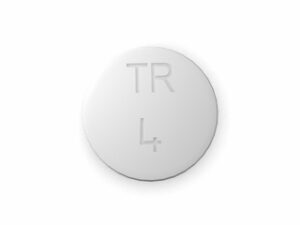
Desogestrel / Ethinyl Estradiol (Desogestrel and Ethinyl estradiol) — Patient Information (Australia)
Desogestrel / Ethinyl estradiol is a combined oral contraceptive pill (often called the “combined pill”) used to prevent pregnancy and—depending on the specific brand and regimen—may also help with menstrual-related symptoms for some people. This page explains how the medicine works, how it’s used, key safety points, and practical guidance for everyday use in Australia.
Quick Overview
- Medicine: Desogestrel / Ethinyl estradiol
- Type: Combined oral contraceptive (COC)
- Key hormones: Desogestrel (progestogen) + Ethinyl estradiol (oestrogen)
- Common uses: Contraception; may reduce menstrual discomfort for some users
- How it’s taken: Usually one tablet daily at the same time
Basic Product Information
Desogestrel / ethinyI estradiol contains two hormones that act together to prevent ovulation (release of an egg). “Desogestrel” is a progestogen, while “ethinyl estradiol” is a synthetic form of oestrogen.
In Australia, brands and tablet strengths may vary. Always check your specific pack for:
- Tablet strengths
- Pack instructions (e.g., 21 active tablets plus a break, or 24 active plus a break, or other regimens)
- Whether the pack contains inactive/placebo tablets
Mechanism of Action (How It Works)
Combined oral contraceptives prevent pregnancy mainly through three complementary actions:
- Inhibits ovulation: The hormones suppress the hormonal signals needed for an egg to be released.
- Thickens cervical mucus: This makes it harder for sperm to enter the uterus.
- Alters the endometrium: The lining of the uterus becomes less suitable for implantation.
When taken correctly and consistently, the combined pill is highly effective at preventing pregnancy.
Pharmacokinetics (Absorption, Distribution, Metabolism, Excretion)
The pharmacokinetics of combined pills describes how each hormone is absorbed, processed, and removed from the body. While exact values can differ by study and formulation, key points include:
- Absorption: After oral intake, ethinyl estradiol and desogestrel are absorbed through the gastrointestinal tract.
- Metabolism: Both hormones are metabolised mainly in the liver. Metabolism can be influenced by other medicines (for example, some antiseizure medicines and certain antibiotics/antifungals).
- Active metabolite of progestogen: Desogestrel is converted to an active progestogenic form in the body.
- Elimination: Metabolites are eliminated primarily via urine and/or bile and can take days to fully clear.
Because hormonal levels need to remain sufficiently steady, missing doses can reduce contraceptive effectiveness.
Typical Use and Indications
Desogestrel / ethinyl estradiol is typically used for:
- Contraception: Preventing pregnancy.
- Cycle control: Some people experience more predictable bleeding patterns.
- Menstrual symptoms: Depending on individual response and the specific indication for the product, it may help with issues such as dysmenorrhoea (painful periods) or heavy, irregular bleeding.
If you’re taking it for reasons beyond contraception, the pack instructions and product-specific guidance should be followed.
How to Take It (Dosing, Timing, and Missed Doses)
Typical dosing
Most combined pill regimens involve taking one tablet daily. The exact number of active tablets and the presence of inactive tablets depend on the product pack.
Timing
- Choose a daily time you can remember (e.g., morning with breakfast or evening after dinner).
- Consistency matters: Take the pill at about the same time every day.
- If you have nausea or reflux, consider taking it with food (see the food section below).
Starting the pill
Common start options include starting:
- On the first day of your period (often gives immediate contraceptive protection)
- Within the first 5 days of your period (protection may be immediate depending on timing)
- At another time in your cycle (often requires additional contraception for a short period)
The correct approach depends on your situation (e.g., recent childbirth, breastfeeding, recent miscarriage/abortion, and other factors). Follow the product pack instructions or clinician guidance.
What to do if you miss a tablet
Missed-dose instructions depend on the number of tablets missed and whether your pack uses active/placebo tablets. Because advice differs between regimens and time windows, it’s important to check:
- Your specific pack leaflet
- The number of consecutive missed active tablets
- How close the missed doses are to the start/end of your pill pack
In general, when pills are missed, use extra contraception (such as condoms) for a time and re-start as instructed once you remember. If you’ve had unprotected sex around the time of missed pills, consider speaking with a healthcare professional for tailored advice.
Food Interactions
For most people, food does not significantly alter the contraceptive effectiveness of combined pills. However, food can affect how comfortable it is to take the medicine:
- Nausea: Taking your pill with food or at bedtime may reduce stomach upset.
- Vomiting/Severe diarrhoea: If you vomit soon after taking a dose (or have severe diarrhoea), the dose may not fully absorb. The pack instructions typically advise what to do in this situation (often treating it similarly to a missed pill).
Always follow the specific directions in your product leaflet.
Alcohol and Medicine Interactions
Alcohol
Moderate alcohol intake is not usually expected to directly reduce contraceptive effectiveness. However:
- Vomiting: Heavy drinking may lead to vomiting, which can reduce absorption if it occurs shortly after your tablet.
- Adherence risk: Alcohol may make it easier to miss a dose—consistency is important for effectiveness.
Other medicines and interactions (important)
Some medicines can reduce effectiveness by increasing hormone metabolism or altering enterohepatic circulation. You should be particularly cautious with:
- Some antiseizure medicines (antiepileptics)
- Some anti-TB medicines (rifampicin/rifabutin)
- Some HIV/HCV medicines
- Some antibiotics and antifungals (most commonly those that have a proven interaction with hormonal contraception)
- Herbal products such as St John’s wort (can reduce effectiveness)
Many common over-the-counter medicines (e.g., paracetamol/acetaminophen) do not meaningfully interact with combined pills, but it’s still wise to check with a pharmacist or the medicine leaflet when starting anything new.
If an interaction is likely, additional contraception (e.g., condoms) may be needed while you take the interacting medicine and for a short time after stopping it—follow the advice in the leaflet or from a healthcare professional.
Safety Profile (Who Should Take Caution)
Like all hormonal contraceptives, desogestrel / ethinyl estradiol has potential risks and benefits. Most people can use combined pills safely, but certain conditions and risk factors increase the likelihood of serious side effects.
Common side effects
- Nausea
- Breast tenderness
- Headaches
- Spotting or irregular bleeding (often improves after the first few cycles)
- Changes in mood
Serious risks (seek urgent care)
Combined pills slightly increase the risk of blood clots (venous thromboembolism). Risk can be higher with certain factors such as smoking, inherited clotting disorders, older age, and prolonged immobility.
Seek urgent medical help if you develop symptoms such as:
- Chest pain, coughing blood, or sudden shortness of breath
- Severe leg pain, swelling, warmth, or redness in one leg
- Sudden severe headache, weakness, numbness, trouble speaking, or vision changes
- Severe abdominal pain (rare but important)
When combined pills may not be appropriate
Combined pills are generally not recommended for people with certain conditions. Examples include (this is not exhaustive):
- History of blood clots or certain clotting disorders
- Some forms of migraine (especially with aura)
- Uncontrolled high blood pressure
- Severe liver disease
- Recent major surgery with prolonged immobility (timing decisions may be needed)
- Some pregnancy-related conditions (and you should not start during pregnancy)
If you have any of the above risk factors, discuss suitable alternatives.
Practical Use Tips (Getting the Best Results)
- Set a daily reminder (phone alarm or calendar).
- Store safely: Keep tablets at room temperature and protect from excess heat and moisture.
- Check your pack: Know whether it includes placebo/inactive tablets.
- Plan for travel: Keep pills in your carry-on if possible.
- If you vomit: Follow the pack leaflet for guidance—this may count as a missed pill.
- Keep track of spotting: Light bleeding in the first cycles can be normal; heavy or persistent bleeding should be reviewed.
Important: Combined pills do not protect against sexually transmitted infections (STIs). Use condoms for STI protection.
Alternative Options
If desogestrel / ethinyl estradiol isn’t suitable, there may be other contraceptive methods. Alternatives can include:
Other hormonal options
- Progestogen-only pills (often suitable if oestrogen is not recommended)
- Contraceptive injection (progestogen)
- Implant (long-acting progestogen)
- Hormonal intrauterine device (IUD)
Non-hormonal options
- Copper IUD
- Barrier methods (condoms, diaphragms)
Choice depends on your health profile, preferences (e.g., menstrual changes), and interaction risks with other medicines.
Market and Legal Context (Australia)
In Australia, contraceptive medicines are regulated by the Australian Government and must meet safety, quality, and manufacturing standards. Availability and supply processes are managed through licensed channels, and requirements can vary based on product type and current regulatory frameworks.
While specific pathways for obtaining contraception can differ, online pharmacies may display product information and provide delivery options depending on eligibility criteria and state/territory rules.
Note: Always use medicines according to the consumer medicine information for your specific product and follow local Australian guidance.
Recent Guidance and Updates (What to Watch)
Contraceptive guidance can evolve over time, particularly regarding:
- Risk assessment: Ongoing review of blood clot risk factors and patient selection criteria
- Drug interactions: Updated interaction profiles as new medicines enter the market
- Menstrual bleeding management: Best-practice approaches for managing breakthrough bleeding
For the most current advice, consult:
- Your product leaflet
- A pharmacist or other healthcare professional
- Trusted Australian health resources
Delivery and Availability (Online Pharmacy in Australia)
Availability varies by brand and stock levels. When ordering online in Australia, delivery timing typically depends on:
- Your location (metro vs regional/remote)
- Dispatch times and courier service
- Cold chain requirements (usually not applicable for oral tablets)
To ensure safe supply and storage, your tablets should be delivered to an appropriate place and stored as directed on the pack.
Comparison Table (Helpful at a Glance)
| Feature | Desogestrel / Ethinyl estradiol |
|---|---|
| Type | Combined oral contraceptive pill (oestrogen + progestogen) |
| Main action | Suppresses ovulation, thickens cervical mucus, alters endometrium |
| Typical use | Contraception; may help menstrual-related symptoms for some users |
| Dosing pattern | One tablet daily; cycle regimen depends on the brand |
| STI protection | None (use condoms if STI risk) |
| Key caution | Higher blood clot risk compared with non-use; risk depends on individual factors |
| Notable interactions | Certain medicines and herbal products may reduce effectiveness |
FAQ
1) How effective is the combined pill?
Effectiveness is highest when pills are taken correctly every day at roughly the same time. Missed or late doses can reduce effectiveness. If you are concerned about missed doses or start timing, follow the product leaflet and consider extra contraception.
2) What should I do if I start mid-cycle?
Starting at a non-period time may require additional contraception for a short period depending on timing. Your product leaflet provides the recommended approach. If you’ve had unprotected sex recently, ask a pharmacist for advice.
3) Can I take this medicine if I’m breastfeeding?
Breastfeeding can affect suitability for oestrogen-containing pills. Decisions depend on how long postpartum you are, breastfeeding frequency, and individual health factors. Discuss options with a healthcare professional.
4) Will I still get a period?
Many people experience a “withdrawal bleed” during the pill-free interval (or placebo days) rather than a natural period. Bleeding patterns vary; some may have lighter bleeding or spotting.
5) Is it safe to take with other medicines?
Some medicines can interact and reduce contraceptive effectiveness. Always check the medicine leaflet for interactions and ask a pharmacist before starting new medicines—especially antiseizure medicines, rifampicin-like antibiotics, certain antivirals, and St John’s wort.
6) What if I have breakthrough bleeding?
Light bleeding or spotting can occur, particularly in the first few months of use. Continue taking the pill daily. If bleeding is heavy, persistent, or accompanied by severe pain or other concerning symptoms, seek medical advice.
7) Can I drink alcohol while taking it?
Moderate alcohol is usually fine. However, heavy drinking may cause vomiting or missed doses, which can affect effectiveness. If vomiting occurs soon after a dose, follow the leaflet’s advice.
8) Does it protect against STIs?
No. Combined pills prevent pregnancy but do not protect against sexually transmitted infections. Condoms are recommended for STI protection.
9) What are warning signs of serious side effects?
Seek urgent medical help for symptoms such as chest pain, sudden shortness of breath, coughing blood, severe leg swelling/pain, sudden severe headache, weakness/numbness, or vision changes.
10) What are the common side effects, and do they go away?
Common side effects include nausea, breast tenderness, headaches, mood changes, and spotting. Many improve after the first 2–3 cycles as your body adjusts.
Need More Personalised Guidance?
If you’re unsure whether desogestrel / ethinyl estradiol is right for you—particularly if you have migraines, high blood pressure, a history of clots, or you take other medicines—talk to a pharmacist. They can help you understand interactions, how to start, and what to do if you miss doses.