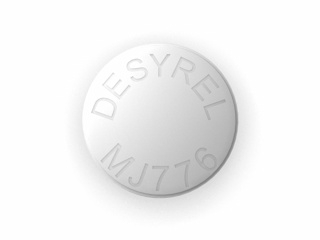


Desyrel (Trazodone) – Patient Information (Australia)
Desyrel is the brand name for trazodone, a medicine commonly used to treat certain mental health conditions, including depression. This page explains how Desyrel works, how it’s usually taken, key safety considerations, and what to expect in everyday use.
Medicines information can vary by individual circumstances. Always follow the advice given by your prescriber and read the consumer medicine information (CMI) supplied with your product. If anything is unclear or you feel unwell after starting treatment, seek medical advice promptly.
Quick Facts
- Medicine: Desyrel (trazodone)
- Common uses: Depression (and sometimes related symptoms, as clinically appropriate)
- Type: Serotonin-modulating antidepressant
- Typical dosing frequency: Once or split doses per day (varies by regimen)
- Common side effects: Drowsiness, dizziness, dry mouth, nausea, constipation
- Alcohol: Avoid or discuss—can worsen drowsiness and other effects
Basic Product Information
| Category | Details |
|---|---|
| Active ingredient | Trazodone |
| Brand | Desyrel |
| Medicine class | Antidepressant; serotonin modulator |
| Form strengths | Available in different strengths depending on supply (confirm on your pack) |
| How it is taken | By mouth, usually with meals or after food if it upsets your stomach |
How Desyrel Works (Mechanism of Action)
Trazodone helps improve symptoms of depression by affecting brain signalling chemicals—particularly serotonin. While it is often described as a serotonin-modulating antidepressant, its effects involve multiple serotonin receptors, which may contribute to both mood benefits and changes in sleep-related symptoms.
In simple terms, it may help:
- Increase the balance of serotonin activity in the brain
- Reduce depressive symptoms over time
- Support sleep for some people due to its sedating effects
Pharmacokinetics (What the Body Does to the Medicine)
Pharmacokinetics describes how trazodone is absorbed, processed, and eliminated by the body. While specific values can vary between individuals and formulations, the following points are generally relevant:
- Absorption: Trazodone is absorbed after oral dosing. Taking it with food may affect the speed at which it starts working, and may reduce stomach upset for some people.
- Metabolism: The liver primarily metabolises trazodone. This means other medicines that influence liver enzymes can change trazodone levels.
- Active breakdown: Trazodone is metabolised into other compounds, which may also contribute to overall effects.
- Elimination: The medicine and its metabolites are eliminated mainly via urine.
If you have liver or kidney problems, or you take multiple medicines, your prescriber may adjust your dose and monitor you more closely.
What Desyrel Is Typically Used For
Desyrel is most commonly used to treat depression. Depending on clinical assessment, it may also be used for certain associated symptoms (for example, where sleep disturbance is part of the illness), but suitability depends on your medical history and other treatments.
Your clinician will determine the most appropriate indication and dosing plan for your situation.
Timing: When to Take It and How to Build a Routine
Many people experience sleepiness or a sedating effect, especially early in treatment or at higher doses. For this reason, dosing is often arranged to fit your daily routine.
- Night-time dosing: If you feel drowsy, it may be taken in the evening or before bed (as instructed).
- Day-time dosing: Some regimens split the dose, including smaller doses earlier in the day to reduce side effects (only as advised).
- Consistency matters: Try to take it at the same times each day.
- Allow time to respond: Mood improvement often takes time—do not expect instant relief.
If you miss a dose, follow your medicine’s instructions or the advice from your pharmacist or prescriber. Do not double up to “catch up” unless instructed.
Food Interactions (With Meals and Drinks)
Food can influence how quickly trazodone is absorbed and how your stomach feels. In general:
- With or after food: Many people find taking Desyrel with meals or after food helps reduce nausea or stomach discomfort.
- Grapefruit and certain fruit products: Some products can affect drug metabolism. It’s best to check with your pharmacist if you regularly consume grapefruit or large amounts of certain fruit extracts.
- Hydration: Drinking water may help reduce dry mouth and dizziness.
If your doctor has given specific instructions (for example, taking it at a certain time relative to meals), follow those instructions.
Alcohol and Medicine Interactions
Alcohol
Avoid alcohol or keep it to an absolute minimum while taking Desyrel, unless your clinician says otherwise. Alcohol can increase sedation, worsen dizziness, and raise the risk of accidents (falls, impaired driving). It may also make mood symptoms worse.
Medicines That May Interact
Desyrel can interact with other medicines, particularly those affecting serotonin levels or those that can cause drowsiness. Tell your pharmacist or prescriber about all medicines you take, including over-the-counter products and supplements.
- Other antidepressants and serotonin-active medicines: Using multiple serotonergic medicines can raise the risk of serotonin-related side effects.
- Sleep medicines and sedatives: Combining with benzodiazepines, opioids, or sleep aids can increase drowsiness and breathing-related risks.
- Antipsychotics and some mood-stabilising medicines: May increase sedation or affect heart rhythm in susceptible individuals.
- Medicines affecting liver enzymes: Some drugs can change trazodone metabolism, potentially increasing or decreasing levels.
- Blood pressure medicines: Trazodone can sometimes cause dizziness when standing (postural hypotension), which may be more noticeable if you already take antihypertensives.
- Medicines that prolong QT interval: Trazodone may affect heart rhythm in some circumstances; combined use with other QT-prolonging agents may increase risk.
If you start, stop, or change doses of any medicine while on Desyrel, speak to your pharmacist to check for interactions.
Indications and Clinical Use
In Australia, Desyrel (trazodone) is used for depression. Clinical decisions also consider:
- Your diagnosis and symptom pattern
- Your current medications
- Medical conditions (including liver problems, heart rhythm issues, and history of falls)
- Past responses to antidepressants
Treatment plans may include non-medicine therapies such as counselling or psychological strategies. Medicines often work best as part of an overall care plan.
Dosing: Typical Starting and Maintenance (General Guidance)
Dosing varies by person and by the formulation you receive. Your prescriber will decide the most appropriate dose for you, starting at a suitable level and adjusting gradually. The points below provide general information about how dosing is commonly approached.
- Start low, go slow: Many people begin with a lower dose to reduce early side effects, particularly drowsiness and dizziness.
- Gradual adjustment: The dose may be increased every few days to weeks depending on response and tolerability.
- Single or divided dosing: Some regimens use one daily dose (often evening/bedtime), while others split doses across the day.
- Maximum dose: There is usually an upper limit stated in the product information. Do not exceed it unless specifically directed.
If you have missed doses, are experiencing side effects, or feel the medicine is not helping, contact your pharmacist or prescriber rather than changing the dose yourself.
Safety Profile: Common and Serious Risks
Common Side Effects
Many side effects are dose-related and often improve as your body adjusts. Commonly reported effects include:
- Drowsiness or sedation
- Dizziness, especially when standing up
- Dry mouth
- Nausea or indigestion
- Constipation
- Headache
- Blurred vision (in some people)
Serious Side Effects – Get Urgent Medical Help
Seek urgent medical assistance or call emergency services if you experience symptoms such as:
- Severe allergic reaction (swelling of face/lips, difficulty breathing, rash)
- Fainting, severe dizziness, or signs of dangerous low blood pressure
- Symptoms of serotonin syndrome, such as: agitation, confusion, fast heart rate, fever, sweating, muscle stiffness or tremor, severe diarrhoea
- Signs of unusual heart rhythm problems (e.g., palpitations with dizziness, severe light-headedness, chest pain, fainting)
- Worsening depression, suicidal thoughts, or unusual behaviour changes (especially during early treatment or dose changes)
If you are concerned about safety, do not wait for symptoms to pass—get help.
Starting Period Considerations
Early in treatment, some people feel more sedated or experience changes in sleep, energy, or anxiety. This is one reason clinicians often start with a lower dose and adjust carefully.
Practical Use Tips (How to Get the Best from Desyrel)
- Be cautious when driving and operating machinery: If you feel drowsy, avoid driving until you know how Desyrel affects you.
- Stand up slowly: If dizziness occurs, stand gradually and hold onto something steady if needed.
- Keep hydrated and care for dry mouth: Sip water regularly; consider sugar-free lozenges or saliva substitutes if suitable.
- Set a reminder: Consistent timing can help you remember doses and manage side effects.
- Give it time: Depression improvement may take several weeks. Track your symptoms rather than judging too early.
- Do not stop suddenly: Stopping abruptly can lead to discomfort for some people. Tapering should be planned with your clinician.
- Report new symptoms: Especially palpitations, fainting, agitation, fever, or severe restlessness.
Stopping or Missing Doses
If you miss a dose, the usual approach depends on how close it is to the next dose. Follow the instructions on the package or seek advice. Do not take extra doses to “make up” for a missed one unless specifically directed.
If you need to stop Desyrel, it should be done gradually under medical guidance. This helps reduce the likelihood of withdrawal-like symptoms and supports safer management of your mood.
Alternative Treatment Options
Depending on your diagnosis, symptoms, and prior treatment history, there may be other medication or non-medication options. Options could include:
- Other antidepressants: e.g., SSRIs or SNRIs (your prescriber will select based on your symptoms and risk factors).
- Psychological therapies: counselling, cognitive behavioural therapy (CBT), and other evidence-based approaches.
- Lifestyle support: structured sleep routines, regular physical activity, and social support.
- Adjunct strategies for sleep disturbance: behavioural sleep strategies (and sometimes targeted medications, depending on suitability).
Discuss alternatives with your prescriber or pharmacist, especially if you experience intolerable side effects or insufficient benefit.
Desyrel in the Australian Market: Legal and Regulatory Context
In Australia, medicines are regulated under the Therapeutic Goods Administration (TGA) framework. Brand availability and listings can change over time. Your online pharmacy should provide current product availability and the correct consumer information with your order.
Many antidepressant medicines are supplied according to Australian medicine scheduling rules and clinical governance. Availability may depend on formulation, brand stock, and pharmacy supply chains.
Safety note: Only use Desyrel as directed for your situation, and keep your medicine stored appropriately as stated on the pack.
Recent Guidance and Monitoring (What to Watch for)
Clinical guidance for depression care in Australia commonly emphasises:
- Early review: Monitoring during the first weeks of treatment and after any dose change.
- Risk awareness: Assessing for suicidal thoughts or behaviour changes, particularly early in treatment or in younger people (risk may be increased around treatment changes for some antidepressants).
- Side effect management: Checking for sedation, dizziness, blood pressure changes, and drug interactions.
- Integrated care: Combining medication with psychological support and lifestyle strategies where appropriate.
If you’re unsure what follow-up you should have, ask your pharmacist or clinician when and how to check progress.
Delivery and Availability (Online Pharmacy)
Availability of Desyrel can vary by strength and current supplier stock. When ordering online:
- Check the product details on the listing (strength and pack size).
- Delivery times may depend on location and courier service; your checkout page should provide an estimate.
- Packaging should protect the tablets and include correct labelling and consumer information.
- Cold chain: Trazodone tablets generally do not require refrigeration (confirm with your pack).
If your order is delayed or out of stock, contact the pharmacy for an expected restock time or alternatives.
How to Store Desyrel
- Store according to the directions on the pack.
- Keep out of reach of children.
- Protect from moisture and excessive heat.
- Do not use after the expiry date.
FAQ – Desyrel (Trazodone)
1) How long does it take for Desyrel to work?
Some people notice changes in sleep or anxiety-related symptoms earlier, but improvements in depression often take several weeks. If you’re not improving after a reasonable trial, speak with your prescriber about whether the dose or treatment plan needs adjustment.
2) Will Desyrel make me sleepy?
Yes, drowsiness is common. Many people find it affects them more at the beginning or after dose changes. Until you know how you respond, avoid driving and be cautious with tasks that require full alertness.
3) Can I take it with food?
Often it can be taken with meals or after food to reduce nausea. Follow the instructions provided with your specific product and ask your pharmacist if you have questions about timing.
4) Can I drink alcohol while taking Desyrel?
It’s generally recommended to avoid alcohol because it can increase sedation and dizziness and may worsen mood. If you choose to drink, discuss it with your clinician first.
5) What if I miss a dose?
The best approach depends on timing. If you’re close to the next dose, you may be advised to skip the missed dose and continue as normal. Check the product instructions or speak to your pharmacist.
6) Are there foods or supplements I should avoid?
Always discuss supplements with your pharmacist. Some can affect mood, bleeding risk, or drug metabolism. If you consume grapefruit or unusual herbal products, mention them as they may affect metabolism or side effects.
7) Can I take other medicines with Desyrel?
Some combinations can increase risk, including other serotonergic medicines or medicines that cause sedation. Tell your pharmacist about all medicines (including over-the-counter and supplements) before starting or changing anything.
8) Is Desyrel habit-forming?
Trazodone is not typically classified as a drug with the same habit-forming risk as some sleep medicines. However, it can still cause withdrawal-like symptoms if stopped abruptly—so stopping should be guided by your clinician.
9) What should I do if I feel worse after starting?
Contact your clinician promptly, especially if you experience worsening depression, agitation, unusual behaviour changes, or thoughts of self-harm. Seek urgent help if you feel unsafe.
10) Can Desyrel be used for sleep problems?
It may affect sleep, and in some clinical circumstances it is used when depression and sleep disturbance overlap. Sleep treatment should be personalised—discuss your symptoms and goals with a healthcare professional.
Disclaimer: This page is for general patient information and does not replace medical advice. If you have questions about whether Desyrel is suitable for you, speak with a pharmacist or prescriber.