

Famciclovir: Patient-Friendly Guide
Famciclovir is an antiviral medicine used to treat certain viral infections caused by the herpes virus family, including herpes simplex virus and herpes zoster (shingles). It works by slowing the virus’s ability to multiply in the body, helping reduce the duration and severity of symptoms for many people.
This guide is designed to help you understand how famciclovir works, how it’s commonly used, what to expect, and important safety information—especially when combining it with other medicines, food, or alcohol. It also includes practical tips, alternatives, and Australia-specific availability and general market/legal context.
Basic product information
| Category | Details |
|---|---|
| Medicine name | Famciclovir |
| Drug class | Antiviral (nucleoside analogue prodrug of penciclovir) |
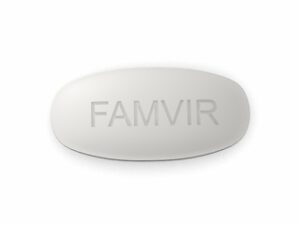
| Common brands | Availability varies by manufacturer and supply (check the label on your pack) |
| Forms | Tablets (strengths vary by product/market) |
| Typical conditions | Herpes simplex (cold sores/genital herpes), herpes zoster (shingles) |
| How it’s usually taken | By mouth, timed as directed for the specific condition |
How famciclovir works (mechanism of action)
Famciclovir is a prodrug. After you take it by mouth, your body converts famciclovir into its active form, penciclovir. Penciclovir then interferes with viral replication.
More specifically, penciclovir is converted inside infected cells into an active triphosphate form. This active form inhibits viral DNA synthesis, which helps stop the virus from multiplying.
- Herpes viruses affected: herpes simplex virus (HSV) and varicella-zoster virus (VZV, shingles).
- Key benefit: reduces viral replication in infected tissues.
- Clinical outcome: may shorten illness and reduce symptom severity when started early.
Pharmacokinetics (how the body handles the medicine)
Pharmacokinetics describes what happens to a medicine in the body: absorption, distribution, metabolism, and elimination. For famciclovir, the overall process supports convenient dosing schedules used in clinical practice.
Absorption and conversion to active drug
- After oral administration, famciclovir is absorbed and converted to penciclovir (the active antiviral).
- The active metabolites concentrate in tissues affected by herpes virus infection, helping antiviral activity continue for a period of time.
Distribution
Penciclovir reaches infected tissues, where it can exert its antiviral effects. The degree of distribution can vary by tissue type and disease state, which is one reason dosing regimens differ across indications.
Metabolism and elimination
- Famciclovir is metabolised mainly to penciclovir.
- Elimination is largely renal (through the kidneys), so dose adjustments may be needed in people with reduced kidney function.
Typical uses and indications
Famciclovir is used for infections caused by viruses in the herpes group. The most common indications include:
- Herpes zoster (shingles): treatment to reduce the duration of pain and help control the rash when started early.
- Herpes simplex infection: treatment of outbreaks (such as cold sores) and, for some people, prevention of recurrences.
- Genital herpes (HSV): treatment of episodes and sometimes suppression to reduce the frequency of recurrences.
The exact regimen (dose and number of days) depends on the condition being treated, your medical history (including immune status), and kidney function.
When to start and timing of doses
Timing is important. Antivirals tend to work best when started early—ideally within the recommended time window after symptoms begin. Early treatment may improve the chance of faster viral control and symptom improvement.
Practical timing guidance
- Shingles: start as early as possible after the rash appears (often within 72 hours, depending on clinical advice).
- Herpes simplex outbreaks: start when you notice the first signs of an outbreak (tingling, itching, or early sores) rather than waiting for full lesions.
- Prevention/suppression: take consistently on schedule rather than “only when symptoms appear.”
If you’re unsure about timing for your specific product and condition, check the directions on your medicine pack or consult a qualified health professional.
Dosing overview (general information)
Dosing regimens vary by indication and patient factors. The information below is a general overview to help you understand how dosing is typically structured. Always follow the dosing instructions provided with your product and by your healthcare team.
Common dosing patterns
- Outbreak treatment: typically taken several times per day for a defined number of days.
- Shingles treatment: often involves dosing multiple times per day for a shorter course (commonly around 7 days, depending on the regimen).
- Suppression therapy: often involves lower-dose, regular administration to reduce recurrence frequency.
- Kidney impairment: dose may be reduced and/or dosing frequency adjusted.
Important: Do not increase or decrease your dose on your own. Kidney function and other medical conditions can significantly affect how famciclovir should be taken.
Food interactions
Famciclovir can generally be taken with or without food. Taking it with food may help some people avoid stomach discomfort. Because individual tolerance varies, follow the instructions provided with your medicine.
- With food: may improve tolerability for nausea or indigestion.
- Without food: may be convenient if you tolerate it well.
- Consistency: if you notice any effect on your comfort or timing, keep the approach similar each dose (e.g., always with meals).
Alcohol and medicine interactions
There is no universally required “no alcohol” rule with famciclovir, but alcohol can affect how you feel and can worsen dehydration or sleep quality. Because antivirals are often used during symptomatic illness, it’s usually wise to avoid excess alcohol.
- Moderation: if you choose to drink, keep it light and avoid binge drinking.
- Hydration matters: illness and certain symptoms (like reduced intake) can increase dehydration risk.
- Driving/alertness: famciclovir itself is not typically associated with strong sedation, but individual reactions vary; avoid alcohol if it makes you drowsy or unwell.
If you have kidney disease, are taking other medicines, or have liver or immune system conditions, ask a pharmacist or clinician whether alcohol should be limited further.
Medicine interactions (what to tell your pharmacist)
Always provide your pharmacist with a list of all medicines you take, including non-prescription products and supplements. While famciclovir is not known for the most complex interactions, interaction risk can increase with certain medications—especially those affecting kidney function.
Medicines that may require extra caution
- Medicines that affect the kidneys: because famciclovir is eliminated mainly via the kidneys, any factor that reduces kidney function may necessitate monitoring or dose adjustment.
- Other antivirals: if you are using additional antiviral therapies, your clinician may review the plan to reduce overlap or prevent unnecessary dosing.
- Immunosuppressants: people with weakened immune systems may be on multiple medicines, so it’s important to review the overall regimen.
- Dehydrating circumstances: not a medicine interaction per se, but vomiting/diarrhoea or diuretic use can influence hydration and kidney clearance.
Practical tip: keep an updated medicine list (or use a pharmacy app) and bring it when you collect your medicine.
Safety profile and side effects
Most people tolerate famciclovir well. Like all medicines, it can cause side effects. The type and likelihood of side effects can vary depending on the dose, duration, age, and kidney function.
Common side effects
- Nausea
- Headache
- Dizziness
- Diarrhoea or stomach upset
- Fatigue
Less common but important effects
- Allergic reactions: rash, itching, swelling of lips/face, or difficulty breathing require urgent medical attention.
- Changes in kidney function: particularly in people with pre-existing kidney disease or dehydration.
- Neurological symptoms: severe confusion, tremor, or persistent severe dizziness should be assessed promptly.
When to seek urgent help
Contact urgent care or emergency services if you experience symptoms that may indicate a severe allergic reaction (such as trouble breathing, swelling of the face/tongue, or severe rash).
Special populations: who needs extra consideration?
Kidney impairment
Because penciclovir (from famciclovir) is eliminated mainly through the kidneys, dose adjustments may be necessary for people with reduced kidney function. Your clinician or pharmacist may check kidney function history and adjust your regimen accordingly.
Older adults
Older people may have reduced kidney function even without symptoms. Extra care is often taken to ensure the dose is appropriate and that hydration is maintained.
Pregnancy and breastfeeding
If you are pregnant, planning pregnancy, or breastfeeding, discuss the risks and benefits with a health professional. Antiviral choices may be considered based on your specific situation and trimester.
Immunocompromised individuals
People with conditions that affect the immune system (for example, certain cancers, transplant history, or long-term immunosuppressive therapy) may need specific dosing or monitoring.
Practical use tips (how to get the best results)
- Start early: when symptoms begin (especially for cold sores and shingles).
- Take doses on schedule: set reminders if you need multiple doses per day.
- Stay hydrated: aim for regular fluids unless you’ve been advised to restrict fluids.
- Don’t skip doses: missing doses can reduce effectiveness.
- Complete the course: even if you feel better, finish the regimen unless instructed otherwise.
- Use supportive care: for comfort—such as pain relief, topical skin care, and rest—where appropriate.
- Prevent spread (especially for HSV): avoid skin-to-skin contact during outbreaks, cover lesions, and practise good hygiene.
Alternative options to consider
Depending on the infection type, severity, and your medical history, other antiviral medicines may be used instead of or in place of famciclovir. Common alternatives include:
- Acyclovir
- Valaciclovir
- For shingles: antiviral selection may also consider acyclovir or valaciclovir, with dosing tailored to the individual.
The “best” option depends on factors such as dosing frequency, kidney function, tolerance, and the specific clinical scenario. Your pharmacist or clinician can advise which antiviral regimen is most suitable.
Market and legal context for Australia (general information)
In Australia, access to prescription medicines is regulated under the Therapeutic Goods Administration (TGA) framework and managed through state/territory health rules and professional practice. Antiviral medicines such as famciclovir may be classified as prescription-only medicines.
For online pharmacy purchases, reputable suppliers follow Australian requirements for identity checks, product sourcing, and supply processes. Availability may vary depending on brand/manufacturer and the medicine’s listing status at the time of order.
If you’re unsure about eligibility or ordering requirements, check the information presented during checkout and the pharmacy’s terms of supply.
Recent guidance and clinical considerations (high-level)
Australian clinical practice generally emphasises early initiation of antiviral therapy for herpes zoster and for herpes simplex outbreaks. Guidance may also stress:
- Prompt treatment: starting antivirals as early as possible after symptom onset.
- Assessment of risk: greater attention for people with immunocompromised status, pregnancy, or significant kidney impairment.
- Symptom control: combining antiviral therapy with appropriate pain relief and supportive care.
- Prevention strategies: for recurrent HSV—considering suppression regimens where appropriate.
For the most current, condition-specific advice, your pharmacist or clinician can refer to up-to-date local guidance and formularies.
Delivery and availability (online pharmacy)
Availability of famciclovir tablets can vary based on supply chains and brand availability. When you order online, a reputable Australian pharmacy typically:
- confirms the product and strength on the dispensing label
- packages the medicine securely to protect from damage
- dispatches within a stated timeframe (commonly business days)
- provides tracking or delivery updates where available
- includes medication information appropriate to your pack
Delivery times depend on your location and courier service. If you need the medicine urgently (for example, shingles early onset), check the website for dispatch and delivery estimates or contact customer support.
Frequently Asked Questions (FAQ)
1) What is famciclovir used for?
Famciclovir is used to treat infections caused by herpes viruses, including shingles (herpes zoster) and herpes simplex infections such as cold sores and genital herpes.
2) How quickly does famciclovir work?
Many people notice symptom improvement within a few days, but the exact timeline varies. Starting early after symptoms begin can improve the likelihood of a better outcome.
3) Can I take famciclovir with food?
Yes—famciclovir can generally be taken with or without food. If you experience nausea, taking it with meals may help.
4) Should I avoid alcohol completely?
There is no universal absolute prohibition, but it’s sensible to keep alcohol moderate and avoid binge drinking. If you’re unwell or at risk of dehydration, limit alcohol and focus on hydration.
5) What should I do if I miss a dose?
Take the missed dose when you remember unless it’s close to the next scheduled dose. Do not take two doses at once to make up for a missed dose. If you’re unsure, ask your pharmacist.
6) Does famciclovir prevent future outbreaks?
Depending on your specific regimen, famciclovir may be prescribed to reduce recurrence (suppression therapy). This is different from treating an active episode.
7) Who should be cautious with famciclovir?
Extra caution is needed for people with kidney impairment, older adults, those with immune system conditions, and people taking multiple medicines. Always confirm the appropriate regimen with your healthcare team.
8) What side effects are most common?
Common side effects include headache, nausea, diarrhoea or stomach upset, dizziness, and fatigue. If you develop signs of allergy (such as swelling or trouble breathing), seek urgent medical help.
9) Can I use famciclovir if I have a weakened immune system?
Many people with immune system conditions can use antiviral therapy, but the dosing and monitoring strategy may differ. Your clinician can tailor the plan.
10) Are there alternatives to famciclovir?
Yes. Other antivirals used for similar herpes virus infections include acyclovir and valaciclovir. The best choice depends on your situation.
Important reminders
- This information is general and may not cover every medical situation.
- Always check the directions on your medicine pack for exact dosing instructions.
- If symptoms worsen, persist, or you develop new severe symptoms, seek medical advice promptly.
- For viral infections like HSV and shingles, supportive care and infection prevention measures can be just as important as the antiviral itself.
If you’d like, tell me the target condition (shingles, cold sores, genital herpes), the dose strength shown on your pack, and whether you have any kidney issues—then I can help you interpret the common timing patterns in plain language for that scenario.