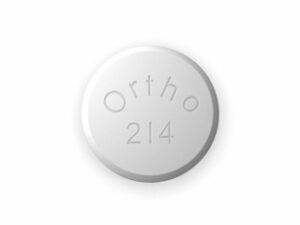
Fluconazole (Oral) — Patient Guide
Fluconazole is an antifungal medicine used to treat a range of fungal infections, including yeast infections and some other fungal diseases. This guide explains how fluconazole works, how it’s typically taken, what to watch for, and practical advice to help you use it safely and effectively in Australia.
Always follow the instructions on your medicine label and the advice of your healthcare professional.
Basic Product Information
- Generic name: Fluconazole
- Common forms: Capsules, tablets, or oral solution (availability may vary by brand and strength)
- Medicine class: Antifungal (triazole)
- How it’s taken: By mouth
- Common strengths: Vary by product (e.g., 50 mg, 100 mg, 150 mg, and others)
In Australia, fluconazole is widely available through pharmacy supply channels in different strengths. Specific brands and presentations can differ.
How Fluconazole Works (Mechanism of Action)
Fungi rely on a substance called ergosterol to build and maintain their cell membranes. Fluconazole works by blocking the production of ergosterol, which weakens the fungal cell membrane and disrupts fungal growth.
- Primary action: Inhibits an enzyme involved in ergosterol synthesis (commonly described as lanosterol 14α-demethylase).
- Result: Fungal cells become unable to function normally and are gradually killed or prevented from multiplying.
In many common yeast infections, the infection clears as fungal growth is stopped and the body removes remaining organisms.
Pharmacokinetics (How the Body Handles Fluconazole)
Understanding pharmacokinetics can help explain why dosing schedules are often simple (e.g., once daily) and why it has a relatively long duration of action.
- Absorption: Fluconazole is generally well absorbed after oral dosing. Food typically does not significantly reduce absorption.
- Distribution: It distributes throughout the body, including into skin and some body fluids. This helps it treat infections in different sites.
- Metabolism: A portion is metabolised in the liver.
- Elimination: Fluconazole is largely removed through the kidneys. Dose adjustments may be needed in kidney impairment.
- Half-life: Fluconazole has a long half-life, which supports less frequent dosing for many indications.
Practical takeaway: Because of its sustained presence in the body, missing one dose may not immediately stop effectiveness, but finishing the full course (as directed) is still important.
Typical Use and Indications
Fluconazole is used to treat infections caused by susceptible fungi (most commonly Candida and other yeast species). The appropriate use depends on the site of infection and the suspected organism.
Common Indications
- Vaginal candidiasis (thrush): Yeast infection of the vagina and vulva.
- Oropharyngeal candidiasis: Yeast infection in the mouth/throat.
- Oesophageal candidiasis: Yeast infection of the oesophagus (usually more serious).
- Invasive candidiasis: More severe systemic infections (requires specialist care).
- Cryptococcosis: A fungal infection that can involve the lungs or brain (requires specialist care).
- Dermatophyte or other fungal infections: In some cases, depending on the infection type and local guidance.
Not every fungal problem is suitable for fluconazole. Some infections may require different antifungals or additional evaluation (for example, if symptoms persist or worsen).
Timing: When and How to Take Fluconazole
Typical instructions vary by infection type and severity. A general approach for many uses is:
- Follow your label directions for dose and duration.
- Try to take it at the same time each day if you are on a multi-day course.
- Finish the full course even if you feel better early.
Missed Dose Guidance (General)
- If you miss a dose, take it when you remember unless it is close to the next scheduled dose.
- Do not take a double dose to catch up.
- If you’re unsure, check with a pharmacist for advice based on your schedule.
Note: Infections with longer treatment durations (e.g., some skin or nail infections) often require patience; improvement may be gradual.
Food Interactions
Fluconazole is generally not significantly affected by food. You can usually take it with or without food.
- If you experience nausea, taking it with a meal may improve comfort.
- Maintain normal hydration where possible, especially if you are unwell.
Tip: Consistency can help—choose the timing you find easiest to remember (with or without food) and stick with it.
Alcohol and Medicine Interactions
Fluconazole is metabolised partially in the liver. Alcohol may also affect the liver and can increase the likelihood of stomach upset or worsen side effects in some people.
Alcohol While Taking Fluconazole
- Best practice: Avoid or limit alcohol while taking fluconazole, especially if you have liver disease or experience nausea.
- Stop and seek advice: If you develop severe fatigue, yellowing of the eyes/skin, dark urine, or persistent vomiting, get medical advice promptly.
Drug–Drug Interactions (Alcohol is only one factor)
Fluconazole can interact with other medicines, sometimes by affecting how they are processed in the body. This can increase side effects or reduce effectiveness of other drugs.
Always check interactions before combining fluconazole with other medications. Tell your pharmacist about:
- All prescription medicines
- All over-the-counter medicines and supplements (including herbal products)
- Any previous antifungal treatments and past reactions
Medicine Interactions: Key Examples to Discuss
Interactions vary by the exact product, dose, and patient factors. The following are commonly discussed interaction categories with fluconazole:
Medicines That May Increase Risk of Side Effects
- Warfarin and other anticoagulants: Fluconazole can increase bleeding risk by affecting clotting parameters.
- Oral diabetes medicines (e.g., sulfonylureas): Can increase risk of low blood sugar in some situations.
- Some antiarrhythmics: May increase risk of rhythm changes.
- Some immunosuppressants: Blood levels can be affected, requiring monitoring.
- Some antihistamines or antipsychotics that affect heart rhythm: May increase risk of QT prolongation.
Medicines That May Reduce or Alter Fluconazole Levels
- Some antibiotics and anti-seizure medicines (depending on the specific drug) may affect antifungal levels.
- Herbal products (such as St John’s wort) can potentially alter antifungal effectiveness.
Action step: If you are taking multiple medicines, ask your pharmacist for an interaction check—this is especially important if you have kidney or liver conditions.
Dosing: Typical Adult Schedules (Examples)
Dosing depends on the infection type, severity, and your kidney/liver function. The following provides general examples commonly used in practice. Your label may differ.
| Condition (example) | Typical adult fluconazole regimen (general examples) | Notes |
|---|---|---|
| Vaginal yeast infection (uncomplicated) | Often a single dose (commonly 150 mg) or short course depending on local protocol | Symptoms usually improve within days; seek advice if not improving. |
| Oropharyngeal thrush | Typically taken once daily for a number of days | Oral hygiene and denture care may help prevent recurrence. |
| Oesophageal candidiasis | Typically taken once daily for a longer period | Often requires prompt medical assessment if swallowing is painful. |
| Skin fungal infections | Sometimes once daily for weeks (infection-specific) | Improvement may be gradual; follow course duration. |
| Nail infections | Often intermittent or prolonged courses (infection-specific) | Nails grow slowly—treatment may take months. |
Important: Do not choose a dose based solely on an online description. Confirm the dose and duration that match your situation with a healthcare professional or pharmacist.
Kidney and Liver Considerations
- Kidney impairment: Fluconazole is cleared mainly by the kidneys, so dose adjustments may be needed.
- Liver impairment: Fluconazole may affect liver enzymes; clinicians may use caution and monitor if appropriate.
Safety Profile: Side Effects and When to Get Help
Most people tolerate fluconazole well, but side effects can occur. Some are mild and self-limiting, while others require prompt medical attention.
Common Side Effects
- Nausea
- Headache
- Stomach discomfort
- Diarrhoea
- Rash (mild in some cases)
Less Common but Serious Risks
- Liver problems: Look out for yellowing of the skin/eyes (jaundice), dark urine, severe fatigue, or persistent upper abdominal pain.
- Allergic reaction: Swelling of the face/lips, breathing difficulty, or widespread rash with blistering.
- Heart rhythm effects: Rarely, antifungals in this class may contribute to QT prolongation—risk is higher with certain interacting medicines or existing heart conditions.
Seek Urgent Medical Advice If
- You develop signs of allergy (swelling, breathing difficulty, severe rash)
- You develop symptoms of liver injury (jaundice, dark urine, severe unexplained fatigue)
- You experience fainting, severe dizziness, or palpitations
Special Populations
- Pregnancy and breastfeeding: Fluconazole should be used only when appropriate for the situation; discuss risks and benefits with a healthcare professional.
- Children: Dosing is weight-based and depends on the infection; use only age-appropriate products and guidance.
- Older adults: Greater attention may be needed for kidney function and medication interactions.
Practical Use Tips (How to Get the Best Results)
- Take it as directed: Use the exact dose and schedule on your label.
- Don’t stop early: Even if symptoms improve, completing the recommended course helps reduce relapse.
- Support treatment: Maintain good hygiene, keep the area dry where relevant, and avoid irritants.
- Be mindful of recurrence: Repeated episodes may indicate contributing factors (e.g., diabetes, antibiotic use, immune conditions).
- Consider partner factors: For recurrent genital yeast infections, partners and sexual practices may be relevant—ask a clinician for advice.
- Keep track of symptoms: Note how long symptoms last, whether discharge/itching changes, and if pain worsens.
When to Reassess
Seek medical advice if:
- You don’t feel better after the expected timeframe
- Symptoms return quickly after treatment
- There is fever, pelvic pain, foul odour, or bleeding that is unusual for you
- You suspect a different condition (for example, sexually transmitted infections can mimic thrush)
Alternative Options for Fungal Infections
Depending on the infection type, alternatives may include other antifungal medicines. Your best option depends on the site, severity, and organism.
Common Alternatives (Examples)
- Topical antifungals: For some superficial vaginal or skin infections (e.g., clotrimazole, miconazole, nystatin—availability varies).
- Other oral antifungals: Such as itraconazole or terbinafine for certain fungal types.
- For severe or systemic disease: Specialist-led regimens may include amphotericin B or different combinations.
Why alternatives matter: Some fungi respond better to specific medicines. For example, terbinafine may be preferred for certain dermatophytes, while fluconazole is often used for yeast infections like Candida.
Market and Legal Context for Australia
In Australia, access to medicines is governed by the Therapeutic Goods Administration (TGA) and rules set by Australian states and territories. Fluconazole availability may differ across brands and formulations, and it may be subject to pharmacist supply policies depending on the product and strength.
Online pharmacy supply: When purchasing medicines through an online service, you should expect:
- Verification of your intended use and product suitability
- Pharmacist or system checks for allergies, interactions, and contraindications where relevant
- Instructions for safe use, including warnings and side effects
- Delivery estimates and packaging information
Important note: If your symptoms suggest a more serious condition, you may be advised to seek in-person assessment rather than self-treat.
Recent Guidance and Practical Updates
Guidance for antifungal use often emphasises:
- Accurate diagnosis (vaginal symptoms can overlap with other conditions)
- Appropriate duration to reduce relapse
- Attention to interactions (especially for people on anticoagulants or multiple medicines)
- Liver safety awareness for longer courses or higher-risk patients
Clinical recommendations can evolve as new evidence emerges. For the most up-to-date approach for your condition, a pharmacist or clinician can guide you.
Delivery and Availability (Australia)
Fluconazole is generally available in Australia through pharmacies and authorised channels. When ordering online, delivery options depend on the pharmacy service and stock availability.
What to Expect When Ordering Online
- Product verification: You may be asked to confirm product strength and form.
- Secure packaging: Medicines are typically packed to protect tablets/capsules or solution.
- Delivery timeframes: Vary by postcode and courier service; estimated times are usually shown at checkout.
- Temperature considerations: Follow storage instructions on the packaging (many solid oral forms do not require refrigeration).
Availability: If a specific strength isn’t in stock, a pharmacy may provide an alternative presentation (where appropriate) or notify you of restocking timelines.
Frequently Asked Questions (FAQ)
1) What is fluconazole used for?
Fluconazole is used to treat fungal infections, commonly Candida infections such as thrush in the mouth or vagina. It may also be used for more serious fungal infections depending on the situation.
2) How quickly will I feel better?
Many people notice symptom improvement within a few days, but full resolution may take longer depending on the infection site and severity. If there’s no improvement within the expected timeframe, seek advice.
3) Can I take fluconazole with food?
Yes. Fluconazole is generally not significantly affected by food. Taking it with food may help if you feel nauseous.
4) Is it safe to drink alcohol while on fluconazole?
It’s safest to limit alcohol or avoid it while taking fluconazole, particularly if you have liver conditions or experience side effects. Alcohol can worsen stomach upset and may increase strain on the liver.
5) What if I miss a dose?
Take it when you remember unless it’s near your next dose. Don’t take a double dose. If you’re unsure, ask a pharmacist for tailored advice based on your schedule.
6) Can fluconazole interact with other medicines?
Yes. Fluconazole can interact with several medicines, including anticoagulants like warfarin and some heart rhythm–affecting medicines. Tell your pharmacist about everything you take to help prevent problems.
7) What side effects should I watch for?
Common side effects include nausea and headache. Seek prompt medical advice if you develop rash that is severe, breathing difficulty, or symptoms of liver injury such as yellowing of the skin/eyes or dark urine.
8) Should I stop if I feel better?
No—unless advised otherwise. Finishing the recommended course helps reduce the chance of the infection returning.
9) Can fluconazole treat all fungal infections?
Not always. The correct antifungal depends on the fungus type and infection site. If symptoms persist, the diagnosis may need review.
10) Who should be extra careful with fluconazole?
Extra caution is needed if you have liver or kidney problems, take multiple medicines (especially blood thinners or heart rhythm medicines), are pregnant or breastfeeding, or have previously had allergic reactions to similar medicines.
Need help? If you’re unsure whether fluconazole is suitable for your symptoms or if you have questions about dosing, interactions, or side effects, consult a pharmacist for guidance.