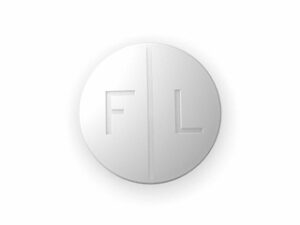


Fluvoxamine (Often Known as Fluvoxamine Maleate) — Patient Information for Australia
Fluvoxamine is a prescription medicine used mainly to treat certain anxiety disorders and obsessive-compulsive disorder (OCD). It belongs to a group of medicines called selective serotonin reuptake inhibitors (SSRIs). This page explains how fluvoxamine works, how it is typically taken, safety considerations, and practical tips to help you use it effectively.
Note: Information below is intended to help you understand the medicine in general terms. Always follow the directions given by your healthcare professional and read the consumer medicine information (CMI) supplied with your product.
Quick Overview
- Medicine: Fluvoxamine (commonly as fluvoxamine maleate)
- Group: SSRI (selective serotonin reuptake inhibitor)
- Main uses: OCD and certain anxiety-related conditions
- Common side effects: nausea, sleep changes, headache, increased sweating
- Time to benefit: some improvement may occur in 1–2 weeks; fuller benefit may take several weeks
- Key safety notes: serotonin syndrome risk (rare), withdrawal/discontinuation symptoms, interactions with other medicines
Basic Product Information
Fluvoxamine is a medicine available in tablet form (and in some markets may be available in different strengths or formulations). It helps balance serotonin activity in the brain, which can improve symptoms related to anxiety, intrusive thoughts, and compulsive behaviours.
In Australia, fluvoxamine products are regulated medicines and are supplied through appropriate healthcare pathways. Availability may vary by strength and brand, and your pharmacist can advise on the specific product you are using.
How Fluvoxamine Works (Mechanism of Action)
Fluvoxamine primarily works by affecting serotonin, a neurotransmitter involved in mood, anxiety regulation, sleep, appetite, and other brain functions. As an SSRI, fluvoxamine blocks the reuptake of serotonin at nerve synapses. This increases serotonin levels in brain pathways, which can help reduce:
- Intrusive thoughts and obsessional thinking
- Repetitive or compulsive behaviours
- Anxiety symptoms related to these conditions
Importantly, the brain needs time to adapt. That is why benefits often develop gradually rather than immediately.
Pharmacokinetics (How the Body Processes It)
Pharmacokinetics describes what the body does to the medicine—absorption, distribution, metabolism, and elimination. While individual results vary, the typical pattern includes:
- Absorption: After oral dosing, fluvoxamine is absorbed from the gastrointestinal tract.
- Peak concentration: Blood levels rise after dosing and typically reach a peak within a few hours (exact timing may vary).
- Metabolism: Fluvoxamine is extensively metabolised in the liver.
- Elimination: The metabolites are eliminated mainly via the kidneys and through bile.
- Steady state: With regular dosing, it can take about a week or two to reach steady blood levels (varies by person).
Because fluvoxamine is metabolised in the liver, liver impairment may require extra caution and dose adjustments guided by your clinician.
Typical Uses and Indications
Fluvoxamine is most commonly used for:
- Obsessive-Compulsive Disorder (OCD) — to reduce obsessional thoughts and compulsions.
- Some anxiety-related conditions — depending on local prescribing practices and individual suitability.
If you are using fluvoxamine for anxiety or OCD symptoms, it is often part of a broader treatment plan, which may include psychological therapy (for example, cognitive behavioural therapy with exposure and response prevention for OCD).
Timing: When and How to Take It
Timing depends on your prescribed regimen and how you respond to side effects such as sleepiness or nausea. Common practical guidance includes:
- Once daily or divided dosing: Some people take it once daily; others may be advised to divide doses (commonly to improve tolerability).
- Consistency: Take it at the same time(s) each day to maintain steady levels.
- Best time for side effects: If fluvoxamine makes you drowsy, your clinician may suggest taking it in the evening. If it disrupts sleep, morning dosing may be considered. Follow your clinician’s advice.
- Give it time: Improvements can be gradual. Don’t stop early because effects aren’t immediate.
If you miss a dose: Take it when you remember unless it is close to the next dose. Do not take a double dose to catch up. If you are unsure, ask your pharmacist.
Dosing: What’s Typical?
Dosing varies by condition, age, and tolerability. A clinician will tailor the dose to your needs and may increase slowly to reduce side effects. The information below provides general context and does not replace personalised directions.
General principles
- Start low, go slow: Many patients begin with a lower dose to minimise nausea, sleep disturbances, or agitation.
- Gradual titration: The dose is often increased over days to weeks based on response and side effects.
- Treatment duration: OCD and anxiety-related conditions usually require longer-term treatment. Your clinician will review progress periodically.
Typical dosing pattern (overview)
Fluvoxamine dosing commonly falls within a daily range that is condition-dependent. For some patients, dosing may be split across the day. Your pharmacist or prescribing clinician will provide the exact strength and schedule for your situation.
Important: Do not change the dose or stop suddenly without medical guidance. Stopping abruptly can cause discontinuation symptoms in some people.
Food Interactions and Taking With Meals
Fluvoxamine can generally be taken with or without food. However, food may influence how you feel after taking it, particularly if you experience nausea.
- If you feel nauseated: Taking fluvoxamine with a meal or after food may help.
- Maintain routine: Using a consistent approach (with or without food) can improve tolerability.
If you notice persistent gastrointestinal discomfort, speak with your pharmacist or doctor—dose timing or titration adjustments may be possible.
Alcohol Interactions
It’s best to limit alcohol while taking fluvoxamine. While alcohol does not always produce a specific pharmacological “reaction” in the same way as some other medicine combinations, it may:
- Worsen dizziness or drowsiness
- Increase nausea
- Reduce concentration and overall functioning
- Make anxiety or mood symptoms harder to manage
If you choose to drink alcohol, keep it minimal and monitor how you feel. Seek advice if you have concerns about alcohol use or if alcohol worsens symptoms.
Medicine Interactions (Including Common Ones)
Fluvoxamine has important interactions because it affects liver enzymes involved in drug metabolism. This can raise or lower blood levels of other medicines, increasing side effect risk or reducing effectiveness.
Examples of interaction categories to discuss with your pharmacist/doctor
- Other serotonergic medicines: Some antidepressants, migraine medicines (triptans), linezolid, and certain other agents can increase the risk of serotonin syndrome.
- MAO inhibitors: This combination is generally not used due to serious risk.
- Other SSRIs/SNRIs: Combining serotonergic antidepressants may increase adverse effects.
- Antipsychotics and some sedatives: May increase sedation or other side effects depending on the specific medicine.
- Warfarin and other anticoagulants/antiplatelets: SSRIs can increase bleeding risk; monitoring may be needed.
- Non-steroidal anti-inflammatory drugs (NSAIDs): May increase bleeding tendency in some people when combined with SSRIs.
- Some heart rhythm medicines: Potential for altered blood levels or rhythm risk; individual assessment is needed.
- Certain antiepileptics: Interaction potential exists; dosing may require review.
- Smoking (tobacco): Smoking can affect liver enzyme activity and may alter levels of some antidepressants. Discuss changes in smoking habits.
Herbal and “natural” products
Be cautious with herbal products—especially St John’s wort (Hypericum perforatum) and other serotonergic supplements—since they can increase serotonergic effects and interactions.
Always tell your healthcare team
Provide a complete list of medicines and supplements you use, including over-the-counter products (for example, cough/cold preparations), vitamins, and herbal products. This helps avoid avoidable interaction problems.
Safety Profile: What to Watch For
Like all medicines, fluvoxamine can cause side effects. Many are mild and improve after the first couple of weeks. However, some effects require urgent attention.
Common side effects
- Nausea or upset stomach
- Headache
- Sleep changes (insomnia or sleepiness)
- Increased sweating
- Dizziness
- Tremor (in some people)
- Fatigue
- Sexual side effects (reduced libido, difficulty reaching orgasm)
Less common but important risks
- Serotonin syndrome (rare, serious): Symptoms may include agitation, confusion, fever, sweating, fast heart rate, tremor, muscle stiffness, and diarrhoea.
- Discontinuation symptoms: Stopping suddenly can lead to dizziness, irritability, nausea, “electric shock” sensations, and sleep disturbance.
- Bleeding risk: SSRIs can increase the risk of bleeding, especially with other medicines that affect clotting.
- Low sodium (hyponatraemia): Rarely, SSRIs can reduce blood sodium levels, causing headache, confusion, weakness, or severe symptoms.
- Mania/hypomania activation: In susceptible individuals, antidepressants may trigger mood elevation.
- Suicidal thoughts in some young people: Any antidepressant may be associated with increased risk of suicidal thinking early in treatment—close monitoring is important.
Seek urgent medical help if
- You suspect serotonin syndrome
- You experience severe allergic reaction (swelling of face/lips, trouble breathing, rash)
- You have unusual bleeding (such as vomiting blood, black/tarry stools, or severe unexplained bruising)
- You develop signs of severe hyponatraemia (confusion, fainting, seizures)
Practical Use Tips (How to Get the Best Results)
- Start and titrate carefully: Follow the slow dose build recommended by your clinician to improve tolerability.
- Track symptoms: Consider noting OCD/anxiety severity weekly (sleep, intrusive thoughts, compulsions) to measure progress.
- Expect gradual improvement: It may take several weeks for full effect, especially for OCD.
- Don’t stop abruptly: If you want to stop or switch, ask about a gradual taper plan.
- Be consistent with dosing: Missing doses can reduce effectiveness and increase side effects from fluctuating levels.
- Manage nausea: Taking with food, staying hydrated, and discussing dose timing can help.
- Watch sleep: If sleep worsens, report it early—adjusting timing may help.
- Use therapy alongside medication: For OCD, structured psychological therapies can significantly improve outcomes.
Alcohol, Driving, and Everyday Safety
Fluvoxamine may cause dizziness or sleepiness in some people, particularly when starting or after dose increases. Until you know how it affects you:
- Avoid driving or operating machinery if you feel drowsy or unsteady.
- Be cautious with activities requiring full attention.
- Discuss any safety concerns with your pharmacist or doctor.
Alternative Options (Depending on Your Condition)
If fluvoxamine isn’t suitable, there may be other treatment options. Alternatives depend on your diagnosis, past response, other medical conditions, and potential drug interactions.
Other medicine options
- Other SSRIs: Some people are treated with different SSRIs that may be better tolerated for their situation.
- Other antidepressant classes: In some cases, an SNRI or other agent may be considered.
- Combination strategies: Some patients benefit from combining medication with evidence-based therapy.
Non-medicine options
- CBT for anxiety (and for OCD, ERP—exposure and response prevention)
- Mindfulness-based strategies (as adjuncts)
- Lifestyle approaches: regular sleep routine, stress reduction, and consistent daily activities
Speak with your healthcare professional about the most appropriate alternative based on your symptoms and medical history.
Recent Guidance and Monitoring (Australia Context)
In Australia, antidepressant use—including SSRIs—typically involves clinical monitoring for symptom changes and side effects. Guidance often emphasises:
- Early follow-up: reviewing tolerability and mental health status soon after starting or adjusting dose
- Risk awareness: monitoring for activation of symptoms (such as agitation) or mood changes
- Benefit assessment over time: evaluating whether the medicine is improving symptoms and whether dose adjustments are needed
- OCD-specific care: pairing medication with appropriate psychological therapy when possible
Your clinician may also monitor relevant factors such as blood pressure, sleep pattern, bleeding risk (if on anticoagulants/NSAIDs), and any symptoms suggesting serotonin-related adverse effects.
Market and Legal Information for Australia
Fluvoxamine is regulated under Australian medicines legislation and is supplied according to healthcare requirements. Depending on the product, it may be listed on the Australian Register of Therapeutic Goods (ARTG) and dispensed through authorised channels.
Availability and brand presentation may vary across Australian states and territories. Your pharmacist can confirm stock status for the specific strength and formulation you need.
Delivery and Availability (Online Pharmacy)
Online pharmacies may offer delivery across Australia (where permitted). Availability can depend on local stock, product strength, and formulation.
- Check current stock: Drug supply can change; confirming availability before ordering can prevent delays.
- Delivery timeframes: These vary by postcode and courier service. Your order confirmation typically provides an estimated delivery window.
- Packaging: Medicines are usually delivered in protective packaging to maintain integrity.
- Storage: Follow the storage instructions on the label (commonly “store below 25°C” unless otherwise specified).
- Keep out of reach of children: Store safely as directed on the packaging.
If you require the medicine urgently or have concerns about timely access, contact the pharmacy to discuss dispatch options and substitutes (if clinically appropriate).
Comparison Table: Key Patient Considerations
| Topic | What to know about Fluvoxamine |
|---|---|
| Primary use | OCD and certain anxiety-related conditions |
| How it helps | SSRI action increases serotonin signalling |
| When you may feel better | Some improvement can occur in 1–2 weeks; full benefit may take several weeks |
| With food | Usually can be taken with or without food; with meals may reduce nausea |
| Alcohol | Limit alcohol; it may worsen side effects and anxiety/mood symptoms |
| Common side effects | Nausea, headache, sleep changes, increased sweating, fatigue |
| Important risks | Serotonin syndrome (rare), discontinuation symptoms, bleeding risk |
| Interactions | Potential interactions with other serotonergic drugs, anticoagulants, NSAIDs, and some liver-metabolised medicines |
| Stopping | Do not stop abruptly; tapering may reduce discontinuation symptoms |
Frequently Asked Questions (FAQ)
1) How long does fluvoxamine take to work?
Many people notice early changes within 1–2 weeks, but for OCD and anxiety symptoms, fuller benefit may take several weeks. Your clinician may adjust the dose based on response and side effects.
2) Should I take fluvoxamine in the morning or at night?
It depends on how it affects your sleep and daily routine. If it causes drowsiness, evening dosing may be preferred; if it disrupts sleep, morning dosing may be better. Follow your prescribed instructions.
3) Can I take fluvoxamine with food?
Yes, it can generally be taken with or without food. If nausea occurs, taking it with meals may help.
4) What should I do if I miss a dose?
Take it as soon as you remember unless it’s close to your next dose. Do not take a double dose. If you’re unsure, ask your pharmacist for guidance.
5) Are there foods or drinks I must avoid?
There are no strict food restrictions for fluvoxamine for most people. Alcohol should be limited. If you have dietary concerns (such as significant changes in intake), discuss with your healthcare team.
6) Can I drink alcohol while on fluvoxamine?
It’s best to limit alcohol because it may increase side effects like dizziness and can worsen anxiety or mood. If you do drink, do so cautiously and monitor your response.
7) What interactions are the most important?
Interactions can occur with medicines that affect serotonin, bleeding risk, or liver metabolism. Examples of categories include MAO inhibitors, other serotonergic drugs, anticoagulants, and NSAIDs. Always provide a full list of medicines and supplements to your pharmacist.
8) What are discontinuation symptoms and how do I avoid them?
Discontinuation symptoms can occur if fluvoxamine is stopped suddenly. Symptoms may include dizziness, irritability, nausea, “electric shock” sensations, and sleep disturbance. Tapering with clinician guidance can reduce this risk.
9) Can fluvoxamine affect my sleep?
Yes. Some people experience insomnia; others feel drowsy. Early in treatment, this may settle, but if sleep problems persist, discuss timing or dose adjustments with your clinician.
10) When should I seek urgent help?
Seek urgent medical help if you develop symptoms suggestive of serotonin syndrome (agitation, confusion, fever, sweating, tremor, severe muscle stiffness), a serious allergic reaction, severe unusual bleeding, or seizure-like symptoms.
Summary
Fluvoxamine is an SSRI used primarily for OCD and some anxiety-related conditions. It works by increasing serotonin activity in the brain and is typically introduced gradually to improve tolerability. Benefits often develop over weeks, and consistent daily dosing matters.
When taking fluvoxamine, be mindful of common side effects (such as nausea and sleep changes), important safety signals (including rare serotonin syndrome and bleeding risk), and potential interactions with other medicines and alcohol. If you have questions about your specific regimen, side effects, or how to manage missed doses, your pharmacist is a helpful first point of contact.