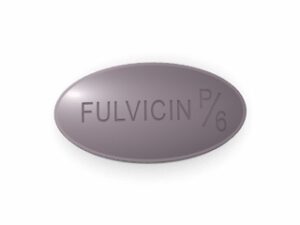
Gresiofulvin (Griseofulvin) – Patient Information (Australia)
Gresiofulvin (also known by the generic name griseofulvin) is an antifungal medicine used to treat certain fungal infections of the skin, hair and nails. It has been used for many years and is still a valuable option in specific situations, particularly for dermatophyte (tinea) infections.
This page is designed to help you understand how Gresiofulvin works, how it’s usually taken, and what to consider for safety and everyday life. Always follow the directions provided with your product and any clinical advice you receive.
Basic product information
- Medicine name: Gresiofulvin
- Generic name: Griseofulvin
- Medicinal use: Antifungal treatment for certain skin, hair and nail infections
- Common condition types: Dermatophyte infections (often called tinea or “ringworm”)
- Typical forms: Tablets or capsules (brand/form may vary by product)
- Key consideration: Treatment courses can be long, especially for nail infections
How Gresiofulvin works (mechanism of action)
Fungi like dermatophytes rely on their ability to grow and divide by building stable structures inside their cells. Gresiofulvin works by interfering with fungal cell division and growth.
In simple terms, Gresiofulvin:
- Disrupts fungal growth by binding to fungal structures involved in cell replication.
- Helps clear infection by gradually replacing infected skin/hair/nail cells with healthy cells as the affected area grows out.
Important: Because the infection is treated by replacing affected tissues as they grow, improvement can take time. With nails and some scalp infections, it may take weeks to months to fully resolve.
Pharmacokinetics (how the body handles it)
Absorption: Gresiofulvin is absorbed from the gastrointestinal tract. Absorption can be improved by taking it with food (especially meals that contain fat), though follow your product’s instructions.
Distribution: It distributes into tissues including the skin, hair and nails—the places where dermatophyte infections occur.
Onset of action: Clinical improvement typically occurs after enough time for the affected tissue to regenerate and for fungal activity to decrease.
Metabolism and elimination: Like many antifungals, griseofulvin is processed by the liver and eliminated mainly through the body’s normal clearance pathways.
Practical takeaway: Consistent daily dosing and adequate duration are essential. Missing doses or stopping early can lead to persistent infection or recurrence.
Typical use and timing
Gresiofulvin is commonly used for:
- Skin fungal infections caused by dermatophytes (tinea corporis, tinea cruris, etc.)
- Scalp infections (tinea capitis), particularly when other treatments are unsuitable
- Nail infections (onychomycosis) due to dermatophytes
Timing of improvement:
- Skin: Some improvement is often noticed within the first couple of weeks, but treatment must usually continue to prevent relapse.
- Scalp: May take several weeks to show clear improvement.
- Nails: Often requires months because nails grow slowly.
Consistency matters: Take Gresiofulvin at the same time each day. If you miss a dose, follow the product guidance or seek advice from your pharmacist.
Food interactions and taking Gresiofulvin
Food can influence how well griseofulvin is absorbed. In many cases, taking it with or shortly after meals improves absorption and overall effectiveness.
General patient tips:
- Take with a meal if your label or pharmacist advises this.
- Avoid skipping meals where possible.
- Keep your usual routine stable (same time of day, similar meal pattern).
Alcohol and eating: Alcohol can increase the risk of side effects for some people (see below). If you drink alcohol, discuss safe limits with your pharmacist.
Alcohol and medicine interactions
Alcohol: While moderate alcohol may not be strictly prohibited for everyone, alcohol can increase the risk of side effects such as:
- Stomach irritation
- Dizziness or impaired concentration
- Increased strain on the liver (relevant because griseofulvin can affect liver function in some people)
Medicine interactions: Gresiofulvin can interact with other medicines because it can affect liver enzymes involved in drug metabolism. This may change how quickly other medicines leave your body, potentially reducing effectiveness or increasing side effects.
Examples of medicine classes that may be affected include (not exhaustive):
- Hormonal contraceptives (including the pill): effectiveness may be reduced.
- Warfarin and other anticoagulants: monitoring may be needed.
- Some anti-seizure medications: dosing adjustments may be required.
- Certain immunosuppressants: interactions may occur.
- Some antibiotics/antifungals: combined effects and metabolism can change.
Always check: Tell your pharmacist about every medicine you take, including non-prescription products, vitamins, herbal supplements and occasional treatments.
Indications (when Gresiofulvin is used)
Gresiofulvin is indicated for certain dermatophyte infections, which are fungal infections that typically affect keratin-containing tissues.
Common indications include:
- Tinea (ringworm) infections of skin and related areas caused by susceptible dermatophytes.
- Tinea capitis (scalp dermatophyte infection) in appropriate cases.
- Onychomycosis (fungal nail infection) caused by dermatophytes, particularly where other options are not suitable.
Note: Not all fungal infections respond to griseofulvin. For example, some yeasts and many other fungi require different antifungal medicines.
Dosing – what is typical
Dosing depends on: the infection site, the person’s age and weight, the severity of illness, and the specific product strength/form.
Because dosing schedules can vary, the most accurate dose is the one written on your product label or provided by your healthcare professional.
General patient-friendly guidance:
- Gresiofulvin is usually taken once daily or in divided doses depending on the product.
- For many conditions, treatment is continued for long enough to allow healthy tissue to replace infected tissue.
Common duration patterns:
- Skin infections: often several weeks.
- Scalp infections: often several weeks; sometimes longer.
- Nail infections: often many months due to slow nail growth.
If you’re unsure about your dosing schedule: contact your pharmacist or check the leaflet included with your medication.
Safety profile – side effects and when to seek help
Like all medicines, Gresiofulvin can cause side effects. Many are mild, but some require urgent attention.
Common side effects
- Headache
- Gastrointestinal symptoms such as nausea, stomach upset or diarrhoea
- Dizziness
- Rash or skin sensitivity
- Fatigue
Serious but less common effects (seek medical help urgently)
Contact a healthcare professional urgently (or seek emergency care) if you experience signs of a serious reaction, including:
- Allergic reaction (swelling of face/lips, difficulty breathing, widespread hives)
- Severe skin rash, blistering or peeling skin
- Symptoms suggesting liver problems such as yellowing of the eyes/skin (jaundice), dark urine, severe tiredness, persistent nausea/vomiting, or pain in the upper right abdomen
- Unusual bruising or bleeding
- Persistent fever or symptoms that feel rapidly worsening
Driving and machinery
Because dizziness or similar effects can occur in some people, use caution when driving or operating machinery until you know how Gresiofulvin affects you.
Practical use tips (to improve success)
Fungal infections can be stubborn, and medicines are only one part of treatment. These practical steps can improve outcomes:
- Finish the full course even if you feel better early.
- Take daily doses reliably at the same time each day.
- Keep the area clean and dry, especially for groin/foot infections.
- Wash bedding and towels regularly if advised, and avoid sharing towels.
- Check the whole household if symptoms recur (athletes’ foot and scalp infections can spread between people).
- Wear breathable footwear and change socks frequently.
- Don’t share combs or hair tools for scalp infections.
- Track progress: photos or notes can help you see improvement over time.
Nail infection care: Nails grow slowly. Keeping nails trimmed and following hygiene advice can reduce fungal burden and support treatment success.
Alternative options for fungal infections
Depending on the type of fungus, location, and severity, other antifungal options may be suitable. Your pharmacist can help discuss what’s appropriate for your specific situation.
Topical options (often for limited skin infections)
- Antifungal creams/ointments (e.g., azoles such as clotrimazole or similar agents)
- Other topical antifungals (depending on availability and the diagnosis)
Oral options (for more extensive disease, scalp, or certain nail infections)
- Terbinafine (often used for dermatophyte infections, depending on local prescribing practices)
- Itraconazole (in some cases of onychomycosis, depending on the cause)
- Fluconazole (more often used for certain fungal types and clinical scenarios)
Why alternatives exist: Different antifungals target different fungal organisms and may have different dosing schedules, interaction profiles and side-effect risks.
Important: The “best” choice depends on where the infection is, the suspected fungus, and your personal medicine history. Don’t switch treatments without advice.
Market and legal context for Australia
In Australia, medicines are regulated under the Australian regulatory framework administered by TGA (Therapeutic Goods Administration). The availability of specific brands and formulations depends on registration status and approved indications.
Online pharmacies operating in Australia generally provide medicines in line with relevant state and territory rules, National Privacy Principles, and requirements for safe supply. Patient counselling and verification of suitability (including interactions and safety checks) are important parts of the dispensing process.
Brand availability: The product brand “Gresiofulvin” may not always be available in every online pharmacy at all times. Stock levels can vary due to supply chain factors.
Recent guidance and clinical considerations
While individual treatment plans are made by healthcare professionals, current practice generally emphasises the following principles when treating dermatophyte infections:
- Correct diagnosis (confirm the infection type and location, and avoid treating the wrong condition with the wrong medicine).
- Appropriate duration (fungal infections require time; stopping early can lead to relapse).
- Assessment of drug interactions (especially where patients take multiple medicines).
- Monitoring for adverse effects when risk factors exist (for example, liver-related symptoms).
If you have had previous fungal infections, recurrent disease, or treatment failure, it’s worth discussing whether your condition may be resistant, misdiagnosed, or complicated by another factor (e.g., mixed fungal species).
Delivery and availability (online pharmacy)
Delivery availability can vary by pharmacy and location within Australia. Typical service features may include:
- Home delivery via courier or standard post
- Tracking for dispatched orders
- Discreet packaging
Stock checks: If Gresiofulvin is temporarily out of stock, the pharmacy may offer an equivalent product (same active ingredient and strength) or an alternative antifungal option, depending on what is appropriate.
Delivery timing: Delivery time depends on the dispatch schedule, couriers, and your address. You’ll usually receive updates when your order is confirmed and shipped.
FAQ – Gresiofulvin (Griseofulvin)
1) What is Gresiofulvin used for?
Gresiofulvin is an antifungal used for certain dermatophyte infections, such as ringworm (tinea) affecting the skin, scalp infections, and some nail fungal infections.
2) How long will I need to take it?
It depends on the infection site and severity. Skin infections may take weeks, scalp infections may take longer, and nail infections often require months because nails grow slowly.
3) When should I expect to feel better?
Some improvement may be noticed within the first couple of weeks for skin infections, but complete clearance—especially for nails and scalp—can take much longer. Continue taking the medication as directed.
4) Should I take it with food?
In many cases, taking Gresiofulvin with a meal can improve absorption. Follow the instructions on your product label or advice from your pharmacist.
5) Can I drink alcohol while taking Gresiofulvin?
Alcohol isn’t necessarily universally prohibited, but it may increase side effects and potentially adds strain in people at risk of liver issues. If you choose to drink, discuss safety and limits with your pharmacist.
6) What medicines interact with griseofulvin?
Gresiofulvin can interact with other medicines because it may affect liver metabolism. Interactions can include hormonal contraceptives, anticoagulants like warfarin, some seizure medicines, and other drugs. Always tell your pharmacist all medicines and supplements you use.
7) What if I miss a dose?
Follow the guidance provided with your medicine. In general, if you remember soon after, take it when you can—unless it’s close to the next dose. Don’t double up. Ask your pharmacist if you’re unsure.
8) Are there warning signs I should watch for?
Seek urgent medical advice if you develop severe rash, breathing difficulties, swelling, yellowing of the eyes/skin, dark urine, severe persistent nausea/vomiting, or signs of allergic reaction.
9) Can I use topical antifungal treatments alongside it?
Sometimes yes. Topical antifungals may be used in addition to oral treatment depending on the infection type. Ask your pharmacist for a plan that fits your diagnosis.
10) What if the infection doesn’t improve?
If there’s little or no improvement after a reasonable time (or if it worsens), your diagnosis may need re-checking. Fungal infections can sometimes mimic other skin conditions. Contact your pharmacist or clinician for review.
Quick reference – key points at a glance
| Topic | What to remember |
|---|---|
| What it treats | Dermatophyte (tinea) infections of skin, scalp and sometimes nails |
| How it works | Stops fungal growth; healthy tissue replaces infected tissue over time |
| How to take | Usually once daily or as directed; often better absorbed with food |
| How long | Often weeks for skin/scalp; months for nails |
| Alcohol | Use caution; may increase side effects and liver-related risk in some people |
| Interactions | Can interact with multiple medicines—check all medicines and supplements |
| Safety warning signs | Seek urgent care for severe rash, breathing/swelling, jaundice or serious illness |
Still have questions? If you’re unsure whether Gresiofulvin is right for your infection type, or you want help reviewing possible interactions with your current medicines, speak with your pharmacist before starting.