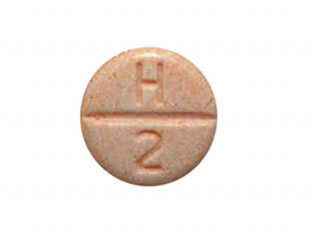


Hydrochlorothiazide (HCTZ) – Patient Guide (Australia)
Hydrochlorothiazide is a well-established medicine used to treat fluid retention and help lower blood pressure. It belongs to a group of medicines called thiazide diuretics (“water tablets”). In many people, hydrochlorothiazide is an effective, long-term option—especially when lifestyle measures (like reducing salt intake and staying active) are also followed.
This guide explains how hydrochlorothiazide works, how it is used, what to expect, and how to take it safely. It also covers important interactions, practical tips, and common questions relevant to people in Australia.
Basic product information
| Information | Details |
|---|---|
| Generic name | Hydrochlorothiazide (HCTZ) |
| Medicine class | Thiazide diuretic (water tablet) |
| Common forms | Tablets (strengths vary by brand and manufacturer) |
| Typical use cases | High blood pressure; fluid retention (oedema) in selected conditions |
| Key effects | Helps the kidneys remove excess water and sodium; lowers blood pressure |
Note: Brand names and strengths can vary. Always follow the instructions provided with your specific product and by your healthcare professional.
How hydrochlorothiazide works (mechanism of action)
Hydrochlorothiazide helps reduce fluid build-up and lowers blood pressure primarily by acting on the kidneys.
- Diuretic effect: It blocks sodium and chloride reabsorption in a part of the kidney called the distal convoluted tubule. This increases the amount of sodium (and water) that leaves the body in urine.
- Blood pressure lowering: Over time, reduced fluid volume and changes in blood vessel tone help lower blood pressure.
- Electrolyte changes: Because it affects salt handling, hydrochlorothiazide can lower levels of potassium and sodium and can affect magnesium.
Some people notice an increase in urination shortly after taking the dose. However, blood pressure benefits may take days to weeks to become fully established.
Pharmacokinetics (how the body processes it)
Pharmacokinetics describes how the body absorbs, distributes, metabolises, and excretes a medicine.
- Absorption: Hydrochlorothiazide is absorbed from the gastrointestinal tract after oral dosing.
- Distribution: It circulates in the bloodstream and reaches sites of action in the kidneys.
- Metabolism: It is not extensively metabolised in the body.
- Elimination: Most of the medicine is excreted via the kidneys, mainly unchanged.
- Duration: The duration of effect is dose- and individual-dependent.
Because clearance relies on kidney function, dosing and monitoring may be adjusted in people with kidney impairment.
Typical uses (indications)
Hydrochlorothiazide is commonly used for:
- High blood pressure (hypertension): Often as part of a treatment plan that may include lifestyle changes and sometimes other blood pressure medicines.
- Fluid retention (oedema): May be used in selected conditions where fluid balance needs support, as directed by a clinician.
- Combination therapy: Hydrochlorothiazide is sometimes used together with other antihypertensive medicines to improve control.
What it is used for specifically depends on your medical history and your clinician’s assessment.
How and when to take hydrochlorothiazide (timing)
Timing can make a big difference in comfort and adherence, mainly because hydrochlorothiazide can increase urination.
- Morning is usually preferred: Many people take hydrochlorothiazide in the morning to reduce night-time bathroom trips.
- With or without food: It can generally be taken with or without meals. Choose the routine that helps you remember.
- Consistency matters: Take it at the same time each day if possible.
- Don’t double up: If you miss a dose, follow the advice in your medicine instructions. In general, do not take extra to make up for a missed dose unless told to do so.
Practical note: If you experience frequent urination soon after dosing, taking it earlier in the day often improves sleep.
Dosing information (general guidance)
Dosing varies depending on the condition being treated, your age, kidney function, and other medicines. Only your healthcare professional can determine the most appropriate dose for you.
- Adults: Doses are individualised. Some people start on a lower dose and may be adjusted based on blood pressure and blood test results (such as electrolytes).
- Kidney function considerations: If kidney function is reduced, hydrochlorothiazide may be less effective and may require different monitoring.
- Combination therapy: If taken with other medicines, dose adjustments may be needed to reduce the risk of electrolyte disturbances or low blood pressure.
Important: Always follow your specific prescription directions and the product label. If you’re unsure about your dose schedule, contact your pharmacist or clinician.
Food interactions and what to watch
Hydrochlorothiazide can be affected by dietary habits, particularly regarding salt (sodium) and electrolytes.
- Salt intake: Large changes in dietary salt can influence blood pressure and fluid balance. Many people are advised to limit high-salt foods.
- Electrolyte balance: Because hydrochlorothiazide can reduce potassium, a clinician may recommend dietary potassium or an additional medicine if appropriate.
- Grapefruit and citrus: Unlike some other medicines, grapefruit is not a major known interaction driver for hydrochlorothiazide; however, any significant dietary changes should be discussed with a healthcare professional.
- Consistency: Keep your diet and salt habits relatively consistent so your blood pressure response is predictable.
If you are at risk of low potassium or low sodium—or you have diabetes or kidney disease—your clinician may request periodic blood tests.
Alcohol interactions
Alcohol can amplify some effects of hydrochlorothiazide, particularly:
- Low blood pressure (hypotension): Alcohol may further lower blood pressure, increasing dizziness or light-headedness.
- Dehydration: Both alcohol and diuretics can contribute to fluid loss, especially with heavy drinking.
- Safety concerns: If you feel faint or dizzy, avoid driving or operating machinery until you feel steady.
Practical advice: If you choose to drink alcohol, do so in moderation and monitor how you feel, particularly when you first start hydrochlorothiazide or after dose changes.
Medicine interactions (important)
Hydrochlorothiazide can interact with other medicines, mainly because it changes electrolyte levels (especially potassium and sodium) and affects kidney handling of some drugs.
Medicines that may affect potassium levels
- Other diuretics or medicines that lower potassium: may increase the risk of low potassium.
- Corticosteroids (e.g., prednisone): may increase potassium loss.
- Laxatives (especially when overused): can worsen potassium depletion.
- Some laxatives and herbal products containing senna or similar stimulants may increase electrolyte changes. Ask your pharmacist for advice.
Medicines affected by changes in blood electrolytes
- Digoxin: Low potassium can increase the risk of digoxin-related side effects.
- Antiarrhythmics (heart rhythm medicines): low potassium can increase risk of rhythm disturbances.
Blood pressure and kidney-effect interactions
- Other antihypertensive medicines (ACE inhibitors, ARBs, calcium channel blockers, etc.): can increase the risk of low blood pressure when combined, though this is sometimes desired under monitoring.
- Non-steroidal anti-inflammatory drugs (NSAIDs) (e.g., ibuprofen, naproxen): may reduce diuretic effect and can affect kidney function, especially in older adults or those who are dehydrated.
Diabetes medicines
- Diabetes medicines: Thiazides can sometimes slightly raise blood glucose, potentially affecting diabetes control.
Lithium
- Lithium levels can rise when combined with diuretics, increasing toxicity risk. This combination requires close medical supervision.
Medicines that increase dehydration risk
- Other causes of dehydration (vomiting, diarrhoea, excessive heat, strenuous activity without fluids) can increase the chance of kidney strain and electrolyte imbalance.
Always tell your pharmacist about all medicines you take, including over-the-counter products, vitamins, herbal supplements, and occasional pain relief. This helps prevent avoidable interactions.
Safety profile and side effects
Like all medicines, hydrochlorothiazide can cause side effects. Many people experience mild effects, while others need additional monitoring or dose changes.
Common or expected effects
- Increased urination (especially after the first doses)
- Thirst or mild dehydration symptoms if fluid intake is inadequate
- Mild dizziness, particularly when standing up quickly (especially early in treatment or after dose changes)
Electrolyte-related effects (important)
- Low potassium (hypokalaemia): muscle weakness, cramps, tiredness, abnormal heart rhythm in severe cases
- Low sodium (hyponatraemia): headache, confusion, severe fatigue (more serious in some people)
- Low magnesium: may contribute to cramps or rhythm problems
- High uric acid (hyperuricaemia): may trigger gout attacks in susceptible individuals
Less common but serious warning symptoms
Seek urgent medical help if you experience:
- Severe dizziness, fainting, or signs of major low blood pressure
- Palpitations, severe muscle weakness, or confusion
- Signs of an allergic reaction (swelling of face/lips, rash, difficulty breathing)
- Severe or persistent vomiting/diarrhoea or inability to keep fluids down
Who needs extra caution
- Older adults (higher risk of dehydration and electrolyte imbalance)
- People with kidney impairment
- People with a history of gout or electrolyte disorders
- People with diabetes (monitoring of blood glucose may be needed)
Practical use tips (how to get the best results safely)
- Monitor your blood pressure: If you have a home blood pressure monitor, record readings at the same time each day, especially during dose changes.
- Stay hydrated—but follow your clinician’s advice: If you have fluid restrictions due to heart failure or kidney disease, follow those instructions rather than drinking freely.
- Be cautious in hot weather: Heat can increase dehydration risk. Aim for adequate fluid intake within your allowed limits.
- Get blood tests as advised: Monitoring electrolytes (sodium, potassium) and kidney function is common, particularly after starting or adjusting the dose.
- Stand up slowly: If you feel light-headed, move slowly from lying or sitting to standing.
- Report gout symptoms early: If you notice painful, swollen joints—especially the big toe—contact your clinician promptly.
Recent guidance & monitoring considerations (Australia)
In Australia, ongoing clinical practice for thiazide diuretics generally emphasises:
- Routine electrolyte and kidney function monitoring: especially during initiation, dose changes, and in higher-risk groups.
- Reviewing medicine lists: to identify interacting drugs (NSAIDs, lithium, potassium-affecting medicines).
- Individualised blood pressure targets: based on age, comorbidities, and overall cardiovascular risk.
- Hydration and “sick day” planning: many clinicians advise temporary extra caution during vomiting/diarrhoea or severe illness to reduce kidney and electrolyte complications. Follow the specific advice you receive.
Tip: Keep a medication schedule and ask your pharmacist if you have a “sick day” plan tailored to your situation.
Alternative options
If hydrochlorothiazide isn’t suitable—or if side effects occur—there are alternative approaches depending on your condition and health profile.
Other diuretics
- Chlorthalidone: a thiazide-like diuretic sometimes used for blood pressure control.
- Loop diuretics (e.g., furosemide): often used for more significant fluid overload.
- Potassium-sparing diuretics (e.g., spironolactone, amiloride): may help reduce potassium loss in selected cases.
Other blood pressure medicines
- ACE inhibitors and ARBs
- Calcium channel blockers
- Beta blockers or other classes when indicated
Your clinician chooses alternatives based on factors such as kidney function, potassium levels, diabetes status, age, and other cardiovascular conditions.
Market and legal context for Australia
In Australia, medicines like hydrochlorothiazide are supplied under the country’s medicines framework. Availability depends on the strength, brand, and classification, and supply is typically supported by pharmacist dispensing services and standard healthcare processes.
How to order online: Most online pharmacy services require you to review appropriate health checks and provide necessary information before dispatch. This helps ensure safe use and that you receive the correct product for your needs.
Always use reputable suppliers and check that the product name, strength, and expiry date match what you ordered.
Delivery, availability, and what to expect
Hydrochlorothiazide is commonly available through Australian pharmacy supply channels. Online pharmacy delivery options may include standard or express shipping depending on location and stock availability.
- Packaging: Medicines are typically supplied in original manufacturer packaging with clear labelling and consumer medicine information.
- Dispatch times: Depend on whether items are held in stock locally.
- Storage: Store as directed on the label (commonly at room temperature, away from moisture and heat).
- Expiry: Check expiry dates on arrival.
If your order is delayed or out of stock, a reputable pharmacy may contact you or offer alternatives (such as different pack sizes/strengths where appropriate).
FAQ (Frequently Asked Questions)
1) When will hydrochlorothiazide start working?
For the diuretic effect, increased urination may occur relatively soon after taking the dose. Blood pressure improvements generally develop over days to weeks, depending on the dose and your individual response.
2) Should I take it in the morning or at night?
Most people take it in the morning to reduce the chance of needing the toilet at night. If your clinician instructs otherwise, follow those directions.
3) Can I take hydrochlorothiazide with food?
Yes, it can usually be taken with or without food. Choose a routine that helps you remember, and stay consistent.
4) Will hydrochlorothiazide lower potassium?
It can. Low potassium is a known risk with thiazide diuretics. Your clinician may monitor electrolytes and may recommend dietary changes or additional medication if needed.
5) What should I do if I miss a dose?
Check the instructions on your medicine label or information pack. In general, do not double doses. If you are unsure, contact a pharmacist for guidance based on your schedule.
6) Can hydrochlorothiazide cause gout?
It may increase uric acid levels, which can trigger gout in susceptible people. If you have a history of gout or sudden joint pain, contact your clinician.
7) Are there foods I should avoid?
There are no universal food prohibitions, but very high-salt diets can worsen blood pressure. Keep salt intake consistent, and discuss potassium intake with your clinician—especially if you have kidney problems.
8) Is it safe to drink alcohol?
Moderate alcohol may be possible, but alcohol can increase dizziness and lower blood pressure. If you feel unwell or light-headed, avoid alcohol and seek advice.
9) What side effects require urgent attention?
Seek urgent help for severe dizziness/fainting, palpitations, confusion, severe weakness, signs of allergic reaction, or persistent vomiting/diarrhoea leading to dehydration.
10) Does hydrochlorothiazide interact with pain medicines like ibuprofen?
NSAIDs (including ibuprofen) can reduce diuretic effect and may affect kidney function, especially in older adults or dehydrated people. Ask a pharmacist for personalised advice if you need regular pain relief.
11) How often should I have blood tests?
Frequency varies by your risk profile and dose. Common practice includes checking electrolytes and kidney function after starting or changing dose, and periodically thereafter as advised by your clinician.
12) What if I feel dizzy when standing up?
Dizziness can occur, especially early in treatment or after dose changes. Stand up slowly, avoid driving if you feel unsteady, and contact your clinician or pharmacist. They may adjust your plan if needed.
Key takeaways
- Hydrochlorothiazide is a thiazide diuretic used for high blood pressure and fluid retention in selected situations.
- It works by helping the kidneys remove excess salt and water, but it can also affect potassium, sodium, and kidney function.
- Take it in the morning unless advised otherwise to reduce night-time urination.
- Alcohol and some medicines (particularly NSAIDs, lithium, and other medicines affecting electrolytes) may increase risks.
- Monitoring with blood tests and practical precautions (hydration, standing slowly, heat precautions) supports safer use.
If you’d like, share the reason you’re considering hydrochlorothiazide (blood pressure or fluid retention), your age range, and any other medicines you take. I can help you understand what interactions and monitoring questions to discuss with your pharmacist or clinician.