Sumatriptan (Oral) — Patient Guide (Australia)
Sumatriptan is a medicine used to treat migraine attacks. It belongs to a group of medicines called triptans. Sumatriptan works by targeting the biological processes involved in migraine, helping to reduce headache pain and associated symptoms such as nausea and sensitivity to light or sound.
This guide is designed to be clear and patient-friendly. It explains how sumatriptan works, when to take it, common safety points, interactions, and what to expect. Always follow the instructions provided by your healthcare professional and the product label.
Basic Product Information
- Medicine name: Sumatriptan
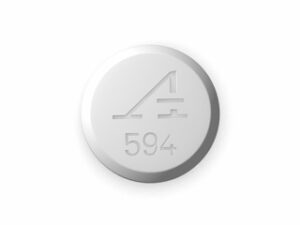
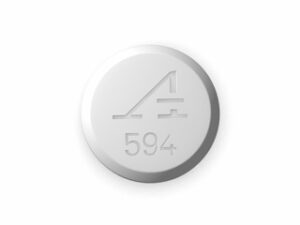
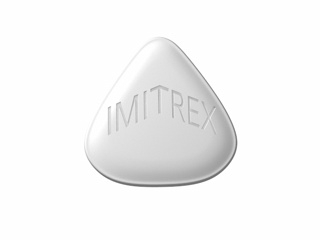
- Common form (varies by brand/market): Tablets (oral)
- Medicine class: Triptan (5-HT1 receptor agonist)
- Used for: Acute treatment of migraine (with or without aura)
- Not typically for: Preventing migraine long-term (though some doctors may use different strategies for prevention)
In Australia, the exact strengths and brand names can vary. Your pharmacist can confirm the product you have and how to use it correctly.
What is a Migraine?
Migraine is a neurological condition that causes moderate to severe headache pain, often with nausea and/or sensitivity to light and sound. Some people experience aura (such as visual disturbances or tingling) before the headache begins.
During a migraine attack, certain nerves and blood vessels in the brain become abnormally active. Sumatriptan helps interrupt these migraine-related processes.
How Sumatriptan Works (Mechanism of Action)
Sumatriptan primarily acts on serotonin (5-HT) receptors, especially 5-HT1B and 5-HT1D receptors. By stimulating these receptors, it:
- Constricts certain intracranial blood vessels involved in migraine mechanisms
- Reduces release of inflammatory neuropeptides linked to migraine pain
- Inhibits pain pathways in the trigeminal system (migraine-related nerve pathways)
The result is a decrease in headache pain and accompanying symptoms during an acute migraine attack.
Pharmacokinetics (Absorption, Metabolism, and Elimination)
Pharmacokinetics describes how the body handles a medicine—how it is absorbed, processed, and cleared. While exact numbers can differ slightly by formulation and individual factors, the key patterns for sumatriptan are:
- Absorption: After oral administration, sumatriptan is absorbed through the gastrointestinal tract.
- Peak effect: Many people notice symptom improvement within a short time, though exact timing varies.
- Distribution: It distributes into tissues and can cross into the nervous system to a degree relevant to its migraine effect.
- Metabolism: Sumatriptan is primarily metabolised in the liver.
- Elimination: Metabolites are cleared mainly via the kidneys.
Special situations that can affect exposure include liver impairment and kidney impairment. If you have liver or kidney issues, ask your clinician or pharmacist for product-specific guidance.
Typical Use and When to Take It
Sumatriptan is used for the acute treatment of migraine attacks. It is intended to relieve symptoms once a migraine begins.
Start early in the attack
Many people get the best results when they take sumatriptan as early as possible during a migraine attack, but not before migraine symptoms are clearly present.
- If you have aura: Some guidance supports taking sumatriptan at the start of migraine symptoms (aura may or may not be included depending on your clinician’s advice and product instructions).
- If you have no aura: Take it when you notice the migraine is starting.
Timing expectations
| Goal | Typical timing (general) | What to do if it doesn’t fully work |
|---|---|---|
| Headache relief | Often begins within a couple of hours after taking | Follow the “second dose” guidance on your product instructions |
| Return of symptoms (“relapse”) | May occur within 24 hours | Use the allowed repeat dosing strategy and maximum daily limits |
| Side effects | May occur soon after dosing | Seek advice if severe or unusual symptoms develop |
Indications: Who is Sumatriptan for?
In general terms, sumatriptan is indicated for:
- Adults for the acute treatment of migraine attacks with or without aura
Some product types or local guidance may include age limits. Always check the specific product details you are using and ask your pharmacist if you are unsure.
Dosing (General Guidance)
Dosing depends on the strength of your tablets and your individual risk factors. The information below is general and does not replace the instructions on your medicine label or clinician advice.
- Initial dose: Commonly taken as a single dose at the start of a migraine attack.
- Repeat dose: If your migraine returns or doesn’t fully go away, a second dose may be allowed after a specific time interval.
- Maximum daily dose: Do not exceed the maximum number of doses per day stated in the product information.
If you experience frequent migraines, consider discussing a prevention plan with your healthcare provider rather than relying only on repeated acute doses.
Important: Do not take sumatriptan more often than directed. Overuse of migraine medicines can contribute to medication-overuse headache (rebound headache), making headaches more frequent.
Food Interactions
Food interactions are usually less problematic with sumatriptan tablets than with some other medicines. In many cases, sumatriptan can be taken with or without food.
- If you feel nauseated during migraine, taking a dose with a small amount of food or water may improve tolerance.
- Very heavy meals can sometimes affect how quickly an oral medicine acts, but typically the key issue is your individual response.
Follow your product label. If your label states “take with food” or “take on an empty stomach,” follow that guidance.
Alcohol Interactions
Alcohol is a known migraine trigger for many people. Even when there is no direct “chemical” interaction, alcohol may increase the likelihood of migraine attacks or worsen symptoms.
- Avoid alcohol during an attack if it triggers your migraines.
- If you choose to drink alcohol, do so cautiously and consider how you respond while taking sumatriptan.
If you are unsure about alcohol use with your overall health conditions or other medicines, ask your pharmacist or clinician.
Medicine Interactions (What to Watch For)
Sumatriptan can interact with other medicines, particularly those affecting serotonin pathways or blood vessels. Always review your current medicines with your pharmacist.
Key interaction categories
-
Other triptans (e.g., rizatriptan, zolmitriptan, etc.):
- Using multiple triptans close together increases risk of side effects.
-
Ergot medicines (e.g., ergotamine, some ergot derivatives):
- Combination risk can be higher due to effects on blood vessels.
-
Serotonergic medicines (medicines that affect serotonin), such as:
- Some antidepressants (including SSRIs and SNRIs)
- Other serotonin-related medicines
- St John’s wort (an herbal product)
Most patients can take sumatriptan with many common medicines, but certain combinations require caution or spacing. If you take any antidepressants, do not assume there is no interaction—confirm with a healthcare professional.
Cardiovascular risk interactions
Sumatriptan can affect blood vessels and is used cautiously in people with cardiovascular conditions. Tell your clinician if you have:
- Ischaemic heart disease, angina, or past heart attack
- History of stroke or transient ischaemic attack (TIA)
- Uncontrolled high blood pressure
- Significant risk factors such as heavy smoking, diabetes, or strong family history of early heart disease
Safety Profile and Possible Side Effects
Like all medicines, sumatriptan can cause side effects. Many are mild and short-lived. However, some symptoms may be serious and require urgent medical attention.
Common side effects
- Sensations of tingling, warmth, or flushing
- Headache changes (beyond the migraine) or dizziness
- Nausea or stomach discomfort
- Feeling weak or tired
- Dry mouth
Less common but important to know
- Chest, throat, or jaw tightness (sometimes described as pressure or pain)
- Shortness of breath
- Very fast or irregular heartbeat
- Allergic reactions such as rash, swelling, or breathing difficulty
Seek urgent medical attention if you experience chest pain/pressure, symptoms of stroke (e.g., weakness on one side, trouble speaking), severe allergic reaction, or fainting. These can be rare but important.
When to talk to a clinician promptly
- If you need sumatriptan very frequently (for example, more than a few days per month)
- If your migraine symptoms are changing pattern (more severe, different type, or not responding as expected)
- If you notice unusual side effects after each dose
Practical Use Tips (How to Get the Best Results)
- Take it early: For many people, earlier dosing in the attack improves effectiveness.
- Use your medication strategy: Have a clear plan for what to do if the first dose doesn’t fully work (follow your product instructions).
- Stay hydrated: Dehydration can worsen headaches.
- Rest in a dark, quiet room: Migraine-related sensory sensitivity often improves with reduced stimulation.
- Consider an anti-nausea approach: If nausea is a major part of your attacks, discuss options with your pharmacist or clinician.
- Track your attacks: Keeping a headache diary can help identify triggers and optimise treatment.
Medication-overuse headache: If you take acute migraine medicines too often, headaches can become more frequent. A clinician can help set a safe plan for your situation.
Alternative Options for Migraine (If Sumatriptan Isn’t Right)
There are several approaches to migraine treatment in Australia. The best option depends on your symptoms, medical history, and how well you respond to sumatriptan.
Other acute (attack) options
- Other triptans: Different triptans may suit some people if sumatriptan doesn’t work well or causes side effects.
- Anti-inflammatory medicines (NSAIDs): Some people use NSAIDs early in a migraine attack.
- Combination strategies: Your clinician may recommend pairing an acute medicine with another agent for better relief (depending on your health and interactions).
- CGRP-targeting therapies (newer classes): Some migraine treatments target CGRP pathways and may be considered for specific patients.
Preventive options (to reduce frequency)
If you have frequent migraines or disabling attacks, prevention may reduce how often they occur. Preventive options may include lifestyle measures and certain prescription medicines (the exact choice varies).
If sumatriptan isn’t working for you, do not simply increase doses. Discuss alternatives or a different strategy with a healthcare professional.
Market and Legal Context in Australia (Overview)
In Australia, migraine treatments—including triptans—are regulated within the Australian health system. Access and supply depend on product category, prescribing rules for specific brands, and clinician assessment when required by law and safety guidelines.
Pharmaceutical products must meet Australian regulatory requirements for quality, safety, and effectiveness. Availability may vary by brand and strength.
Your online pharmacy experience may differ depending on supply pathways, age restrictions, and clinical screening required for safe use.
Recent Guidance and Good-Practice Considerations
Migraine management guidance generally emphasises:
- Early treatment of acute attacks with appropriate medicine
- Minimising medication overuse by limiting how often acute medicines are taken
- Individualising therapy based on cardiovascular risk, comorbidities, and response
- Assessing red flags (sudden severe headache, neurological symptoms unlike your usual pattern, or headaches that change significantly)
Product-specific recommendations also matter. Always check the current instructions for your specific sumatriptan brand and formulation.
Delivery, Availability, and What to Expect from an Online Pharmacy
Availability of sumatriptan can vary depending on stock, preferred brands, and strength. When ordering online in Australia, you can typically expect:
- Product selection: Different tablet strengths may be available
- Secure checkout: Details needed for safe supply
- Dispatch and tracking: Most orders are processed and shipped with tracking
- Packaging: Medicines are packaged for safe transport and privacy
Delivery times depend on your location and the pharmacy’s dispatch schedule. You can check estimated delivery during checkout.
Storage and Handling
- Store according to the label (often in a cool, dry place)
- Keep out of reach of children
- Do not use after the expiry date
- If tablets look damaged or discoloured, check with your pharmacist
FAQ — Sumatriptan for Migraine (Australia)
1) How quickly does sumatriptan work?
Many people start to feel improvement within a couple of hours. Some experience earlier relief, while others may need more time—this varies by attack severity and individual response.
2) Can I take sumatriptan during an aura?
If you experience aura, it’s best to follow your product label and clinician advice. Some people take treatment when migraine symptoms begin; others may treat at the onset of aura. If unsure, ask your pharmacist.
3) What if my migraine comes back after the first dose?
A return of symptoms can happen within 24 hours. If your product instructions allow it, you may be able to take a second dose after the recommended interval. Do not exceed the maximum daily dose stated for your product.
4) Can I combine sumatriptan with paracetamol or ibuprofen?
In many cases, clinicians use combinations to improve relief, but it depends on your medical history and the other medicine. For the safest advice, ask your pharmacist about your specific medicines and dosing schedule.
5) Is sumatriptan safe for everyone with migraines?
Not everyone is suitable for sumatriptan. People with certain cardiovascular conditions, uncontrolled high blood pressure, or history of stroke/TIA may be at higher risk. Always discuss your health history with your pharmacist or clinician.
6) Will sumatriptan prevent future migraines?
Sumatriptan is used to treat migraine attacks when they occur. It is not primarily a preventive medicine. If you get frequent migraines, discuss preventive options.
7) Can I drink alcohol while taking sumatriptan?
Alcohol may trigger migraines in some people. There is not always a direct interaction, but because alcohol can worsen migraine risk, it’s generally best to avoid alcohol during your attack and monitor your personal response.
8) What are “red flags” when to seek urgent help?
Seek urgent medical attention if you experience sudden severe headache unlike usual, neurological symptoms (weakness, speech difficulty), chest pain/pressure, fainting, or signs of an allergic reaction (swelling, trouble breathing).
9) Could sumatriptan cause rebound headaches?
Overuse of acute migraine medicines can contribute to medication-overuse headache. If you find you need acute treatment frequently, talk to your clinician for a safer long-term plan.
10) What if I miss a dose?
Sumatriptan is taken only during an attack (not on a daily schedule). If you do not take it during your migraine, you generally take it at the next migraine onset according to instructions. Do not take extra doses to “catch up.”
Summary
Sumatriptan is a well-known acute migraine treatment that helps reduce headache pain and associated symptoms by acting on serotonin receptors in migraine pathways. It’s most effective when taken early in an attack, and its use requires attention to safety, interactions, and dosing limits.
If you have questions about suitability, side effects, or how to use sumatriptan alongside your other medicines, ask your pharmacist. They can help you choose the most appropriate approach for your migraines in Australia.