
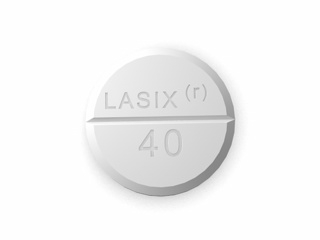


Lasix (Furosemide) – Patient Information Guide (Australia)
Lasix is a brand of furosemide, a medicine used to treat fluid retention (oedema) and related conditions. In Australia, furosemide products are widely available and are used across a range of adult and paediatric situations where the body needs help removing excess fluid.
This guide explains how Lasix works, how it is typically taken, what to expect, important safety information, and practical tips to help you use it confidently.
Quick overview
- Active ingredient: Furosemide
- Medicine type: Loop diuretic (“water tablet”)
- Main effect: Increases urine production to reduce fluid build-up
- Common reasons for use: Oedema from heart, kidney, or liver conditions; high blood pressure in selected cases
- How it’s taken: Usually by mouth (tablets). It is also available in other forms in clinical settings.
- Typical monitoring: Blood pressure, kidney function, and electrolytes (especially potassium and sodium)
What is Lasix (furosemide)?
Lasix (furosemide) is a loop diuretic. Diuretics help the kidneys remove excess salt and water from the body by acting on a specific part of the kidney called the loop of Henle. By increasing urine output, Lasix can relieve symptoms caused by fluid retention, such as swelling in the legs and shortness of breath due to fluid in and around the lungs.
Lasix may also be used to support fluid balance in people with certain kidney or liver disorders. In some situations, it may help lower blood pressure, though its most noticeable benefit is usually for fluid overload.
Mechanism of action (how it works)
After Lasix is absorbed, it reaches the kidneys and blocks a transporter called Na-K-2Cl (sodium, potassium, chloride) co-transport in the loop of Henle. This action:
- Reduces sodium reabsorption (less salt is returned to the bloodstream)
- Increases the amount of salt in the urine
- Drives water out with the salt, increasing urine volume
- Promotes electrolyte changes including increased loss of potassium and sometimes magnesium and calcium
The result is a reduction in excess fluid and improved symptoms related to fluid retention.
Pharmacokinetics (how the body handles it)
“Pharmacokinetics” describes how Lasix is absorbed, distributed, metabolised, and eliminated.
- Absorption: Furosemide is absorbed through the gut when taken by mouth. Food can influence absorption (see “Food interactions” below).
- Onset of action: Often begins within about 1 hour after a typical oral dose. The exact timing can vary between people and formulations.
- Duration: The diuretic effect can last several hours, depending on dose and kidney function.
- Distribution: It acts primarily in the kidneys.
- Elimination: Furosemide and its metabolites are largely removed by the kidneys. Kidney function is therefore important in determining dose and effect.
If you have reduced kidney function, the onset and strength of diuretic effect may differ, and monitoring becomes even more important.
What are typical uses for Lasix?
Lasix is used to treat oedema (fluid retention) and related fluid overload conditions, including:
- Congestive heart failure (to reduce fluid build-up)
- Kidney disease causing swelling or fluid retention
- Liver disease with oedema and/or fluid in the abdomen
- Hypertension in selected cases, usually as part of a broader treatment plan
Your prescriber may adjust dosing based on symptoms (e.g., swelling, breathlessness), blood pressure, kidney function, and electrolyte results.
Indications and clinical situations
In practice, Lasix is used for the following indications (examples):
- Oedema due to heart failure: reducing leg swelling and other fluid-related symptoms.
- Oedema due to renal impairment: helping manage fluid retention when kidneys are not clearing fluid effectively.
- Oedema due to liver disease: reducing swelling and fluid accumulation (with careful monitoring).
- Raised fluid levels in other conditions: where a loop diuretic is considered appropriate.
- Raised blood pressure: sometimes as an adjunct therapy.
The right indication depends on your diagnosis and overall health.
How and when to take Lasix
Timing
Because Lasix increases urine production, it can affect your sleep if taken late in the day. In many cases, doses are planned for the morning (and sometimes early afternoon), rather than the evening.
- Typical approach: take in the morning to reduce night-time urination.
- If multiple doses are needed: your clinician will usually space them out (for example, morning and early afternoon).
Consistency matters
Try to take your doses at the same times each day. If you miss a dose, follow the guidance you have been given for your treatment plan (rather than “doubling up”).
Dosing: general information (individualised)
Dosing of Lasix varies widely based on the condition being treated, kidney function, fluid response, and electrolyte results. Your dose may be adjusted during treatment to reach the desired effect while minimising side effects.
The table below provides general starting-point ranges commonly seen in clinical practice. Your exact dose should be confirmed from your treatment plan and the product instructions.
| Condition (example) | Typical dosing pattern (general) | Notes |
|---|---|---|
| Oedema / fluid overload | Often once daily or divided into 1–2 doses | Adjusted based on urine output, swelling, blood pressure, electrolytes, and kidney function. |
| Heart failure | Once or twice daily depending on response | Some people require dose changes during illness or changes in weight. |
| Kidney-related oedema | Dose adjusted to kidney function and response | In reduced kidney function, monitoring is particularly important. |
| Hypertension (selected cases) | May be used once daily as part of combination therapy | Loop diuretics are often not first-line alone; effectiveness depends on the overall plan. |
| Paediatric use | Weight-based dosing may be used under specialist guidance | Close monitoring of electrolytes and hydration is essential. |
Important: Never increase or decrease your dose without medical advice. If you feel dizzy, unusually weak, or have symptoms suggesting dehydration or electrolyte imbalance, contact your healthcare team.
Food interactions
Food may affect how quickly and how much furosemide you absorb. For many people, taking Lasix consistently with regard to meals helps maintain predictable effects.
- Absorption can vary: some people experience changes in the timing of diuretic effect when taken with food.
- Practical tip: take Lasix the same way each day (for example, always with breakfast or always on an empty stomach), unless your clinician advises otherwise.
If you notice a pattern—such as urine output starting later or earlier depending on meals—tell your clinician. Adjustments to timing or dose may be considered.
Alcohol and medicine interactions
Alcohol
Alcohol can increase the risk of dizziness and low blood pressure, particularly if you’re already prone to dehydration due to diuretic effects.
- Safer approach: limit alcohol and rise slowly from sitting or lying positions.
- Seek advice urgently: if you faint, have severe light-headedness, or feel significantly unwell.
Common medicine interactions
Lasix can interact with several types of medicines. Some interactions increase risk of dehydration, worsen kidney function, or affect electrolyte levels.
- Lithium: furosemide may increase lithium levels, raising toxicity risk. Monitoring is typically required.
- Non-steroidal anti-inflammatory drugs (NSAIDs) (e.g., ibuprofen, naproxen, diclofenac): may reduce diuretic effect and affect kidney function.
- Other blood pressure medicines: may increase risk of low blood pressure or dizziness.
- Electrolyte-affecting medicines: e.g., corticosteroids, some laxatives, and certain heart rhythm medicines can change potassium/magnesium levels—sometimes increasing risk of heart rhythm problems.
- Digoxin: low potassium (hypokalaemia) can increase risk of digoxin toxicity or heart rhythm disturbances.
- Antihyperglycaemic medicines: diuretics can sometimes affect blood glucose control.
- Gout medicines: furosemide can raise uric acid and may trigger gout in susceptible individuals.
Always keep an up-to-date list of your medicines (including supplements and herbal products) and share it with your healthcare team.
Safety profile: what to watch for
Like all medicines, Lasix can cause side effects. Many people tolerate it well, but because it changes fluid and electrolyte balance, monitoring is important.
Common side effects
- Increased urination (expected)
- Thirst and mild dehydration symptoms
- Dizziness, especially when standing up quickly
- Headache
- Muscle cramps or weakness (may relate to electrolyte changes)
Electrolyte-related risks
Lasix can lower electrolytes, particularly:
- Potassium (hypokalaemia)
- Sodium (hyponatraemia)
- Magnesium (hypomagnesaemia)
- Calcium (can sometimes be affected)
Symptoms that may suggest electrolyte imbalance include muscle cramps, unusual fatigue, weakness, irregular heartbeat, or confusion.
Serious side effects (seek urgent medical help)
- Fainting or severe dizziness
- Severe dehydration (very dry mouth, inability to pass urine, extreme weakness)
- Chest pain, palpitations, or symptoms of an abnormal heartbeat
- Severe allergic reactions (swelling of face/lips, breathing difficulty, rash)
- Signs of worsening kidney function (reduced urine, sudden weight change with feeling unwell)
If you develop severe symptoms, contact emergency services or seek urgent care.
Risk factors
Your risk of side effects may be higher if you:
- Have kidney impairment
- Are elderly
- Take multiple medicines that affect kidney function or electrolytes
- Have poor fluid intake, vomiting, or diarrhoea
- Have low baseline blood pressure
Practical tips for safe and effective use
- Monitor your response: swelling should reduce gradually. If you gain weight rapidly or swelling worsens, seek medical advice.
- Check your blood pressure if advised: especially if you feel dizzy or light-headed.
- Watch for dehydration: feel thirsty, dizzy on standing, or have dark urine—contact your clinician if persistent.
- Don’t change your salt intake drastically without guidance: salt balance affects fluid retention. Follow advice you have received.
- Keep appointments for blood tests: kidney function and electrolytes are often checked after dose changes and periodically during treatment.
- Be mindful of frequent bathroom visits: plan routes and travel accordingly, particularly in the first days after starting or changing dose.
- Consider footwear and hydration: if you’re prone to cramps or dizziness, stand up slowly and keep well hydrated within your clinician’s advice.
When to contact your healthcare team
Contact your healthcare team promptly if you have:
- Persistent dizziness, fainting, or severe weakness
- Muscle cramps, irregular heartbeat, or symptoms suggesting electrolyte disturbance
- Vomiting or diarrhoea, or you’re unable to drink fluids normally
- Sudden changes in urine output
- Rapid weight gain, worsening breathlessness, or worsening swelling
- Signs of allergy such as rash or facial swelling
Alternative options to discuss
Alternatives depend on why you’re taking Lasix (e.g., type of oedema, heart failure severity, kidney function, and electrolyte status). Your clinician may consider:
- Other loop diuretics: such as bumetanide or torsemide (availability varies).
- Thiazide or thiazide-like diuretics: sometimes used in combination when appropriate.
- Potassium-sparing diuretics: used in selected patients to reduce potassium loss.
- Non-diuretic strategies: optimising heart failure medications, fluid and salt guidance, or addressing underlying kidney/liver causes.
Only switch diuretics if advised—dose conversion and monitoring are required to avoid sudden changes in fluid balance and electrolytes.
Lasix in the Australian market: legal and guidance context
In Australia, medicines containing furosemide are subject to regulated supply arrangements through pharmacies. Availability and specific product formats may vary. Safety monitoring is strongly emphasised because diuretics can significantly affect fluid and electrolyte balance, and because underlying heart, kidney, or liver conditions can change rapidly.
Healthcare professionals may follow current Australian medicines and clinical guidance, including recommendations on:
- Baseline and follow-up blood tests for electrolytes and kidney function
- Blood pressure monitoring and assessment for dehydration
- Medication review for interactions
- Management during illness (e.g., vomiting/diarrhoea) to reduce risk of complications
If you’re unsure about what monitoring schedule applies to you, ask your healthcare team.
Recent guidance (general patient-facing themes)
While individual recommendations differ by patient and condition, recent clinical practice themes for diuretic safety commonly include:
- Earlier and clearer monitoring after starting or increasing diuretic doses.
- Emphasis on electrolyte checks and symptom awareness (cramps, weakness, palpitations).
- Medication review to avoid interaction-related kidney injury or reduced effectiveness (for example, NSAID use).
- Illness planning (“sick day” considerations) for people at higher risk of dehydration—discuss with your clinician what to do if you get vomiting, diarrhoea, or can’t maintain fluid intake.
Your healthcare team can provide advice tailored to your health history.
Delivery and availability (online pharmacy Australia)
Availability depends on the specific product strength and formulation (for example, tablets of different strengths). When ordering online, ensure the product matches the one you’re currently using (including brand or strength if you have been advised not to switch).
- Dispatch: Orders are typically processed within business hours (timing depends on stock availability).
- Delivery: Delivery times vary by location and chosen shipping option.
- Packaging: Medicines are usually packed to protect from damage in transit.
- Storage: Store according to the label (commonly at room temperature, away from heat and moisture).
If you need help choosing the right strength or want to confirm product details before ordering, contact customer support.
FAQ: Lasix (furosemide)
1) Why do I pee more after taking Lasix?
Lasix works in the kidneys to reduce salt reabsorption. Because salt stays in the urine, water follows, leading to increased urine output.
2) How soon will Lasix start working?
Many people notice increased urination within about an hour after an oral dose, though timing can vary depending on dose, kidney function, and whether you take it with food.
3) Should I take Lasix with food?
If food affects absorption for you, the safest strategy is to take it the same way each day (either consistently with meals or consistently on an empty stomach), unless your healthcare professional tells you otherwise.
4) Will Lasix cause electrolyte problems?
It can. Lasix may lower potassium, sodium, magnesium, and sometimes other electrolytes. This is one reason healthcare teams often arrange blood tests and adjust dosing over time.
5) What symptoms could mean my potassium is low?
Possible symptoms include muscle cramps, weakness, fatigue, or palpitations. If you experience these, contact your healthcare team for advice and possible blood tests.
6) Can I drink alcohol while taking Lasix?
Alcohol may increase dizziness or low blood pressure risk. If you choose to drink, do so cautiously and discuss your situation with your clinician, especially if you get light-headed.
7) What medications should I be careful with?
Mention all medicines and supplements to your healthcare team—especially NSAIDs (pain relief), lithium, digoxin, and medicines that influence blood pressure or electrolyte levels.
8) What should I do if I miss a dose?
Follow the guidance given with your medicine or by your healthcare team. In general, avoid doubling doses unless instructed, and return to your usual schedule.
9) Is Lasix safe for long-term use?
Many people use diuretics long-term when clinically needed. Safety depends on ongoing monitoring of kidney function and electrolytes and adjustments to the lowest effective dose.
10) Can Lasix be used during illness (vomiting/diarrhoea)?
Dehydration risk can be higher during illness. Because recommendations vary, it’s best to discuss “sick day” guidance with your clinician so you know what to do if you can’t keep fluids down.
Key takeaways
- Lasix (furosemide) is a loop diuretic that helps remove excess fluid by increasing urine output.
- Effect is often noticeable within about an hour, and timing earlier in the day can reduce night-time bathroom trips.
- Monitor for dehydration and electrolyte changes; blood tests may be needed.
- Be cautious with alcohol and check medicine interactions, especially NSAIDs and medicines affecting electrolytes.
- If you feel very unwell, faint, have palpitations, or suspect dehydration, seek urgent medical attention.