

Loxitane (Loxapine) – Patient-Friendly Information (Australia)
Loxitane is a brand of loxapine, an antipsychotic medicine used in the management of certain mental health conditions. This page explains what Loxitane is, how it works, how it behaves in the body, typical uses, practical guidance for taking it safely, and common questions people ask. It is designed for patient understanding and general education.
Always follow your healthcare professional’s advice. If you have questions about your specific situation—such as dose selection, monitoring, or side effects—speak with a qualified clinician.
Basic product information
| Item | Details |
|---|---|
| Medicinal ingredient | Loxapine |
| Brand name | Loxitane |
| Medicine type | Antipsychotic (typical) |
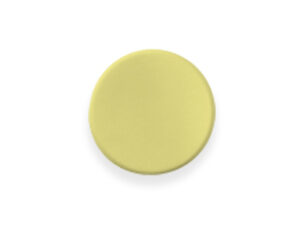
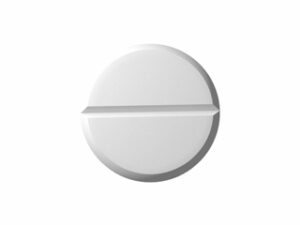
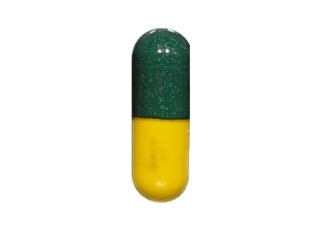
| Common forms | Oral tablets (exact strengths may vary by product availability) |
| Therapeutic focus | Reduction of psychotic symptoms; control of agitation associated with certain conditions |
| Where it’s used | In clinical practice in Australia for appropriate indications |
How Loxitane works (mechanism of action)
Loxapine is an antipsychotic. It works primarily by affecting neurotransmitters in the brain—especially:
- Dopamine (D2) receptor activity: helps reduce symptoms linked to dopamine dysregulation.
- Other receptor effects: loxapine also interacts with additional receptors that can influence mood, cognition, and behavioural symptoms.
By modulating these brain pathways, Loxitane can help improve symptoms such as hallucinations, delusions, disorganised thinking, and agitation in suitable patients.
Pharmacokinetics: what the body does to Loxitane
Pharmacokinetics describes absorption, distribution, metabolism, and elimination—how the body processes a medicine. The exact timing and levels vary among individuals.
Absorption
After oral dosing, loxapine is absorbed through the gastrointestinal tract. Peak levels in the blood occur within hours (often reported around the first day after dosing, with individual variation).
Metabolism
Loxapine is metabolised primarily in the liver. Some metabolites can contribute to overall therapeutic effects. Because metabolism can vary with liver function and medication interactions, dose adjustments may be needed in certain circumstances.
Distribution
Loxapine distributes into body tissues, including the brain. This contributes to its ability to treat central nervous system symptoms.
Elimination (half-life)
Loxapine and its metabolites are eliminated mainly via the kidneys and/or bile. The effective duration of symptom relief may not match the half-life exactly, because clinical benefits depend on brain receptor adaptation over time.
Typical use and why it’s prescribed
Loxitane is used to treat conditions where antipsychotic effects are needed. In clinical practice, this commonly includes:
- Schizophrenia and related psychotic disorders
- Acute agitation or severe behavioural disturbances associated with psychosis (depending on local clinical protocols and formulation)
Your clinician will consider symptom pattern, severity, past medication responses, medical history, and side-effect risk before choosing Loxitane or an alternative.
When to take Loxitane (timing guidance)
Many patients take loxapine once or twice daily, depending on their prescribed regimen. Because loxapine can cause drowsiness in some people, dosing time may be chosen to reduce disruption to daytime activities.
Practical timing tips
- Take it at the same times each day to maintain steadier effects.
- If you feel sleepy, ask your pharmacist/doctor whether moving a dose to the evening is appropriate.
- If you miss a dose, follow your clinician’s instructions or the product directions (commonly: take it when remembered unless it’s close to the next dose).
- Do not double up doses to “catch up” unless instructed.
Food interactions and dietary considerations
Food can affect how quickly medicines are absorbed, but loxapine is generally taken regardless of meals (unless your clinician provides specific instructions). To promote routine and reduce stomach upset, many people prefer taking it with or after food.
General advice
- Take with a consistent approach (e.g., always with meals or always on an empty stomach) unless advised otherwise.
- If Loxitane upsets your stomach, taking it with food may help.
- Stay well hydrated and maintain a balanced diet—some side effects (like weight gain) may require dietary attention.
Alcohol and medicine interactions
Combining antipsychotics with alcohol can increase the risk of sedation, poor coordination, and dizziness. It may also worsen judgement and increase the likelihood of accidents.
Alcohol
- It’s strongly recommended to avoid or limit alcohol while taking Loxitane.
- If you choose to drink, do so only with your clinician’s guidance and be cautious about sedation.
Other medicines that may interact
Interactions can occur with medicines that:
- Increase sedation (e.g., some sleep medicines, opioids, strong antihistamines)
- Affect liver enzymes involved in drug metabolism
- Influence heart rhythm (especially medicines known to prolong QT interval)
- Increase risk of falls (e.g., blood pressure medicines causing low blood pressure)
Tell your pharmacist about all medicines you use, including:
- Prescription medicines
- Pharmacy medicines and supplements
- Herbal products (some can significantly affect metabolism)
Indications: what Loxitane is used to treat
Loxitane is indicated for the treatment of certain psychotic conditions, such as schizophrenia, and may be used in other situations where a clinician determines an antipsychotic is appropriate.
Because indications and recommended dosing can depend on product form, country guidance, and patient factors, it’s important to rely on the official product information provided by your dispensing pharmacy or prescriber.
Dosing: how Loxitane is commonly started and adjusted
Dosing varies widely between individuals. Your clinician will determine your dose based on: symptom severity, age, medical conditions (including liver function), previous antipsychotic exposure, and side-effect risk.
General approach to starting
- Start low and increase gradually to reduce side effects such as drowsiness and dizziness.
- Adjustments are often made every few days to weekly intervals depending on response and tolerability.
Common dosing patterns (general information)
Loxitane is usually taken in divided doses. In some cases, once-daily dosing may be used depending on the regimen. Specific strength and schedule should follow your product label and healthcare instructions.
Duration of treatment
Symptom improvement may take time. Even if you feel better, stopping suddenly can lead to symptom relapse or withdrawal-like effects. Antipsychotic therapy is often continued long-term in conditions like schizophrenia to prevent recurrence.
Missed dose
If you miss a dose, take it as soon as you remember if it’s not near the next dose. If it is almost time for your next dose, skip the missed dose and resume your schedule. If you’re unsure, ask your pharmacist.
Safety profile: important side effects and risks
Like all medicines, Loxitane can cause side effects. Some are more common early in treatment, while others require longer-term monitoring. Many side effects are dose-related and may improve with dose adjustment.
Common or noticeable side effects
- Drowsiness, fatigue, or sedation
- Dizziness, especially when standing (orthostatic hypotension)
- Dry mouth
- Constipation
- Blurred vision
- Weight gain (varies between individuals)
- Increased appetite
Movement-related side effects (extrapyramidal symptoms)
Typical antipsychotics can cause movement disorders. Seek medical advice if you notice:
- Stiffness, tremor, or restlessness
- Involuntary movements (e.g., tongue or face movements)
- Akathisia (inner restlessness)
Early reporting is important—treatment may include dose adjustment and, in some cases, additional medicines.
Serious but less common warning signs
Contact urgent medical help if you experience any of the following:
- Neuroleptic malignant syndrome (NMS): high fever, severe muscle stiffness, confusion, rapid heart rate, or heavy sweating
- Tardive dyskinesia (late-appearing involuntary movements) that persists or worsens
- Seizures (report immediately if suspected)
- Signs of severe allergy: swelling of face/lips, trouble breathing, hives
- Marked fainting or severe dizziness
Heart rhythm considerations
Antipsychotics can sometimes affect heart rhythm, particularly in people with existing risk factors. Your clinician may consider an ECG and review other medications that may influence rhythm.
Blood sugar, lipids, and weight
Many antipsychotics can affect metabolic health. Monitoring may include weight, blood pressure, blood sugar, and cholesterol levels. Ask your pharmacist/clinician what schedule of tests is recommended for you.
Practical use tips for patients
The following tips can help you get the best benefit from Loxitane and reduce avoidable problems:
1) Give it time, track changes
- Symptom improvement may be gradual. Keep a brief daily note (sleep, agitation, hallucinations/delusions, mood, side effects).
- Report side effects early—many can be treated or improved with dose changes.
2) Reduce fall risk
- Stand up slowly, especially after sitting or lying down.
- Be cautious with driving or operating machinery until you know how Loxitane affects you.
3) Manage constipation
Constipation can occur with antipsychotics and may become uncomfortable if not addressed.
- Increase fibre and fluids (unless you have a fluid restriction).
- Ask your pharmacist about safe stool-softening options.
4) Maintain hydration and oral care
- Dry mouth can be reduced by frequent sips of water and sugar-free chewing gum.
- Keep up with dental hygiene.
5) Don’t stop abruptly
Stopping suddenly may worsen symptoms or cause unpleasant effects. Any changes should be discussed with a healthcare professional.
6) Know what to do for emergencies
If you experience symptoms suggestive of NMS (high fever, severe rigidity, confusion) seek urgent medical help immediately.
Alternative options
Treatment choice depends on the individual. If Loxitane is not suitable, clinicians may consider other strategies, such as:
Medication alternatives
- Other antipsychotics (some with different side-effect profiles)
- Adjunct treatments for agitation, mood symptoms, or anxiety (depending on diagnosis)
- Long-acting injectable formulations in selected patients to improve adherence
Non-medicine supports
- Psychological therapies and support services
- Family and carer support
- Structured routines, sleep hygiene, and relapse-prevention planning
If you’re considering alternatives due to side effects or insufficient benefit, discuss options promptly with your healthcare team.
Market and legal context in Australia
In Australia, medicines are regulated under the Therapeutic Goods Administration (TGA) framework. Antipsychotic medicines are generally supplied via regulated channels and must meet applicable standards for safety, quality, and prescribing/supply arrangements.
Availability can vary between pharmacies and online pharmacies depending on stock status and product form. Some brands may be substituted with equivalent generic medicines depending on supply arrangements and prescriber instructions.
Recent guidance and monitoring (general information)
Ongoing clinical guidance in Australia and internationally emphasises:
- Baseline assessment (e.g., weight/BMI, blood pressure, personal/cardiac risk factors)
- Metabolic monitoring during antipsychotic treatment
- Regular side-effect review, including movement symptoms and sedation
- Review of medicines used together to reduce interaction risk
- Patient-centred shared decision-making (balancing symptom control with tolerability)
Your clinician may schedule follow-up visits and monitoring tests based on your dose, health history, and response.
Delivery and availability (online pharmacy)
Availability of Loxitane can depend on local supply and demand. When ordering through an online pharmacy, you may be asked to confirm details to ensure the correct product is dispensed.
What to expect
- Stock confirmation: some products may be subject to availability.
- Packaging and labelling: medicines are typically supplied in manufacturer packaging with clear instructions.
- Delivery timeframes: delivery depends on your location and service level.
- Temperature and handling: loxapine tablets are generally stable under normal storage conditions, but always follow label guidance.
How to store your medicine
- Store according to the packaging instructions (commonly at room temperature, protected from moisture and heat).
- Keep out of reach of children.
- Do not use after the expiry date.
FAQs about Loxitane (Loxapine)
1) How long does it take for Loxitane to work?
Some people notice changes within days, but meaningful symptom control often takes several weeks. If symptoms worsen or you experience severe side effects, contact your healthcare team promptly.
2) Can I drive or operate machinery?
Loxitane can cause drowsiness and dizziness, especially at the start of treatment or after dose increases. Avoid driving or operating machinery until you know how it affects you.
3) What should I do if I miss a dose?
Take it when remembered unless it’s close to the next dose. Do not double the dose. If you’re unsure, ask your pharmacist for personalised advice based on your schedule.
4) Does Loxitane cause weight gain?
Weight gain can occur with antipsychotics, though the degree varies. If you notice weight changes, discuss options for diet, exercise, and monitoring with your clinician.
5) Are there movement-related side effects?
Yes. Typical antipsychotics may cause tremor, stiffness, restlessness, or involuntary movements. Report any new movement symptoms early so your clinician can adjust treatment if needed.
6) Can I drink alcohol while taking Loxitane?
It’s best to avoid or limit alcohol because it can increase sedation and impair coordination. Discuss your situation with a healthcare professional for tailored guidance.
7) What medicines should I avoid?
Avoid or use caution with medicines that increase sedation or affect heart rhythm, and tell your pharmacist about all medicines and supplements you take. Interactions depend on what you’re using.
8) Is it safe to stop Loxitane suddenly?
Do not stop suddenly unless instructed by a healthcare professional. Stopping abruptly may worsen symptoms and can be associated with uncomfortable effects.
9) Who should be extra careful when using Loxitane?
Extra caution may be needed for people with heart rhythm risks, seizure history, severe liver impairment, or those using multiple medicines that can interact. Your clinician can assess risks and decide on appropriate monitoring.
10) What monitoring might be recommended?
Monitoring commonly includes checking weight, blood pressure, metabolic markers (such as blood sugar and lipids), and reviewing movement side effects and sedation. Your clinician will tailor the schedule to your needs.
Summary
Loxitane (loxapine) is an antipsychotic medicine used in the management of certain psychotic conditions. It works by influencing dopamine and related brain pathways, helping reduce symptoms such as hallucinations and delusions. Because it can cause side effects—including drowsiness, dizziness, constipation, weight changes, and possible movement-related effects—safe use involves careful dose titration, regular monitoring, and early reporting of any concerns. If you have questions about interactions, timing, or suitability for your situation, speak with your pharmacist or healthcare professional.
Note: This information is general and educational. It does not replace advice from your healthcare team or the instructions on your medicine label.